
Aftercare Records, Servicing and Boiler Cover in Glasgow: What to Keep Safe
A boiler installation does not end when the engineer packs away their tools. The records you keep afterwards can be just as useful as the installation itself, particularly when the boiler needs servicing, develops a fault or requires warranty support.

Why you can trust our content
We understand that the boiler industry can be confusing, with plenty of outdated or misleading information. That’s why we rely only on trusted, proven sources to guide our advice and installations:
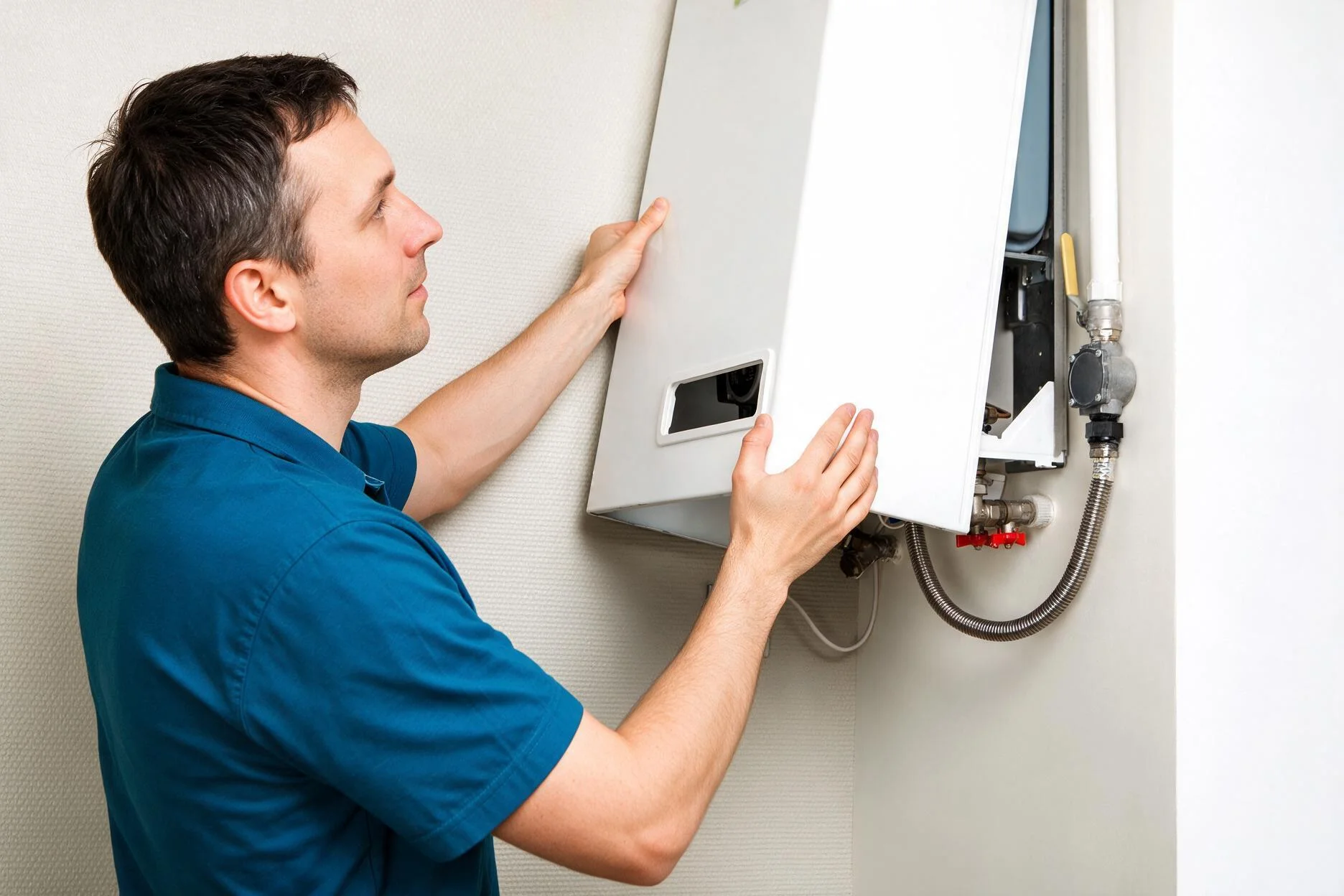
Homeowners can accumulate several important documents over the life of a heating system, including installation records, warranty information, servicing records and repair invoices. Keeping these together makes it easier to understand the boiler’s history and provide useful information to an engineer when something goes wrong.
If you are considering boiler cover Glasgow, it is also important to understand what existing warranties, servicing arrangements and insurance or breakdown plans actually provide before paying for additional protection.
If you need advice about boiler servicing, repairs or ongoing heating system care, contact Origin GPH to discuss the most appropriate option for your home.
What boiler records should you keep?
Keeping a simple folder, either physical or digital, can save time later.
Important records can include:
- Boiler make and exact model
- Boiler serial number
- Installation date
- Installation paperwork
- Commissioning information
- Manufacturer warranty details
- Warranty registration confirmation
- Heating control information
- Servicing records
- Repair invoices
- Parts replaced
- Fault codes
- Engineer recommendations
- Relevant Gas Safety documentation
You do not need an elaborate filing system. The main objective is to make sure important information can be found quickly.
This is particularly useful when contacting the manufacturer or an engineer who did not carry out the original installation.
Why is the boiler warranty worth keeping?
A boiler warranty can provide valuable protection against certain faults, but its terms vary between manufacturers and products.
The warranty documentation should explain what is covered, how long the cover lasts and whether there are conditions that must be met.
Some warranties may have requirements relating to servicing or registration. Failing to meet applicable conditions could affect a future claim.
Keep confirmation of the warranty registration alongside your installation documents.
It is also worth noting the difference between manufacturer warranty cover and other forms of boiler cover. They are not necessarily interchangeable.
What kind of fuel does your boiler use?
Mains Gas
LPG
It just takes 2 minutes
And then you can book a free consultation
How often should a boiler be serviced?
The appropriate servicing interval depends on the boiler manufacturer’s guidance and the circumstances of the property.
Homeowners should check the manufacturer’s instructions and arrange servicing at the recommended interval.
For landlords in Great Britain, gas safety duties are separate from general homeowner boiler servicing. Landlords must arrange an annual gas safety check by a Gas Safe registered engineer for relevant gas appliances and provide the required documentation to tenants.
Regular professional servicing can help identify developing issues, check the appliance’s condition and confirm that it continues to operate as expected.
Servicing should not be viewed as a guarantee that a boiler will never break down. It is one part of responsible heating system maintenance.
What is the difference between servicing and boiler cover?
The two provide different things.
Servicing involves inspecting and maintaining the boiler, while boiler cover is generally intended to provide assistance when an appliance or heating system develops a covered fault.
A cover policy may have exclusions, excesses, waiting periods, claim limits or restrictions relating to existing problems.
Before purchasing a policy, check exactly what it includes.
For example:
|
Item |
What to check |
|
Boiler breakdown |
Is the boiler itself covered? |
|
Central heating |
Does cover extend beyond the boiler? |
|
Call-outs |
Are engineer visits included? |
|
Parts |
Are replacement components covered? |
|
Labour |
Is labour included in repairs? |
|
Excess |
Is there a charge per claim? |
|
Waiting period |
Can you claim immediately? |
|
Existing faults |
Are pre-existing issues excluded? |
|
Annual limits |
Are there restrictions on claims? |
|
Servicing |
Is routine servicing included? |
This comparison can be more useful than choosing a policy based on the monthly price alone.
Is boiler cover worth paying for?
There is no universal answer.
Some homeowners prefer the predictability of paying for a cover plan, while others choose to budget for potential repairs themselves.
The right option depends on factors such as:
- Boiler age
- Boiler condition
- Existing warranty
- Household budget
- Repair history
- Level of cover offered
- Excess and claim limits
A newer boiler with a substantial manufacturer warranty may provide different protection from an older appliance that has already experienced several faults.
This is why boiler cover Glasgow homeowners consider should be assessed alongside the protection already available through the boiler warranty.
What affects the gas boiler cover cost?
The gas boiler cover cost can vary according to the provider, level of cover, excess, appliance type and terms of the policy.
A cheaper policy may provide less extensive protection, while a more comprehensive plan may cost more.
Before comparing prices, establish exactly what is covered.
You may also find that some policies include central heating, plumbing or electrical assistance, while others focus specifically on the boiler.
The headline monthly payment does not tell you whether the policy represents good value for your particular circumstances.
Origin GPH can provide guidance on servicing and boiler maintenance so you can understand what your heating system needs. Contact our team if you would like to discuss ongoing care for your boiler.
What should you check before buying boiler cover?
Read the policy conditions carefully.
Look particularly at:
- Waiting periods before a claim can be made.
- Exclusions for existing faults.
- Maximum claim values.
- Number of claims allowed.
- Excess charges.
- Parts and labour coverage.
- Boiler age restrictions.
- Servicing requirements.
- Whether central heating is included.
- Circumstances in which the provider may decline a claim.
These details can have a greater impact on the value of a policy than the monthly premium.
A policy that appears inexpensive may offer limited assistance when you actually need it.
Can a boiler warranty make separate cover unnecessary?
Not always, but it can affect the decision.
If your boiler is still covered by a manufacturer’s warranty, some appliance faults may already have protection subject to the warranty conditions.
However, warranty cover may differ from a breakdown policy. For example, it may not cover every component of the wider heating system or provide the same type of call-out arrangement.
Check both documents carefully before paying for additional protection.
What servicing records should contain?
A useful servicing record should identify the boiler and provide information about the service carried out.
Depending on the appliance and circumstances, records may include:
- Date of service
- Boiler model
- Relevant appliance details
- Engineer information
- Checks carried out
- Any faults identified
- Parts replaced
- Recommendations
- Next service guidance
Keep these records with the original installation documentation.
A clear history can help an engineer understand how the boiler has performed over time and identify recurring issues.
Why are records useful when a boiler develops a fault?
Imagine a boiler develops a problem several years after installation.
The engineer can immediately see the boiler model, installation history and previous servicing records. If the same component has already been replaced or a recurring issue has been documented, that information may help guide the investigation.
Without records, useful history can easily be lost.
This is particularly important if the homeowner has used different engineers over the years.
A typical Glasgow example
Consider a homeowner with a five-year-old boiler that has recently started losing pressure.
They have kept the original installation paperwork, warranty information and annual service records in one digital folder. When an engineer visits, they can provide the boiler model and previous service information immediately.
The engineer can then focus on diagnosing the current problem rather than spending time establishing basic information about the appliance.
The records do not prevent the fault, but they make the history of the heating system much easier to understand.
When should you consider changing your boiler cover?
Review your cover whenever there is a significant change in your circumstances.
This could include:
- The boiler warranty expiring
- The boiler becoming older
- A change in household budget
- Repeated repairs
- A change of property
- Changes to the policy terms
- A significant increase in premium
Do not assume that renewing automatically provides the same value. Read the updated terms and compare the protection with your current warranty and maintenance arrangements.
What should you do if your boiler breaks down?
If the boiler stops working, check the manufacturer’s basic guidance and any obvious user-level issues such as controls or pressure where appropriate.
Do not dismantle the boiler or attempt gas-related repairs yourself.
If the problem continues, contact an appropriately qualified heating professional or the provider responsible for your cover.
Keep a note of any fault code displayed and explain what happened before the breakdown.
If you suspect a gas safety problem, arrange appropriate professional assistance immediately and follow current gas safety guidance.
Frequently Asked Questions
Good boiler aftercare starts with keeping accurate records and understanding what protection you already have. Installation paperwork, commissioning information, warranty details and servicing records can all become valuable if the boiler develops a fault.
When considering boiler cover Glasgow, compare the policy with your existing warranty and think about the level of risk you are comfortable managing yourself.
Likewise, look beyond the headline gas boiler cover cost and check the exclusions, excesses, claim limits and actual repair support provided.
Origin GPH can help with professional boiler servicing, repairs and ongoing heating system care, giving homeowners practical support throughout the life of their boiler.
If you want to keep your boiler operating reliably, contact Origin GPH to discuss servicing, repairs or suitable aftercare for your heating system.
Related articles
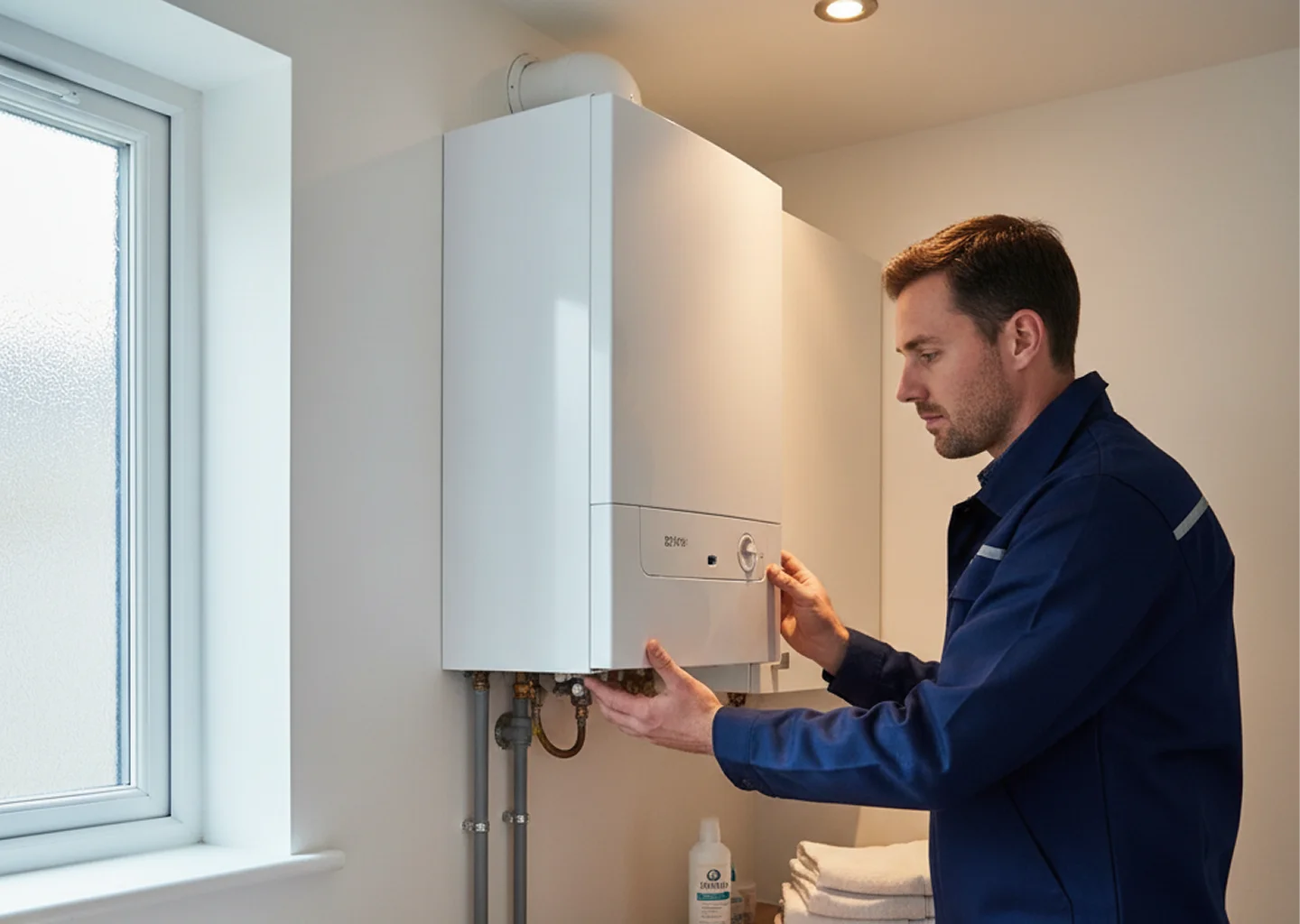
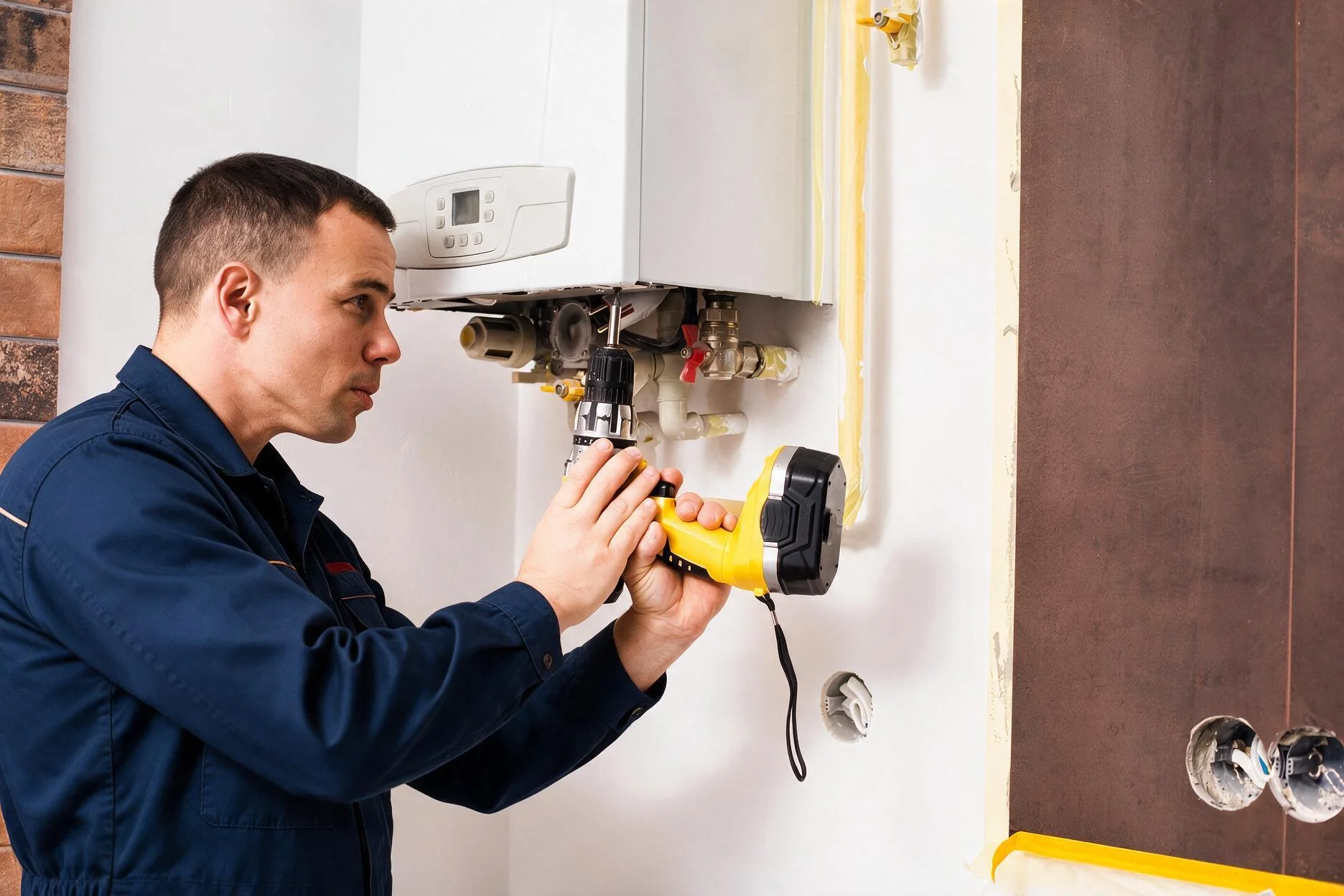
At a glance
Homeowners can accumulate several important documents over the life of a heating system, including installation records, warranty information, servicing records and repair invoices. Keeping these together makes it easier to understand the boiler’s history and provide useful information to an engineer when something goes wrong.
If you are considering boiler cover Glasgow, it is also important to understand what existing warranties, servicing arrangements and insurance or breakdown plans actually provide before paying for additional protection.
If you need advice about boiler servicing, repairs or ongoing heating system care, contact Origin GPH to discuss the most appropriate option for your home.
What boiler records should you keep?
Keeping a simple folder, either physical or digital, can save time later.
Important records can include:
- Boiler make and exact model
- Boiler serial number
- Installation date
- Installation paperwork
- Commissioning information
- Manufacturer warranty details
- Warranty registration confirmation
- Heating control information
- Servicing records
- Repair invoices
- Parts replaced
- Fault codes
- Engineer recommendations
- Relevant Gas Safety documentation
You do not need an elaborate filing system. The main objective is to make sure important information can be found quickly.
This is particularly useful when contacting the manufacturer or an engineer who did not carry out the original installation.
Why is the boiler warranty worth keeping?
A boiler warranty can provide valuable protection against certain faults, but its terms vary between manufacturers and products.
The warranty documentation should explain what is covered, how long the cover lasts and whether there are conditions that must be met.
Some warranties may have requirements relating to servicing or registration. Failing to meet applicable conditions could affect a future claim.
Keep confirmation of the warranty registration alongside your installation documents.
It is also worth noting the difference between manufacturer warranty cover and other forms of boiler cover. They are not necessarily interchangeable.
What kind of fuel does your boiler use?
Mains Gas
LPG
It just takes 2 minutes
And then you can book a free consultation
How often should a boiler be serviced?
The appropriate servicing interval depends on the boiler manufacturer’s guidance and the circumstances of the property.
Homeowners should check the manufacturer’s instructions and arrange servicing at the recommended interval.
For landlords in Great Britain, gas safety duties are separate from general homeowner boiler servicing. Landlords must arrange an annual gas safety check by a Gas Safe registered engineer for relevant gas appliances and provide the required documentation to tenants.
Regular professional servicing can help identify developing issues, check the appliance’s condition and confirm that it continues to operate as expected.
Servicing should not be viewed as a guarantee that a boiler will never break down. It is one part of responsible heating system maintenance.
What is the difference between servicing and boiler cover?
The two provide different things.
Servicing involves inspecting and maintaining the boiler, while boiler cover is generally intended to provide assistance when an appliance or heating system develops a covered fault.
A cover policy may have exclusions, excesses, waiting periods, claim limits or restrictions relating to existing problems.
Before purchasing a policy, check exactly what it includes.
For example:
|
Item |
What to check |
|
Boiler breakdown |
Is the boiler itself covered? |
|
Central heating |
Does cover extend beyond the boiler? |
|
Call-outs |
Are engineer visits included? |
|
Parts |
Are replacement components covered? |
|
Labour |
Is labour included in repairs? |
|
Excess |
Is there a charge per claim? |
|
Waiting period |
Can you claim immediately? |
|
Existing faults |
Are pre-existing issues excluded? |
|
Annual limits |
Are there restrictions on claims? |
|
Servicing |
Is routine servicing included? |
This comparison can be more useful than choosing a policy based on the monthly price alone.
Is boiler cover worth paying for?
There is no universal answer.
Some homeowners prefer the predictability of paying for a cover plan, while others choose to budget for potential repairs themselves.
The right option depends on factors such as:
- Boiler age
- Boiler condition
- Existing warranty
- Household budget
- Repair history
- Level of cover offered
- Excess and claim limits
A newer boiler with a substantial manufacturer warranty may provide different protection from an older appliance that has already experienced several faults.
This is why boiler cover Glasgow homeowners consider should be assessed alongside the protection already available through the boiler warranty.
What affects the gas boiler cover cost?
The gas boiler cover cost can vary according to the provider, level of cover, excess, appliance type and terms of the policy.
A cheaper policy may provide less extensive protection, while a more comprehensive plan may cost more.
Before comparing prices, establish exactly what is covered.
You may also find that some policies include central heating, plumbing or electrical assistance, while others focus specifically on the boiler.
The headline monthly payment does not tell you whether the policy represents good value for your particular circumstances.
Origin GPH can provide guidance on servicing and boiler maintenance so you can understand what your heating system needs. Contact our team if you would like to discuss ongoing care for your boiler.
What should you check before buying boiler cover?
Read the policy conditions carefully.
Look particularly at:
- Waiting periods before a claim can be made.
- Exclusions for existing faults.
- Maximum claim values.
- Number of claims allowed.
- Excess charges.
- Parts and labour coverage.
- Boiler age restrictions.
- Servicing requirements.
- Whether central heating is included.
- Circumstances in which the provider may decline a claim.
These details can have a greater impact on the value of a policy than the monthly premium.
A policy that appears inexpensive may offer limited assistance when you actually need it.
Can a boiler warranty make separate cover unnecessary?
Not always, but it can affect the decision.
If your boiler is still covered by a manufacturer’s warranty, some appliance faults may already have protection subject to the warranty conditions.
However, warranty cover may differ from a breakdown policy. For example, it may not cover every component of the wider heating system or provide the same type of call-out arrangement.
Check both documents carefully before paying for additional protection.
What servicing records should contain?
A useful servicing record should identify the boiler and provide information about the service carried out.
Depending on the appliance and circumstances, records may include:
- Date of service
- Boiler model
- Relevant appliance details
- Engineer information
- Checks carried out
- Any faults identified
- Parts replaced
- Recommendations
- Next service guidance
Keep these records with the original installation documentation.
A clear history can help an engineer understand how the boiler has performed over time and identify recurring issues.
Why are records useful when a boiler develops a fault?
Imagine a boiler develops a problem several years after installation.
The engineer can immediately see the boiler model, installation history and previous servicing records. If the same component has already been replaced or a recurring issue has been documented, that information may help guide the investigation.
Without records, useful history can easily be lost.
This is particularly important if the homeowner has used different engineers over the years.
A typical Glasgow example
Consider a homeowner with a five-year-old boiler that has recently started losing pressure.
They have kept the original installation paperwork, warranty information and annual service records in one digital folder. When an engineer visits, they can provide the boiler model and previous service information immediately.
The engineer can then focus on diagnosing the current problem rather than spending time establishing basic information about the appliance.
The records do not prevent the fault, but they make the history of the heating system much easier to understand.
When should you consider changing your boiler cover?
Review your cover whenever there is a significant change in your circumstances.
This could include:
- The boiler warranty expiring
- The boiler becoming older
- A change in household budget
- Repeated repairs
- A change of property
- Changes to the policy terms
- A significant increase in premium
Do not assume that renewing automatically provides the same value. Read the updated terms and compare the protection with your current warranty and maintenance arrangements.
What should you do if your boiler breaks down?
If the boiler stops working, check the manufacturer’s basic guidance and any obvious user-level issues such as controls or pressure where appropriate.
Do not dismantle the boiler or attempt gas-related repairs yourself.
If the problem continues, contact an appropriately qualified heating professional or the provider responsible for your cover.
Keep a note of any fault code displayed and explain what happened before the breakdown.
If you suspect a gas safety problem, arrange appropriate professional assistance immediately and follow current gas safety guidance.
Frequently Asked Questions
Good boiler aftercare starts with keeping accurate records and understanding what protection you already have. Installation paperwork, commissioning information, warranty details and servicing records can all become valuable if the boiler develops a fault.
When considering boiler cover Glasgow, compare the policy with your existing warranty and think about the level of risk you are comfortable managing yourself.
Likewise, look beyond the headline gas boiler cover cost and check the exclusions, excesses, claim limits and actual repair support provided.
Origin GPH can help with professional boiler servicing, repairs and ongoing heating system care, giving homeowners practical support throughout the life of their boiler.
If you want to keep your boiler operating reliably, contact Origin GPH to discuss servicing, repairs or suitable aftercare for your heating system.