Frequently Asked Questions
How much does a new boiler for a house cost?
The cost of a new boiler for a house typically ranges from £2,000 to £4,500, depending on the type and installation requirements. For an accurate quote, it’s best to consult with a local professional like Origin Gas, Plumbing and Heating Ltd.
How much does it cost to replace a boiler in a house?
The cost to replace a boiler in a house typically ranges from £2,500 to £5,000, depending on the boiler type, installation complexity, and additional work required. For precise quotes and options, it’s best to consult with a local professional.
How much is a new boiler in Glasgow?
The cost of a new boiler in Glasgow typically ranges from £1,500 to £3,500, depending on the type, brand, and installation complexities. For an accurate quote tailored to your needs, contact us for a consultation.
How much is a new boiler Scotland?
The cost of a new boiler in Scotland varies depending on the type and brand, but you can typically expect to pay between £1,500 and £3,000, including installation. Factors such as the complexity of the installation and any additional work required can also affect the total price.
How much is a replacement boiler UK?
The cost of a replacement boiler in the UK typically ranges from £2,000 to £4,500, depending on the type of boiler, installation complexity, and additional features. It's best to get a tailored quote for accurate pricing.
How much does a new boiler cost Scotland?
The cost of a new boiler in Scotland typically ranges from £1,500 to £3,500, depending on the model and installation requirements. For a precise quote tailored to your needs, it's best to contact our team at Origin Gas, Plumbing and Heating Ltd.
What is the average cost to install a new boiler?
The average cost to install a new boiler typically ranges from £1,500 to £3,000, depending on the type of boiler and the complexity of the installation. At Origin, we offer fixed price guarantees to ensure transparency and affordability.
What factors affect new boiler prices?
The factors that affect new boiler prices include the type and size of the boiler, the complexity of installation, additional components needed, and the manufacturer's brand. Additionally, labour costs and any warranties or fixed price guarantees may also impact the overall price.
Are there financing options for new boilers?
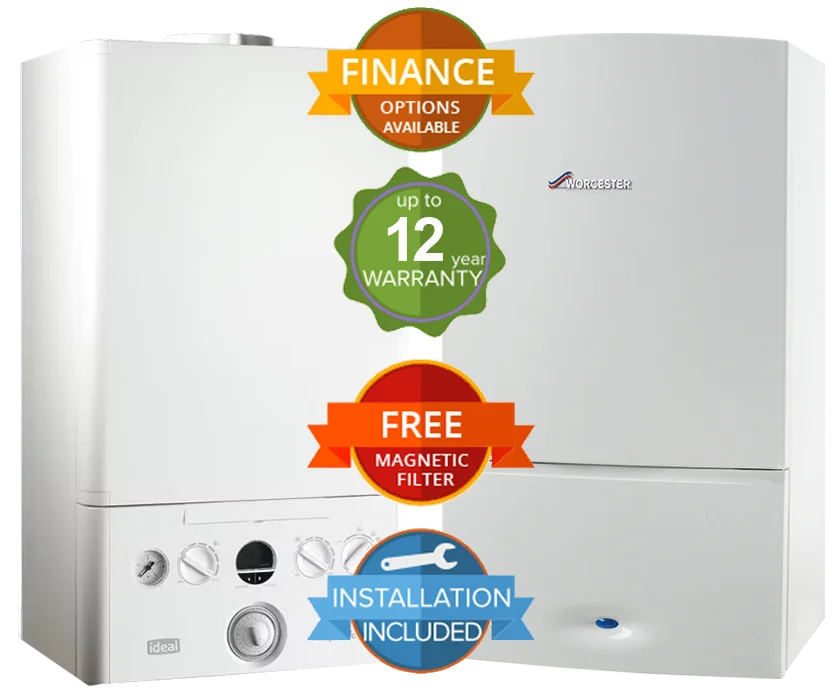
Financing options for new boilers are available through Origin Gas, Plumbing and Heating Ltd. We offer various plans to help make your boiler installation more affordable and manageable for your budget.
How long does a boiler installation take?
The duration of a boiler installation typically ranges from 4 to 8 hours, depending on the complexity of the system and any additional plumbing or electrical work required.
What types of boilers are available in Glasgow?
The types of boilers available in Glasgow include combi boilers, system boilers, and regular (conventional) boilers. Each type offers unique benefits suited to different needs, making it essential to choose the right option for your home.
How can I reduce boiler installation costs?
To reduce boiler installation costs, consider obtaining multiple quotes from reputable providers, exploring available financing options, and scheduling your installation during off-peak seasons to take advantage of potential discounts.
What warranties come with a new boiler?
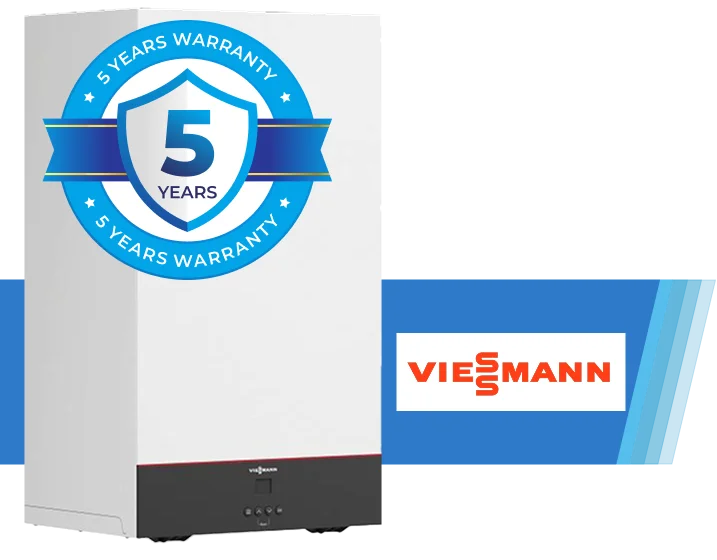
Warranties that come with a new boiler typically include a manufacturer's warranty, covering parts and labour for a specified period, usually between 2 to 10 years, depending on the model and installation.
Can I install a boiler myself?
Installing a boiler yourself is not recommended. It's a complex task that requires professional knowledge to ensure safety, compliance with regulations, and proper functionality. Hiring a qualified technician is the best choice for reliable installation.
What are common boiler installation mistakes?
Common boiler installation mistakes include improper sizing of the boiler, failing to follow manufacturer guidelines, neglecting necessary safety checks, and overlooking the need for proper ventilation. These errors can lead to inefficiencies and safety hazards.
How often should I replace my boiler?
The frequency of boiler replacement depends on its age and condition. Generally, you should consider replacing your boiler every 10 to 15 years, or sooner if you notice frequent breakdowns or if it's no longer efficient.
What are energy-efficient boiler options?
Energy-efficient boiler options include condensing boilers, which recover heat from exhaust gases, and biomass boilers, which use renewable materials. These systems not only reduce energy consumption but also lower utility bills and carbon emissions, promoting sustainable heating solutions.
Are there grants available for boiler replacement?
Grants for boiler replacement may be available through government schemes and local initiatives aimed at improving energy efficiency. It's best to check with local authorities or energy providers for specific options and eligibility criteria.
What maintenance is required after installation?
Regular maintenance after installation includes annual servicing, checking the pressure and system pressure, bleeding radiators, and ensuring the boiler is free from blockages. These steps help to maintain efficiency and prolong the lifespan of your boiler.
How do I choose the right boiler?
Choosing the right boiler involves assessing your home's heating needs, the size of your property, and your budget. Consider energy efficiency, type of fuel, and installation costs to make an informed decision.
What size boiler do I need for my house?
The size boiler you need for your house depends on factors like the number of bedrooms, bathrooms, and your heating requirements. A qualified technician can help determine the appropriate size for optimal efficiency and comfort.
What are the signs my boiler needs replacing?
The signs your boiler needs replacing include frequent breakdowns, inconsistent heating, unusual noises, and a noticeable increase in energy bills. If your boiler is over 10 years old, it's also worth considering a replacement for improved efficiency and safety.
How does the installation process work?
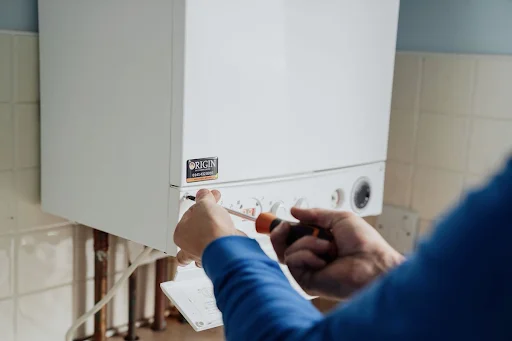
The installation process involves assessing your current system, selecting the right boiler, and scheduling a convenient time for the installation. Our experienced technicians will install the new boiler efficiently, ensuring everything is tested and working perfectly before they leave.
What is the lifespan of a new boiler?
The lifespan of a new boiler generally ranges from 10 to 15 years, depending on its type, maintenance, and usage. Regular servicing can help maximise its efficiency and longevity.
Will a new boiler save me money?
A new boiler can save you money by improving energy efficiency, which lowers your heating bills. Additionally, modern boilers are less likely to require costly repairs, resulting in further savings over time.
How do I find a reliable installer?
Finding a reliable installer involves researching local professionals, checking customer reviews, and verifying qualifications. Look for companies that offer fixed price guarantees and a commitment to high-quality workmanship, like Origin Gas, Plumbing and Heating Ltd.
What are the benefits of a new boiler?
The benefits of a new boiler are numerous, including improved energy efficiency, reduced heating bills, enhanced reliability, and increased heating performance, ensuring your home stays warm while also being environmentally friendly.
What is the best time to install a boiler?
The best time to install a boiler is during the milder months of spring or autumn. This allows for easier scheduling and ensures your heating system is ready before the colder winter temperatures arrive.
Are there local regulations for boiler installation?
Local regulations for boiler installation exist to ensure safety and efficiency. It’s essential to comply with these regulations, which may vary by area, and hiring a qualified professional can help navigate these requirements effectively.
How do I prepare for a boiler installation?
Preparing for a boiler installation involves clearing the installation area, ensuring easy access for the engineers, and gathering any relevant documents about your current heating system. Additionally, consider discussing your requirements and preferences with the installation team beforehand.