
Boiler Repair After Installation: Warning Signs Something Was Missed
A newly installed boiler should provide reliable heating and hot water, so recurring problems shortly after installation can be frustrating. While not every fault means the installation was carried out incorrectly, repeated issues deserve proper investigation.

Why you can trust our content
We understand that the boiler industry can be confusing, with plenty of outdated or misleading information. That’s why we rely only on trusted, proven sources to guide our advice and installations:
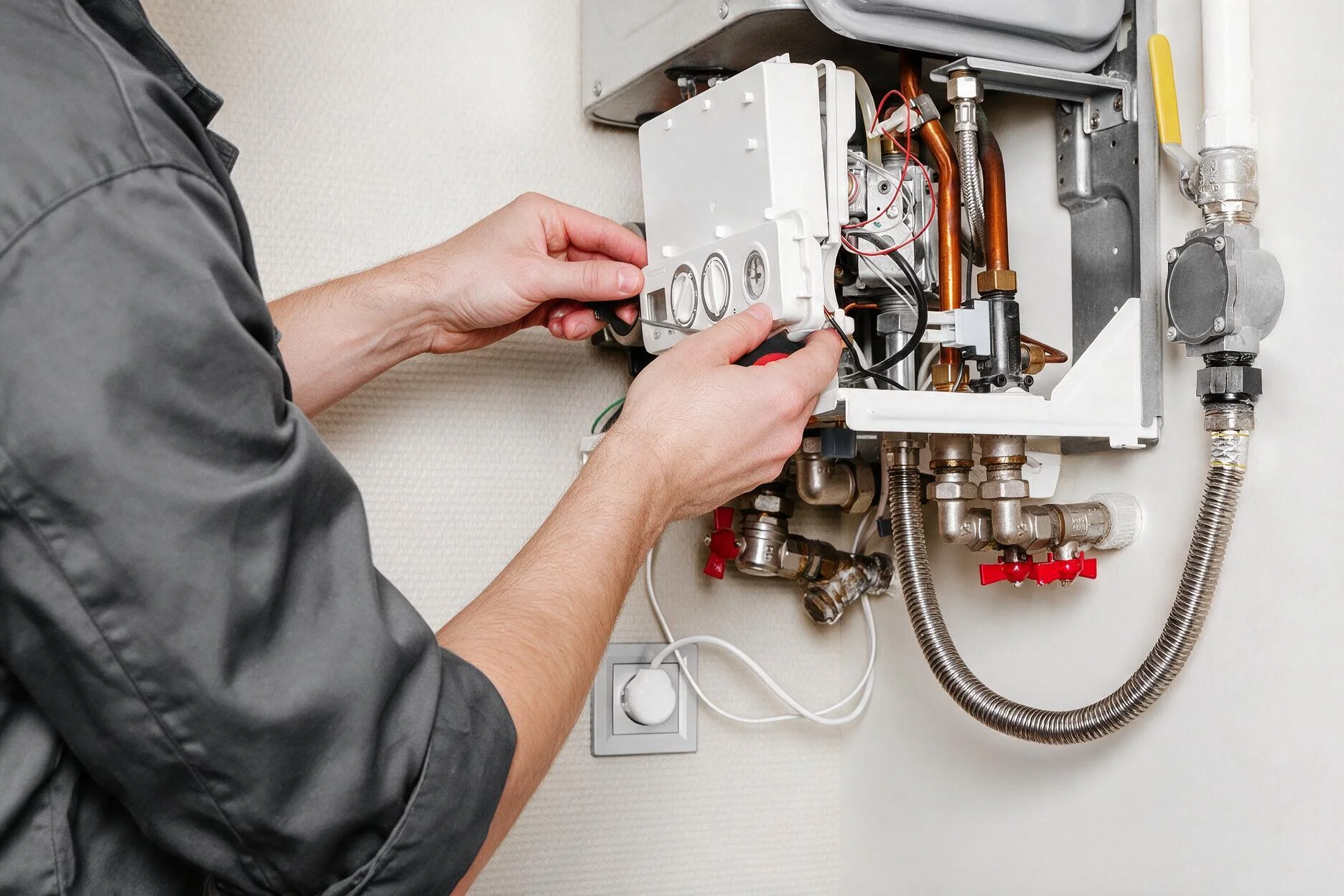
Sometimes the cause is a component fault, a problem elsewhere in the heating system or an issue that was already present before the replacement. In other cases, poor commissioning, unsuitable settings or an installation problem may be contributing to the symptoms.
Knowing what to look for can help homeowners decide when to contact the installer and when professional boiler repair is appropriate.
If your recently installed boiler is not performing as expected, contact Origin GPH for professional advice and an assessment of the issue.
Should a new boiler need repairs soon after installation?
A new boiler can occasionally develop a fault, just like any other mechanical appliance. However, repeated problems shortly after installation should not simply be dismissed.
The first step is to establish what is actually causing the problem.
Potential causes include:
- A faulty component
- Incorrect system pressure
- Air or debris within the heating system
- A control issue
- Poor circulation
- An installation fault
- An issue with the flue or condensate arrangement
- Incorrect settings
- A problem elsewhere in the heating system
A qualified engineer should assess the appliance and installation rather than assuming the boiler itself is defective.
What are the most common warning signs?
Some symptoms are relatively obvious, while others may be easy to overlook.
Watch for:
- Repeated boiler fault codes
- Loss of heating
- Inconsistent hot water
- Unusual noises
- Pressure repeatedly dropping
- Radiators failing to heat correctly
- Boiler repeatedly switching off
- Controls failing to operate as expected
- Water leaking from the system
- Unusual smells around the appliance
One isolated issue does not necessarily indicate poor installation. However, repeated symptoms or problems that began immediately after installation should be investigated.
Why can fault codes appear after installation?
A fault code is the boiler’s way of indicating that its control system has detected an abnormal condition.
The cause could be something as simple as a pressure issue or a problem with a sensor. It could also indicate a more significant technical fault.
The important point is that homeowners should not repeatedly reset the boiler without understanding why the fault is occurring.
If a new appliance repeatedly displays the same code, contact a suitably qualified professional. They can identify the cause and determine whether the issue relates to the boiler, heating system or installation.
What kind of fuel does your boiler use?
Mains Gas
LPG
It just takes 2 minutes
And then you can book a free consultation
Can poor commissioning cause boiler problems?
It can.
Commissioning is intended to confirm that the appliance has been installed and set up correctly and that it operates in accordance with the manufacturer’s requirements.
If commissioning has been incomplete or the wider heating system has not been properly assessed, problems may become apparent after the installer has left.
Possible symptoms could include:
|
Warning sign |
Possible area to investigate |
|
Boiler repeatedly locks out |
Appliance, gas supply or system issue |
|
Pressure keeps falling |
Heating circuit or pressure-related issue |
|
Poor hot water |
Boiler, controls or water supply |
|
Some radiators stay cold |
Circulation, balancing or system condition |
|
Boiler is unusually noisy |
Circulation, air or component issue |
|
Controls do not respond |
Thermostat, wiring or control configuration |
|
Condensate problems |
Drainage arrangement |
|
Recurring fault code |
Appliance or installation issue |
These are examples rather than diagnoses. The same symptom can have several possible causes.
What if the boiler loses pressure?
A small change in pressure can occur during normal operation, depending on the heating system.
However, repeated or significant pressure loss should be investigated.
Possible causes can include a leak, an issue with an expansion vessel, pressure relief components or another part of the heating circuit.
If you regularly need to repressurise the system, do not treat this as normal without asking why it is happening.
A professional engineer can assess the system and identify the underlying cause.
Why might radiators not heat properly after installation?
If the new boiler is working but some radiators remain cold, the boiler may not necessarily be the problem.
The issue could relate to:
- Air in the system
- Balancing
- Circulation
- Thermostatic radiator valves
- Sludge or debris
- Pump operation
- System configuration
This is particularly relevant when an older heating system has been connected to a new boiler.
A replacement appliance cannot automatically resolve every problem within the existing heating circuit. The system may need separate attention.
Origin GPH can assess heating problems and help identify whether the issue relates to the new boiler, controls or the wider heating system. Speak to our team if your installation is not performing as expected.
Could controls cause apparent boiler faults?
Yes.
Modern heating systems can include programmers, room thermostats and smart controls. If the controls are incorrectly configured or not communicating properly with the boiler, the homeowner may believe the appliance itself is faulty.
For example, a heating schedule may prevent the boiler from operating at a particular time, or a thermostat may not be calling for heat correctly.
This is why the installer should demonstrate the controls during handover.
Before assuming the boiler requires a repair, check whether the control settings are correct. If you are unsure, ask a qualified professional to investigate.
When should you contact the installer?
If a problem appears soon after installation, contacting the original installer is often a sensible first step.
They are familiar with the work completed and can establish whether the symptom relates to the installation, commissioning or a separate appliance issue.
Contact the installer if:
- The same fault keeps returning.
- The boiler stops providing heating or hot water.
- Pressure repeatedly falls.
- A leak develops.
- Controls do not operate correctly.
- Fault codes continue to appear.
- The system behaves differently from what was demonstrated during handover.
Keep records of fault codes, dates and symptoms. This information can help the engineer identify patterns more quickly.
Is a boiler fault always caused by poor installation?
No.
A newly installed boiler can experience a component fault, and some issues may be unrelated to the installation itself.
For example, a sensor or electronic component can fail unexpectedly. Similarly, an existing heating system may have a problem that only becomes apparent after the new appliance is connected.
It is therefore important to avoid making assumptions.
A professional assessment should establish whether the issue involves the appliance, installation, controls, heating system or another component.
What should you do if you suspect a gas safety issue?
Gas safety concerns should always be treated seriously.
Do not attempt to dismantle the boiler, inspect internal components or modify gas pipework yourself.
If you notice a suspected gas leak or have concerns about the safe operation of a gas appliance, follow appropriate emergency gas safety guidance and contact the relevant qualified professional.
Gas appliances and gas work should be dealt with by appropriately qualified Gas Safe registered engineers.
If the problem is a normal operational fault rather than an immediate safety concern, arrange an assessment with a suitably qualified engineer.
What records should you keep after installation?
Keeping good records can make future troubleshooting much easier.
Retain:
- Boiler model and serial information
- Installation documents
- Commissioning records
- Warranty information
- Service records
- Previous fault codes
- Details of repairs
- Installer contact information
If you need boiler repair Glasgow homeowners can arrange through a qualified professional, having this information available can help the engineer understand the appliance’s history.
It is also useful if a warranty claim becomes necessary.
A typical Glasgow example
Consider a homeowner who has recently replaced an older boiler. Within several weeks, the new appliance begins showing an intermittent fault code and the heating occasionally stops.
Rather than repeatedly resetting the appliance, the homeowner records the fault code and contacts the installer.
The engineer checks the boiler, system pressure, controls and wider heating circuit. The investigation identifies an issue that can be addressed without replacing the entire boiler.
The key lesson is that recurring symptoms should be investigated early. A new boiler problem does not automatically mean the appliance itself needs replacing.
How can you reduce the risk of future problems?
Good installation is the starting point, but ongoing care also matters.
Homeowners should:
- Follow the manufacturer’s operating guidance.
- Arrange servicing at the recommended intervals.
- Keep the boiler area accessible.
- Avoid blocking ventilation or flue terminals.
- Pay attention to recurring fault codes.
- Report leaks promptly.
- Keep installation and servicing records.
- Ask questions if the system behaves unexpectedly.
These simple steps can make it easier to identify developing problems before they become more disruptive.
Frequently Asked Questions
A new boiler should not be expected to solve every problem within an existing heating system, but repeated faults after installation should never simply be ignored.
The symptoms can have many causes, from control settings and system pressure to component faults or installation issues. Proper diagnosis is therefore more useful than immediately blaming the boiler.
If you need boiler repair Glasgow, keeping your installation records and contacting a qualified professional promptly can help establish what has gone wrong and what needs to be done.
Origin GPH can provide practical guidance when a recently installed heating system is not performing as expected, helping homeowners understand the issue before deciding on the appropriate next step.
If your new boiler is showing recurring faults or your heating system is not operating as expected, contact Origin GPH to discuss the problem and arrange professional assistance.
Related articles
What kind of fuel does your boiler use?
Mains Gas
LPG
At a glance
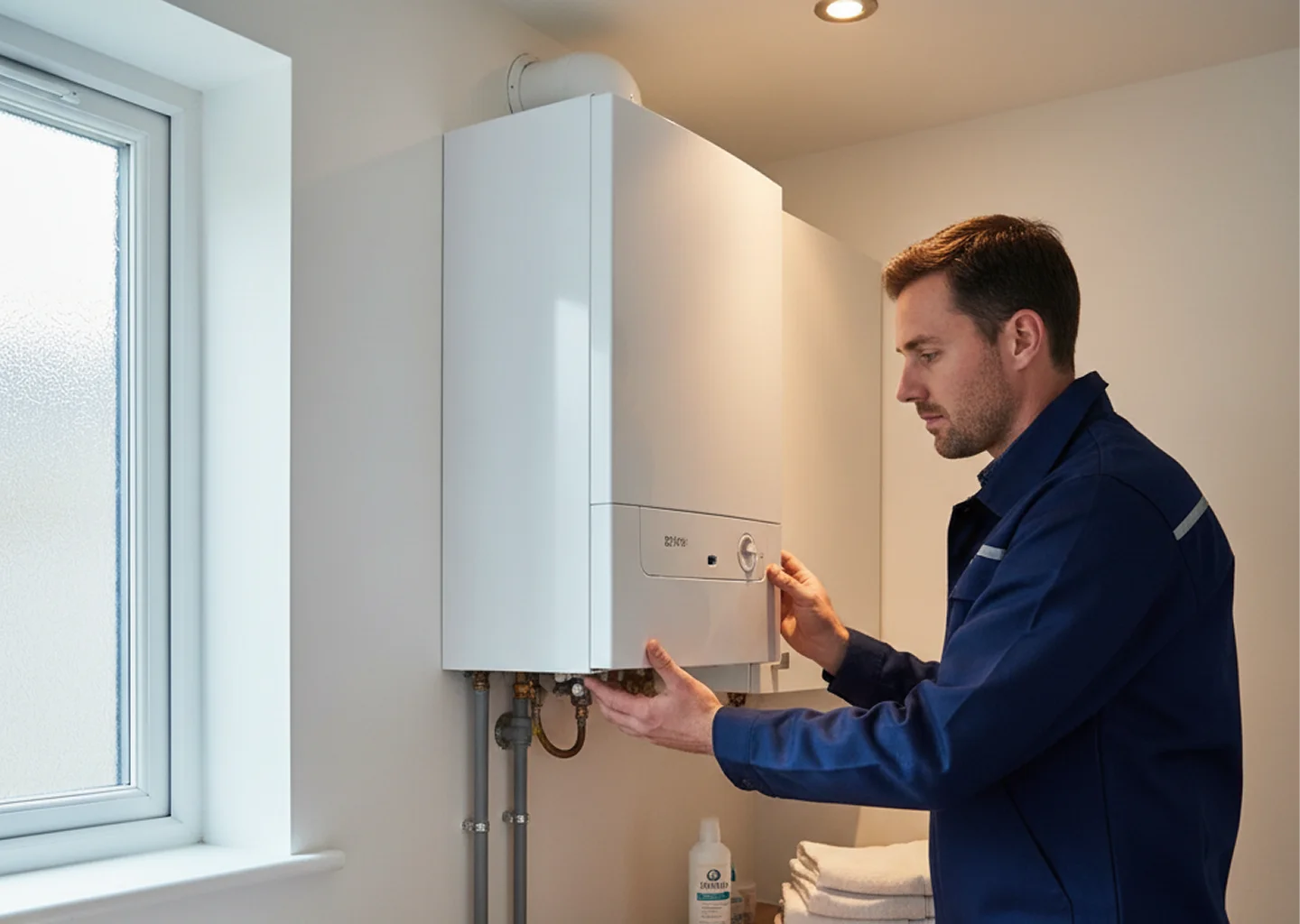
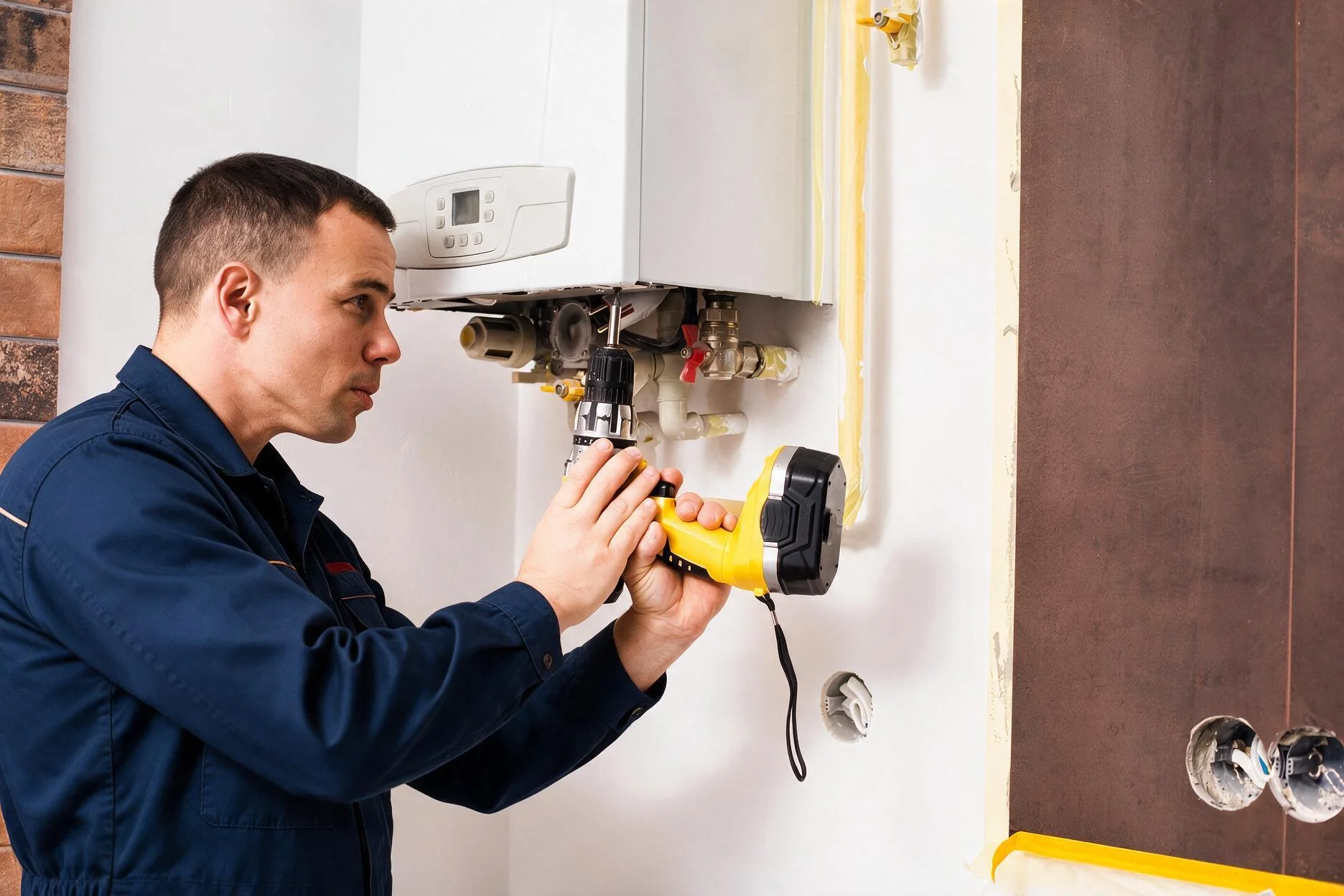
Sometimes the cause is a component fault, a problem elsewhere in the heating system or an issue that was already present before the replacement. In other cases, poor commissioning, unsuitable settings or an installation problem may be contributing to the symptoms.
Knowing what to look for can help homeowners decide when to contact the installer and when professional boiler repair is appropriate.
If your recently installed boiler is not performing as expected, contact Origin GPH for professional advice and an assessment of the issue.
Should a new boiler need repairs soon after installation?
A new boiler can occasionally develop a fault, just like any other mechanical appliance. However, repeated problems shortly after installation should not simply be dismissed.
The first step is to establish what is actually causing the problem.
Potential causes include:
- A faulty component
- Incorrect system pressure
- Air or debris within the heating system
- A control issue
- Poor circulation
- An installation fault
- An issue with the flue or condensate arrangement
- Incorrect settings
- A problem elsewhere in the heating system
A qualified engineer should assess the appliance and installation rather than assuming the boiler itself is defective.
What are the most common warning signs?
Some symptoms are relatively obvious, while others may be easy to overlook.
Watch for:
- Repeated boiler fault codes
- Loss of heating
- Inconsistent hot water
- Unusual noises
- Pressure repeatedly dropping
- Radiators failing to heat correctly
- Boiler repeatedly switching off
- Controls failing to operate as expected
- Water leaking from the system
- Unusual smells around the appliance
One isolated issue does not necessarily indicate poor installation. However, repeated symptoms or problems that began immediately after installation should be investigated.
Why can fault codes appear after installation?
A fault code is the boiler’s way of indicating that its control system has detected an abnormal condition.
The cause could be something as simple as a pressure issue or a problem with a sensor. It could also indicate a more significant technical fault.
The important point is that homeowners should not repeatedly reset the boiler without understanding why the fault is occurring.
If a new appliance repeatedly displays the same code, contact a suitably qualified professional. They can identify the cause and determine whether the issue relates to the boiler, heating system or installation.
What kind of fuel does your boiler use?
Mains Gas
LPG
It just takes 2 minutes
And then you can book a free consultation
Can poor commissioning cause boiler problems?
It can.
Commissioning is intended to confirm that the appliance has been installed and set up correctly and that it operates in accordance with the manufacturer’s requirements.
If commissioning has been incomplete or the wider heating system has not been properly assessed, problems may become apparent after the installer has left.
Possible symptoms could include:
|
Warning sign |
Possible area to investigate |
|
Boiler repeatedly locks out |
Appliance, gas supply or system issue |
|
Pressure keeps falling |
Heating circuit or pressure-related issue |
|
Poor hot water |
Boiler, controls or water supply |
|
Some radiators stay cold |
Circulation, balancing or system condition |
|
Boiler is unusually noisy |
Circulation, air or component issue |
|
Controls do not respond |
Thermostat, wiring or control configuration |
|
Condensate problems |
Drainage arrangement |
|
Recurring fault code |
Appliance or installation issue |
These are examples rather than diagnoses. The same symptom can have several possible causes.
What if the boiler loses pressure?
A small change in pressure can occur during normal operation, depending on the heating system.
However, repeated or significant pressure loss should be investigated.
Possible causes can include a leak, an issue with an expansion vessel, pressure relief components or another part of the heating circuit.
If you regularly need to repressurise the system, do not treat this as normal without asking why it is happening.
A professional engineer can assess the system and identify the underlying cause.
Why might radiators not heat properly after installation?
If the new boiler is working but some radiators remain cold, the boiler may not necessarily be the problem.
The issue could relate to:
- Air in the system
- Balancing
- Circulation
- Thermostatic radiator valves
- Sludge or debris
- Pump operation
- System configuration
This is particularly relevant when an older heating system has been connected to a new boiler.
A replacement appliance cannot automatically resolve every problem within the existing heating circuit. The system may need separate attention.
Origin GPH can assess heating problems and help identify whether the issue relates to the new boiler, controls or the wider heating system. Speak to our team if your installation is not performing as expected.
Could controls cause apparent boiler faults?
Yes.
Modern heating systems can include programmers, room thermostats and smart controls. If the controls are incorrectly configured or not communicating properly with the boiler, the homeowner may believe the appliance itself is faulty.
For example, a heating schedule may prevent the boiler from operating at a particular time, or a thermostat may not be calling for heat correctly.
This is why the installer should demonstrate the controls during handover.
Before assuming the boiler requires a repair, check whether the control settings are correct. If you are unsure, ask a qualified professional to investigate.
When should you contact the installer?
If a problem appears soon after installation, contacting the original installer is often a sensible first step.
They are familiar with the work completed and can establish whether the symptom relates to the installation, commissioning or a separate appliance issue.
Contact the installer if:
- The same fault keeps returning.
- The boiler stops providing heating or hot water.
- Pressure repeatedly falls.
- A leak develops.
- Controls do not operate correctly.
- Fault codes continue to appear.
- The system behaves differently from what was demonstrated during handover.
Keep records of fault codes, dates and symptoms. This information can help the engineer identify patterns more quickly.
Is a boiler fault always caused by poor installation?
No.
A newly installed boiler can experience a component fault, and some issues may be unrelated to the installation itself.
For example, a sensor or electronic component can fail unexpectedly. Similarly, an existing heating system may have a problem that only becomes apparent after the new appliance is connected.
It is therefore important to avoid making assumptions.
A professional assessment should establish whether the issue involves the appliance, installation, controls, heating system or another component.
What should you do if you suspect a gas safety issue?
Gas safety concerns should always be treated seriously.
Do not attempt to dismantle the boiler, inspect internal components or modify gas pipework yourself.
If you notice a suspected gas leak or have concerns about the safe operation of a gas appliance, follow appropriate emergency gas safety guidance and contact the relevant qualified professional.
Gas appliances and gas work should be dealt with by appropriately qualified Gas Safe registered engineers.
If the problem is a normal operational fault rather than an immediate safety concern, arrange an assessment with a suitably qualified engineer.
What records should you keep after installation?
Keeping good records can make future troubleshooting much easier.
Retain:
- Boiler model and serial information
- Installation documents
- Commissioning records
- Warranty information
- Service records
- Previous fault codes
- Details of repairs
- Installer contact information
If you need boiler repair Glasgow homeowners can arrange through a qualified professional, having this information available can help the engineer understand the appliance’s history.
It is also useful if a warranty claim becomes necessary.
A typical Glasgow example
Consider a homeowner who has recently replaced an older boiler. Within several weeks, the new appliance begins showing an intermittent fault code and the heating occasionally stops.
Rather than repeatedly resetting the appliance, the homeowner records the fault code and contacts the installer.
The engineer checks the boiler, system pressure, controls and wider heating circuit. The investigation identifies an issue that can be addressed without replacing the entire boiler.
The key lesson is that recurring symptoms should be investigated early. A new boiler problem does not automatically mean the appliance itself needs replacing.
How can you reduce the risk of future problems?
Good installation is the starting point, but ongoing care also matters.
Homeowners should:
- Follow the manufacturer’s operating guidance.
- Arrange servicing at the recommended intervals.
- Keep the boiler area accessible.
- Avoid blocking ventilation or flue terminals.
- Pay attention to recurring fault codes.
- Report leaks promptly.
- Keep installation and servicing records.
- Ask questions if the system behaves unexpectedly.
These simple steps can make it easier to identify developing problems before they become more disruptive.
Frequently Asked Questions
A new boiler should not be expected to solve every problem within an existing heating system, but repeated faults after installation should never simply be ignored.
The symptoms can have many causes, from control settings and system pressure to component faults or installation issues. Proper diagnosis is therefore more useful than immediately blaming the boiler.
If you need boiler repair Glasgow, keeping your installation records and contacting a qualified professional promptly can help establish what has gone wrong and what needs to be done.
Origin GPH can provide practical guidance when a recently installed heating system is not performing as expected, helping homeowners understand the issue before deciding on the appropriate next step.
If your new boiler is showing recurring faults or your heating system is not operating as expected, contact Origin GPH to discuss the problem and arrange professional assistance.