Boiler Repair Glasgow: When a Fault Is a Warning to Upgrade
A boiler fault does not automatically mean that the appliance needs replacing. Many problems can be diagnosed and repaired, allowing a boiler to continue providing reliable heating and hot water for years.

Why you can trust our content
We understand that the boiler industry can be confusing, with plenty of outdated or misleading information. That’s why we rely only on trusted, proven sources to guide our advice and installations:
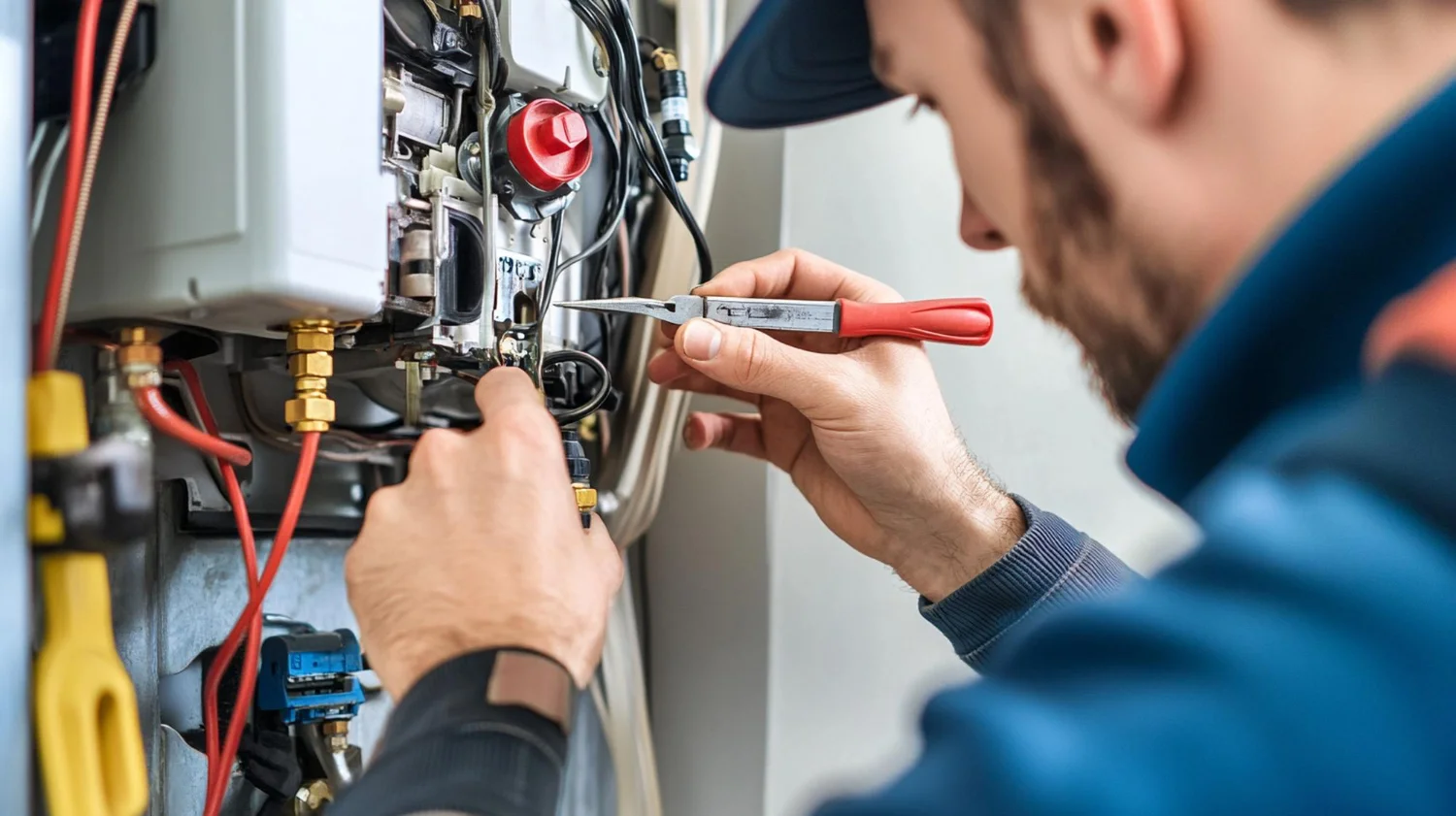
The situation changes when faults become frequent, repair bills start accumulating or the appliance no longer performs as it should. At that point, another repair may only provide a temporary solution rather than addressing a wider reliability problem.
Understanding the difference between an isolated fault and a pattern of deterioration can help homeowners decide when it is sensible to start considering an upgrade.
If your boiler has developed a fault and you are unsure whether repair or replacement is the better option, Origin GPH can assess the system and provide practical advice based on its condition.
When Is a Boiler Fault More Than Just a Repair Job?
The nature of the fault is the first consideration.
A boiler can experience an isolated issue without being at the end of its useful service life. A faulty component, pressure problem or control issue may be repairable without requiring replacement.
However, repeated problems can tell a different story.
Warning signs that deserve closer attention include:
- Several breakdowns within a short period
- Increasing repair bills
- Frequent loss of boiler pressure
- Unusual or worsening noises
- Inconsistent hot water
- Radiators taking longer to heat
- Recurring error codes
- Difficulty sourcing replacement components
One warning sign does not necessarily mean replacement is required. The overall condition of the appliance should be assessed before making a decision.
How Can You Tell Whether Repair Is Still Worthwhile?
A sensible repair decision should consider more than the immediate fault.
Ask:
- What caused the current problem?
- How old is the boiler?
- How often has it needed attention?
- What have previous repairs cost?
- Are replacement parts readily available?
- Is the boiler still suitable for the property?
- Could another repair provide several more years of reliable service?
For example, repairing a relatively well-maintained boiler with an isolated fault may be perfectly reasonable.
An older appliance that has developed several unrelated faults presents a different situation. In that case, the latest repair may need to be considered alongside the likelihood of future problems.
What kind of fuel does your boiler use?
Mains Gas
LPG
It just takes 2 minutes
And then you can book a free consultation
Does Boiler Age Mean It Should Be Replaced?
Not by itself.
There is no universal age at which every boiler should be removed. Some older appliances can continue operating reliably when properly maintained, while a newer appliance may experience problems that require attention.
Age becomes more relevant when combined with other factors.
An ageing boiler that is increasingly unreliable, inefficient or expensive to repair may no longer represent good long-term value. If it is also becoming difficult to source parts for, replacement may become a more practical option.
The decision should therefore be based on condition and performance rather than age alone.
Could Repeated Boiler Repair Be a Sign to Upgrade?
Yes, particularly when repairs are becoming a regular occurrence.
The purpose of boiler repair Glasgow homeowners arrange is to restore safe and reliable operation. When the same appliance requires repeated intervention, however, it is worth asking whether continued investment remains sensible.
Consider the pattern of faults rather than looking at each repair separately.
|
Situation |
What it may suggest |
|
One minor fault |
Repair may be appropriate |
|
Occasional repair with reliable performance |
Continued maintenance may make sense |
|
Several faults in a short period |
Consider a wider assessment |
|
Rising repair costs |
Compare repair with replacement |
|
Poor heating or hot water performance |
Check the whole system |
|
Parts becoming difficult to source |
Replacement may be worth investigating |
This does not mean that every repeated fault requires a new boiler. It means the appliance deserves a broader assessment.
What If the Boiler Keeps Losing Pressure?
Repeated pressure loss should not simply be treated as an inconvenience.
There can be several possible causes, including leaks, component faults or issues elsewhere in the heating system.
Repeatedly topping up the pressure without identifying why it is falling can leave the underlying problem unresolved.
A qualified engineer should investigate the cause and explain whether the issue is repairable. If pressure problems occur alongside other faults on an ageing appliance, they may contribute to the wider decision about replacement.
Can Unusual Boiler Noises Indicate a Bigger Problem?
Unusual noises should be investigated, particularly if they are new or becoming more frequent.
Banging, whistling, humming or kettling sounds can have different causes. Some may be relatively straightforward to resolve, while others can indicate problems involving components, water circulation or system condition.
The sound itself is not enough to determine whether a boiler needs replacing.
A professional assessment can identify the underlying cause and establish whether repair is appropriate.
Origin GPH can help diagnose boiler problems and explain the practical options available, including whether continued repair is sensible or whether replacement should be considered.
When Do Repair Costs Start to Change the Decision?
There is no fixed financial threshold that applies to every boiler.
Instead, look at the relationship between the repair cost and the overall condition of the appliance.
For instance, a modest repair on a reliable boiler may be a sensible investment. A substantial repair on an ageing appliance that has already required several interventions may deserve more careful consideration.
Keep a record of significant repairs. Looking back over the previous year or two can reveal whether the boiler is becoming increasingly expensive to maintain.
This information can be useful when discussing replacement with an installer.
Could Your Boiler No Longer Suit Your Household?
Yes. Household requirements can change significantly over the life of a boiler.
A property may have gained an additional bathroom, the number of occupants may have increased or hot water usage may have changed.
An appliance that was appropriate when originally installed may therefore no longer provide the performance the household expects.
When replacement is being considered, the installer should assess current heating and hot water requirements rather than simply recommending a boiler based on the existing model.
What Should You Do After a Major Boiler Fault?
Do not automatically assume that replacement is necessary.
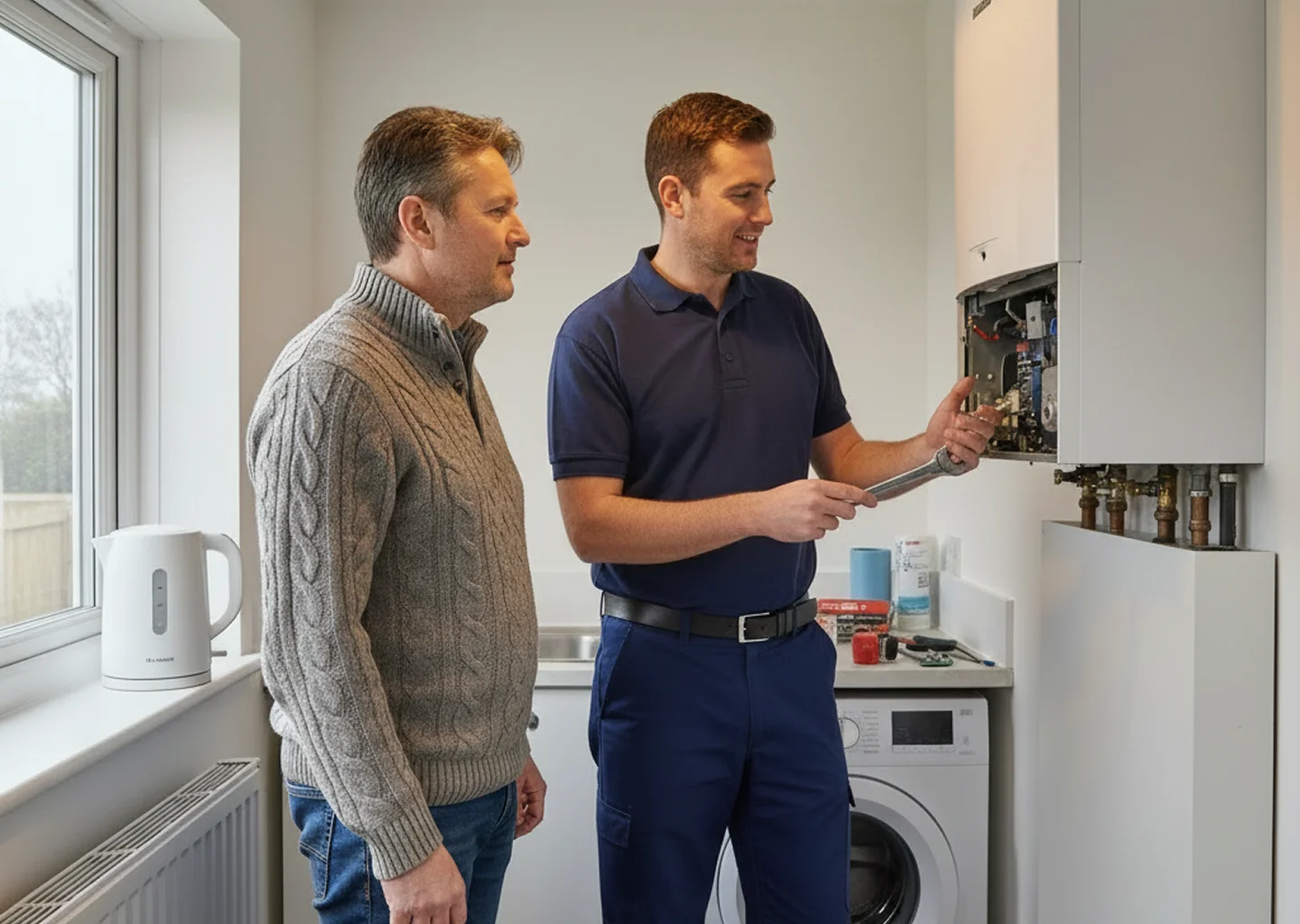
Start by arranging a proper diagnosis. Once the cause of the fault is understood, ask about the condition of the appliance as a whole.
If the boiler is relatively reliable and the fault is isolated, repair may be the most sensible route.
If the appliance is ageing and has a history of repeated problems, ask whether replacement would provide better long-term value.
This approach avoids making a major purchase based solely on the stress of a breakdown.
A Typical Homeowner Scenario
Consider a homeowner whose boiler has stopped working during a cold period. The appliance has already required several repairs over the previous year.
The engineer diagnoses the immediate fault and confirms that it can be repaired. However, the homeowner also asks about the condition of the boiler overall.
After reviewing its age, repair history and performance, the homeowner decides to investigate replacement rather than continuing with repeated repairs.
The immediate fault can be dealt with while a planned replacement is arranged, reducing the pressure associated with making a rushed decision.
Should You Repair First or Request a Replacement Quote?
If the fault is repairable, there may be value in restoring the existing boiler while you consider the longer-term position.
A replacement quotation can then provide useful information without requiring an immediate decision.
For homeowners researching boiler repair Glasgow services, this approach can be particularly useful when the existing appliance is becoming unreliable but has not completely failed.
A quotation can establish the likely boiler specification, installation requirements and project cost, allowing you to compare the options more objectively.
When Is a Boiler Upgrade the More Sensible Choice?
Replacement may be worth considering when several factors overlap:
- Frequent breakdowns
- Increasing repair expenditure
- Declining heating performance
- Inconsistent hot water
- Difficulty sourcing parts
- Ageing components
- Changing household requirements
- Concerns about future reliability
None of these factors automatically requires a new boiler. Together, however, they can indicate that continued repair may no longer be the best long-term strategy.
If your boiler has developed repeated faults, contact Origin GPH for professional guidance. The team can assess your existing system and help you understand whether repair or replacement is the more appropriate next step.
Frequently Asked Questions
A boiler fault is not necessarily a reason to replace the appliance. Repair can often be the right solution, particularly when the problem is isolated and the boiler remains in good overall condition.
The decision becomes more complicated when faults keep returning. At that point, looking at the appliance’s age, repair history, performance and suitability can provide a much clearer picture of whether continued investment makes sense.
Origin GPH can provide professional assessment and straightforward guidance, helping homeowners understand the cause of a fault and make a considered decision about the future of their heating system.
Related articles
What kind of fuel does your boiler use?
Mains Gas
LPG
At a glance
The situation changes when faults become frequent, repair bills start accumulating or the appliance no longer performs as it should. At that point, another repair may only provide a temporary solution rather than addressing a wider reliability problem.
Understanding the difference between an isolated fault and a pattern of deterioration can help homeowners decide when it is sensible to start considering an upgrade.
If your boiler has developed a fault and you are unsure whether repair or replacement is the better option, Origin GPH can assess the system and provide practical advice based on its condition.
When Is a Boiler Fault More Than Just a Repair Job?
The nature of the fault is the first consideration.
A boiler can experience an isolated issue without being at the end of its useful service life. A faulty component, pressure problem or control issue may be repairable without requiring replacement.
However, repeated problems can tell a different story.
Warning signs that deserve closer attention include:
- Several breakdowns within a short period
- Increasing repair bills
- Frequent loss of boiler pressure
- Unusual or worsening noises
- Inconsistent hot water
- Radiators taking longer to heat
- Recurring error codes
- Difficulty sourcing replacement components
One warning sign does not necessarily mean replacement is required. The overall condition of the appliance should be assessed before making a decision.
How Can You Tell Whether Repair Is Still Worthwhile?
A sensible repair decision should consider more than the immediate fault.
Ask:
- What caused the current problem?
- How old is the boiler?
- How often has it needed attention?
- What have previous repairs cost?
- Are replacement parts readily available?
- Is the boiler still suitable for the property?
- Could another repair provide several more years of reliable service?
For example, repairing a relatively well-maintained boiler with an isolated fault may be perfectly reasonable.
An older appliance that has developed several unrelated faults presents a different situation. In that case, the latest repair may need to be considered alongside the likelihood of future problems.
What kind of fuel does your boiler use?
Mains Gas
LPG
It just takes 2 minutes
And then you can book a free consultation
Does Boiler Age Mean It Should Be Replaced?
Not by itself.
There is no universal age at which every boiler should be removed. Some older appliances can continue operating reliably when properly maintained, while a newer appliance may experience problems that require attention.
Age becomes more relevant when combined with other factors.
An ageing boiler that is increasingly unreliable, inefficient or expensive to repair may no longer represent good long-term value. If it is also becoming difficult to source parts for, replacement may become a more practical option.
The decision should therefore be based on condition and performance rather than age alone.
Could Repeated Boiler Repair Be a Sign to Upgrade?
Yes, particularly when repairs are becoming a regular occurrence.
The purpose of boiler repair Glasgow homeowners arrange is to restore safe and reliable operation. When the same appliance requires repeated intervention, however, it is worth asking whether continued investment remains sensible.
Consider the pattern of faults rather than looking at each repair separately.
|
Situation |
What it may suggest |
|
One minor fault |
Repair may be appropriate |
|
Occasional repair with reliable performance |
Continued maintenance may make sense |
|
Several faults in a short period |
Consider a wider assessment |
|
Rising repair costs |
Compare repair with replacement |
|
Poor heating or hot water performance |
Check the whole system |
|
Parts becoming difficult to source |
Replacement may be worth investigating |
This does not mean that every repeated fault requires a new boiler. It means the appliance deserves a broader assessment.
What If the Boiler Keeps Losing Pressure?
Repeated pressure loss should not simply be treated as an inconvenience.
There can be several possible causes, including leaks, component faults or issues elsewhere in the heating system.
Repeatedly topping up the pressure without identifying why it is falling can leave the underlying problem unresolved.
A qualified engineer should investigate the cause and explain whether the issue is repairable. If pressure problems occur alongside other faults on an ageing appliance, they may contribute to the wider decision about replacement.
Can Unusual Boiler Noises Indicate a Bigger Problem?
Unusual noises should be investigated, particularly if they are new or becoming more frequent.
Banging, whistling, humming or kettling sounds can have different causes. Some may be relatively straightforward to resolve, while others can indicate problems involving components, water circulation or system condition.
The sound itself is not enough to determine whether a boiler needs replacing.
A professional assessment can identify the underlying cause and establish whether repair is appropriate.
Origin GPH can help diagnose boiler problems and explain the practical options available, including whether continued repair is sensible or whether replacement should be considered.
When Do Repair Costs Start to Change the Decision?
There is no fixed financial threshold that applies to every boiler.
Instead, look at the relationship between the repair cost and the overall condition of the appliance.
For instance, a modest repair on a reliable boiler may be a sensible investment. A substantial repair on an ageing appliance that has already required several interventions may deserve more careful consideration.
Keep a record of significant repairs. Looking back over the previous year or two can reveal whether the boiler is becoming increasingly expensive to maintain.
This information can be useful when discussing replacement with an installer.
Could Your Boiler No Longer Suit Your Household?
Yes. Household requirements can change significantly over the life of a boiler.
A property may have gained an additional bathroom, the number of occupants may have increased or hot water usage may have changed.
An appliance that was appropriate when originally installed may therefore no longer provide the performance the household expects.
When replacement is being considered, the installer should assess current heating and hot water requirements rather than simply recommending a boiler based on the existing model.
What Should You Do After a Major Boiler Fault?
Do not automatically assume that replacement is necessary.
Start by arranging a proper diagnosis. Once the cause of the fault is understood, ask about the condition of the appliance as a whole.
If the boiler is relatively reliable and the fault is isolated, repair may be the most sensible route.
If the appliance is ageing and has a history of repeated problems, ask whether replacement would provide better long-term value.
This approach avoids making a major purchase based solely on the stress of a breakdown.
A Typical Homeowner Scenario
Consider a homeowner whose boiler has stopped working during a cold period. The appliance has already required several repairs over the previous year.
The engineer diagnoses the immediate fault and confirms that it can be repaired. However, the homeowner also asks about the condition of the boiler overall.
After reviewing its age, repair history and performance, the homeowner decides to investigate replacement rather than continuing with repeated repairs.
The immediate fault can be dealt with while a planned replacement is arranged, reducing the pressure associated with making a rushed decision.
Should You Repair First or Request a Replacement Quote?
If the fault is repairable, there may be value in restoring the existing boiler while you consider the longer-term position.
A replacement quotation can then provide useful information without requiring an immediate decision.
For homeowners researching boiler repair Glasgow services, this approach can be particularly useful when the existing appliance is becoming unreliable but has not completely failed.
A quotation can establish the likely boiler specification, installation requirements and project cost, allowing you to compare the options more objectively.
When Is a Boiler Upgrade the More Sensible Choice?
Replacement may be worth considering when several factors overlap:
- Frequent breakdowns
- Increasing repair expenditure
- Declining heating performance
- Inconsistent hot water
- Difficulty sourcing parts
- Ageing components
- Changing household requirements
- Concerns about future reliability
None of these factors automatically requires a new boiler. Together, however, they can indicate that continued repair may no longer be the best long-term strategy.
If your boiler has developed repeated faults, contact Origin GPH for professional guidance. The team can assess your existing system and help you understand whether repair or replacement is the more appropriate next step.
Frequently Asked Questions
A boiler fault is not necessarily a reason to replace the appliance. Repair can often be the right solution, particularly when the problem is isolated and the boiler remains in good overall condition.
The decision becomes more complicated when faults keep returning. At that point, looking at the appliance’s age, repair history, performance and suitability can provide a much clearer picture of whether continued investment makes sense.
Origin GPH can provide professional assessment and straightforward guidance, helping homeowners understand the cause of a fault and make a considered decision about the future of their heating system.