
Boiler Repair or Install: How to Decide Before a Breakdown Gets Worse
When your boiler starts making unusual noises, struggles to heat your home or requires frequent attention, it’s natural to wonder whether it should be repaired or replaced. In many cases, acting early gives you more options than waiting until the system stops working completely.

Why you can trust our content
We understand that the boiler industry can be confusing, with plenty of outdated or misleading information. That’s why we rely only on trusted, proven sources to guide our advice and installations:
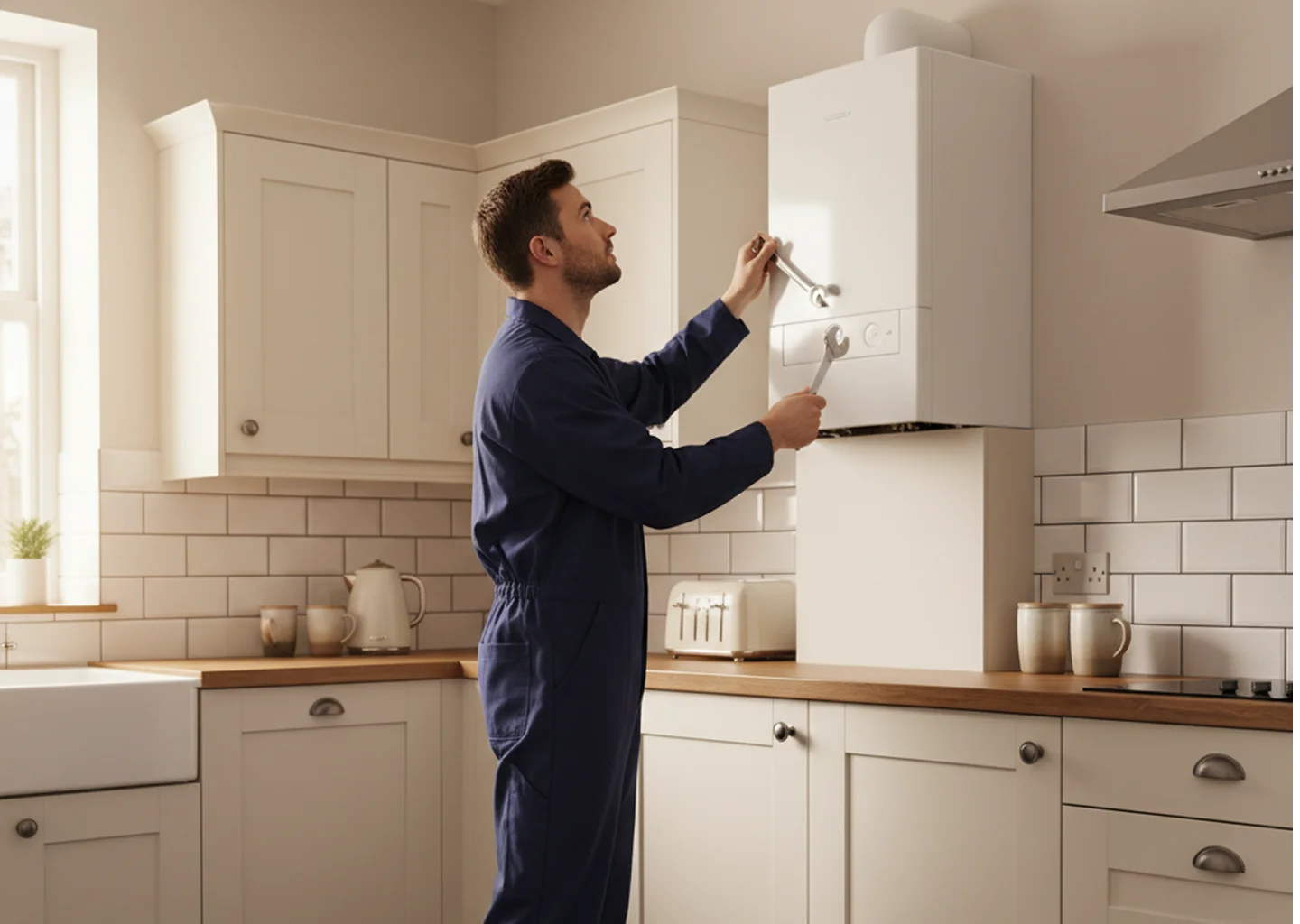
Every boiler reaches a point where ongoing repairs become less practical. However, not every fault means a replacement is necessary. Understanding the condition of your heating system, its age and the likely cost of future maintenance can help you make a confident decision before a minor issue develops into a major inconvenience.
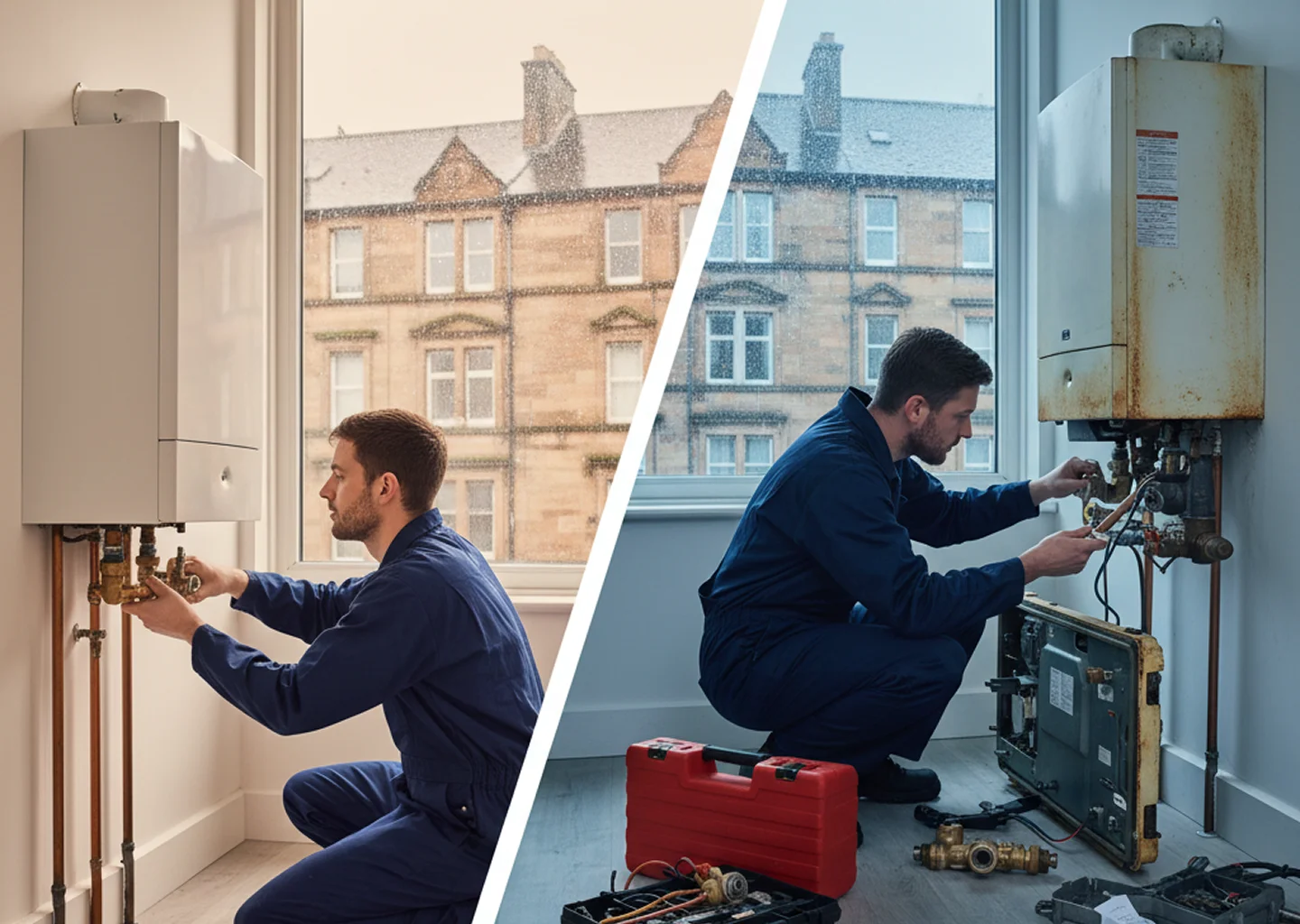
If you’re considering boiler repair, knowing what engineers look for during an inspection can help you understand whether repairing or replacing your boiler is the most sensible choice.
If your boiler has started showing signs of trouble, contact the team at Origin GPH to arrange a professional assessment and receive honest advice on the most suitable solution.
What are the first signs that your boiler needs attention?
Boilers often give early warning signs before a complete breakdown occurs. Recognising these symptoms can help prevent more serious problems later.
Common signs include:
- Unusual banging or whistling noises
- Inconsistent heating around the home
- Hot water taking longer to arrive
- Falling boiler pressure
- Frequent resetting
- Rising energy bills without increased usage
- Visible leaks around the boiler
While these issues don’t automatically mean replacement is required, they should be investigated by a qualified engineer.
Can a repair solve the problem?
In many situations, yes.
Some faults involve components that can be replaced without affecting the overall lifespan of the boiler.
Examples include:
|
Common Issue |
Possible Solution |
|
Faulty thermostat |
Replace or recalibrate the thermostat |
|
Low system pressure |
Identify and resolve the cause |
|
Worn pump |
Replace the component |
|
Faulty pressure relief valve |
Install a replacement valve |
|
Ignition problems |
Diagnose and repair ignition components |
|
Air within the system |
Bleed radiators or rebalance the system |
An inspection helps determine whether the fault is isolated or part of a wider issue affecting the heating system.
What kind of fuel does your boiler use?
Mains Gas
LPG
It just takes 2 minutes
And then you can book a free consultation
When is replacing the boiler the better option?
Although repairs are often worthwhile, there are times when replacement provides better long-term value.
You may wish to consider a new boiler if:
- The boiler is approaching the end of its expected lifespan.
- Repairs are becoming increasingly frequent.
- Replacement parts are difficult to source.
- Heating performance has noticeably declined.
- Energy efficiency is significantly lower than modern standards.
Rather than continuing to invest in repeated boiler repair, replacing an ageing appliance may provide greater reliability and improved efficiency.
Does the age of the boiler matter?
Yes.
While age alone doesn’t determine whether a boiler should be replaced, older appliances naturally experience more wear over time.
An engineer will consider:
- Overall condition
- Service history
- Frequency of faults
- Availability of replacement parts
- Efficiency compared with newer models
A well-maintained older boiler may still have useful service life remaining, whereas a neglected system could require replacement sooner.
Unsure whether repair or replacement is the right choice? Speak to Origin GPH for a professional inspection and practical advice based on the condition of your heating system.
Could delaying repairs make the problem worse?
In some cases, yes.
Small faults may gradually place additional strain on other components, leading to more extensive repairs later.
For example:
- A small leak may affect nearby parts.
- Low pressure can reduce heating performance.
- Sludge within the system may restrict circulation.
- Worn components may place extra demand on the boiler.
Arranging boiler repair Glasgow when problems first appear often prevents minor faults from becoming larger and more expensive issues.
A typical homeowner example
Imagine a homeowner whose boiler occasionally loses pressure during colder weather.
Initially, resetting the system seems to solve the issue. However, over the following months the boiler begins making unusual noises and heating becomes inconsistent.
Following a professional inspection, the engineer identifies several ageing components alongside signs of internal wear. After discussing the expected repair costs and future reliability, the homeowner decides that replacing the boiler offers the better long-term solution.
Because the issue was investigated before a complete breakdown, the replacement can be planned rather than carried out as an emergency.
What questions should you ask the engineer?
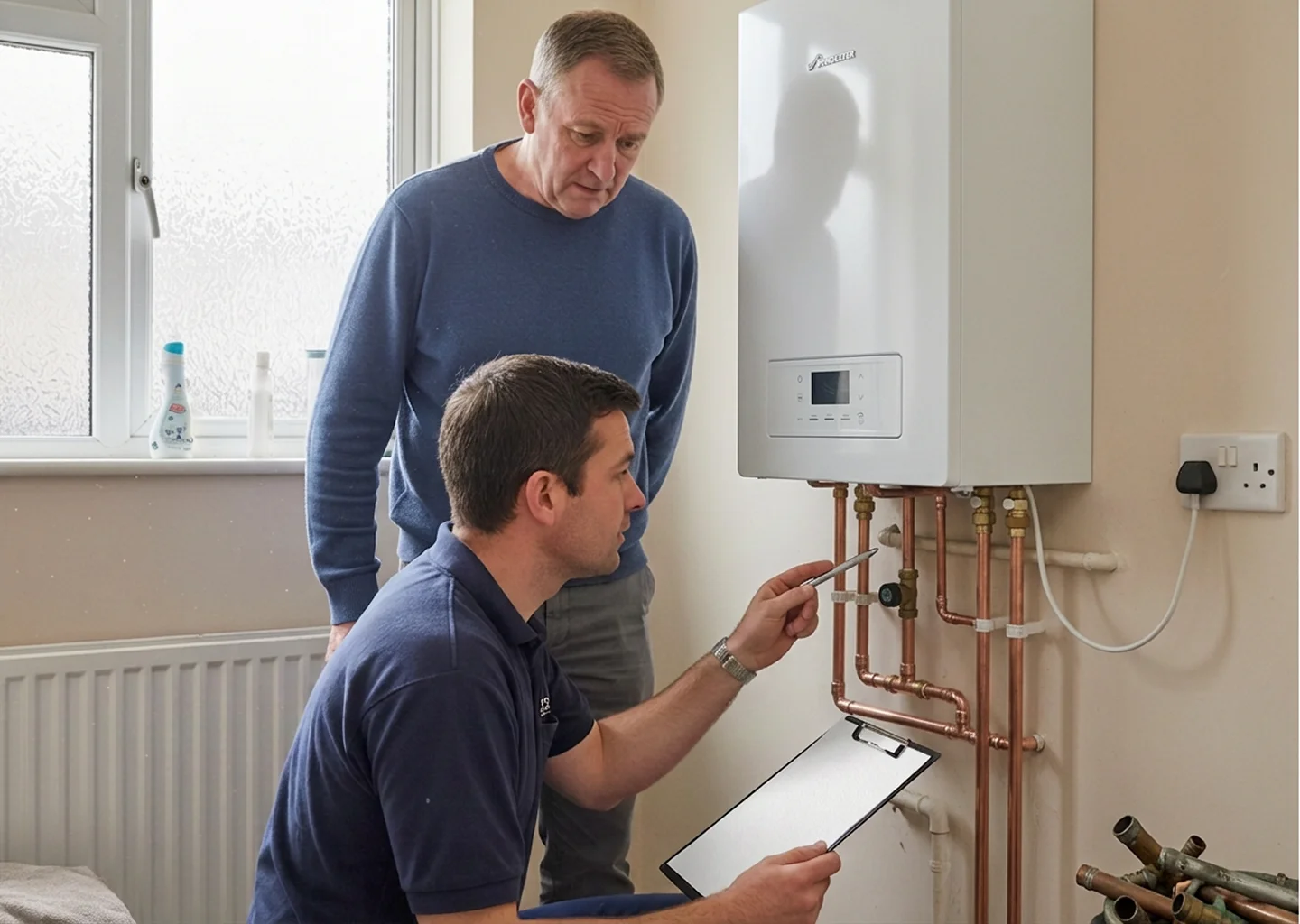
During the inspection, it’s helpful to understand the condition of your heating system before making a decision.
Consider asking:
- What has caused the fault?
- Is the repair likely to provide a long-term solution?
- Are additional faults likely to develop?
- How efficient is the current boiler?
- Are replacement parts readily available?
- Would replacing the boiler offer better long-term value?
Clear explanations allow you to weigh up both options with confidence.
How can regular servicing help?
Routine servicing doesn’t eliminate wear, but it can help identify potential problems before they become serious.
Benefits include:
- Early fault detection
- Improved efficiency
- Safe operation
- Better heating performance
- Opportunity to replace worn components before failure
Regular maintenance also provides a clearer picture of the overall condition of the heating system, making future decisions easier.
If you’re considering boiler repair Glasgow, a recent service history gives engineers valuable information during their assessment.
Frequently Asked Questions
If you’re deciding between repair and replacement, book an assessment with Origin GPH. Our experienced engineers will inspect your heating system, explain your options clearly and help you choose the most appropriate solution for your home.
Choosing between repairing and replacing your boiler isn’t always straightforward, but acting early gives you more flexibility and better information. By assessing the condition of your heating system before problems become more serious, you can make decisions based on reliability, efficiency and long-term value rather than urgency.
Whether your boiler needs a straightforward repair or it’s time to plan a replacement, professional advice is the best place to start. At Origin GPH, every assessment is carried out with care, helping homeowners understand their options and move forward with confidence.
Related articles

What kind of fuel does your boiler use?
Mains Gas
LPG
At a glance
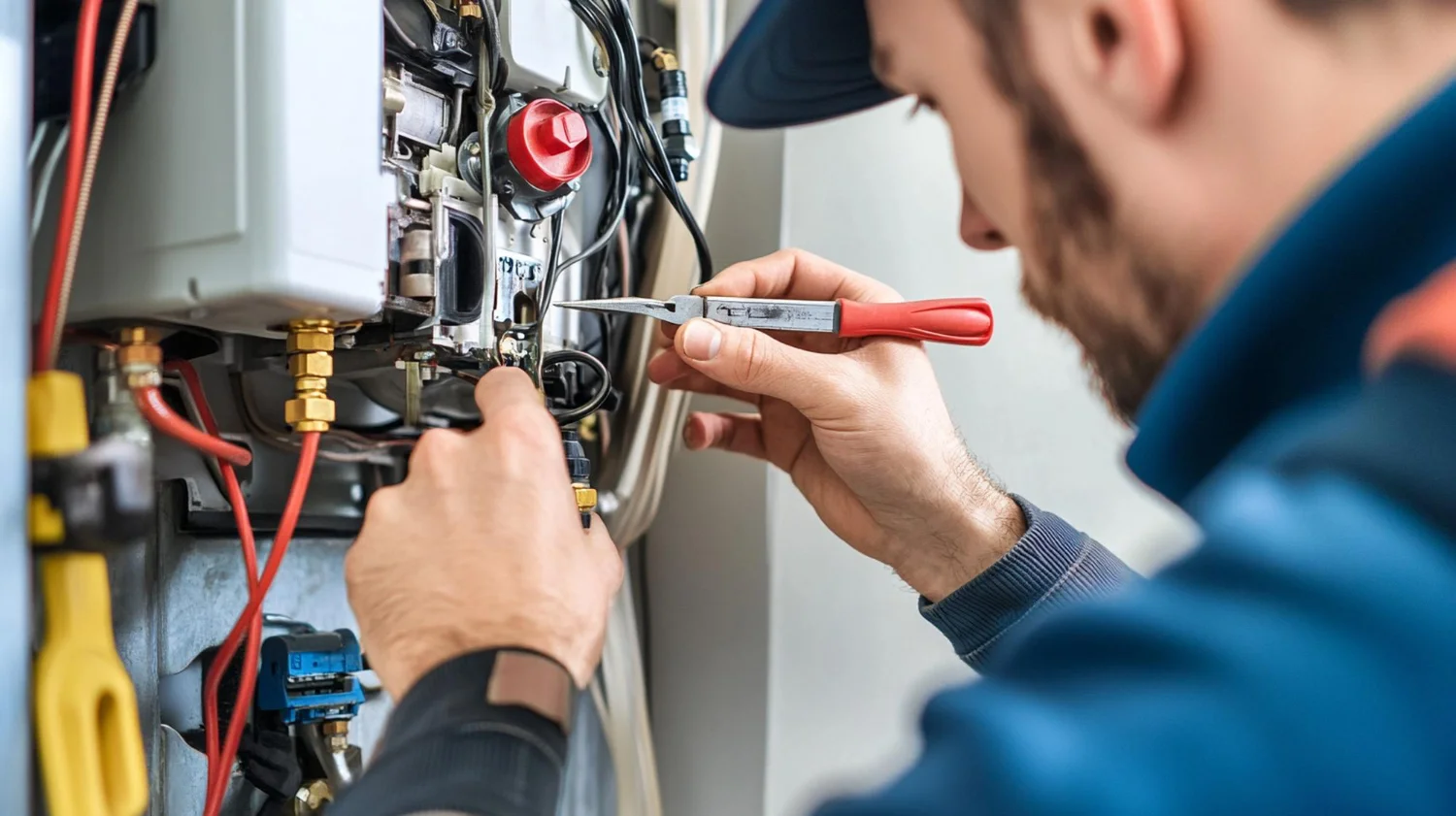
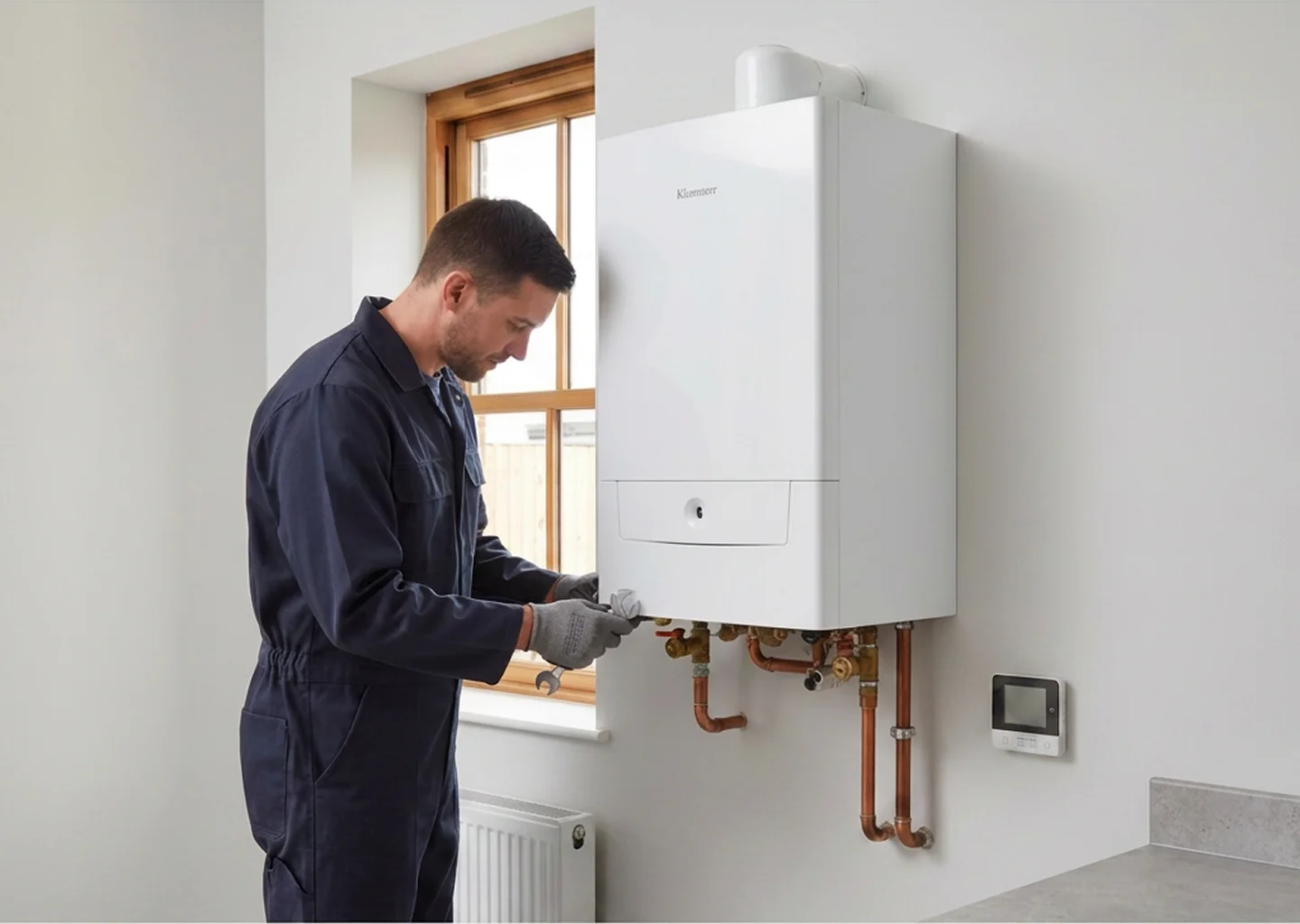
Every boiler reaches a point where ongoing repairs become less practical. However, not every fault means a replacement is necessary. Understanding the condition of your heating system, its age and the likely cost of future maintenance can help you make a confident decision before a minor issue develops into a major inconvenience.
If you’re considering boiler repair, knowing what engineers look for during an inspection can help you understand whether repairing or replacing your boiler is the most sensible choice.
If your boiler has started showing signs of trouble, contact the team at Origin GPH to arrange a professional assessment and receive honest advice on the most suitable solution.
What are the first signs that your boiler needs attention?
Boilers often give early warning signs before a complete breakdown occurs. Recognising these symptoms can help prevent more serious problems later.
Common signs include:
- Unusual banging or whistling noises
- Inconsistent heating around the home
- Hot water taking longer to arrive
- Falling boiler pressure
- Frequent resetting
- Rising energy bills without increased usage
- Visible leaks around the boiler
While these issues don’t automatically mean replacement is required, they should be investigated by a qualified engineer.
Can a repair solve the problem?
In many situations, yes.
Some faults involve components that can be replaced without affecting the overall lifespan of the boiler.
Examples include:
|
Common Issue |
Possible Solution |
|
Faulty thermostat |
Replace or recalibrate the thermostat |
|
Low system pressure |
Identify and resolve the cause |
|
Worn pump |
Replace the component |
|
Faulty pressure relief valve |
Install a replacement valve |
|
Ignition problems |
Diagnose and repair ignition components |
|
Air within the system |
Bleed radiators or rebalance the system |
An inspection helps determine whether the fault is isolated or part of a wider issue affecting the heating system.
What kind of fuel does your boiler use?
Mains Gas
LPG
It just takes 2 minutes
And then you can book a free consultation
When is replacing the boiler the better option?
Although repairs are often worthwhile, there are times when replacement provides better long-term value.
You may wish to consider a new boiler if:
- The boiler is approaching the end of its expected lifespan.
- Repairs are becoming increasingly frequent.
- Replacement parts are difficult to source.
- Heating performance has noticeably declined.
- Energy efficiency is significantly lower than modern standards.
Rather than continuing to invest in repeated boiler repair, replacing an ageing appliance may provide greater reliability and improved efficiency.
Does the age of the boiler matter?
Yes.
While age alone doesn’t determine whether a boiler should be replaced, older appliances naturally experience more wear over time.
An engineer will consider:
- Overall condition
- Service history
- Frequency of faults
- Availability of replacement parts
- Efficiency compared with newer models
A well-maintained older boiler may still have useful service life remaining, whereas a neglected system could require replacement sooner.
Unsure whether repair or replacement is the right choice? Speak to Origin GPH for a professional inspection and practical advice based on the condition of your heating system.
Could delaying repairs make the problem worse?
In some cases, yes.
Small faults may gradually place additional strain on other components, leading to more extensive repairs later.
For example:
- A small leak may affect nearby parts.
- Low pressure can reduce heating performance.
- Sludge within the system may restrict circulation.
- Worn components may place extra demand on the boiler.
Arranging boiler repair Glasgow when problems first appear often prevents minor faults from becoming larger and more expensive issues.
A typical homeowner example
Imagine a homeowner whose boiler occasionally loses pressure during colder weather.
Initially, resetting the system seems to solve the issue. However, over the following months the boiler begins making unusual noises and heating becomes inconsistent.
Following a professional inspection, the engineer identifies several ageing components alongside signs of internal wear. After discussing the expected repair costs and future reliability, the homeowner decides that replacing the boiler offers the better long-term solution.
Because the issue was investigated before a complete breakdown, the replacement can be planned rather than carried out as an emergency.
What questions should you ask the engineer?
During the inspection, it’s helpful to understand the condition of your heating system before making a decision.
Consider asking:
- What has caused the fault?
- Is the repair likely to provide a long-term solution?
- Are additional faults likely to develop?
- How efficient is the current boiler?
- Are replacement parts readily available?
- Would replacing the boiler offer better long-term value?
Clear explanations allow you to weigh up both options with confidence.
How can regular servicing help?
Routine servicing doesn’t eliminate wear, but it can help identify potential problems before they become serious.
Benefits include:
- Early fault detection
- Improved efficiency
- Safe operation
- Better heating performance
- Opportunity to replace worn components before failure
Regular maintenance also provides a clearer picture of the overall condition of the heating system, making future decisions easier.
If you’re considering boiler repair Glasgow, a recent service history gives engineers valuable information during their assessment.
Frequently Asked Questions
If you’re deciding between repair and replacement, book an assessment with Origin GPH. Our experienced engineers will inspect your heating system, explain your options clearly and help you choose the most appropriate solution for your home.
Choosing between repairing and replacing your boiler isn’t always straightforward, but acting early gives you more flexibility and better information. By assessing the condition of your heating system before problems become more serious, you can make decisions based on reliability, efficiency and long-term value rather than urgency.
Whether your boiler needs a straightforward repair or it’s time to plan a replacement, professional advice is the best place to start. At Origin GPH, every assessment is carried out with care, helping homeowners understand their options and move forward with confidence.