
Combi Boiler Replacement in Glasgow: When Pipework and Controls Need Upgrading
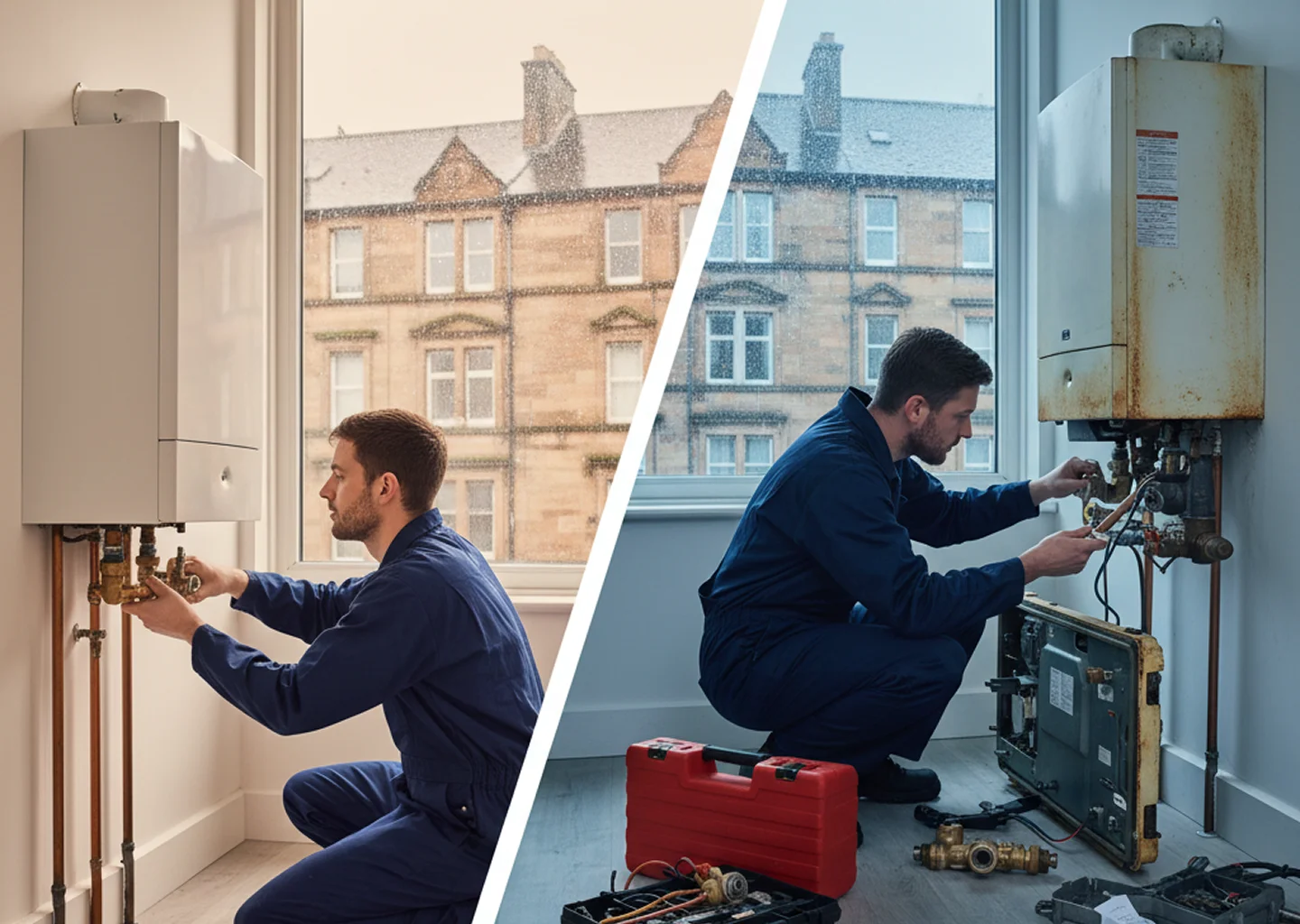
Replacing an ageing combi boiler is an excellent opportunity to improve the overall performance of your heating system. While many homeowners expect the work to involve only swapping one boiler for another, a professional installation often includes a careful assessment of the surrounding system.

Why you can trust our content
We understand that the boiler industry can be confusing, with plenty of outdated or misleading information. That’s why we rely only on trusted, proven sources to guide our advice and installations:
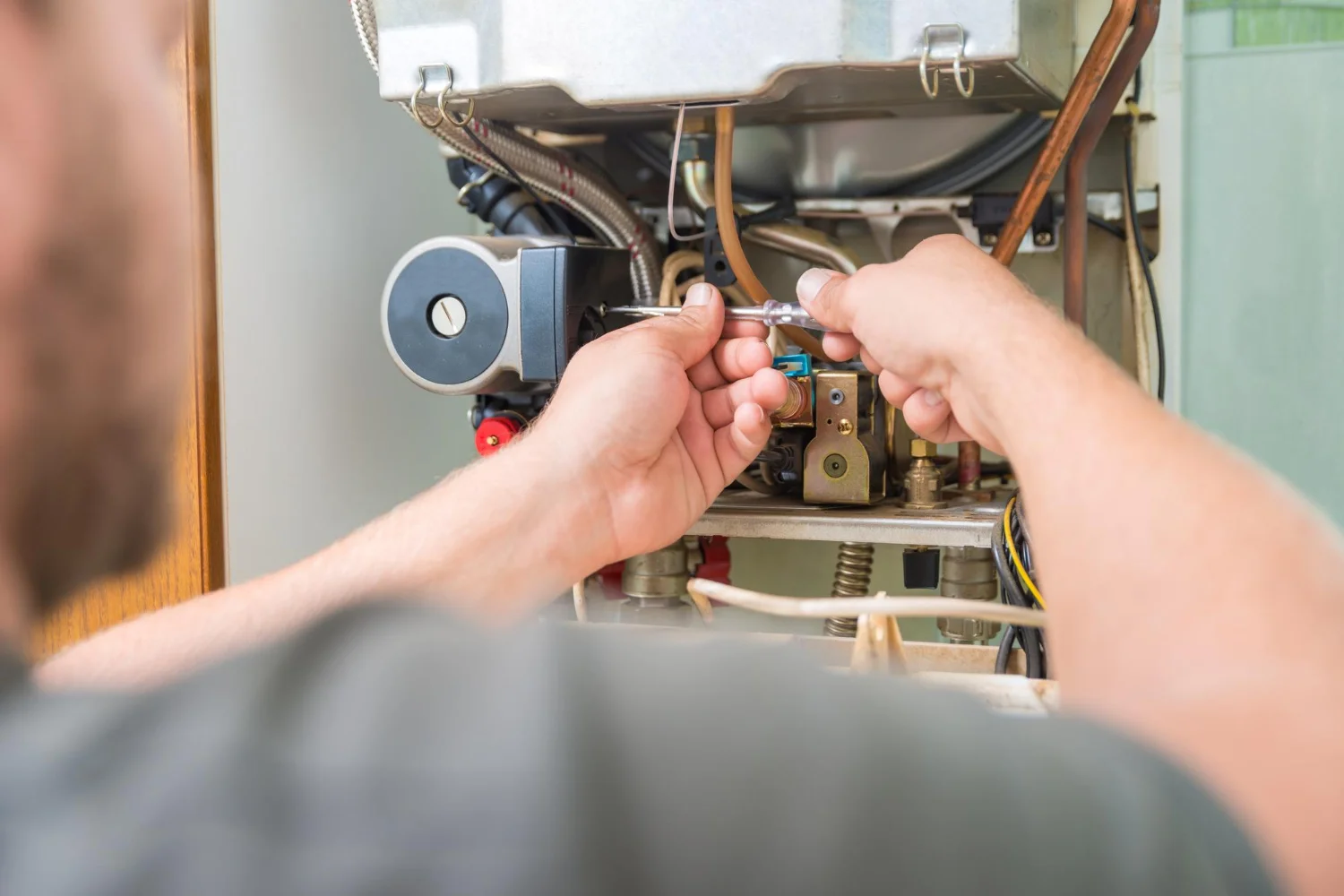
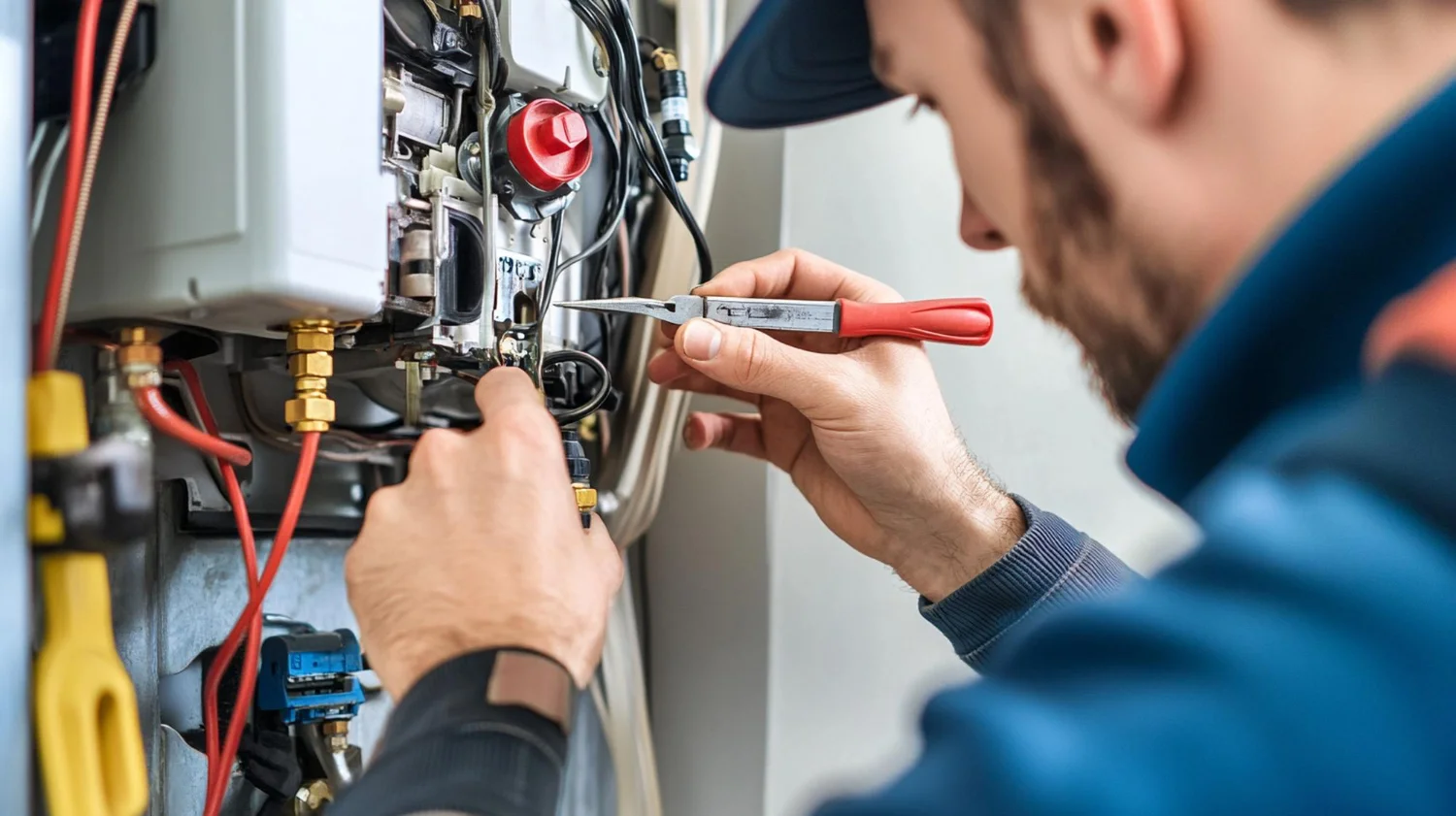
Pipework, heating controls and other components naturally wear over time. If these parts are no longer performing as they should, upgrading them during the installation can help improve efficiency, reliability and future maintenance.
If you’re planning a combi boiler replacement Glasgow, understanding why engineers sometimes recommend additional upgrades will help you make informed decisions and avoid unexpected surprises.
If you’re thinking about replacing your boiler, contact the team at Origin GPH to arrange a professional home survey and receive recommendations tailored to your property’s heating system.
Why isn’t replacing the boiler always enough?
A boiler is only one part of a larger heating system. Even the most efficient appliance relies on pipework, radiators and controls to distribute heat effectively throughout your home.
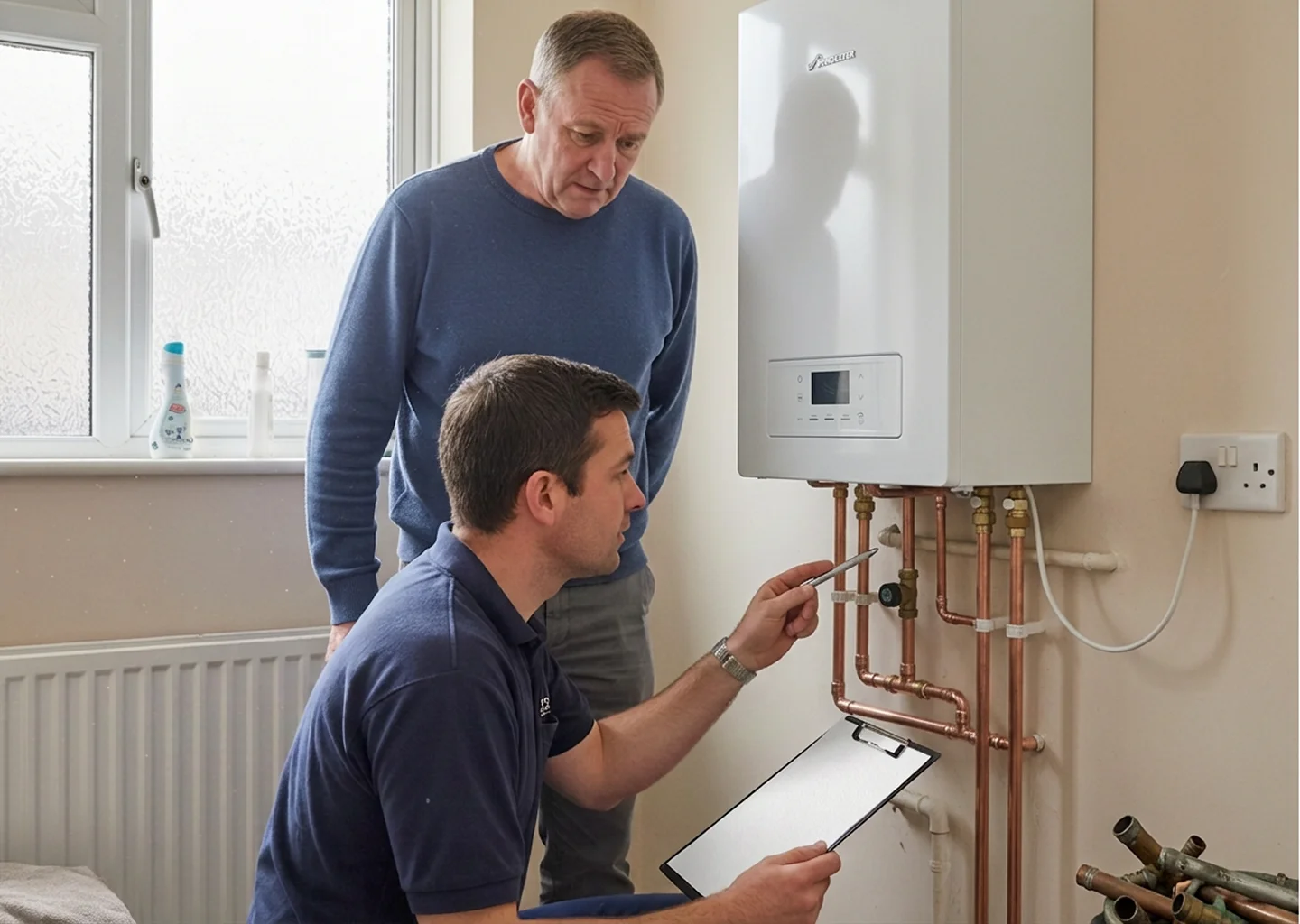
During a replacement survey, engineers assess the complete system to ensure it can support the performance of the new boiler.
This may include checking:
- Pipework condition
- Water circulation
- Radiator performance
- Heating controls
- Isolation valves
- Magnetic filter requirements
Looking at the entire system helps prevent older components from limiting the performance of the new installation.
When might pipework need upgrading?
Pipework doesn’t always need replacing, but there are situations where improvements are recommended.
Common reasons include:
- Corrosion
- Signs of previous leaks
- Poor water circulation
- Undersized pipes
- Ageing fittings
- Alterations made during previous installations
These issues may reduce heating efficiency or place additional strain on the new boiler if left unaddressed.
Replacing small sections of worn pipework during installation is often more practical than carrying out separate work later.
Which fuel powers your boiler?
It just takes 2 minutes
And then you can book a free consultation
How do engineers assess existing pipework?
A property survey allows installers to identify whether the current system remains suitable.
|
Pipework Check |
Why It’s Important |
|
Pipe condition |
Identifies corrosion or wear |
|
Pipe sizing |
Ensures sufficient water flow |
|
Joint integrity |
Detects potential leaks |
|
Water circulation |
Supports efficient heating |
|
Accessibility |
Helps plan installation work |
|
Previous alterations |
Confirms compatibility |
These checks help ensure the new boiler operates efficiently from the moment it is commissioned.
Do heating controls become outdated?
Yes. Heating technology has advanced considerably over recent years, and many older control systems no longer provide the same level of efficiency or convenience.
Depending on your existing setup, an installer may recommend:
- Digital programmers
- Smart thermostats
- Programmable room thermostats
- Thermostatic radiator valves
- Zoned heating controls
Modern controls help improve comfort while allowing homeowners to manage heating more effectively throughout the day.
When discussing combi boiler replacement Glasgow, it’s worth asking whether updated controls would benefit your home.
Not sure whether your heating system needs additional upgrades? Speak to Origin GPH for expert advice and a detailed property assessment before installation.
Can upgrades affect the overall replacement cost?
Yes, but not always in the way homeowners expect.
The quotation reflects the complete installation rather than simply the cost of the new boiler.
Additional recommendations may include:
- Pipework improvements
- Updated heating controls
- System flushing
- Magnetic filter installation
- Valve replacement
Although these items can influence the boiler replacement cost, they are often intended to protect the new boiler and improve long-term system performance.
Understanding why each recommendation has been made allows you to compare quotations more fairly.
A typical replacement example
Imagine a homeowner replacing a 14-year-old combi boiler in a semi-detached property.
During the survey, the engineer confirms that most of the heating system remains in good condition. However, several isolation valves are beginning to show signs of wear, and the heating controls no longer offer modern programming options.
The recommendation includes replacing the valves and upgrading the controls while fitting the new boiler.
Although this slightly increases the initial quotation, it reduces the likelihood of future maintenance issues and provides greater day-to-day control over household heating.
What questions should you ask before approving the work?
The survey is an excellent opportunity to understand every recommendation.
Useful questions include:
- Why are these upgrades recommended?
- Are they essential or optional?
- Will they improve efficiency?
- Could they reduce future maintenance?
- Are they covered by the installation warranty?
- Will the work increase installation time?
These discussions help you understand exactly what is included within your quotation.
Why is a system flush sometimes recommended?
Over time, heating systems can accumulate sludge, debris and corrosion particles.
A system flush helps remove these contaminants before the new boiler is commissioned.
Benefits may include:
- Improved circulation
- Better radiator performance
- Reduced wear on the boiler
- Increased efficiency
- Longer system lifespan
Although it contributes to the overall boiler replacement cost, it is often recommended where the existing system shows signs of contamination.
How do upgrades support long-term performance?
Replacing supporting components at the same time as the boiler can help create a more balanced and reliable heating system.
Rather than addressing issues individually over several years, planned upgrades allow the installation to be completed as a single project.
If you’re arranging combi boiler replacement Glasgow, this approach often provides greater confidence that the entire system is ready to support the new boiler efficiently for years to come.
Frequently Asked Questions
If you’re considering combi boiler replacement Glasgow, book a home survey with Origin GPH. Our experienced team will explain every recommendation, assess your existing heating system and provide clear advice tailored to your property.
Replacing a combi boiler is about more than fitting a new appliance. Pipework, heating controls and supporting components all contribute to the performance of your heating system and deserve careful attention during the planning stage.
By understanding why engineers sometimes recommend additional upgrades, homeowners can make informed decisions that support efficiency, reliability and long-term value. At Origin GPH, every replacement begins with a thorough assessment, ensuring the finished installation is designed around the needs of your home rather than simply replacing what was there before.
Related articles

Which fuel powers your boiler?
At a glance
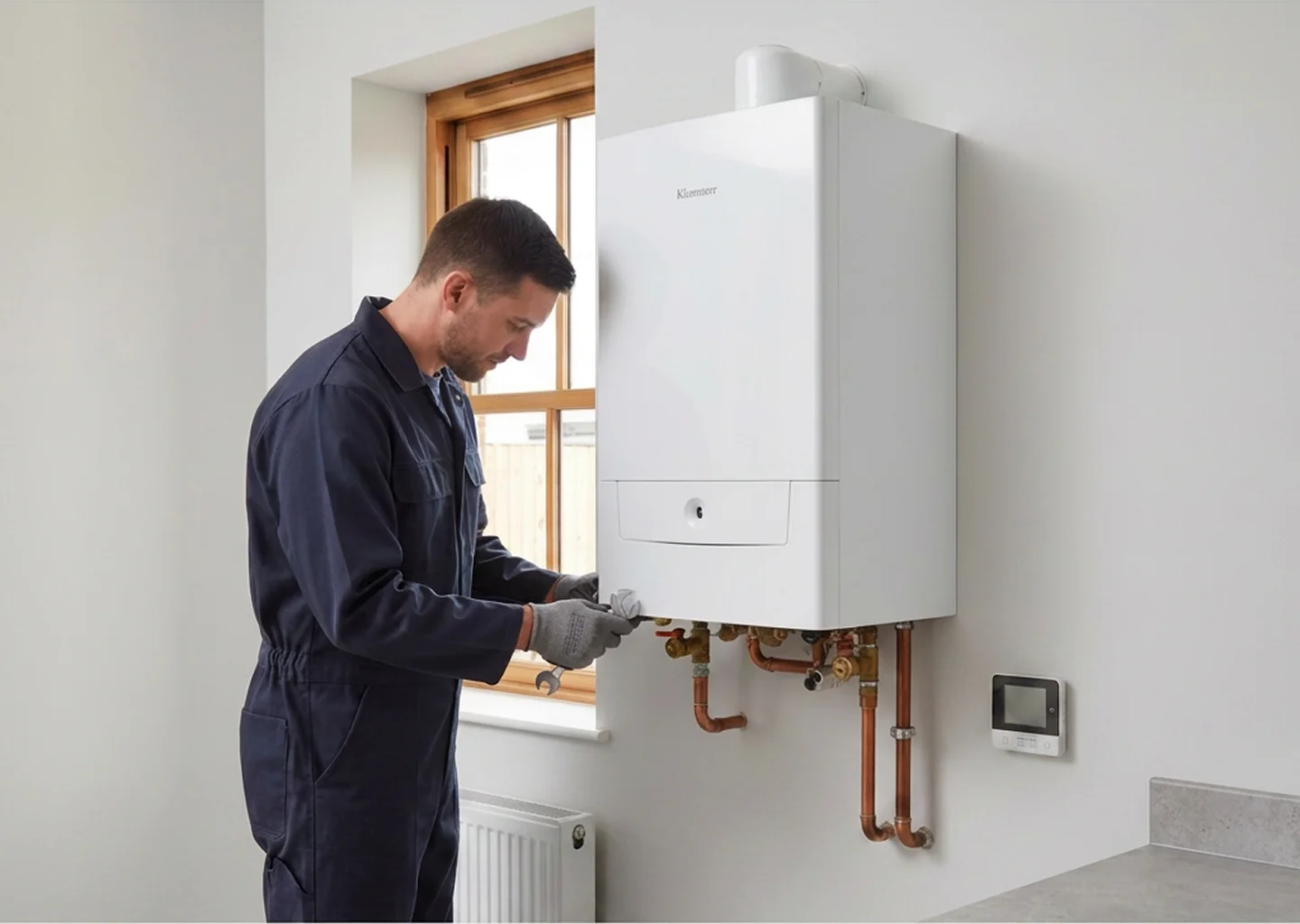
Pipework, heating controls and other components naturally wear over time. If these parts are no longer performing as they should, upgrading them during the installation can help improve efficiency, reliability and future maintenance.
If you’re planning a combi boiler replacement Glasgow, understanding why engineers sometimes recommend additional upgrades will help you make informed decisions and avoid unexpected surprises.
If you’re thinking about replacing your boiler, contact the team at Origin GPH to arrange a professional home survey and receive recommendations tailored to your property’s heating system.
Why isn’t replacing the boiler always enough?
A boiler is only one part of a larger heating system. Even the most efficient appliance relies on pipework, radiators and controls to distribute heat effectively throughout your home.
During a replacement survey, engineers assess the complete system to ensure it can support the performance of the new boiler.
This may include checking:
- Pipework condition
- Water circulation
- Radiator performance
- Heating controls
- Isolation valves
- Magnetic filter requirements
Looking at the entire system helps prevent older components from limiting the performance of the new installation.
When might pipework need upgrading?
Pipework doesn’t always need replacing, but there are situations where improvements are recommended.
Common reasons include:
- Corrosion
- Signs of previous leaks
- Poor water circulation
- Undersized pipes
- Ageing fittings
- Alterations made during previous installations
These issues may reduce heating efficiency or place additional strain on the new boiler if left unaddressed.
Replacing small sections of worn pipework during installation is often more practical than carrying out separate work later.
Which fuel powers your boiler?
It just takes 2 minutes
And then you can book a free consultation
How do engineers assess existing pipework?
A property survey allows installers to identify whether the current system remains suitable.
|
Pipework Check |
Why It’s Important |
|
Pipe condition |
Identifies corrosion or wear |
|
Pipe sizing |
Ensures sufficient water flow |
|
Joint integrity |
Detects potential leaks |
|
Water circulation |
Supports efficient heating |
|
Accessibility |
Helps plan installation work |
|
Previous alterations |
Confirms compatibility |
These checks help ensure the new boiler operates efficiently from the moment it is commissioned.
Do heating controls become outdated?
Yes. Heating technology has advanced considerably over recent years, and many older control systems no longer provide the same level of efficiency or convenience.
Depending on your existing setup, an installer may recommend:
- Digital programmers
- Smart thermostats
- Programmable room thermostats
- Thermostatic radiator valves
- Zoned heating controls
Modern controls help improve comfort while allowing homeowners to manage heating more effectively throughout the day.
When discussing combi boiler replacement Glasgow, it’s worth asking whether updated controls would benefit your home.
Not sure whether your heating system needs additional upgrades? Speak to Origin GPH for expert advice and a detailed property assessment before installation.
Can upgrades affect the overall replacement cost?
Yes, but not always in the way homeowners expect.
The quotation reflects the complete installation rather than simply the cost of the new boiler.
Additional recommendations may include:
- Pipework improvements
- Updated heating controls
- System flushing
- Magnetic filter installation
- Valve replacement
Although these items can influence the boiler replacement cost, they are often intended to protect the new boiler and improve long-term system performance.
Understanding why each recommendation has been made allows you to compare quotations more fairly.
A typical replacement example
Imagine a homeowner replacing a 14-year-old combi boiler in a semi-detached property.
During the survey, the engineer confirms that most of the heating system remains in good condition. However, several isolation valves are beginning to show signs of wear, and the heating controls no longer offer modern programming options.
The recommendation includes replacing the valves and upgrading the controls while fitting the new boiler.
Although this slightly increases the initial quotation, it reduces the likelihood of future maintenance issues and provides greater day-to-day control over household heating.
What questions should you ask before approving the work?
The survey is an excellent opportunity to understand every recommendation.
Useful questions include:
- Why are these upgrades recommended?
- Are they essential or optional?
- Will they improve efficiency?
- Could they reduce future maintenance?
- Are they covered by the installation warranty?
- Will the work increase installation time?
These discussions help you understand exactly what is included within your quotation.
Why is a system flush sometimes recommended?
Over time, heating systems can accumulate sludge, debris and corrosion particles.
A system flush helps remove these contaminants before the new boiler is commissioned.
Benefits may include:
- Improved circulation
- Better radiator performance
- Reduced wear on the boiler
- Increased efficiency
- Longer system lifespan
Although it contributes to the overall boiler replacement cost, it is often recommended where the existing system shows signs of contamination.
How do upgrades support long-term performance?
Replacing supporting components at the same time as the boiler can help create a more balanced and reliable heating system.
Rather than addressing issues individually over several years, planned upgrades allow the installation to be completed as a single project.
If you’re arranging combi boiler replacement Glasgow, this approach often provides greater confidence that the entire system is ready to support the new boiler efficiently for years to come.
Frequently Asked Questions
If you’re considering combi boiler replacement Glasgow, book a home survey with Origin GPH. Our experienced team will explain every recommendation, assess your existing heating system and provide clear advice tailored to your property.
Replacing a combi boiler is about more than fitting a new appliance. Pipework, heating controls and supporting components all contribute to the performance of your heating system and deserve careful attention during the planning stage.
By understanding why engineers sometimes recommend additional upgrades, homeowners can make informed decisions that support efficiency, reliability and long-term value. At Origin GPH, every replacement begins with a thorough assessment, ensuring the finished installation is designed around the needs of your home rather than simply replacing what was there before.