
Cost for New Boiler Installation: What Happens Before the Engineer Arrives
Replacing your boiler is a significant home improvement, but the work starts well before the installation team arrives. From the initial survey to preparing your property, several important steps take place behind the scenes to ensure everything runs smoothly on installation day.

Why you can trust our content
We understand that the boiler industry can be confusing, with plenty of outdated or misleading information. That’s why we rely only on trusted, proven sources to guide our advice and installations:
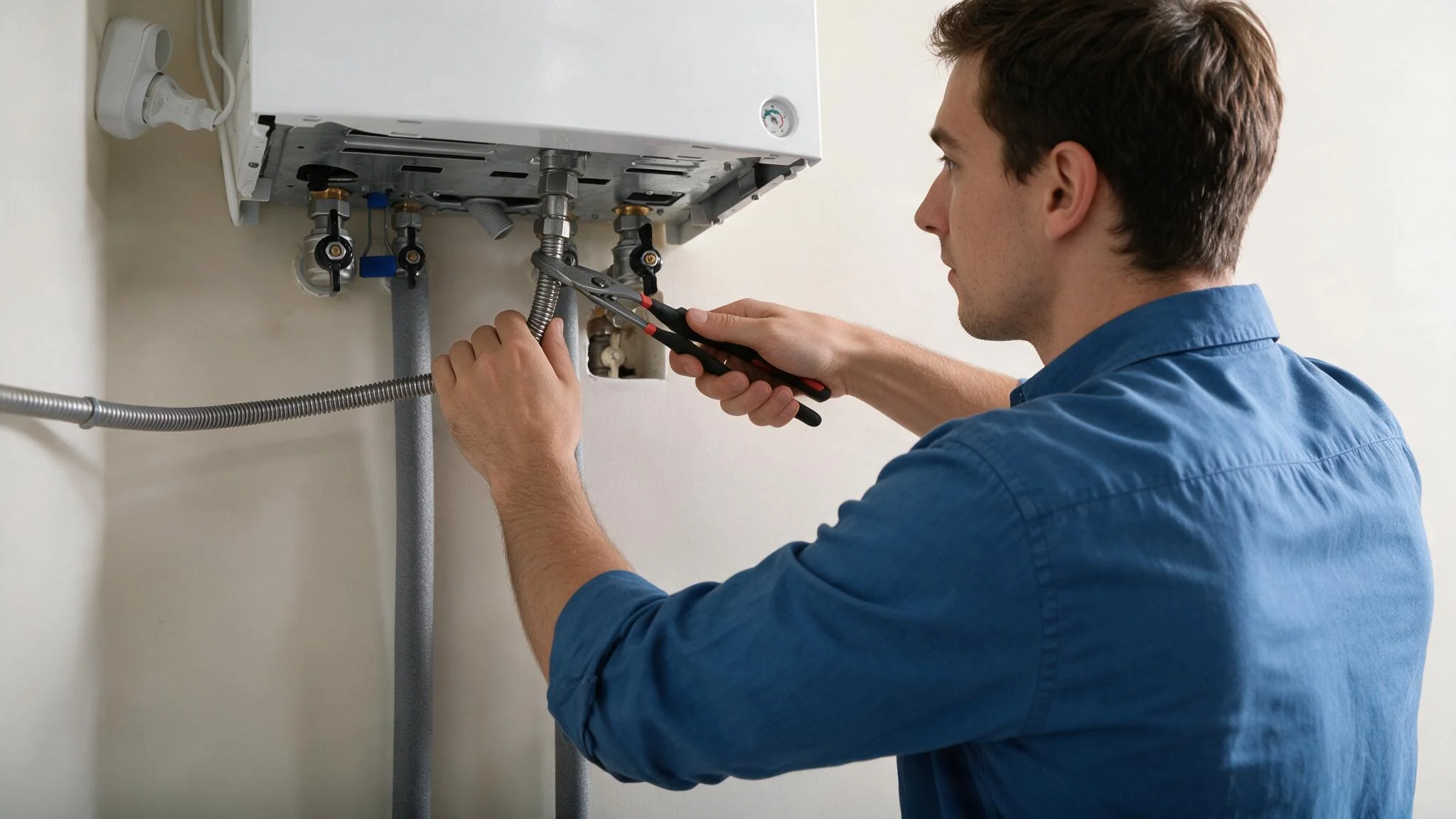
Many homeowners understandably focus on the boiler itself, yet careful planning often has just as much influence on the overall project. Knowing what happens before work begins can help you understand quotations more clearly, prepare your home and avoid unnecessary delays.
If you’re researching the cost for new boiler installation, understanding the preparation involved will give you a better idea of how installers plan a safe, efficient and reliable heating upgrade.
If you’re planning a boiler replacement, contact the team at Origin GPH to arrange a professional home survey and receive expert guidance before installation begins.
Why is preparation important before installation?
A successful installation starts with gathering the right information about your home and heating system.
Before any work is scheduled, an engineer will usually assess:
- Your existing boiler
- Heating pipework
- Radiators
- Gas supply
- Water pressure
- Boiler location
- Flue position
- Heating controls
These checks help ensure the proposed installation is suitable for your property and complies with current regulations.
Taking the time to complete this preparation reduces the risk of unexpected issues on installation day.
What happens during the home survey?
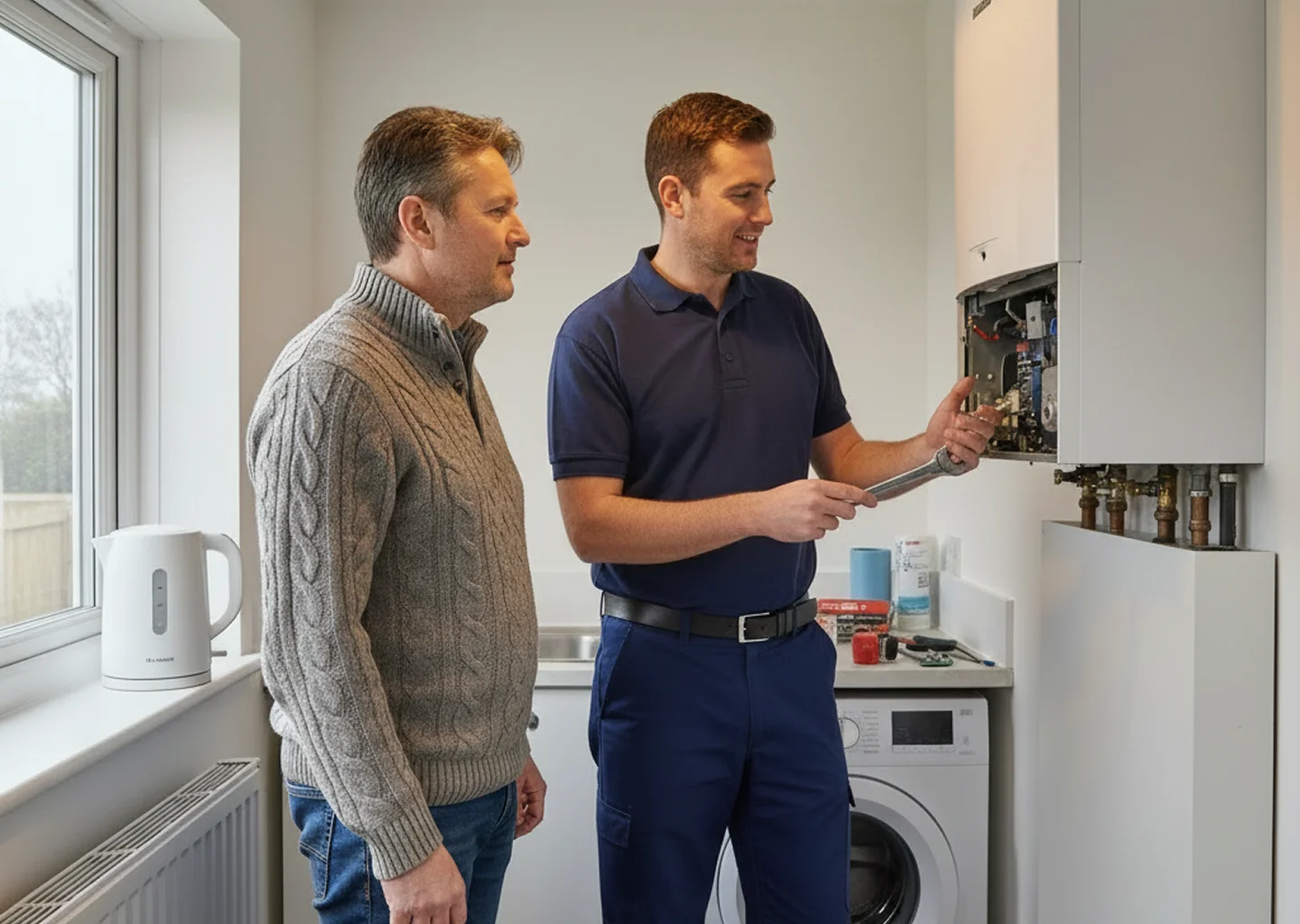
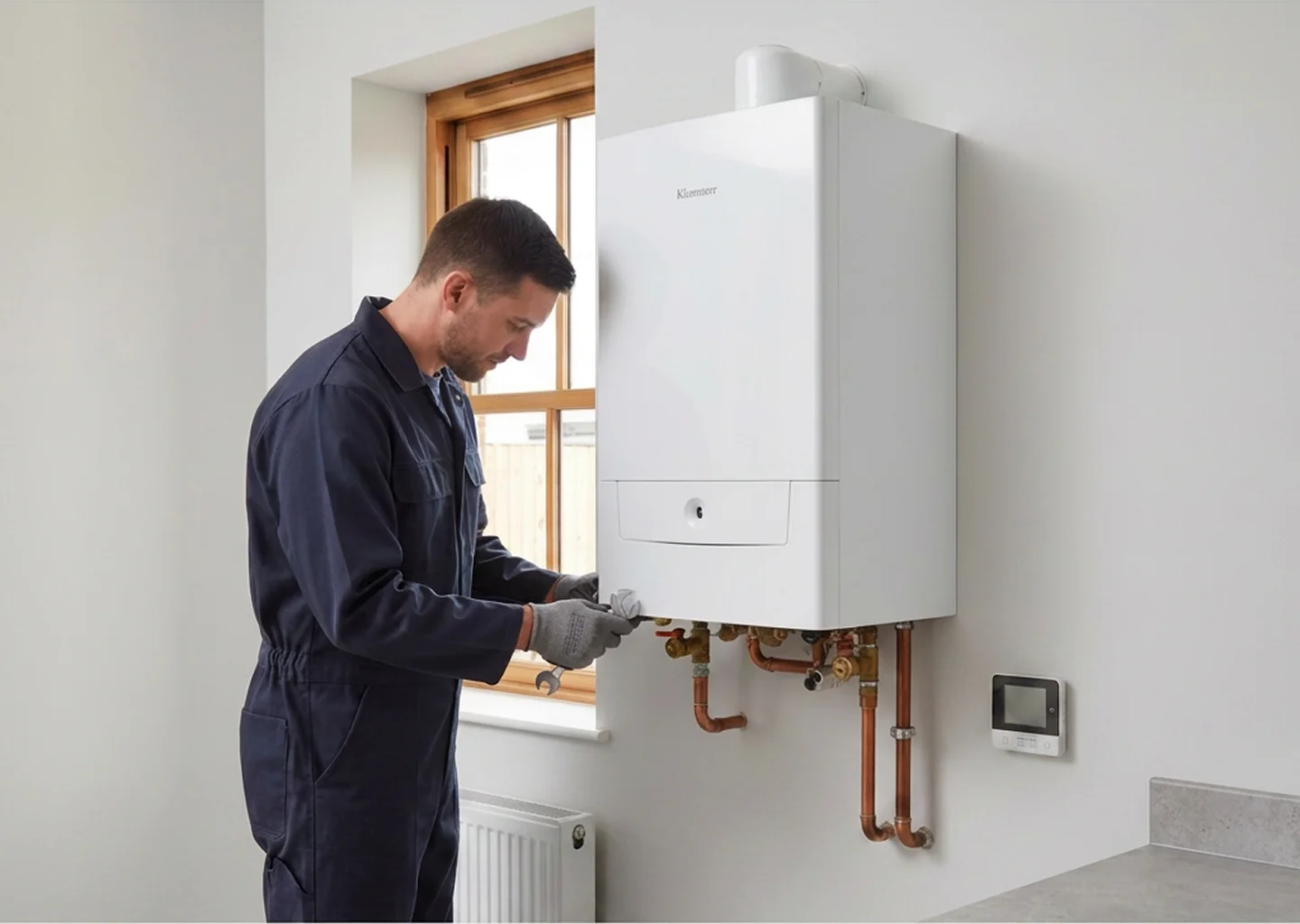
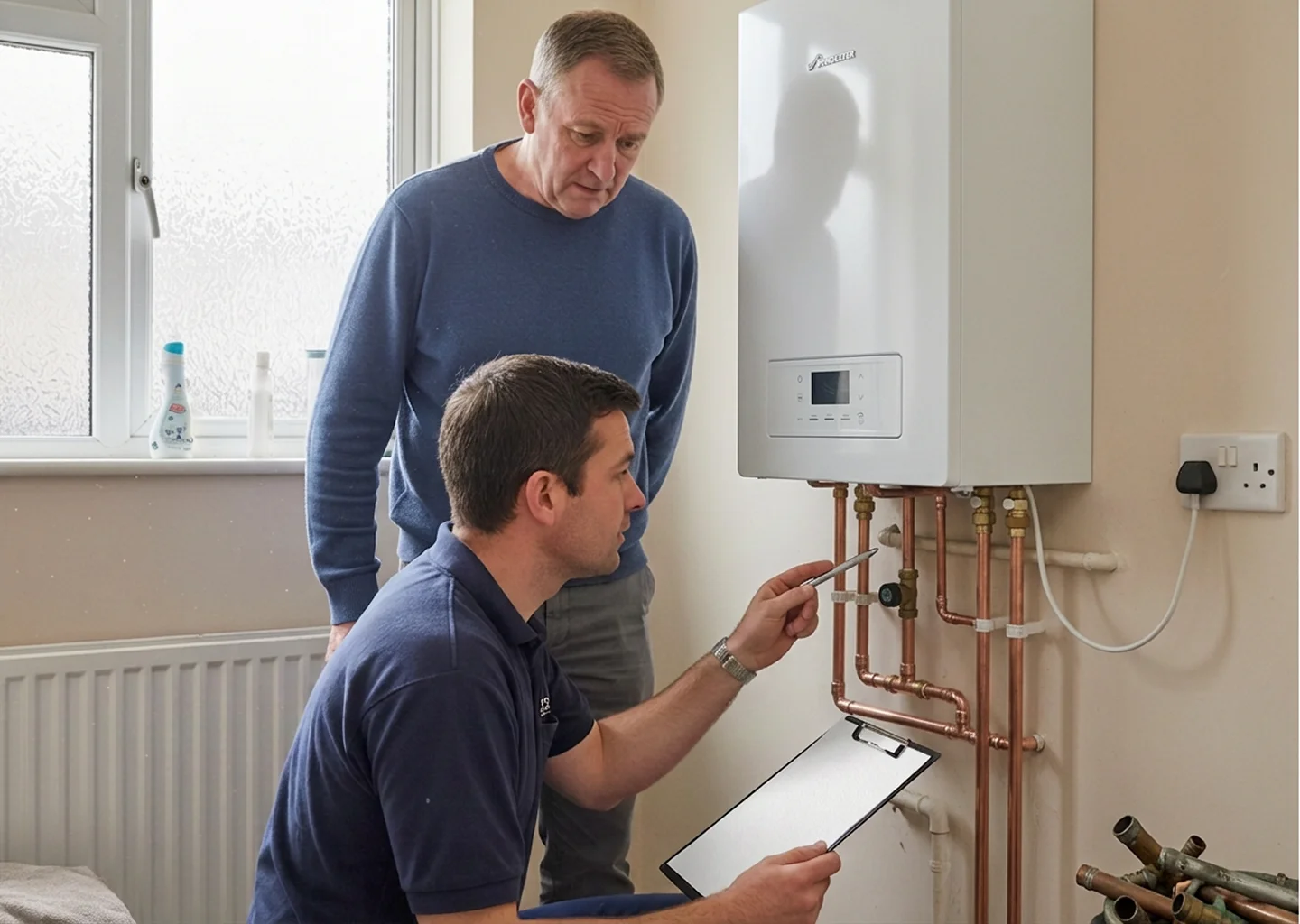
The survey is an opportunity for the installer to understand how your heating system currently performs and identify any work that may be required.
Typical survey activities include:
|
Survey Activity |
Purpose |
|
Inspecting the existing boiler |
Determines replacement requirements |
|
Assessing pipework |
Checks condition and compatibility |
|
Reviewing radiators |
Ensures the heating system is suitable |
|
Measuring installation space |
Confirms safe access |
|
Checking the flue |
Verifies regulatory compliance |
|
Discussing heating needs |
Helps recommend the correct boiler |
This information forms the basis of an accurate quotation and installation plan.
Which fuel powers your boiler?
It just takes 2 minutes
And then you can book a free consultation
Why does the property survey affect installation costs?
No two homes are exactly alike.
Factors such as property age, heating system design and accessibility all influence the amount of work involved.
Examples include:
- Longer pipe runs
- Restricted access
- Boiler relocation
- Older heating controls
- Ageing pipework
- Additional safety improvements
These considerations help explain why the cost for new boiler installation may vary between properties, even when homeowners choose similar boiler models.
Should you prepare your home before installation day?
Yes. A few simple preparations can help engineers complete the work efficiently.
Consider:
- Clearing access to the existing boiler
- Moving items away from nearby cupboards
- Providing clear access to radiators where required
- Keeping pets safely away from the work area
- Informing the installer about parking restrictions
Small preparations help minimise disruption and allow the installation to progress more smoothly.
Need advice about preparing your property? Speak to Origin GPH for practical guidance before your installation date.
Could additional work be identified before installation?
Sometimes the survey highlights areas where improvements would benefit the heating system.
These may include:
- Replacing worn valves
- Updating heating controls
- Improving condensate drainage
- Upgrading sections of pipework
- Installing a magnetic filter
- Recommending a system flush
Although these additions may influence the quotation, they are often intended to improve efficiency, reliability and the long-term performance of the new boiler.
Understanding these recommendations also helps explain differences in the cost of new gas boiler installation from one property to another.
What information should you provide to the installer?
The more information you share during the survey, the easier it is for the installer to recommend an appropriate solution.
Helpful details include:
- The age of your current boiler
- Any recurring faults
- Rooms that are difficult to heat
- Planned extensions or renovations
- Number of bathrooms
- Household size
This allows the engineer to recommend a system that matches your home’s current and future heating requirements.
A typical installation planning example
Imagine a homeowner replacing a boiler that has become increasingly unreliable during winter.
During the survey, the engineer identifies that the existing boiler location remains suitable, but the heating controls are outdated and sections of pipework would benefit from replacement.
By identifying these improvements before installation begins, the homeowner receives a detailed quotation with no unexpected surprises once work starts.
This careful planning gives a much clearer picture of the overall cost for new boiler installation while helping ensure the finished system performs efficiently.
Why do engineers ask so many questions?
The survey is about more than inspecting equipment.
Engineers also want to understand how you use your heating every day.
Questions may include:
- Do you often run multiple showers?
- Are some rooms colder than others?
- Are you planning future home improvements?
- How old is your current heating system?
- Have you experienced pressure problems?
These answers help create a specification that suits your household rather than relying solely on technical measurements.
How can good planning reduce delays?
Most installation delays occur because important details weren’t identified early enough.
A thorough survey allows installers to:
- Order the correct materials
- Schedule the right amount of labour
- Prepare for access restrictions
- Plan safety checks
- Ensure all necessary components are available
This structured approach makes installation day more efficient and helps reduce disruption to your household.
It also provides a better understanding of the cost of new gas boiler installation before work begins.
Frequently Asked Questions
If you’re planning a heating upgrade, book a home survey with Origin GPH. Our experienced team will assess your property, explain every stage of the process and help ensure your installation is carefully planned from the outset.
A new boiler installation begins long before engineers arrive with tools and equipment. Careful surveys, property assessments and installation planning all play an important role in creating a safe, efficient and reliable heating system.
By understanding what happens before installation day, homeowners can prepare more effectively, compare quotations with greater confidence and avoid unnecessary surprises. At Origin GPH, every project starts with a detailed assessment, ensuring each recommendation is based on the specific needs of your home and designed to deliver dependable performance for years to come.
Related articles
Which fuel powers your boiler?
At a glance
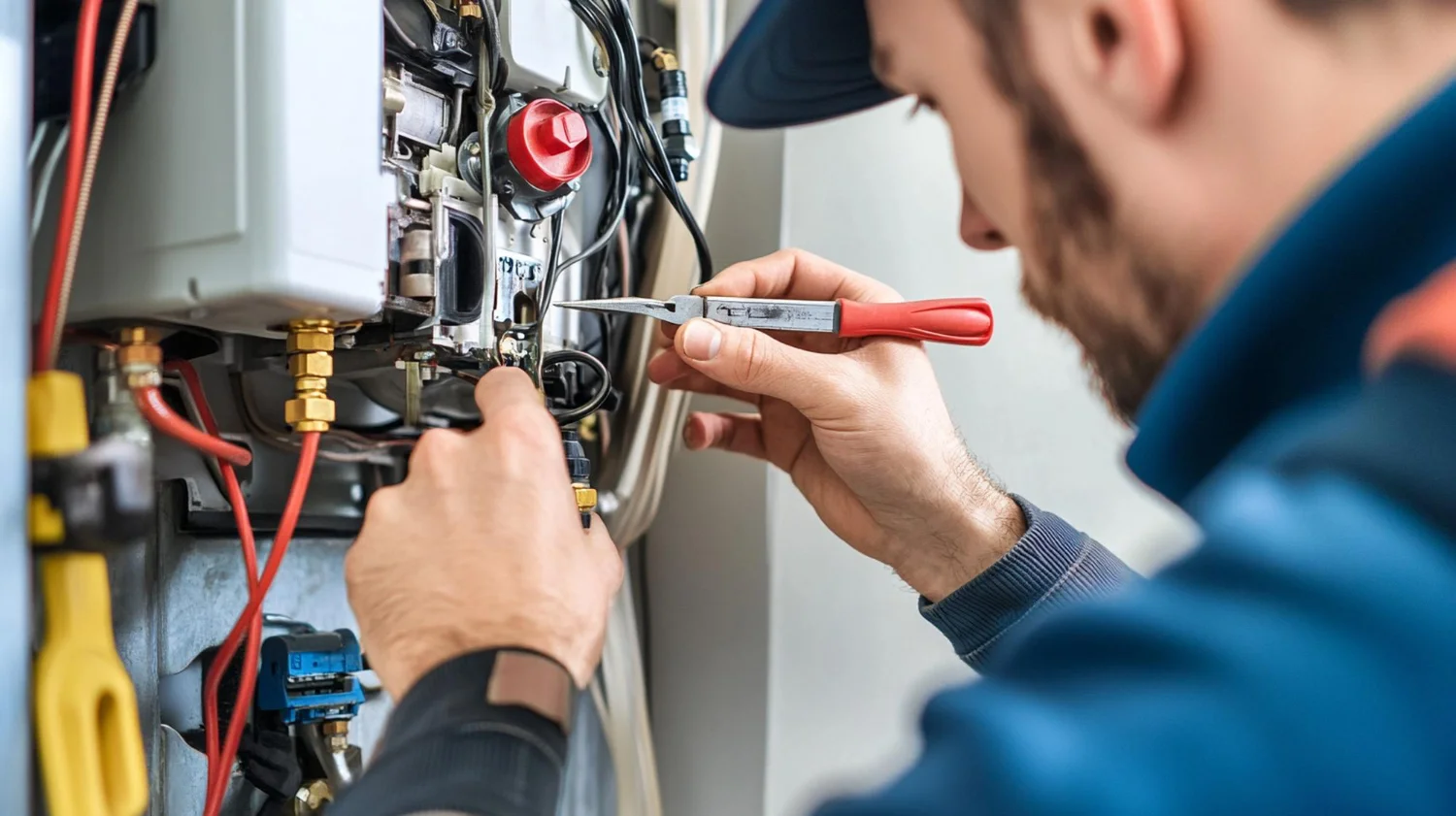
Many homeowners understandably focus on the boiler itself, yet careful planning often has just as much influence on the overall project. Knowing what happens before work begins can help you understand quotations more clearly, prepare your home and avoid unnecessary delays.
If you’re researching the cost for new boiler installation, understanding the preparation involved will give you a better idea of how installers plan a safe, efficient and reliable heating upgrade.
If you’re planning a boiler replacement, contact the team at Origin GPH to arrange a professional home survey and receive expert guidance before installation begins.
Why is preparation important before installation?
A successful installation starts with gathering the right information about your home and heating system.
Before any work is scheduled, an engineer will usually assess:
- Your existing boiler
- Heating pipework
- Radiators
- Gas supply
- Water pressure
- Boiler location
- Flue position
- Heating controls
These checks help ensure the proposed installation is suitable for your property and complies with current regulations.
Taking the time to complete this preparation reduces the risk of unexpected issues on installation day.
What happens during the home survey?
The survey is an opportunity for the installer to understand how your heating system currently performs and identify any work that may be required.
Typical survey activities include:
|
Survey Activity |
Purpose |
|
Inspecting the existing boiler |
Determines replacement requirements |
|
Assessing pipework |
Checks condition and compatibility |
|
Reviewing radiators |
Ensures the heating system is suitable |
|
Measuring installation space |
Confirms safe access |
|
Checking the flue |
Verifies regulatory compliance |
|
Discussing heating needs |
Helps recommend the correct boiler |
This information forms the basis of an accurate quotation and installation plan.
Which fuel powers your boiler?
It just takes 2 minutes
And then you can book a free consultation
Why does the property survey affect installation costs?
No two homes are exactly alike.
Factors such as property age, heating system design and accessibility all influence the amount of work involved.
Examples include:
- Longer pipe runs
- Restricted access
- Boiler relocation
- Older heating controls
- Ageing pipework
- Additional safety improvements
These considerations help explain why the cost for new boiler installation may vary between properties, even when homeowners choose similar boiler models.
Should you prepare your home before installation day?
Yes. A few simple preparations can help engineers complete the work efficiently.
Consider:
- Clearing access to the existing boiler
- Moving items away from nearby cupboards
- Providing clear access to radiators where required
- Keeping pets safely away from the work area
- Informing the installer about parking restrictions
Small preparations help minimise disruption and allow the installation to progress more smoothly.
Need advice about preparing your property? Speak to Origin GPH for practical guidance before your installation date.
Could additional work be identified before installation?
Sometimes the survey highlights areas where improvements would benefit the heating system.
These may include:
- Replacing worn valves
- Updating heating controls
- Improving condensate drainage
- Upgrading sections of pipework
- Installing a magnetic filter
- Recommending a system flush
Although these additions may influence the quotation, they are often intended to improve efficiency, reliability and the long-term performance of the new boiler.
Understanding these recommendations also helps explain differences in the cost of new gas boiler installation from one property to another.
What information should you provide to the installer?
The more information you share during the survey, the easier it is for the installer to recommend an appropriate solution.
Helpful details include:
- The age of your current boiler
- Any recurring faults
- Rooms that are difficult to heat
- Planned extensions or renovations
- Number of bathrooms
- Household size
This allows the engineer to recommend a system that matches your home’s current and future heating requirements.
A typical installation planning example
Imagine a homeowner replacing a boiler that has become increasingly unreliable during winter.
During the survey, the engineer identifies that the existing boiler location remains suitable, but the heating controls are outdated and sections of pipework would benefit from replacement.
By identifying these improvements before installation begins, the homeowner receives a detailed quotation with no unexpected surprises once work starts.
This careful planning gives a much clearer picture of the overall cost for new boiler installation while helping ensure the finished system performs efficiently.
Why do engineers ask so many questions?
The survey is about more than inspecting equipment.
Engineers also want to understand how you use your heating every day.
Questions may include:
- Do you often run multiple showers?
- Are some rooms colder than others?
- Are you planning future home improvements?
- How old is your current heating system?
- Have you experienced pressure problems?
These answers help create a specification that suits your household rather than relying solely on technical measurements.
How can good planning reduce delays?
Most installation delays occur because important details weren’t identified early enough.
A thorough survey allows installers to:
- Order the correct materials
- Schedule the right amount of labour
- Prepare for access restrictions
- Plan safety checks
- Ensure all necessary components are available
This structured approach makes installation day more efficient and helps reduce disruption to your household.
It also provides a better understanding of the cost of new gas boiler installation before work begins.
Frequently Asked Questions
If you’re planning a heating upgrade, book a home survey with Origin GPH. Our experienced team will assess your property, explain every stage of the process and help ensure your installation is carefully planned from the outset.
A new boiler installation begins long before engineers arrive with tools and equipment. Careful surveys, property assessments and installation planning all play an important role in creating a safe, efficient and reliable heating system.
By understanding what happens before installation day, homeowners can prepare more effectively, compare quotations with greater confidence and avoid unnecessary surprises. At Origin GPH, every project starts with a detailed assessment, ensuring each recommendation is based on the specific needs of your home and designed to deliver dependable performance for years to come.