
How to Check Boiler Installation Quality Before You Approve the Job
A new boiler can look impressive once it is mounted on the wall, but appearance alone tells you very little about the quality of the installation. The important checks are often behind the casing, around the pipework, at the flue and in the commissioning paperwork.

Why you can trust our content
We understand that the boiler industry can be confusing, with plenty of outdated or misleading information. That’s why we rely only on trusted, proven sources to guide our advice and installations:
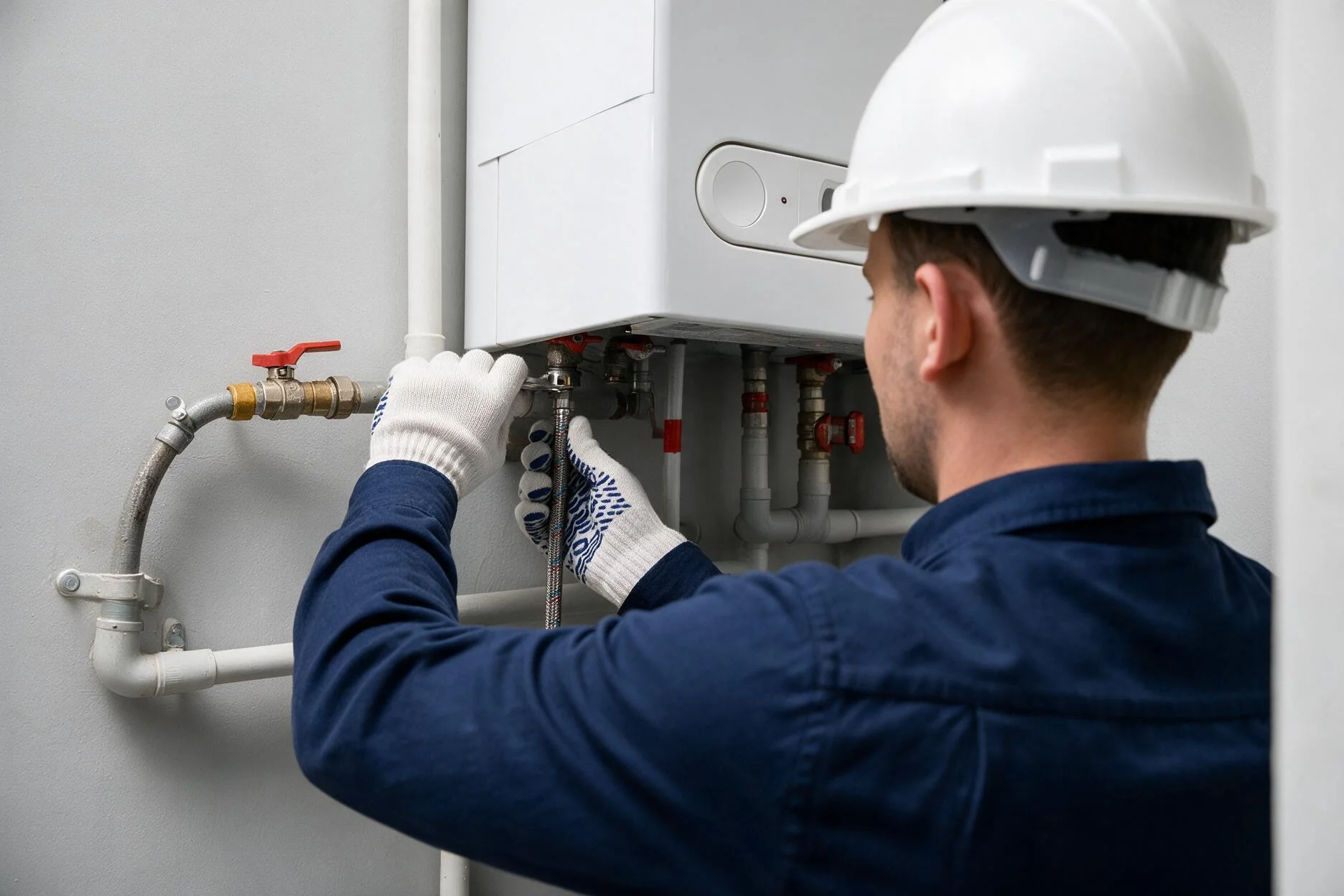
If you are arranging a new heating system, knowing what to look for can help you spot incomplete work before the installer leaves. A professional installation should be safe, properly commissioned and explained clearly to you, rather than simply connected and switched on.
A quality boiler installation Glasgow homeowners can rely on should leave you with confidence that the appliance has been installed correctly and that you know how to operate and maintain it.
If you are planning a replacement and want advice on what a proper installation should include, contact the Origin GPH team for tailored guidance or a bespoke quote.
What should you check before approving a boiler installation?
Start with the visible parts of the installation, then ask for confirmation that the less obvious safety and commissioning checks have been completed.
A useful final inspection should cover:
- The boiler is securely mounted and accessible for servicing.
- Pipework is neat, properly supported and appropriately protected.
- The flue has been installed correctly and is unobstructed.
- Condensate pipework is suitably installed and protected where necessary.
- Electrical connections are safe and appropriately positioned.
- Heating and hot water controls operate as expected.
- Radiators and heating circuits have been checked.
- The boiler has been commissioned in accordance with the manufacturer’s instructions.
- Relevant documentation has been completed and provided.
These checks are not about judging whether an installation looks tidy enough for photographs. They are about confirming that the complete heating system is safe and ready for normal use.
Does the boiler installation look professionally finished?
Good workmanship should be apparent in the details.
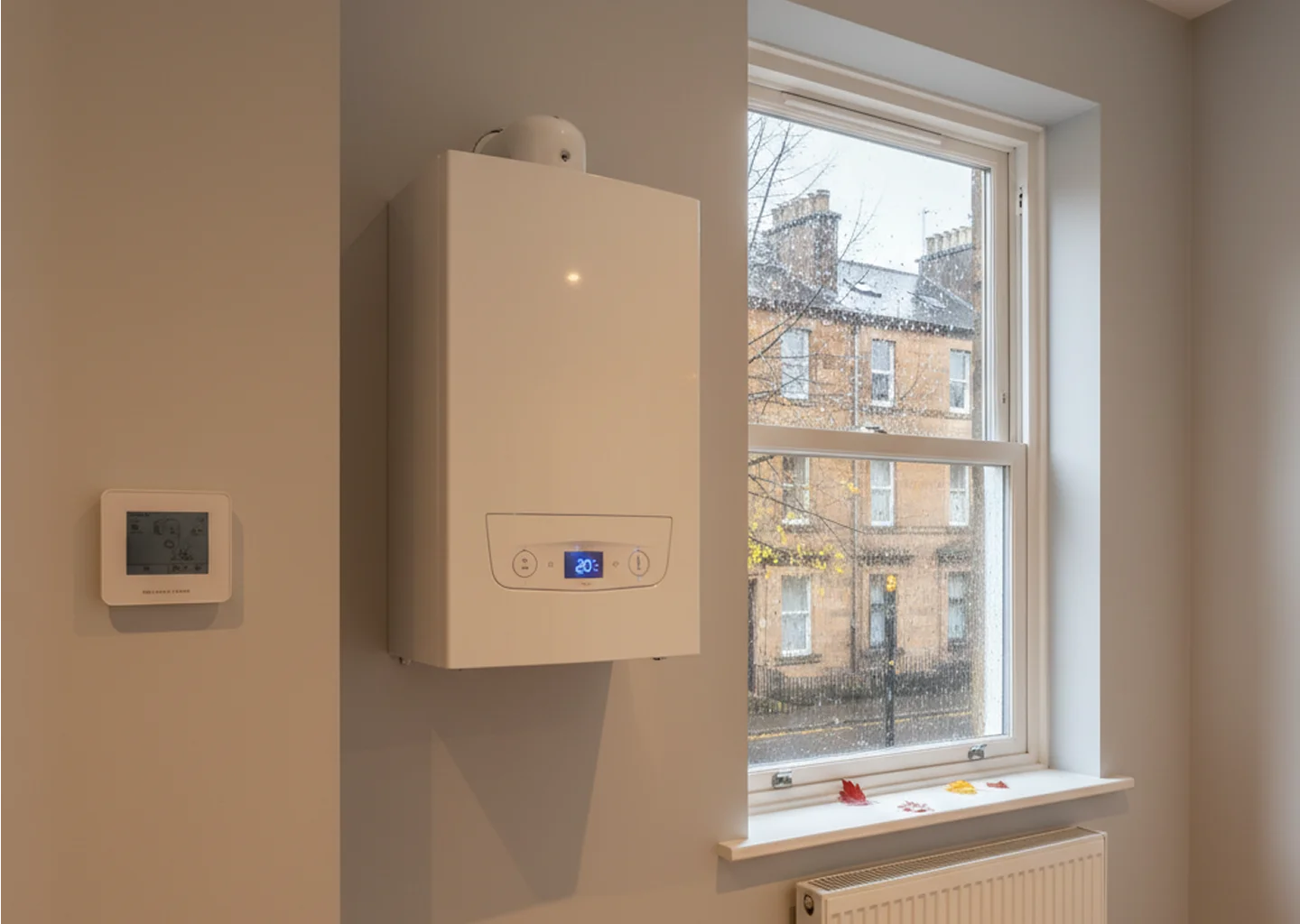
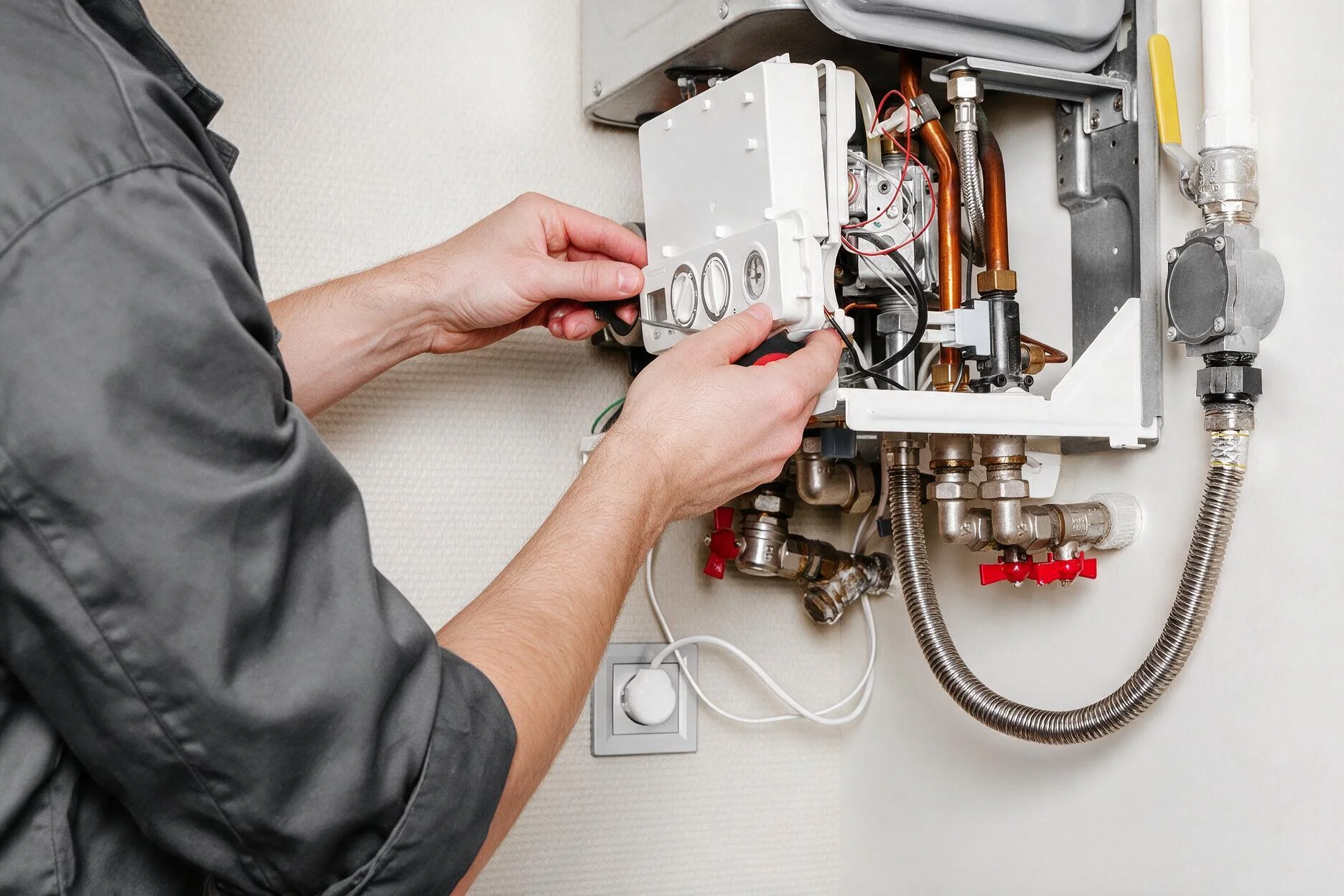
Pipework should generally be sensibly routed, supported and protected from damage. Connections should not look improvised, while unnecessary bends and exposed sections should be avoided where practical.
The boiler should also have sufficient clearance for operation, inspection and future servicing. An installation that looks cramped or difficult to access may create problems later, even if the appliance itself is functioning.
The flue deserves particular attention. It is responsible for safely removing combustion products, so its route, termination and condition are important parts of the installation. HSE guidance highlights the importance of safe flues and adequate ventilation when gas appliances are installed and maintained.
If anything looks unusual, ask the installer to explain it rather than assuming it is acceptable.
What should a boiler fitter check before leaving?
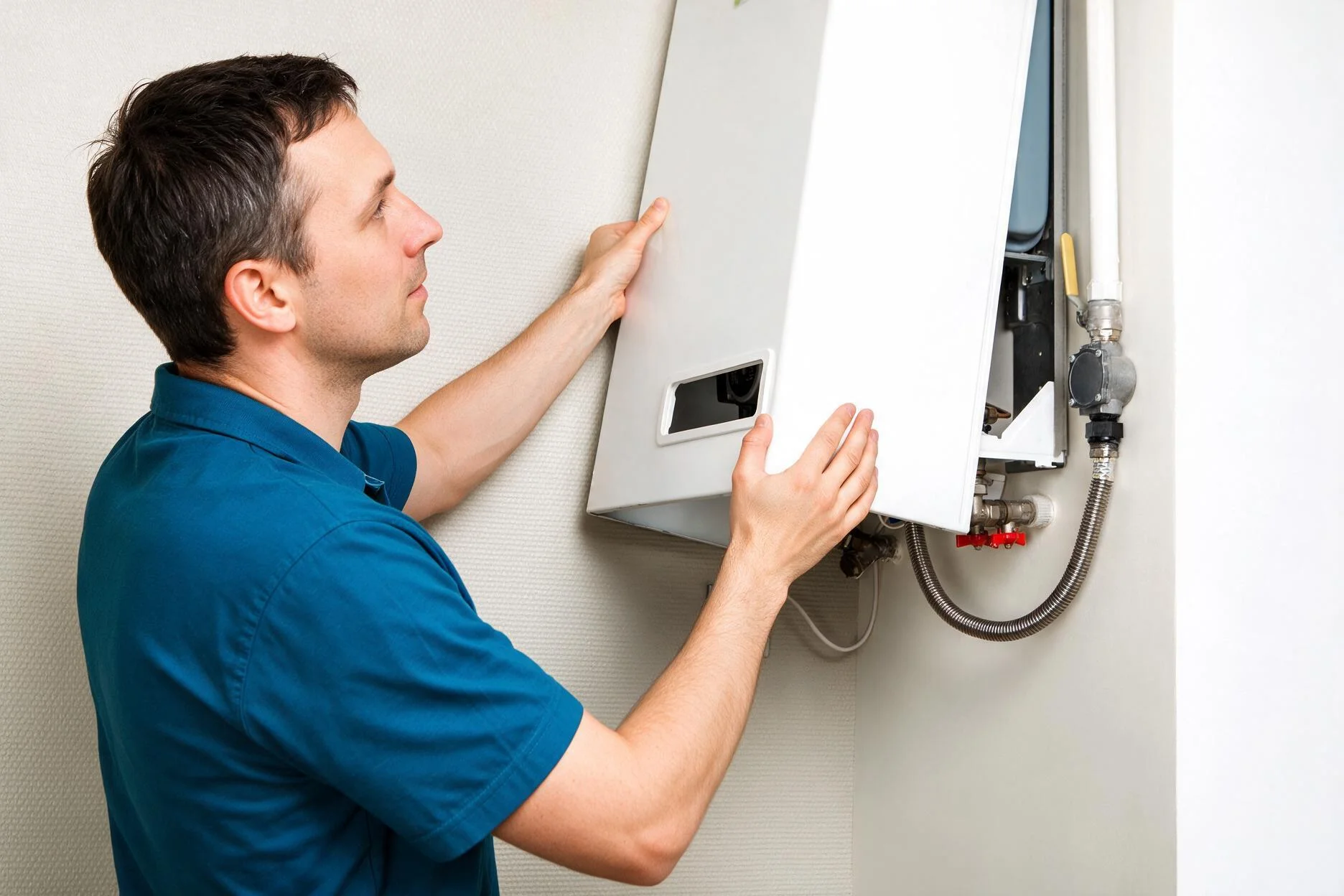
A competent boiler fitter Glasgow homeowners employ should do considerably more than turn the appliance on and confirm that the radiators become warm.
The final stage should include appropriate safety and performance checks, along with commissioning in line with the manufacturer’s requirements.
Depending on the installation, this can include checking:
|
Area |
What should be confirmed |
|
Boiler operation |
Appliance starts, runs and responds correctly |
|
Gas installation |
Gas supply and installation are safe and appropriate |
|
Flue |
Correctly installed, secure and unobstructed |
|
Heating system |
System operates correctly and reaches temperature |
|
Hot water |
Hot water production works as intended |
|
Controls |
Thermostat and heating controls respond correctly |
|
Condensate |
Drainage is correctly arranged |
|
Documentation |
Commissioning and relevant records are completed |
Gas work in domestic premises must be undertaken by an appropriately qualified Gas Safe registered engineer. HSE also advises that gas appliances, flues and associated pipework are properly installed and maintained.
That is why checking the engineer’s credentials is just as important as checking the finished appearance.
Which fuel powers your boiler?
It just takes 2 minutes
And then you can book a free consultation
Why is commissioning so important?
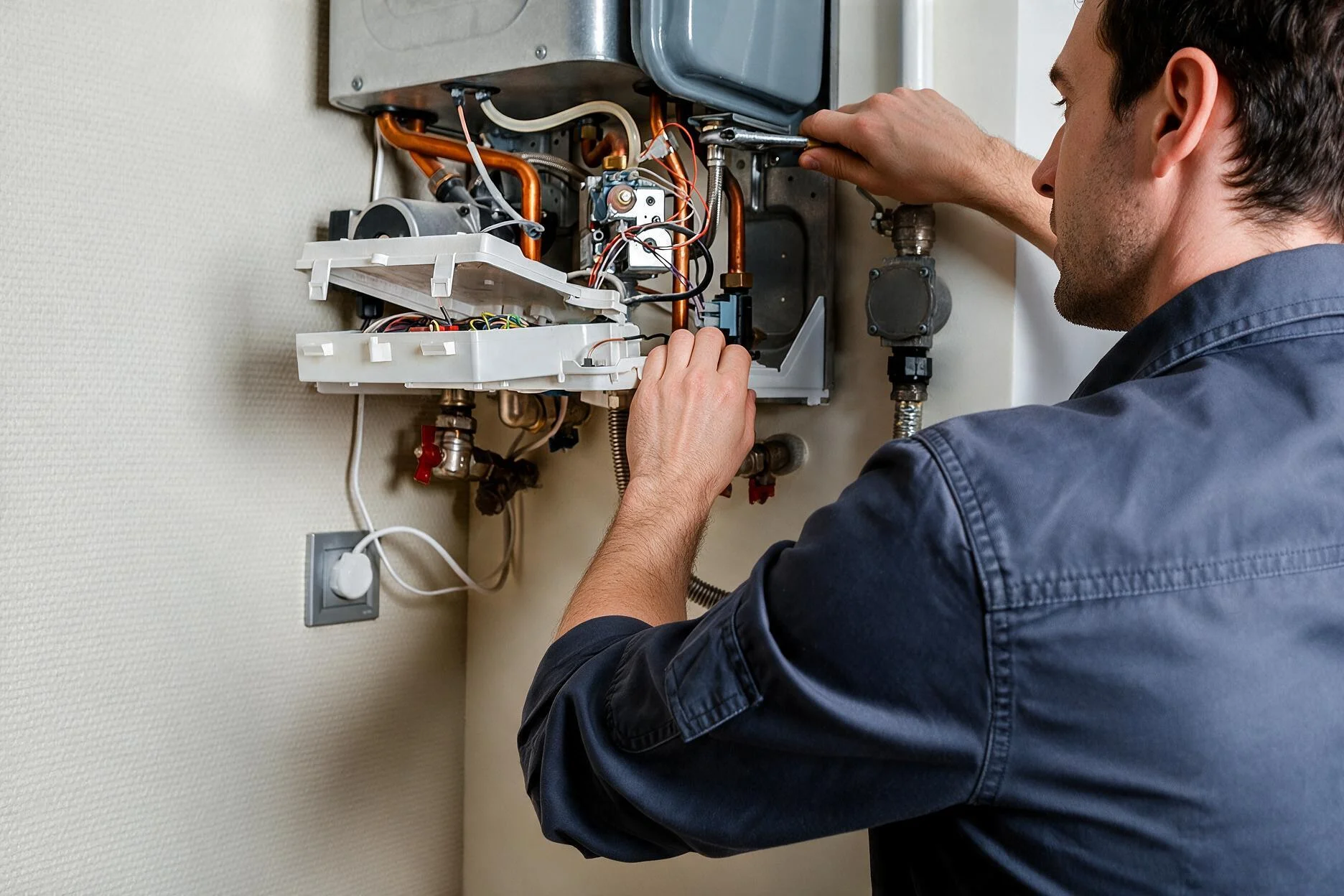
Commissioning is the point at which the installer confirms that the newly installed boiler is operating correctly as part of the heating system.
A boiler should not simply be connected to the existing pipework and left running. The installer needs to ensure the appliance is operating safely and that its settings are appropriate for the installation.
Commissioning also creates an important record of the installation. If there is a fault later, having accurate information about how the boiler was installed and commissioned can make diagnosis easier.
A homeowner should therefore ask whether the boiler has been fully commissioned and whether the relevant documentation has been completed before considering the job finished.
What paperwork should you receive after installation?
The handover is an important part of the job and should not be treated as an afterthought.
Ask for the documents that apply to your installation, including the boiler manufacturer’s information and commissioning documentation. You should also understand what warranty arrangements apply and what maintenance the manufacturer recommends.
The installer should explain the basic operation of the boiler and controls rather than leaving you to work everything out from the manual.
Before the installer leaves, make sure you know:
- How to adjust the heating temperature.
- How to control hot water settings where applicable.
- How to reset the boiler safely if the manufacturer permits it.
- Where the boiler controls are located.
- What to do if a fault code appears.
- When the boiler should next be serviced.
- Which documents should be retained for future reference.
Keeping these records together can be particularly useful if you sell the property or need assistance with a future repair.
What are the warning signs of an incomplete installation?
Not every problem is immediately obvious, which is why homeowners should avoid approving work simply because the boiler is producing heat.
Potential warning signs include:
- The installer cannot explain what commissioning checks were completed.
- Important paperwork has not been provided.
- Controls have not been demonstrated.
- Pipework appears poorly supported or unnecessarily exposed.
- The flue arrangement raises concerns or has not been explained.
- The boiler repeatedly displays fault codes after installation.
- Parts of the heating system have not been tested.
- The installer is unable or unwilling to explain warranty arrangements.
A single cosmetic imperfection does not automatically mean an installation is unsafe. However, unexplained technical concerns should be addressed before the work is signed off.
HSE guidance states that gas appliances and flues need appropriate installation, inspection and maintenance, with particular attention to safe operation and the removal of combustion products.
Should you approve the job if something does not look right?
If you have a genuine concern, ask questions before approving the completed work.
A reputable boiler fitter Glasgow homeowners choose should be able to explain what has been installed, why it has been installed that way and what checks have been completed.
Do not feel pressured to approve a job simply because the boiler is switched on and the engineer is ready to leave. A short conversation at handover can resolve many uncertainties.
For more technical concerns, particularly those involving gas, flues or combustion, it is sensible to have the matter assessed by a suitably qualified professional rather than attempting to investigate it yourself.
A typical Glasgow installation scenario
Consider a homeowner replacing an older boiler in a traditional Glasgow property. The new appliance may fit neatly into the existing location, but the installer still needs to assess the condition and suitability of the surrounding system.
The final inspection could identify that controls need updating, condensate arrangements require attention or parts of the existing heating system need checking before the installation can be considered complete.
This illustrates why installation quality is about the entire system, not simply the new appliance. Good preparation, careful fitting, proper commissioning and a clear handover all contribute to a dependable result.
Frequently Asked Questions
Checking a boiler installation is about more than looking for tidy pipework. The real signs of quality include safe installation, appropriate flue arrangements, correct system operation, proper commissioning and a thorough handover.
Taking a few minutes to ask questions before approving the work can give you greater confidence and help identify anything that needs attention while the installer is still on site.
If you are considering a new boiler or want reassurance about an upcoming installation, Origin GPH can provide practical guidance based on your property and heating requirements. Speak to the team to discuss your options or request a bespoke quote.
Related articles
Which fuel powers your boiler?
At a glance
If you are arranging a new heating system, knowing what to look for can help you spot incomplete work before the installer leaves. A professional installation should be safe, properly commissioned and explained clearly to you, rather than simply connected and switched on.
A quality boiler installation Glasgow homeowners can rely on should leave you with confidence that the appliance has been installed correctly and that you know how to operate and maintain it.
If you are planning a replacement and want advice on what a proper installation should include, contact the Origin GPH team for tailored guidance or a bespoke quote.
What should you check before approving a boiler installation?
Start with the visible parts of the installation, then ask for confirmation that the less obvious safety and commissioning checks have been completed.
A useful final inspection should cover:
- The boiler is securely mounted and accessible for servicing.
- Pipework is neat, properly supported and appropriately protected.
- The flue has been installed correctly and is unobstructed.
- Condensate pipework is suitably installed and protected where necessary.
- Electrical connections are safe and appropriately positioned.
- Heating and hot water controls operate as expected.
- Radiators and heating circuits have been checked.
- The boiler has been commissioned in accordance with the manufacturer’s instructions.
- Relevant documentation has been completed and provided.
These checks are not about judging whether an installation looks tidy enough for photographs. They are about confirming that the complete heating system is safe and ready for normal use.
Does the boiler installation look professionally finished?
Good workmanship should be apparent in the details.
Pipework should generally be sensibly routed, supported and protected from damage. Connections should not look improvised, while unnecessary bends and exposed sections should be avoided where practical.
The boiler should also have sufficient clearance for operation, inspection and future servicing. An installation that looks cramped or difficult to access may create problems later, even if the appliance itself is functioning.
The flue deserves particular attention. It is responsible for safely removing combustion products, so its route, termination and condition are important parts of the installation. HSE guidance highlights the importance of safe flues and adequate ventilation when gas appliances are installed and maintained.
If anything looks unusual, ask the installer to explain it rather than assuming it is acceptable.
What should a boiler fitter check before leaving?
A competent boiler fitter Glasgow homeowners employ should do considerably more than turn the appliance on and confirm that the radiators become warm.
The final stage should include appropriate safety and performance checks, along with commissioning in line with the manufacturer’s requirements.
Depending on the installation, this can include checking:
|
Area |
What should be confirmed |
|
Boiler operation |
Appliance starts, runs and responds correctly |
|
Gas installation |
Gas supply and installation are safe and appropriate |
|
Flue |
Correctly installed, secure and unobstructed |
|
Heating system |
System operates correctly and reaches temperature |
|
Hot water |
Hot water production works as intended |
|
Controls |
Thermostat and heating controls respond correctly |
|
Condensate |
Drainage is correctly arranged |
|
Documentation |
Commissioning and relevant records are completed |
Gas work in domestic premises must be undertaken by an appropriately qualified Gas Safe registered engineer. HSE also advises that gas appliances, flues and associated pipework are properly installed and maintained.
That is why checking the engineer’s credentials is just as important as checking the finished appearance.
Which fuel powers your boiler?
It just takes 2 minutes
And then you can book a free consultation
Why is commissioning so important?
Commissioning is the point at which the installer confirms that the newly installed boiler is operating correctly as part of the heating system.
A boiler should not simply be connected to the existing pipework and left running. The installer needs to ensure the appliance is operating safely and that its settings are appropriate for the installation.
Commissioning also creates an important record of the installation. If there is a fault later, having accurate information about how the boiler was installed and commissioned can make diagnosis easier.
A homeowner should therefore ask whether the boiler has been fully commissioned and whether the relevant documentation has been completed before considering the job finished.
What paperwork should you receive after installation?
The handover is an important part of the job and should not be treated as an afterthought.
Ask for the documents that apply to your installation, including the boiler manufacturer’s information and commissioning documentation. You should also understand what warranty arrangements apply and what maintenance the manufacturer recommends.
The installer should explain the basic operation of the boiler and controls rather than leaving you to work everything out from the manual.
Before the installer leaves, make sure you know:
- How to adjust the heating temperature.
- How to control hot water settings where applicable.
- How to reset the boiler safely if the manufacturer permits it.
- Where the boiler controls are located.
- What to do if a fault code appears.
- When the boiler should next be serviced.
- Which documents should be retained for future reference.
Keeping these records together can be particularly useful if you sell the property or need assistance with a future repair.
What are the warning signs of an incomplete installation?
Not every problem is immediately obvious, which is why homeowners should avoid approving work simply because the boiler is producing heat.
Potential warning signs include:
- The installer cannot explain what commissioning checks were completed.
- Important paperwork has not been provided.
- Controls have not been demonstrated.
- Pipework appears poorly supported or unnecessarily exposed.
- The flue arrangement raises concerns or has not been explained.
- The boiler repeatedly displays fault codes after installation.
- Parts of the heating system have not been tested.
- The installer is unable or unwilling to explain warranty arrangements.
A single cosmetic imperfection does not automatically mean an installation is unsafe. However, unexplained technical concerns should be addressed before the work is signed off.
HSE guidance states that gas appliances and flues need appropriate installation, inspection and maintenance, with particular attention to safe operation and the removal of combustion products.
Should you approve the job if something does not look right?
If you have a genuine concern, ask questions before approving the completed work.
A reputable boiler fitter Glasgow homeowners choose should be able to explain what has been installed, why it has been installed that way and what checks have been completed.
Do not feel pressured to approve a job simply because the boiler is switched on and the engineer is ready to leave. A short conversation at handover can resolve many uncertainties.
For more technical concerns, particularly those involving gas, flues or combustion, it is sensible to have the matter assessed by a suitably qualified professional rather than attempting to investigate it yourself.
A typical Glasgow installation scenario
Consider a homeowner replacing an older boiler in a traditional Glasgow property. The new appliance may fit neatly into the existing location, but the installer still needs to assess the condition and suitability of the surrounding system.
The final inspection could identify that controls need updating, condensate arrangements require attention or parts of the existing heating system need checking before the installation can be considered complete.
This illustrates why installation quality is about the entire system, not simply the new appliance. Good preparation, careful fitting, proper commissioning and a clear handover all contribute to a dependable result.
Frequently Asked Questions
Checking a boiler installation is about more than looking for tidy pipework. The real signs of quality include safe installation, appropriate flue arrangements, correct system operation, proper commissioning and a thorough handover.
Taking a few minutes to ask questions before approving the work can give you greater confidence and help identify anything that needs attention while the installer is still on site.
If you are considering a new boiler or want reassurance about an upcoming installation, Origin GPH can provide practical guidance based on your property and heating requirements. Speak to the team to discuss your options or request a bespoke quote.