
New Combi Boiler Glasgow: What a Proper Commissioning Process Includes
Having a new boiler fitted is only part of the job. Once the appliance is connected, it needs to be checked, tested and commissioned so that it operates safely and correctly as part of the wider heating system.

Why you can trust our content
We understand that the boiler industry can be confusing, with plenty of outdated or misleading information. That’s why we rely only on trusted, proven sources to guide our advice and installations:
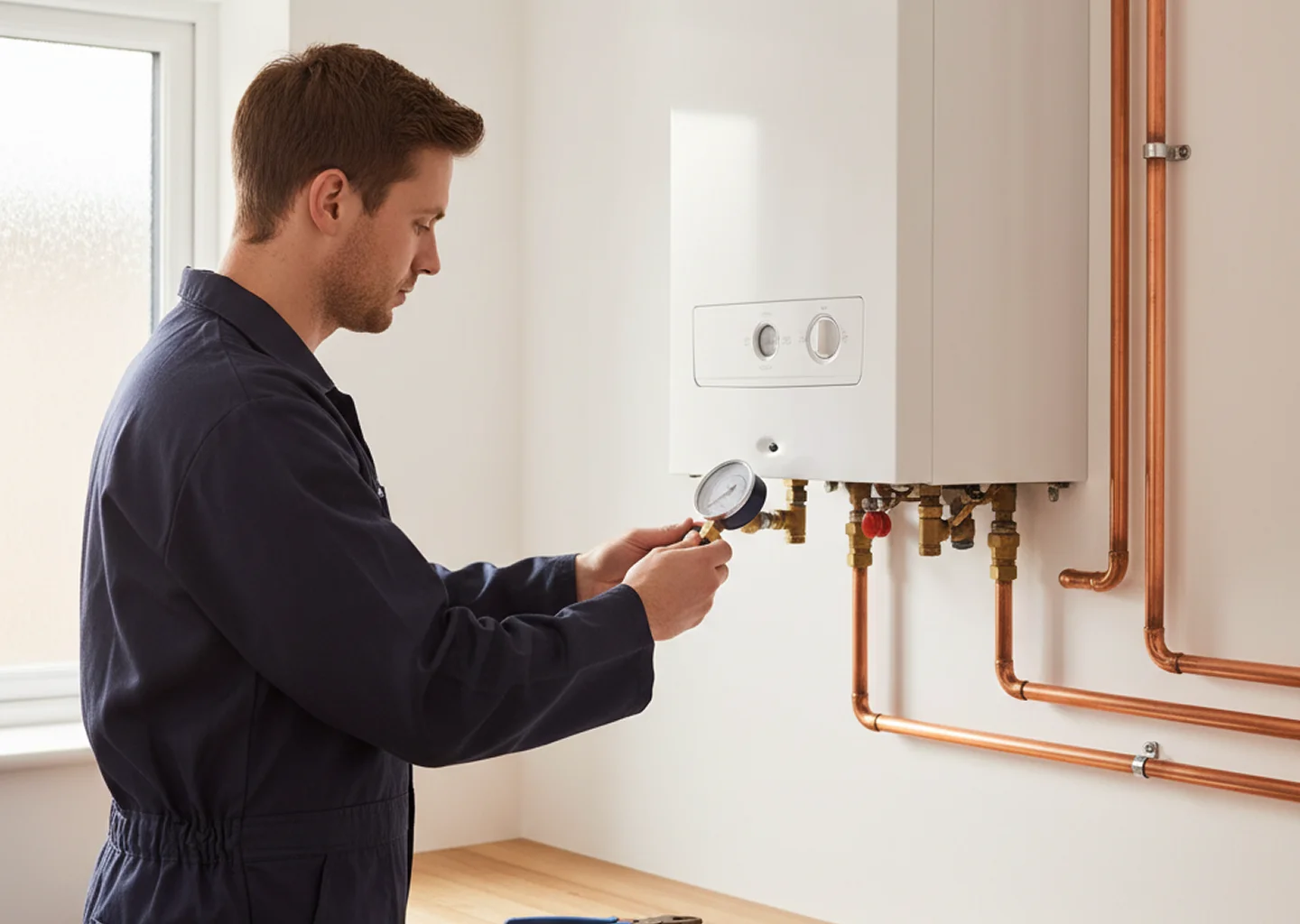
This final stage is particularly important with a combi boiler because the appliance provides both central heating and domestic hot water from one system. A proper commissioning process should confirm that both functions work as intended, while also making sure the installation meets the manufacturer’s requirements.
For homeowners arranging a new combi boiler Glasgow installation, understanding what happens during commissioning makes it much easier to recognise a thorough job and ask the right questions before the installer leaves.
If you are considering a replacement boiler and want to understand what should be included from installation through to handover, contact Origin GPH for tailored advice and a bespoke quote.
What does boiler commissioning actually mean?
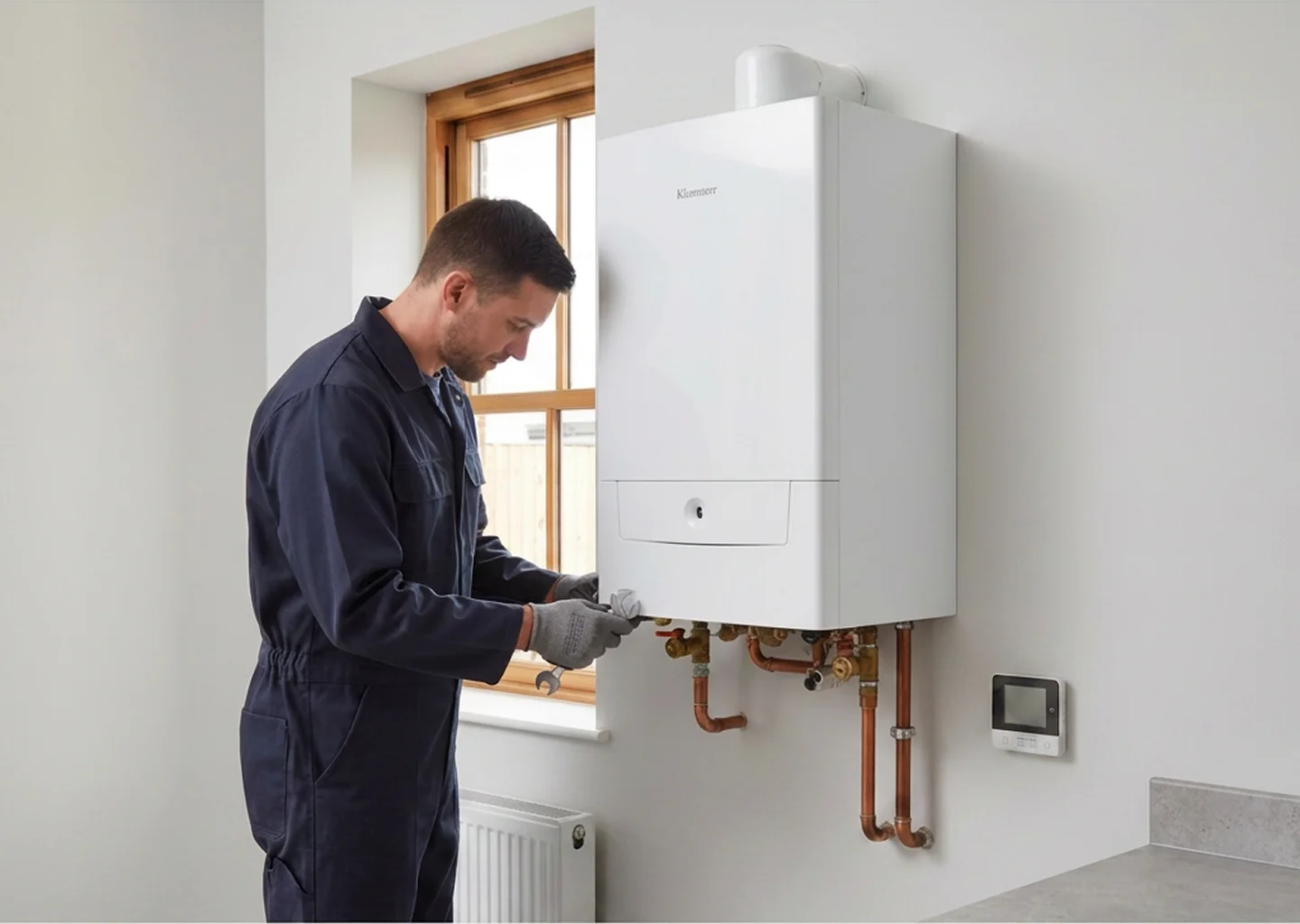
Commissioning is the process of checking and setting up a newly installed boiler so it can operate safely, correctly and efficiently.
It is not simply switching the boiler on. The installer should work through the manufacturer’s commissioning requirements and confirm that the appliance and heating system are functioning correctly.
Benchmark explains that installers have responsibilities covering installation, commissioning and servicing, with products expected to be installed and commissioned in accordance with the manufacturer’s instructions.
A proper commissioning process can involve checking:
- The gas installation and appliance operation
- Flue arrangements
- Boiler operating parameters
- Central heating performance
- Hot water performance
- System pressure
- Controls and thermostat operation
- Condensate arrangements
- Safety functions
- Relevant installation and commissioning records
The exact checks depend on the boiler model and the property’s heating system, so there is no sensible one-size-fits-all checklist for every installation.
What happens during a combi boiler commissioning process?
A professional combi boiler installation Glasgow service should include a structured commissioning stage rather than treating the first successful ignition as the end of the job.
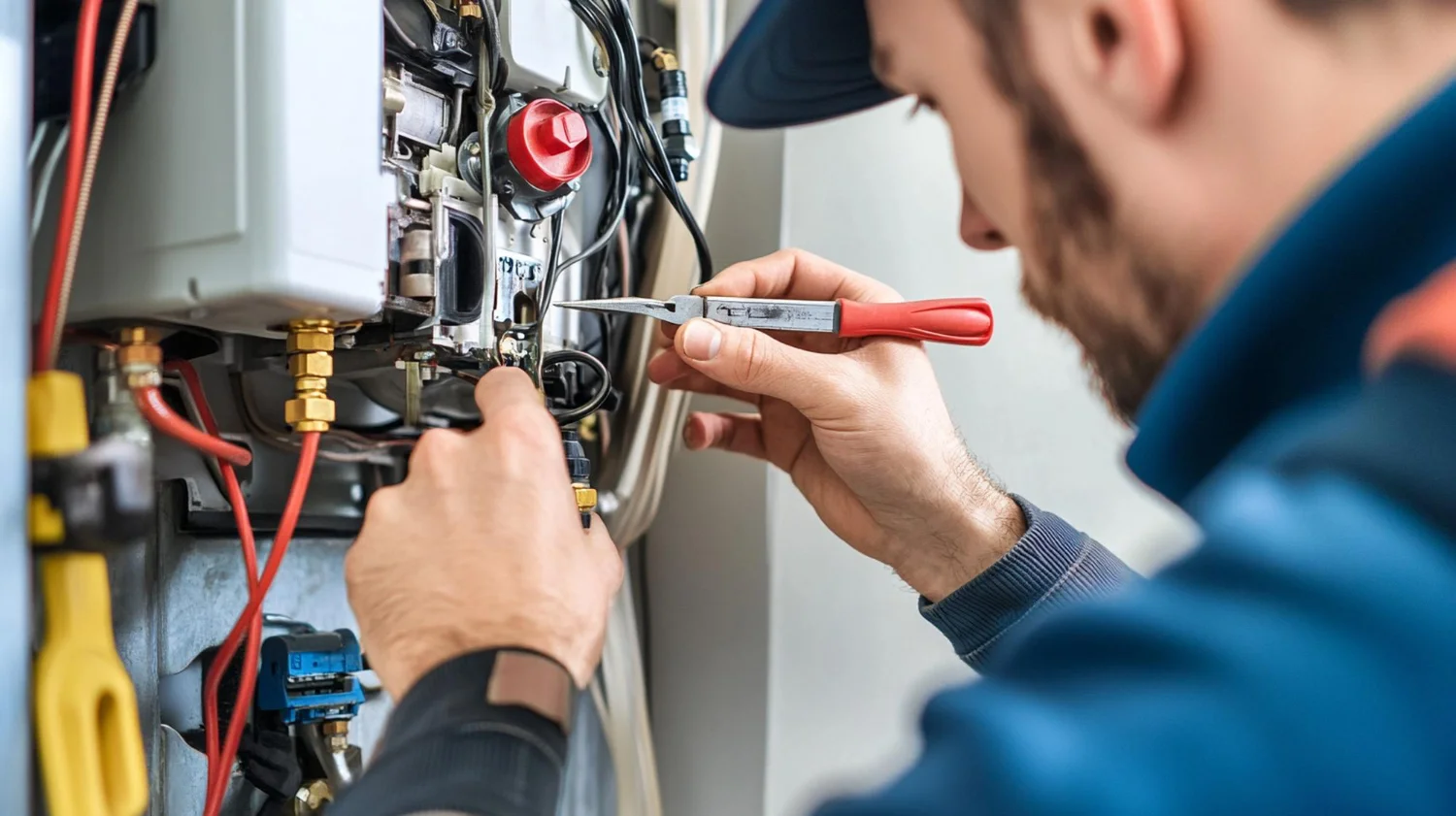
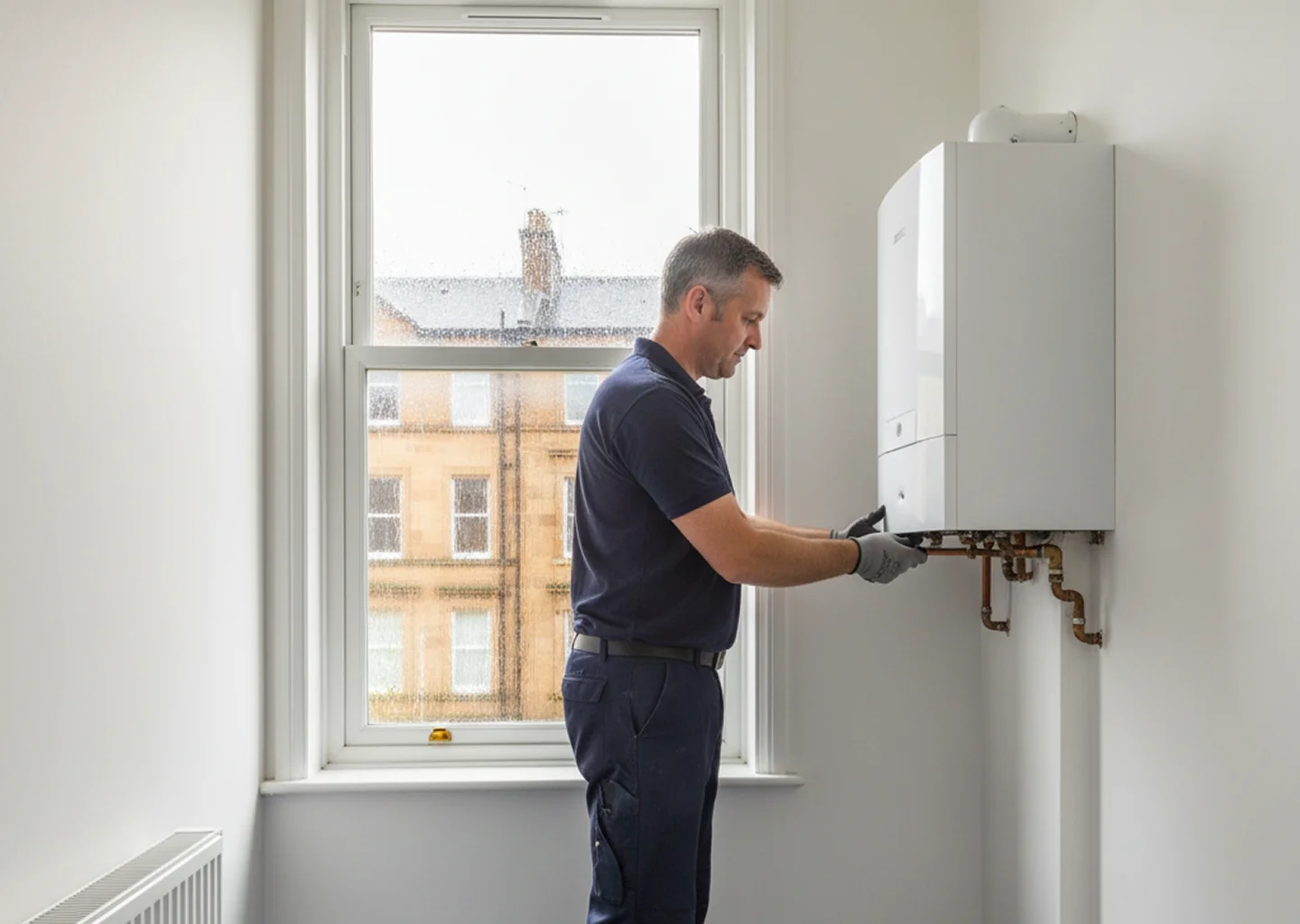
The engineer should check that the appliance starts correctly and responds appropriately to heating and hot water demand. They may also check system pressure, temperatures, controls and other operating parameters specified by the manufacturer.
The heating circuit should be assessed alongside the boiler. A new appliance cannot perform properly if there are unresolved problems elsewhere in the system, such as poor circulation, unsuitable controls or significant issues with existing radiators and pipework.
The engineer should also ensure that the installation has been left in a safe working condition.
Why are gas and flue checks important?
The boiler’s flue is a critical safety component because it removes combustion products from the appliance.
During commissioning, the engineer should confirm that the flue has been installed correctly and that the appliance is operating safely. The precise requirements depend on the boiler and installation arrangement, which is why manufacturer instructions matter.
The condensate discharge system also deserves attention. Modern condensing boilers produce condensate that needs to drain correctly. Guidance from the Heating and Hotwater Industry Council highlights the importance of appropriate condensate installation and protection, particularly where sections of pipework are exposed to freezing conditions.
These are technical checks that should be carried out by the appropriately qualified installer rather than attempted by the homeowner.
(Link to service page: Combi Boiler Installation)
Are the heating and hot water controls tested?
Yes. Commissioning should not stop once the boiler itself appears to be working.
The engineer should check that the controls communicate correctly with the boiler and that the homeowner understands how to use them.
Depending on the system, this may include:
|
Component |
What should be checked |
|
Boiler |
Starts and operates correctly |
|
Room thermostat |
Responds to temperature changes |
|
Heating controls |
Heating comes on and switches off correctly |
|
Hot water |
Taps receive hot water as expected |
|
Temperature settings |
Appropriate settings are established |
|
System pressure |
Pressure is checked and explained |
|
Programmer or smart control |
Functions correctly where fitted |
|
Radiators |
Heating circuit operates correctly |
A control system can have excellent features, but they are of little value if the homeowner does not understand how to use them.
This is why a good handover should include a practical explanation rather than simply leaving the instruction manual on the kitchen worktop.
Origin GPH can help homeowners understand the practical side of replacing a boiler, including appliance selection, controls and the commissioning process. Speak to our team if you want to discuss the requirements of your property.
Which fuel powers your boiler?
It just takes 2 minutes
And then you can book a free consultation
What should the installer check about system performance?
The boiler is only one part of the heating system.
When a replacement combi boiler is installed, the engineer should consider how the appliance works with the property’s existing heating circuit. The system should be checked for appropriate operation, circulation and response.
For example, if the boiler reaches its target temperature but some radiators remain cold, the issue may not necessarily be the new appliance. The system could require balancing, cleaning or further investigation.
A thorough installer should therefore look beyond the boiler casing and make sure the heating system behaves as expected.
This is particularly useful in older Glasgow properties where the existing heating infrastructure may have been installed many years before the new boiler.
What paperwork should you receive after commissioning?
The paperwork is an important part of the installation because it provides a record of what has been completed.
Benchmark states that the installer should complete the relevant commissioning checklist and that homeowners should receive a clear explanation of how the appliance operates.
The documents you receive will vary depending on the appliance and installation, but may include:
- Boiler installation and commissioning information
- Manufacturer’s operating instructions
- Warranty or registration information
- Relevant compliance documentation
- Details of controls and system operation
- Servicing recommendations
Keep these documents somewhere safe. They can be useful when arranging future servicing, troubleshooting a fault or providing information about the property if you move home.
What should happen during the final homeowner handover?
The handover should turn a newly installed boiler into a heating system you actually understand.
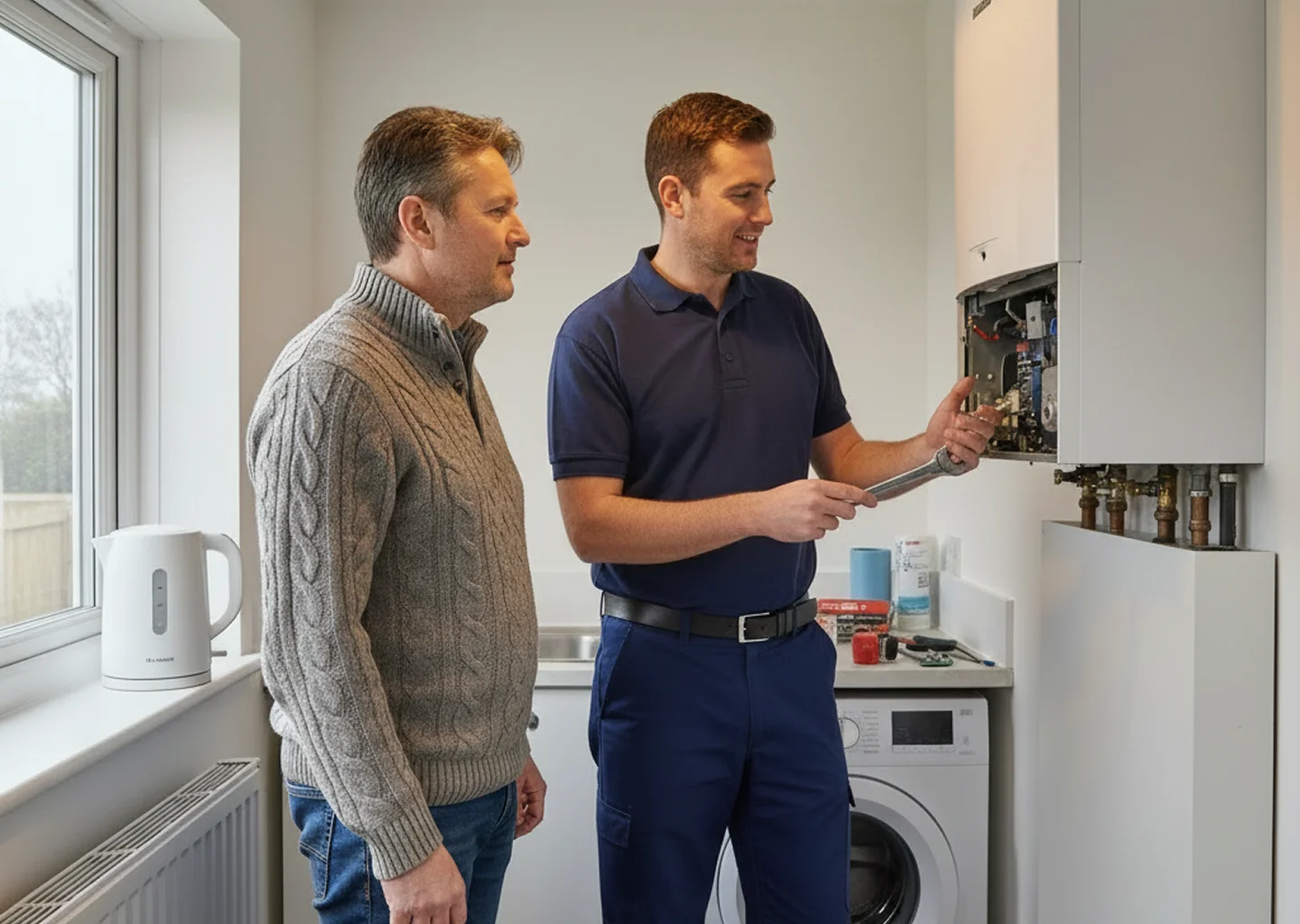
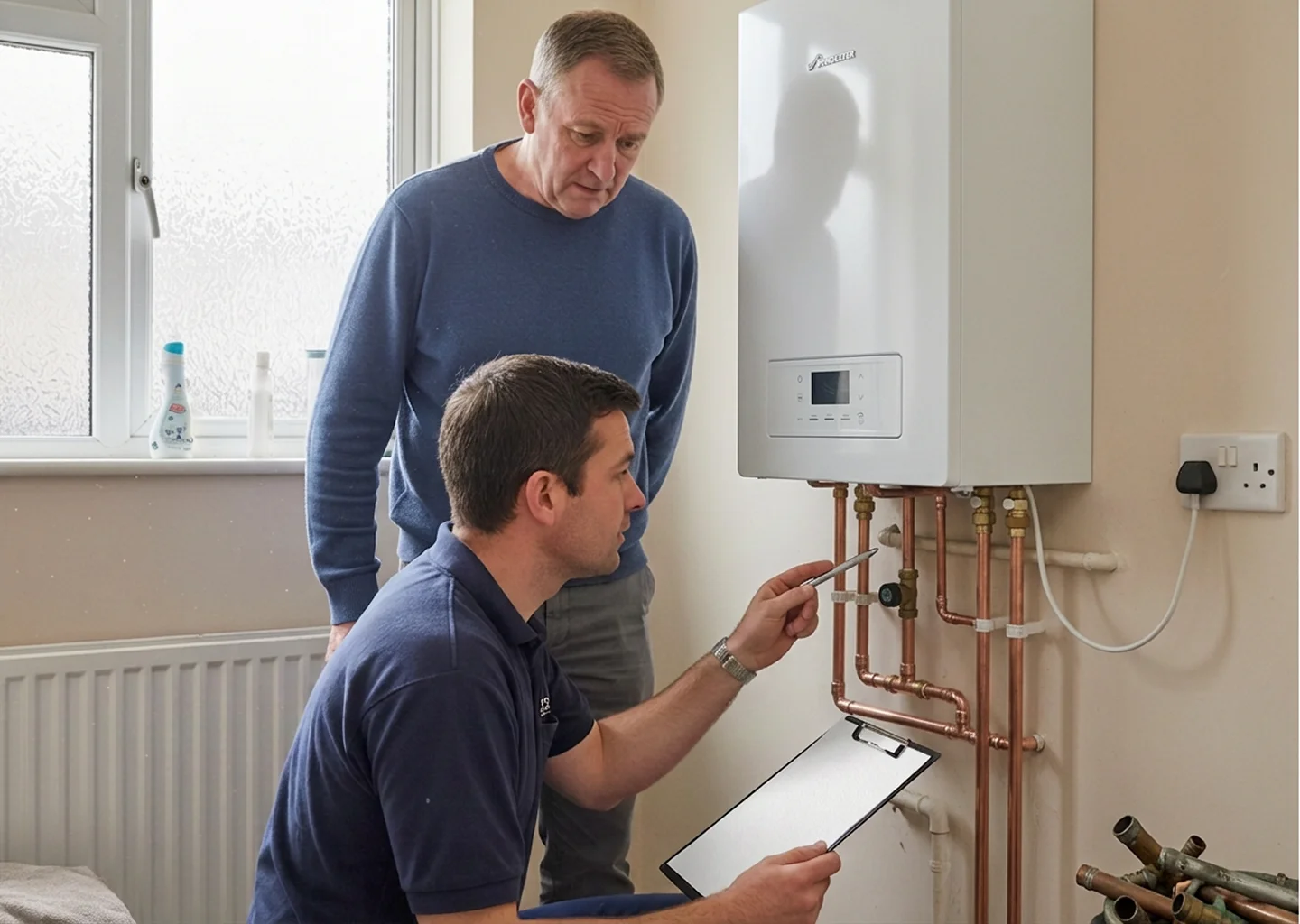
The installer should explain the essential controls and answer reasonable questions about everyday operation. You should know how to adjust the heating and hot water, understand the normal pressure range where relevant, and know what to do if the appliance displays a fault.
A good handover should cover:
- How to operate the boiler.
- How to adjust the thermostat.
- How to use the programmer or smart controls.
- What normal system pressure looks like.
- What to do if a fault code appears.
- When servicing should be arranged.
- Which documents and warranty details should be retained.
You do not need to become a heating engineer. The purpose is simply to ensure you can operate the system confidently and recognise when professional assistance is needed.
What are the signs that commissioning has been rushed?
There are several warning signs that a homeowner may want to question.
The boiler may be producing heat, but that alone does not demonstrate that the installation has been fully commissioned.
Be cautious if:
- The installer cannot explain what commissioning checks were completed.
- The controls have not been demonstrated.
- The boiler repeatedly shows fault codes.
- Hot water performance has not been checked.
- Some radiators are not heating properly.
- You have not been given the relevant documentation.
- The installer leaves without explaining basic operation.
- Questions about warranty or servicing are dismissed.
A rushed handover does not automatically mean the boiler has been installed incorrectly, but it is reasonable to ask for clarification before considering the job complete.
Can a new combi boiler be commissioned differently depending on the property?
Yes. The commissioning process is based on the specific boiler, installation and heating system.
For example, a modern boiler installed in a well-maintained contemporary property may require a different set of practical considerations from one fitted into an older terrace with an established heating circuit.
The installer needs to follow the appliance manufacturer’s instructions while also considering the wider system.
This is one reason why choosing an installer based solely on the lowest installation price can be risky. Proper assessment, installation, commissioning and handover all form part of the finished service.
A typical Glasgow installation scenario
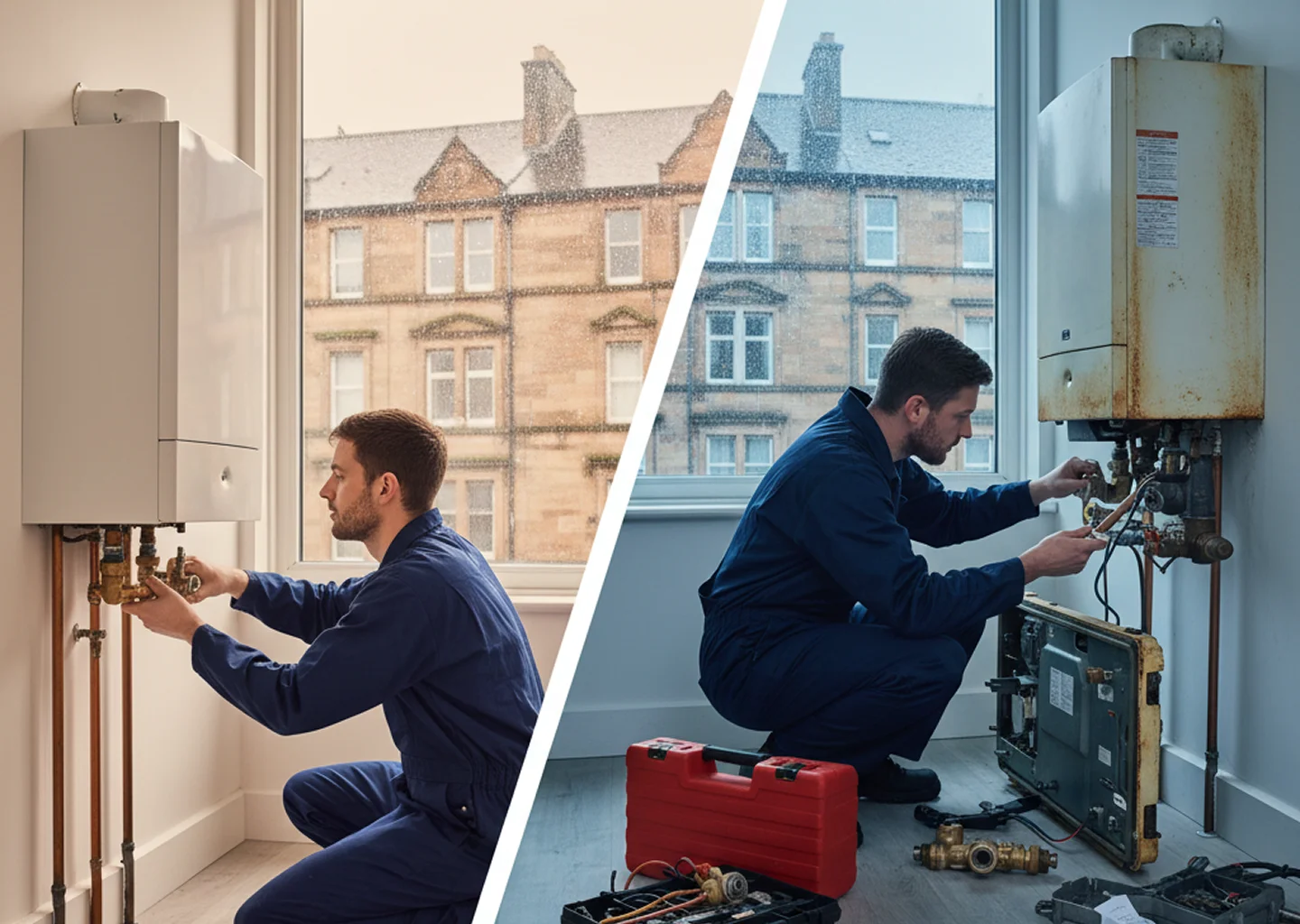
Imagine a homeowner replacing an ageing boiler in a traditional Glasgow semi-detached property. The new combi boiler is selected to meet the home’s heating and hot water requirements, but the existing radiators and controls are retained.
Once the appliance is installed, the engineer checks the boiler, heating circuit, hot water operation, controls and system pressure. The installer also confirms that the flue and condensate arrangements are appropriate for the property.
The homeowner is then shown how to use the thermostat and boiler controls and receives the relevant documentation. This final stage may only take part of the overall installation time, but it can make a significant difference to the homeowner’s confidence in the completed system.
Frequently Asked Questions
A successful boiler installation does not end when the radiators become warm. The commissioning process confirms that the appliance, controls and wider heating system are operating as they should, while the final handover ensures the homeowner understands how to use everything properly.
When arranging a new combi boiler Glasgow replacement, look for an installer who treats commissioning and handover as essential parts of the work rather than optional extras. A careful installation followed by proper testing, documentation and explanation gives you a much stronger foundation for reliable heating.
If you are planning a boiler replacement and want professional guidance on the right system and installation process, contact Origin GPH. Our team can discuss your requirements and help you arrange a suitable installation with a clear, thorough handover.
Related articles
Which fuel powers your boiler?
At a glance
This final stage is particularly important with a combi boiler because the appliance provides both central heating and domestic hot water from one system. A proper commissioning process should confirm that both functions work as intended, while also making sure the installation meets the manufacturer’s requirements.
For homeowners arranging a new combi boiler Glasgow installation, understanding what happens during commissioning makes it much easier to recognise a thorough job and ask the right questions before the installer leaves.
If you are considering a replacement boiler and want to understand what should be included from installation through to handover, contact Origin GPH for tailored advice and a bespoke quote.
What does boiler commissioning actually mean?
Commissioning is the process of checking and setting up a newly installed boiler so it can operate safely, correctly and efficiently.
It is not simply switching the boiler on. The installer should work through the manufacturer’s commissioning requirements and confirm that the appliance and heating system are functioning correctly.
Benchmark explains that installers have responsibilities covering installation, commissioning and servicing, with products expected to be installed and commissioned in accordance with the manufacturer’s instructions.
A proper commissioning process can involve checking:
- The gas installation and appliance operation
- Flue arrangements
- Boiler operating parameters
- Central heating performance
- Hot water performance
- System pressure
- Controls and thermostat operation
- Condensate arrangements
- Safety functions
- Relevant installation and commissioning records
The exact checks depend on the boiler model and the property’s heating system, so there is no sensible one-size-fits-all checklist for every installation.
What happens during a combi boiler commissioning process?
A professional combi boiler installation Glasgow service should include a structured commissioning stage rather than treating the first successful ignition as the end of the job.
The engineer should check that the appliance starts correctly and responds appropriately to heating and hot water demand. They may also check system pressure, temperatures, controls and other operating parameters specified by the manufacturer.
The heating circuit should be assessed alongside the boiler. A new appliance cannot perform properly if there are unresolved problems elsewhere in the system, such as poor circulation, unsuitable controls or significant issues with existing radiators and pipework.
The engineer should also ensure that the installation has been left in a safe working condition.
Why are gas and flue checks important?
The boiler’s flue is a critical safety component because it removes combustion products from the appliance.
During commissioning, the engineer should confirm that the flue has been installed correctly and that the appliance is operating safely. The precise requirements depend on the boiler and installation arrangement, which is why manufacturer instructions matter.
The condensate discharge system also deserves attention. Modern condensing boilers produce condensate that needs to drain correctly. Guidance from the Heating and Hotwater Industry Council highlights the importance of appropriate condensate installation and protection, particularly where sections of pipework are exposed to freezing conditions.
These are technical checks that should be carried out by the appropriately qualified installer rather than attempted by the homeowner.
(Link to service page: Combi Boiler Installation)
Are the heating and hot water controls tested?
Yes. Commissioning should not stop once the boiler itself appears to be working.
The engineer should check that the controls communicate correctly with the boiler and that the homeowner understands how to use them.
Depending on the system, this may include:
|
Component |
What should be checked |
|
Boiler |
Starts and operates correctly |
|
Room thermostat |
Responds to temperature changes |
|
Heating controls |
Heating comes on and switches off correctly |
|
Hot water |
Taps receive hot water as expected |
|
Temperature settings |
Appropriate settings are established |
|
System pressure |
Pressure is checked and explained |
|
Programmer or smart control |
Functions correctly where fitted |
|
Radiators |
Heating circuit operates correctly |
A control system can have excellent features, but they are of little value if the homeowner does not understand how to use them.
This is why a good handover should include a practical explanation rather than simply leaving the instruction manual on the kitchen worktop.
Origin GPH can help homeowners understand the practical side of replacing a boiler, including appliance selection, controls and the commissioning process. Speak to our team if you want to discuss the requirements of your property.
Which fuel powers your boiler?
It just takes 2 minutes
And then you can book a free consultation
What should the installer check about system performance?
The boiler is only one part of the heating system.
When a replacement combi boiler is installed, the engineer should consider how the appliance works with the property’s existing heating circuit. The system should be checked for appropriate operation, circulation and response.
For example, if the boiler reaches its target temperature but some radiators remain cold, the issue may not necessarily be the new appliance. The system could require balancing, cleaning or further investigation.
A thorough installer should therefore look beyond the boiler casing and make sure the heating system behaves as expected.
This is particularly useful in older Glasgow properties where the existing heating infrastructure may have been installed many years before the new boiler.
What paperwork should you receive after commissioning?
The paperwork is an important part of the installation because it provides a record of what has been completed.
Benchmark states that the installer should complete the relevant commissioning checklist and that homeowners should receive a clear explanation of how the appliance operates.
The documents you receive will vary depending on the appliance and installation, but may include:
- Boiler installation and commissioning information
- Manufacturer’s operating instructions
- Warranty or registration information
- Relevant compliance documentation
- Details of controls and system operation
- Servicing recommendations
Keep these documents somewhere safe. They can be useful when arranging future servicing, troubleshooting a fault or providing information about the property if you move home.
What should happen during the final homeowner handover?
The handover should turn a newly installed boiler into a heating system you actually understand.
The installer should explain the essential controls and answer reasonable questions about everyday operation. You should know how to adjust the heating and hot water, understand the normal pressure range where relevant, and know what to do if the appliance displays a fault.
A good handover should cover:
- How to operate the boiler.
- How to adjust the thermostat.
- How to use the programmer or smart controls.
- What normal system pressure looks like.
- What to do if a fault code appears.
- When servicing should be arranged.
- Which documents and warranty details should be retained.
You do not need to become a heating engineer. The purpose is simply to ensure you can operate the system confidently and recognise when professional assistance is needed.
What are the signs that commissioning has been rushed?
There are several warning signs that a homeowner may want to question.
The boiler may be producing heat, but that alone does not demonstrate that the installation has been fully commissioned.
Be cautious if:
- The installer cannot explain what commissioning checks were completed.
- The controls have not been demonstrated.
- The boiler repeatedly shows fault codes.
- Hot water performance has not been checked.
- Some radiators are not heating properly.
- You have not been given the relevant documentation.
- The installer leaves without explaining basic operation.
- Questions about warranty or servicing are dismissed.
A rushed handover does not automatically mean the boiler has been installed incorrectly, but it is reasonable to ask for clarification before considering the job complete.
Can a new combi boiler be commissioned differently depending on the property?
Yes. The commissioning process is based on the specific boiler, installation and heating system.
For example, a modern boiler installed in a well-maintained contemporary property may require a different set of practical considerations from one fitted into an older terrace with an established heating circuit.
The installer needs to follow the appliance manufacturer’s instructions while also considering the wider system.
This is one reason why choosing an installer based solely on the lowest installation price can be risky. Proper assessment, installation, commissioning and handover all form part of the finished service.
A typical Glasgow installation scenario
Imagine a homeowner replacing an ageing boiler in a traditional Glasgow semi-detached property. The new combi boiler is selected to meet the home’s heating and hot water requirements, but the existing radiators and controls are retained.
Once the appliance is installed, the engineer checks the boiler, heating circuit, hot water operation, controls and system pressure. The installer also confirms that the flue and condensate arrangements are appropriate for the property.
The homeowner is then shown how to use the thermostat and boiler controls and receives the relevant documentation. This final stage may only take part of the overall installation time, but it can make a significant difference to the homeowner’s confidence in the completed system.
Frequently Asked Questions
A successful boiler installation does not end when the radiators become warm. The commissioning process confirms that the appliance, controls and wider heating system are operating as they should, while the final handover ensures the homeowner understands how to use everything properly.
When arranging a new combi boiler Glasgow replacement, look for an installer who treats commissioning and handover as essential parts of the work rather than optional extras. A careful installation followed by proper testing, documentation and explanation gives you a much stronger foundation for reliable heating.
If you are planning a boiler replacement and want professional guidance on the right system and installation process, contact Origin GPH. Our team can discuss your requirements and help you arrange a suitable installation with a clear, thorough handover.