
What Must Landlords Do for Emergency Boiler Repairs in Tenanted Homes?
A boiler breakdown is never convenient, but in a rental property it becomes urgent very quickly. Tenants rely on heating and hot water daily, and landlords have a legal duty to respond when things go wrong.

Why you can trust our content
We understand that the boiler industry can be confusing, with plenty of outdated or misleading information. That’s why we rely only on trusted, proven sources to guide our advice and installations:
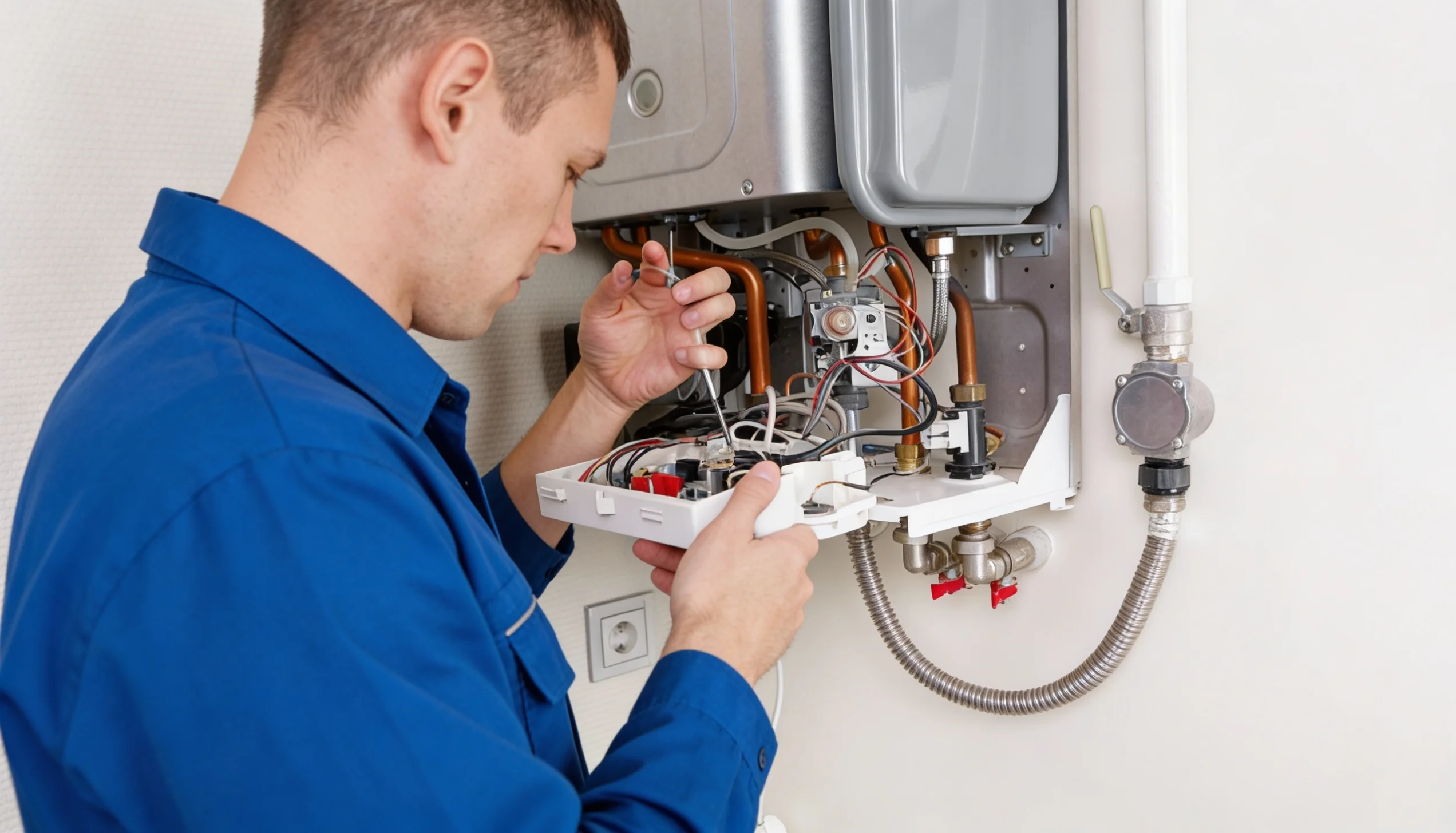
Understanding how to handle emergency situations properly can help you protect your tenants, stay compliant, and avoid escalating costs. This guide explains exactly what landlords in Glasgow should do when faced with a boiler emergency.
If you are dealing with an urgent issue, you can contact our team at Origin GPH for fast, reliable support when it matters most.
What Counts as a Boiler Emergency?
Not every fault is an emergency, but certain situations require immediate attention. Landlords must act quickly when heating or hot water is completely lost, especially during colder months.
Common emergency scenarios include:
- No heating or hot water
- Gas leaks or unusual smells
- Sudden boiler shutdown
- Leaks causing water damage
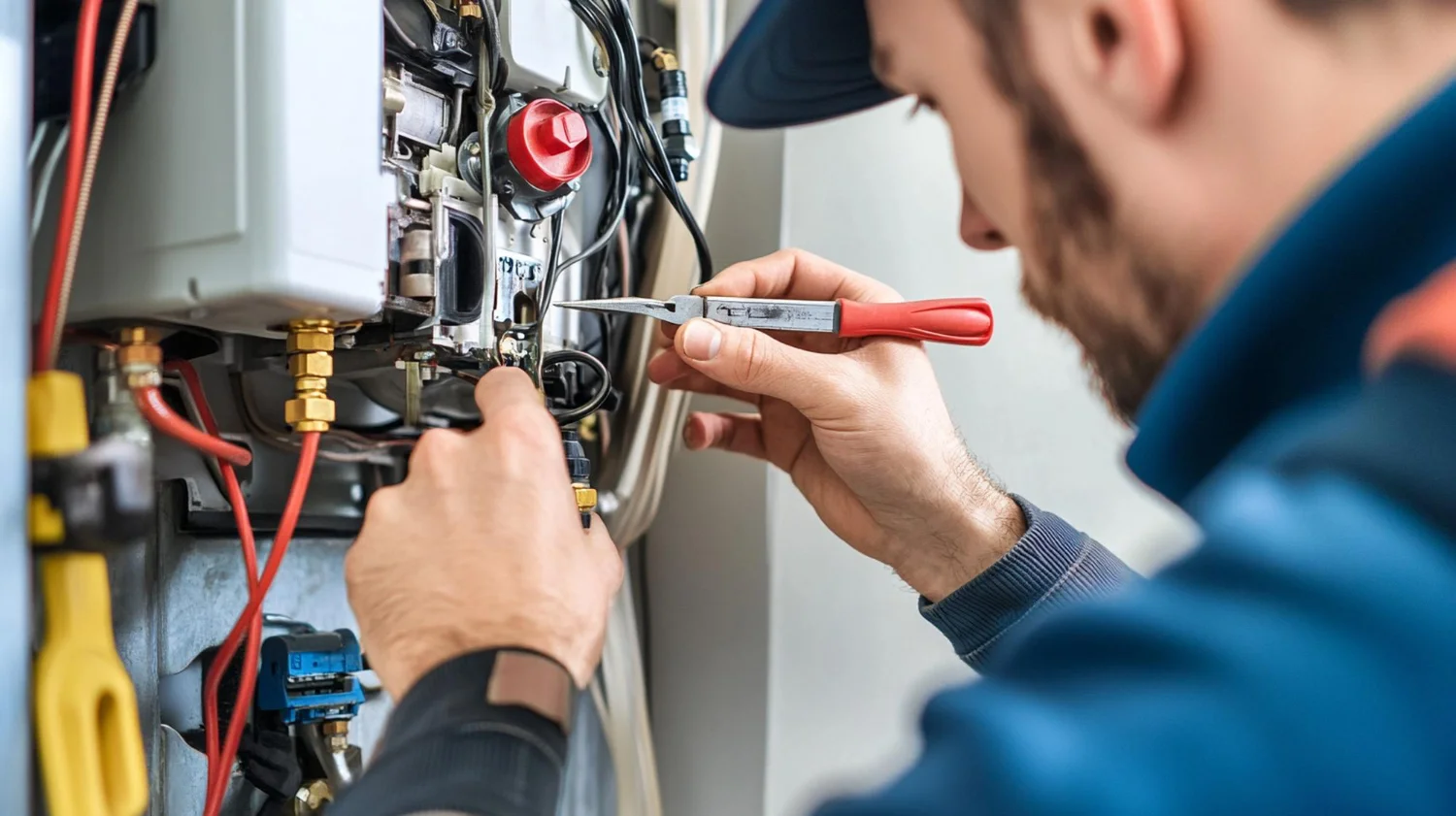
In these cases, arranging boiler repair glasgow services without delay is essential to protect both tenants and the property.
What Are Your Legal Responsibilities as a Landlord?
Landlords in Scotland are legally required to ensure heating systems are safe and functional. When a boiler fails, you must act within a reasonable timeframe.
Your responsibilities include:
- Responding promptly to tenant reports
- Arranging repairs with a qualified engineer
- Ensuring the system is safe before use
- Providing temporary heating if needed
Failing to act quickly can lead to legal issues, especially if tenant safety is compromised.
How Quickly Should You Respond to an Emergency?
In most cases, landlords should aim to respond within 24 hours of being notified. The exact timeframe may depend on the severity of the issue.
For serious emergencies:
- Immediate contact with an engineer is recommended
- Repairs should be prioritised as urgent
- Temporary solutions should be arranged if delays occur
Fast action not only keeps tenants safe but can also reduce the overall emergency boiler repair cost by preventing further damage.
What kind of fuel does your boiler use?
Mains Gas
LPG
It just takes 2 minutes
And then you can book a free consultation
What Steps Should You Take When a Boiler Breaks Down?
Having a clear plan can make a stressful situation much easier to manage.
Immediate Action Checklist
|
Step |
What to Do |
|
1. Confirm the issue |
Speak to the tenant and gather details |
|
2. Check safety risks |
Identify any gas or water hazards |
|
3. Contact an engineer |
Arrange urgent inspection and repair |
|
4. Communicate updates |
Keep tenants informed throughout |
|
5. Arrange temporary heat |
Provide heaters if required |
Following these steps ensures a structured and effective response.
How Much Do Emergency Repairs Cost?
Costs can vary depending on the nature of the fault, the time of callout, and the parts required.
Typical cost factors include:
- Time of repair (out-of-hours work may cost more)
- Severity of the issue
- Availability of replacement parts
- Labour time required
The emergency boiler repair cost can range from relatively minor charges for simple fixes to higher costs for major component failures.
Can Emergency Repairs Be Avoided?
While not all breakdowns can be prevented, regular maintenance significantly reduces the risk.
Preventative measures include:
- Annual servicing
- Addressing minor issues early
- Replacing ageing boilers before failure
- Monitoring system performance
Proactive maintenance reduces the likelihood of needing urgent boiler repair glasgow services.
What Should You Do If Repairs Take Time?
In some cases, repairs may take longer due to parts availability or complex issues. Landlords must ensure tenants are not left without essential services.
Options include:
- Providing temporary electric heaters
- Offering alternative accommodation if necessary
- Keeping tenants informed about timelines
Clear communication is key to maintaining a good landlord-tenant relationship.
A Typical Emergency Scenario
A landlord receives a call from tenants reporting no heating during winter. The boiler has stopped working completely.
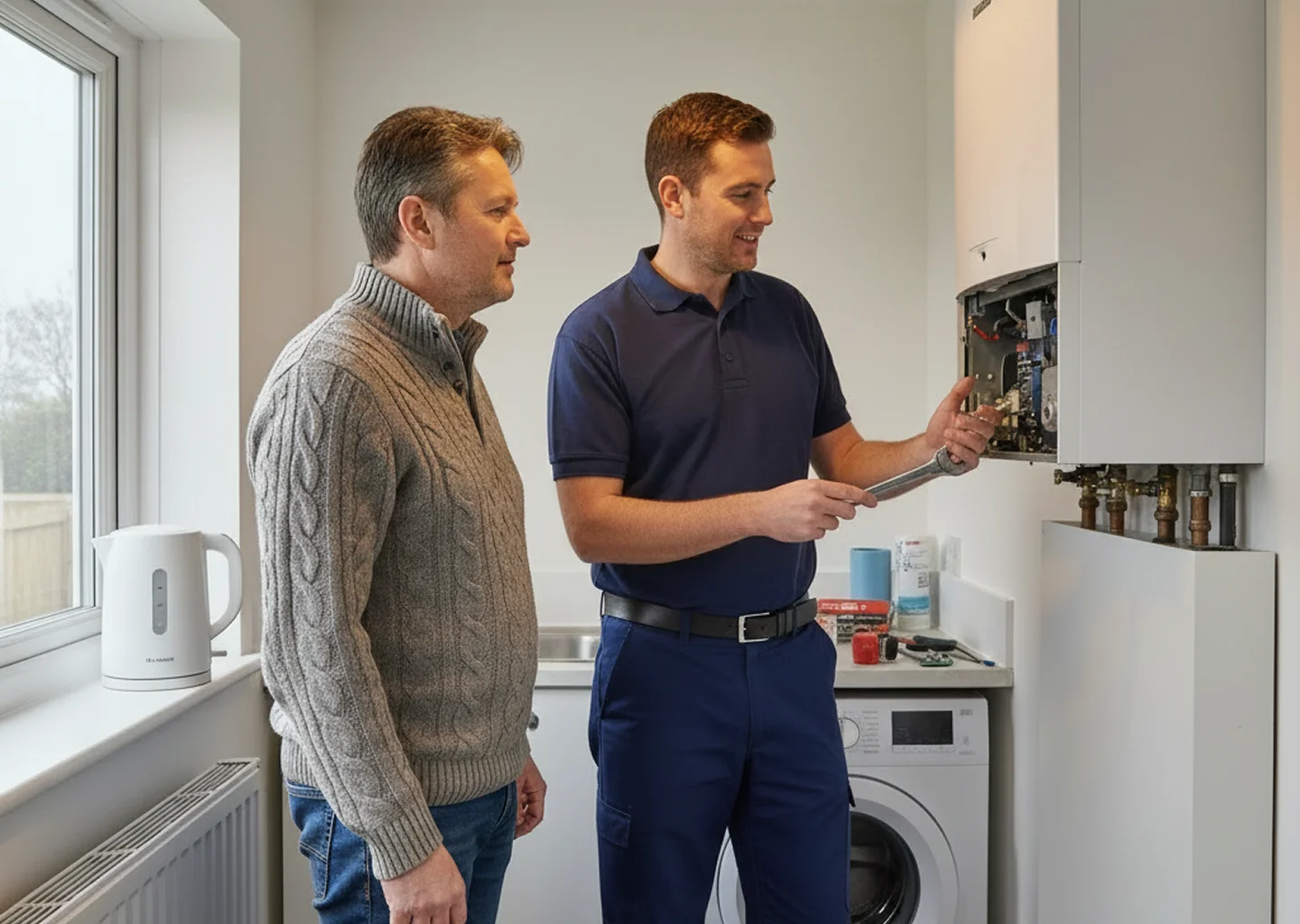
An engineer is contacted immediately, and boiler repair glasgow services are arranged the same day. While waiting for parts, temporary heaters are provided to the tenants.
The issue is resolved within two days, avoiding further complications and keeping tenants comfortable.
How Do You Choose a Reliable Emergency Repair Service?
Not all engineers offer the same level of service, especially in urgent situations. Choosing the right provider is essential.
Look for:
- Gas Safe registration
- Fast response times
- Experience with emergency repairs
- Clear pricing structure
A reliable service helps minimise disruption and ensures repairs are completed safely.
What Are the Risks of Delaying Repairs?
Delaying necessary repairs can lead to more serious problems.
Potential risks include:
- Increased damage to the boiler
- Higher repair costs
- Tenant dissatisfaction or complaints
- Legal consequences
Acting quickly helps avoid these issues and keeps your property in good condition.
How Can Landlords Prepare for Emergencies?
Preparation can make a significant difference when problems arise.
Practical steps include:
- Keeping contact details of a trusted engineer
- Maintaining service records
- Setting aside a maintenance budget
- Considering boiler cover plans
Planning ahead can reduce stress and ensure a faster response when needed.
If you want to be prepared for unexpected breakdowns, speak to our team about ongoing support and maintenance options.
Frequently Asked Questions
Emergency boiler repairs are an unavoidable part of managing rental properties, but knowing how to respond makes all the difference. Acting quickly, working with qualified professionals, and keeping tenants informed helps minimise disruption and costs.
With the right approach, landlords can handle emergencies efficiently while maintaining safety and compliance.
If you need urgent assistance or want to plan ahead, contact Origin GPH today for dependable support and expert advice.
Related articles
What kind of fuel does your boiler use?
Mains Gas
LPG
At a glance
Understanding how to handle emergency situations properly can help you protect your tenants, stay compliant, and avoid escalating costs. This guide explains exactly what landlords in Glasgow should do when faced with a boiler emergency.
If you are dealing with an urgent issue, you can contact our team at Origin GPH for fast, reliable support when it matters most.
What Counts as a Boiler Emergency?
Not every fault is an emergency, but certain situations require immediate attention. Landlords must act quickly when heating or hot water is completely lost, especially during colder months.
Common emergency scenarios include:
- No heating or hot water
- Gas leaks or unusual smells
- Sudden boiler shutdown
- Leaks causing water damage
In these cases, arranging boiler repair glasgow services without delay is essential to protect both tenants and the property.
What Are Your Legal Responsibilities as a Landlord?
Landlords in Scotland are legally required to ensure heating systems are safe and functional. When a boiler fails, you must act within a reasonable timeframe.
Your responsibilities include:
- Responding promptly to tenant reports
- Arranging repairs with a qualified engineer
- Ensuring the system is safe before use
- Providing temporary heating if needed
Failing to act quickly can lead to legal issues, especially if tenant safety is compromised.
How Quickly Should You Respond to an Emergency?
In most cases, landlords should aim to respond within 24 hours of being notified. The exact timeframe may depend on the severity of the issue.
For serious emergencies:
- Immediate contact with an engineer is recommended
- Repairs should be prioritised as urgent
- Temporary solutions should be arranged if delays occur
Fast action not only keeps tenants safe but can also reduce the overall emergency boiler repair cost by preventing further damage.
What kind of fuel does your boiler use?
Mains Gas
LPG
It just takes 2 minutes
And then you can book a free consultation
What Steps Should You Take When a Boiler Breaks Down?
Having a clear plan can make a stressful situation much easier to manage.
Immediate Action Checklist
|
Step |
What to Do |
|
1. Confirm the issue |
Speak to the tenant and gather details |
|
2. Check safety risks |
Identify any gas or water hazards |
|
3. Contact an engineer |
Arrange urgent inspection and repair |
|
4. Communicate updates |
Keep tenants informed throughout |
|
5. Arrange temporary heat |
Provide heaters if required |
Following these steps ensures a structured and effective response.
How Much Do Emergency Repairs Cost?
Costs can vary depending on the nature of the fault, the time of callout, and the parts required.
Typical cost factors include:
- Time of repair (out-of-hours work may cost more)
- Severity of the issue
- Availability of replacement parts
- Labour time required
The emergency boiler repair cost can range from relatively minor charges for simple fixes to higher costs for major component failures.
Can Emergency Repairs Be Avoided?
While not all breakdowns can be prevented, regular maintenance significantly reduces the risk.
Preventative measures include:
- Annual servicing
- Addressing minor issues early
- Replacing ageing boilers before failure
- Monitoring system performance
Proactive maintenance reduces the likelihood of needing urgent boiler repair glasgow services.
What Should You Do If Repairs Take Time?
In some cases, repairs may take longer due to parts availability or complex issues. Landlords must ensure tenants are not left without essential services.
Options include:
- Providing temporary electric heaters
- Offering alternative accommodation if necessary
- Keeping tenants informed about timelines
Clear communication is key to maintaining a good landlord-tenant relationship.
A Typical Emergency Scenario
A landlord receives a call from tenants reporting no heating during winter. The boiler has stopped working completely.
An engineer is contacted immediately, and boiler repair glasgow services are arranged the same day. While waiting for parts, temporary heaters are provided to the tenants.
The issue is resolved within two days, avoiding further complications and keeping tenants comfortable.
How Do You Choose a Reliable Emergency Repair Service?
Not all engineers offer the same level of service, especially in urgent situations. Choosing the right provider is essential.
Look for:
- Gas Safe registration
- Fast response times
- Experience with emergency repairs
- Clear pricing structure
A reliable service helps minimise disruption and ensures repairs are completed safely.
What Are the Risks of Delaying Repairs?
Delaying necessary repairs can lead to more serious problems.
Potential risks include:
- Increased damage to the boiler
- Higher repair costs
- Tenant dissatisfaction or complaints
- Legal consequences
Acting quickly helps avoid these issues and keeps your property in good condition.
How Can Landlords Prepare for Emergencies?
Preparation can make a significant difference when problems arise.
Practical steps include:
- Keeping contact details of a trusted engineer
- Maintaining service records
- Setting aside a maintenance budget
- Considering boiler cover plans
Planning ahead can reduce stress and ensure a faster response when needed.
If you want to be prepared for unexpected breakdowns, speak to our team about ongoing support and maintenance options.
Frequently Asked Questions
Emergency boiler repairs are an unavoidable part of managing rental properties, but knowing how to respond makes all the difference. Acting quickly, working with qualified professionals, and keeping tenants informed helps minimise disruption and costs.
With the right approach, landlords can handle emergencies efficiently while maintaining safety and compliance.
If you need urgent assistance or want to plan ahead, contact Origin GPH today for dependable support and expert advice.