
When Is the Right Time to Plan a Boiler Installation in Glasgow?
A boiler rarely chooses a convenient moment to fail. It may start making unusual noises during an ordinary morning, struggle to heat the radiators properly or suddenly stop providing hot water when you need it most. While some faults can be repaired, repeated problems can be a sign that replacement should be considered.

Why you can trust our content
We understand that the boiler industry can be confusing, with plenty of outdated or misleading information. That’s why we rely only on trusted, proven sources to guide our advice and installations:

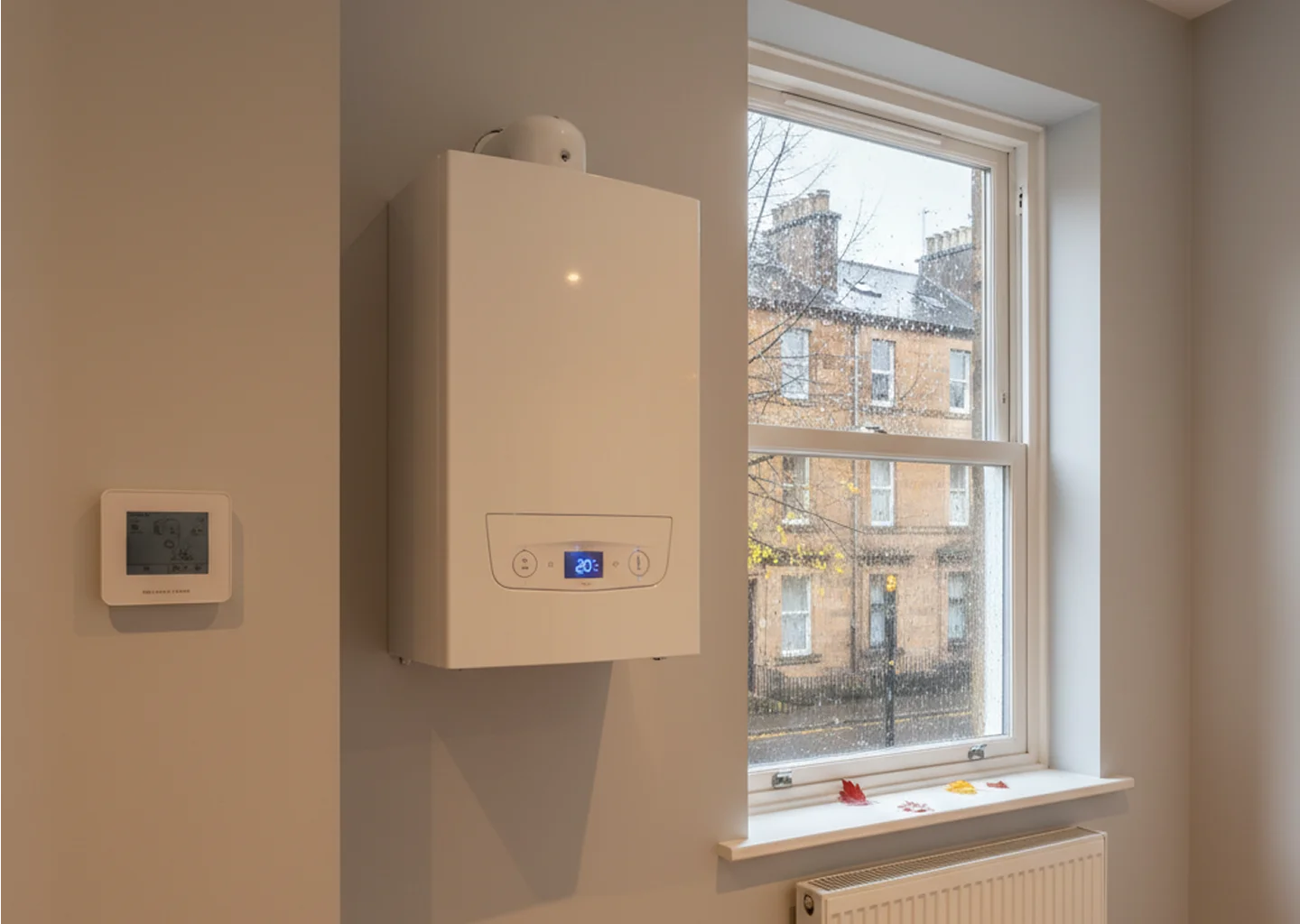
Planning ahead gives homeowners more control over the decision. Instead of choosing a replacement because the heating has stopped working, you can compare suitable systems, understand the installation requirements and arrange the work at a sensible time.
If you are beginning to notice signs that your boiler is reaching the end of its useful life, contact the team at Origin GPH for tailored advice before a minor concern becomes an emergency.
What Are the Signs That a Boiler Replacement Should Be Planned?
There is no single age at which every boiler needs replacing. The condition of the appliance, its efficiency, repair history and suitability for the property all matter.
However, several warning signs can indicate that it is sensible to start planning rather than waiting for a complete breakdown:
- Frequent breakdowns or repair call-outs
- Radiators taking longer to heat
- Inconsistent hot water
- Unusual banging, kettling or whistling noises
- Rising energy use without a clear change in household habits
- Parts becoming difficult or expensive to source
- A boiler that no longer meets the home’s heating and hot water requirements
One isolated fault does not automatically mean replacement is necessary. A qualified engineer can assess the appliance and explain whether repair or replacement is the more sensible long-term option.
Which fuel powers your boiler?
It just takes 2 minutes
And then you can book a free consultation
Is Boiler Age a Good Reason to Start Planning?
Age alone should not dictate the decision, but it can be a useful planning indicator.
Older boilers may have lower efficiency than modern condensing models and can become increasingly expensive to maintain as components wear. If an ageing appliance is also experiencing repeated faults, it is worth looking at replacement options before the next major failure.
The key advantage of early planning is choice. You have time to consider boiler type, output, controls, flue arrangements and installation requirements rather than making a rushed decision when the heating is already unavailable.
A professional boiler fitter Glasgow homeowners can rely on should be able to assess the existing system and explain what would be involved in replacing it.
Why Is Summer Often a Better Time to Plan a Boiler Upgrade?
Many homeowners only think about their boiler when temperatures fall. However, warmer months can be a practical time to assess an ageing heating system.
During summer, the heating system is generally under less pressure from daily demand. This can make it easier to arrange an assessment and schedule installation around your household routine.
Planning earlier can also help avoid the inconvenience of discovering a serious fault during a particularly cold spell.
Benefits of planning before winter
|
Planning ahead |
Waiting for a breakdown |
|
More time to compare suitable options |
Decisions may need to be made quickly |
|
Installation can be scheduled around your routine |
Heating may be unavailable unexpectedly |
|
Potential problems can be identified earlier |
Emergency repairs may become necessary |
|
Budget can be planned in advance |
An unplanned expense can be harder to manage |
|
Less pressure when choosing an installer |
Availability may be more limited |
There is no guarantee that a summer replacement will always be cheaper, but planning during a quieter period can make the overall process more manageable.
How Can Early Planning Reduce Installation Disruption?
Replacing a boiler is usually a straightforward process when the installation has been properly assessed. However, the time required can vary depending on the property and whether any additional work is needed.
For example, replacing an existing combi boiler with a similar modern model may be relatively simple. A more complicated installation could involve changes to pipework, controls, flue arrangements or the location of the appliance.
An early survey gives the installer an opportunity to identify these factors before work begins. That means you can understand the likely scope of the project and make arrangements for the period when your heating and hot water may be temporarily unavailable.
If you are unsure whether your current boiler is worth repairing or replacing, Origin GPH can assess the situation and provide practical guidance based on the property and existing heating system.
What Should You Consider Before Booking a New Boiler?
Choosing a replacement should involve more than simply selecting the same type of boiler as the existing appliance.
Important considerations include:
- The size and layout of the property
- Number of occupants
- Hot water usage
- Existing radiators and pipework
- Available boiler location
- Heating controls
- Energy efficiency
- Future changes to the household
For example, a household with several people regularly using hot water at the same time may have different requirements from a smaller property with lower demand.
The correct boiler output is also important. A larger appliance is not automatically better. Oversizing can affect how efficiently the system operates, while an undersized boiler may struggle to meet demand.
A qualified boiler fitter Glasgow residents choose should therefore assess the whole system rather than recommending a replacement based solely on the existing boiler.
What If the Boiler Has Already Started Breaking Down?
A breakdown does not necessarily mean the boiler must immediately be replaced.
The sensible approach is to establish:
- What has caused the fault?
- How old and reliable is the appliance?
- How much has been spent on repairs recently?
- Are replacement parts readily available?
- Is the boiler still suitable for the property?
- Would replacement provide a better long-term solution?
If the boiler is relatively modern and the fault is minor, repair may make sense. If the appliance is older and has developed several problems, investing further money into repairs may offer diminishing value.
This is where professional assessment becomes particularly useful. A repair decision should consider the condition of the entire appliance rather than focusing only on the immediate fault.
How Much Time Should You Allow for a Planned Installation?
There is no universal timeframe because every property is different. However, homeowners should ideally begin investigating replacement before the boiler becomes unreliable.
Allowing time for an assessment, quotation and installation planning gives you greater flexibility. It also allows potential issues to be identified before the installation date.
If you are considering boiler installation Glasgow services, arranging an assessment while your existing boiler is still operational can be particularly useful. You can continue using the current system while making an informed decision about its replacement.
A Typical Glasgow Homeowner Scenario
Consider a family living in a traditional Glasgow property with an older gas boiler. The appliance still provides heating and hot water, but it has required several repairs over the previous two winters and has started making intermittent noises.
Rather than waiting for complete failure, the homeowners arrange an assessment. The installer identifies that the boiler is ageing and discusses replacement options, including the requirements for the property’s heating and hot water demand.
The homeowners can then plan the installation before winter. They know what work is involved, understand the likely timescale and are not forced into making a rushed decision during a breakdown.
When Should You Contact an Installer?
A useful rule is simple: if you are beginning to question whether your boiler will make it through another winter, it is worth getting professional advice.
You do not necessarily need to replace it immediately. An assessment can establish whether continued repairs are reasonable or whether replacement should be added to your household plans.
For homeowners considering boiler installation Glasgow services, Origin GPH can provide professional guidance based on the existing system, property requirements and planned installation. Speak to the team to discuss your options and request a bespoke quote.
Frequently Asked Questions
The best time to think about replacing a boiler is usually before you urgently need to replace it. Frequent faults, declining performance and an ageing appliance can all be reasons to start investigating your options.
Early planning does not automatically mean replacing the boiler straight away. It means understanding its condition, knowing what your property requires and having a plan if reliability continues to decline.
With professional assessment and careful preparation, homeowners can approach a future boiler upgrade with considerably less uncertainty. Origin GPH can provide practical advice and installation expertise to help ensure the heating system selected is appropriate for the home and its long-term needs.
Related articles
Which fuel powers your boiler?
At a glance
Planning ahead gives homeowners more control over the decision. Instead of choosing a replacement because the heating has stopped working, you can compare suitable systems, understand the installation requirements and arrange the work at a sensible time.
If you are beginning to notice signs that your boiler is reaching the end of its useful life, contact the team at Origin GPH for tailored advice before a minor concern becomes an emergency.
What Are the Signs That a Boiler Replacement Should Be Planned?
There is no single age at which every boiler needs replacing. The condition of the appliance, its efficiency, repair history and suitability for the property all matter.
However, several warning signs can indicate that it is sensible to start planning rather than waiting for a complete breakdown:
- Frequent breakdowns or repair call-outs
- Radiators taking longer to heat
- Inconsistent hot water
- Unusual banging, kettling or whistling noises
- Rising energy use without a clear change in household habits
- Parts becoming difficult or expensive to source
- A boiler that no longer meets the home’s heating and hot water requirements
One isolated fault does not automatically mean replacement is necessary. A qualified engineer can assess the appliance and explain whether repair or replacement is the more sensible long-term option.
Which fuel powers your boiler?
It just takes 2 minutes
And then you can book a free consultation
Is Boiler Age a Good Reason to Start Planning?
Age alone should not dictate the decision, but it can be a useful planning indicator.
Older boilers may have lower efficiency than modern condensing models and can become increasingly expensive to maintain as components wear. If an ageing appliance is also experiencing repeated faults, it is worth looking at replacement options before the next major failure.
The key advantage of early planning is choice. You have time to consider boiler type, output, controls, flue arrangements and installation requirements rather than making a rushed decision when the heating is already unavailable.
A professional boiler fitter Glasgow homeowners can rely on should be able to assess the existing system and explain what would be involved in replacing it.
Why Is Summer Often a Better Time to Plan a Boiler Upgrade?
Many homeowners only think about their boiler when temperatures fall. However, warmer months can be a practical time to assess an ageing heating system.
During summer, the heating system is generally under less pressure from daily demand. This can make it easier to arrange an assessment and schedule installation around your household routine.
Planning earlier can also help avoid the inconvenience of discovering a serious fault during a particularly cold spell.
Benefits of planning before winter
|
Planning ahead |
Waiting for a breakdown |
|
More time to compare suitable options |
Decisions may need to be made quickly |
|
Installation can be scheduled around your routine |
Heating may be unavailable unexpectedly |
|
Potential problems can be identified earlier |
Emergency repairs may become necessary |
|
Budget can be planned in advance |
An unplanned expense can be harder to manage |
|
Less pressure when choosing an installer |
Availability may be more limited |
There is no guarantee that a summer replacement will always be cheaper, but planning during a quieter period can make the overall process more manageable.
How Can Early Planning Reduce Installation Disruption?
Replacing a boiler is usually a straightforward process when the installation has been properly assessed. However, the time required can vary depending on the property and whether any additional work is needed.
For example, replacing an existing combi boiler with a similar modern model may be relatively simple. A more complicated installation could involve changes to pipework, controls, flue arrangements or the location of the appliance.
An early survey gives the installer an opportunity to identify these factors before work begins. That means you can understand the likely scope of the project and make arrangements for the period when your heating and hot water may be temporarily unavailable.
If you are unsure whether your current boiler is worth repairing or replacing, Origin GPH can assess the situation and provide practical guidance based on the property and existing heating system.
What Should You Consider Before Booking a New Boiler?
Choosing a replacement should involve more than simply selecting the same type of boiler as the existing appliance.
Important considerations include:
- The size and layout of the property
- Number of occupants
- Hot water usage
- Existing radiators and pipework
- Available boiler location
- Heating controls
- Energy efficiency
- Future changes to the household
For example, a household with several people regularly using hot water at the same time may have different requirements from a smaller property with lower demand.
The correct boiler output is also important. A larger appliance is not automatically better. Oversizing can affect how efficiently the system operates, while an undersized boiler may struggle to meet demand.
A qualified boiler fitter Glasgow residents choose should therefore assess the whole system rather than recommending a replacement based solely on the existing boiler.
What If the Boiler Has Already Started Breaking Down?
A breakdown does not necessarily mean the boiler must immediately be replaced.
The sensible approach is to establish:
- What has caused the fault?
- How old and reliable is the appliance?
- How much has been spent on repairs recently?
- Are replacement parts readily available?
- Is the boiler still suitable for the property?
- Would replacement provide a better long-term solution?
If the boiler is relatively modern and the fault is minor, repair may make sense. If the appliance is older and has developed several problems, investing further money into repairs may offer diminishing value.
This is where professional assessment becomes particularly useful. A repair decision should consider the condition of the entire appliance rather than focusing only on the immediate fault.
How Much Time Should You Allow for a Planned Installation?
There is no universal timeframe because every property is different. However, homeowners should ideally begin investigating replacement before the boiler becomes unreliable.
Allowing time for an assessment, quotation and installation planning gives you greater flexibility. It also allows potential issues to be identified before the installation date.
If you are considering boiler installation Glasgow services, arranging an assessment while your existing boiler is still operational can be particularly useful. You can continue using the current system while making an informed decision about its replacement.
A Typical Glasgow Homeowner Scenario
Consider a family living in a traditional Glasgow property with an older gas boiler. The appliance still provides heating and hot water, but it has required several repairs over the previous two winters and has started making intermittent noises.
Rather than waiting for complete failure, the homeowners arrange an assessment. The installer identifies that the boiler is ageing and discusses replacement options, including the requirements for the property’s heating and hot water demand.
The homeowners can then plan the installation before winter. They know what work is involved, understand the likely timescale and are not forced into making a rushed decision during a breakdown.
When Should You Contact an Installer?
A useful rule is simple: if you are beginning to question whether your boiler will make it through another winter, it is worth getting professional advice.
You do not necessarily need to replace it immediately. An assessment can establish whether continued repairs are reasonable or whether replacement should be added to your household plans.
For homeowners considering boiler installation Glasgow services, Origin GPH can provide professional guidance based on the existing system, property requirements and planned installation. Speak to the team to discuss your options and request a bespoke quote.
Frequently Asked Questions
The best time to think about replacing a boiler is usually before you urgently need to replace it. Frequent faults, declining performance and an ageing appliance can all be reasons to start investigating your options.
Early planning does not automatically mean replacing the boiler straight away. It means understanding its condition, knowing what your property requires and having a plan if reliability continues to decline.
With professional assessment and careful preparation, homeowners can approach a future boiler upgrade with considerably less uncertainty. Origin GPH can provide practical advice and installation expertise to help ensure the heating system selected is appropriate for the home and its long-term needs.