
Why Is My Boiler Losing Pressure? Causes & Quick Fixes
If you’ve noticed your heating isn’t working as well as it used to, or your boiler keeps cutting…

Why you can trust our content
We understand that the boiler industry can be confusing, with plenty of outdated or misleading information. That’s why we rely only on trusted, proven sources to guide our advice and installations:
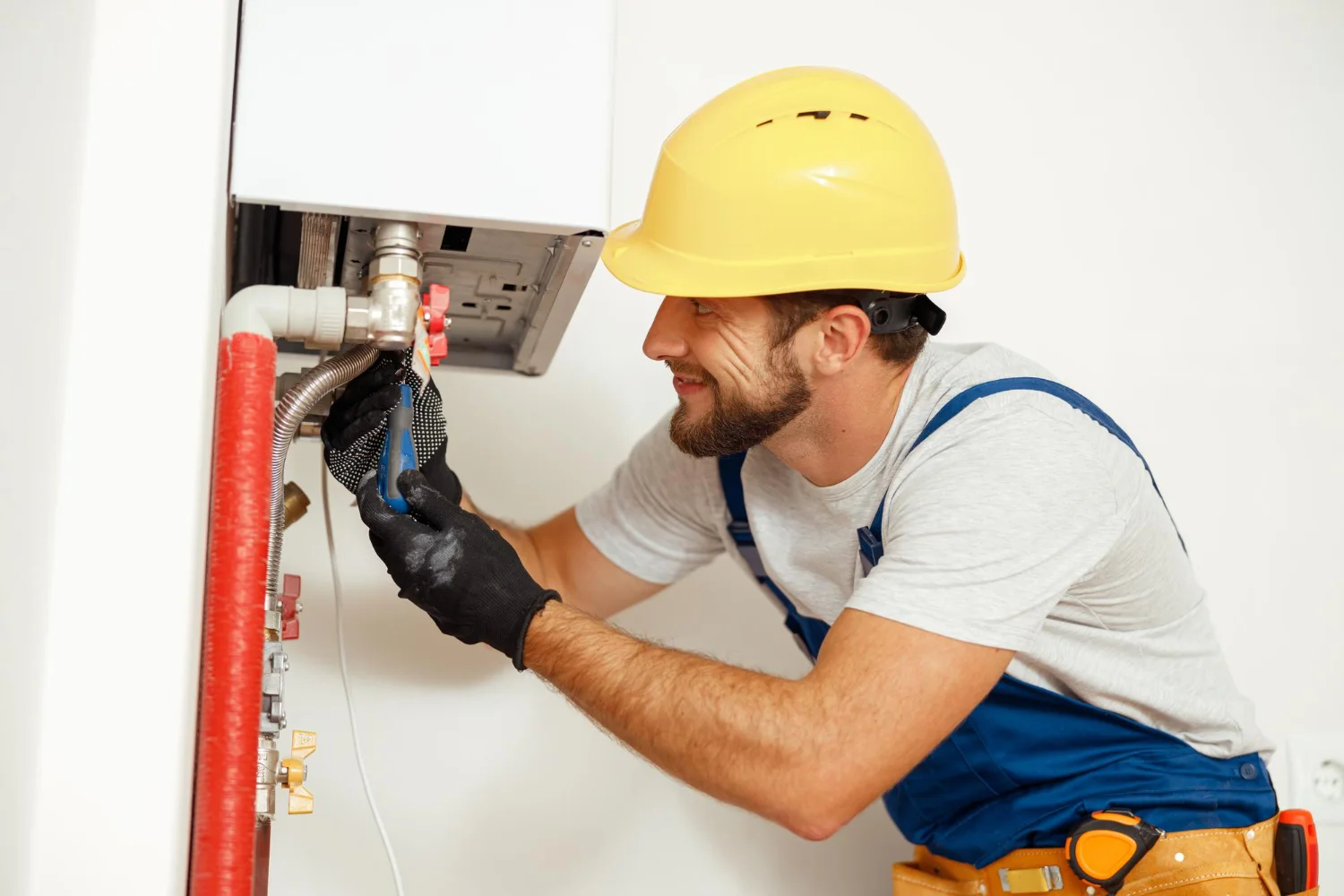
If you’ve noticed your heating isn’t working as well as it used to, or your boiler keeps cutting out, there’s a strong chance the pressure has dropped. A loss of pressure is one of the most common issues homeowners face, especially during the colder months when boilers work harder. The good news? Low pressure is often easy to spot and sometimes simple to fix. But in many cases, it can also be a sign of an underlying problem that needs professional attention.
As trusted specialists in boiler repair in Glasgow, the team at Origin GPH has helped thousands of homeowners resolve pressure-related issues quickly and safely. This guide explains why your boiler might be losing pressure, how to identify the cause, and what steps you can take before calling a Gas Safe engineer.
What Is Boiler Pressure and Why Does It Matter?
Your boiler relies on the right level of pressure to circulate hot water around your central heating system. If the pressure is too low, your radiators won’t heat effectively and the boiler may shut down altogether.
Most boilers operate ideally between 1 and 2 bar. You can check the current pressure using the gauge on the front of your boiler. If it’s below 1 bar, the pressure is too low and something has caused the system to lose water.
Maintaining correct pressure helps ensure:
- Efficient heating
- Lower energy bills
- Longer lifespan of the boiler
- Prevention of unexpected breakdowns
Common Causes of Low Boiler Pressure
Several issues can cause a boiler to lose pressure. Some are simple and harmless, while others point to faults that require professional repair.
Here are the most common reasons:
1. A Leak Somewhere in the Heating System
This is by far the most frequent cause. Even tiny leaks in pipes, valves, or radiators can slowly reduce pressure over time.
Signs you may have a leak include:
- Damp patches on walls or ceilings
- Dripping near radiators or boiler
- Hissing sounds from pipework
- Constant pressure drop even after topping up
Some leaks are so small they go unnoticed, especially in concealed pipework. If you suspect this, it’s best to call a professional, as leaks can lead to structural damage.
2. Recently Bled Radiators
If you’ve bled your radiators recently to remove trapped air, you’ll naturally lose a small amount of water in the process. This can drop the overall pressure in the system.
This is one of the few low-pressure issues that homeowners can fix themselves by simply topping up the boiler.
3. Faulty Pressure Relief Valve (PRV)
The PRV is designed to release water if the pressure becomes too high. If this component fails or becomes stuck, it may release water unnecessarily, leading to pressure loss.
Typical indicators include:
- Water dripping from the overflow pipe outside
- Pressure repeatedly rising too high then falling quickly
- Boiler shows fault codes related to pressure
A faulty PRV must be replaced by a Gas Safe engineer.
4. Failing Expansion Vessel
Your expansion vessel regulates pressure by absorbing the expansion of hot water. When the vessel loses air or becomes waterlogged, the pressure becomes unstable.
You may notice:
- Pressure rising too high when heating is on
- Pressure dropping sharply when heating turns off
- Frequent boiler lockouts
Expansion vessels often need repressurising or replacing, which should be done by a qualified engineer.
5. Air in the System
Air pockets in radiators or pipes can affect water circulation and reduce pressure. This often occurs after repairs or maintenance.
Symptoms include:
- Gurgling or bubbling sounds
- Cold patches at the top of radiators
- Inconsistent heating
Bleeding radiators can help temporarily, but if the air keeps returning, there may be an underlying fault.
6. Boiler Component Faults
Worn or damaged internal boiler components can also lead to pressure loss, such as:
- Pump seals
- Heat exchanger cracks
- Pressure sensors
These faults require professional diagnosis.
What kind of fuel does your boiler use?
Mains Gas
LPG
It just takes 2 minutes
And then you can book a free consultation
How to Spot Low Boiler Pressure
Here’s what to look out for if you think your boiler is losing pressure:
- The pressure gauge shows below 1 bar
- Heating isn’t warming your home properly
- No hot water or intermittent hot water
- Boiler shuts down or displays a pressure-related fault code
- Radiators feel lukewarm or cold
Low pressure isn’t dangerous, but it’s a sign of an underlying issue that shouldn’t be ignored.
Can You Fix Low Boiler Pressure Yourself?
In some cases, yes. If your boiler pressure has dropped but you haven’t noticed any leaks, you can try repressurising the system. Most modern boilers have a filling loop for topping up the pressure.
How to Repressurise Your Boiler (Safely)
Before you begin, always consult your boiler manual.
General steps include:
- Turn off the boiler and allow it to cool.
- Locate the filling loop beneath the boiler.
- Open the valves slowly to allow water into the system.
- Watch the pressure gauge rise to between 1 and 1.5 bar.
- Close both valves firmly.
- Restart the boiler.
Important:
- Don’t overfill the system.
- If pressure drops again soon after topping up, there is likely a fault that needs professional repair.
When You Should Not Top Up the Pressure
Avoid topping up your boiler if:
- You can see any sign of a leak
- The overflow pipe (outside) is dripping
- You’ve already topped up multiple times recently
- The boiler is displaying unfamiliar or serious fault codes
- Pressure rises too high as soon as the heating switches on
Too much topping up introduces oxygen into the system, increasing corrosion and sludge build-up.
Professional Solutions for Pressure Loss
If repressurising doesn’t solve the problem, a Gas Safe engineer can diagnose the issue properly. At Origin GPH, we commonly provide:
Leak detection
Using modern equipment, we can find hidden leaks behind walls, underground, or in tight spaces.
PRV replacement
A faulty pressure relief valve often causes fluctuating pressure and water loss.
Expansion vessel repair or replacement
Many boilers lose pressure because the expansion vessel has failed.
System flushes
Sludge and debris can restrict circulation and impact pressure stability.
Pump and seal repairs
Worn pump seals frequently cause water loss in older systems.
Is It Time to Replace Your Boiler?
Repeated pressure loss may indicate your boiler is reaching the end of its life. Homeowners should consider replacing their boiler if:
- It’s more than 12–15 years old
- Repair costs are mounting
- Spare parts are becoming harder to obtain
- Heating efficiency has dropped noticeably
A modern boiler installation reduces energy bills, improves heating performance and provides long-term reliability.
Origin GPH installs high-efficiency boilers across Glasgow with transparent pricing and expert workmanship.
Preventing Pressure Problems in the Future
Regular maintenance is essential for preventing pressure problems.
Here’s what we recommend:
- Annual boiler service by a Gas Safe engineer
- Checking pressure every month, especially in winter
- Bleeding radiators before the heating season
- Insulating outdoor pipework
- Avoiding frequent DIY topping-up
- Booking repairs as soon as early signs appear
A simple annual service can reduce the likelihood of major breakdowns and ensure your boiler operates safely.
Why Choose Origin GPH for Boiler Repair in Glasgow?
Origin GPH is one of Glasgow’s most trusted heating specialists, with years of experience delivering reliable and affordable boiler repairs.
You can expect:
- Fully qualified Gas Safe engineers
- Fast response times
- Fixed-price repairs where possible
- Honest, transparent advice
- Expertise in all boiler brands and models
- Respectful service from a local Glasgow team
We treat each customer’s home as if it were our own and prioritise safety and long-lasting solutions.
A boiler losing pressure is common, but it’s not something you should ignore. Whether caused by a small leak, a faulty valve, or a worn part, pressure loss can lead to poor heating performance and potential breakdowns. While topping up your boiler may offer a temporary fix, repeated pressure loss is a clear sign that something needs professional attention.
If you are experiencing issues and need reliable boiler repair in Glasgow, the team at Origin GPH is here to help.
Contact Origin GPH today for fast, professional boiler repairs and expert support to keep your home warm and safe.
Related articles
What kind of fuel does your boiler use?
Mains Gas
LPG
At a glance
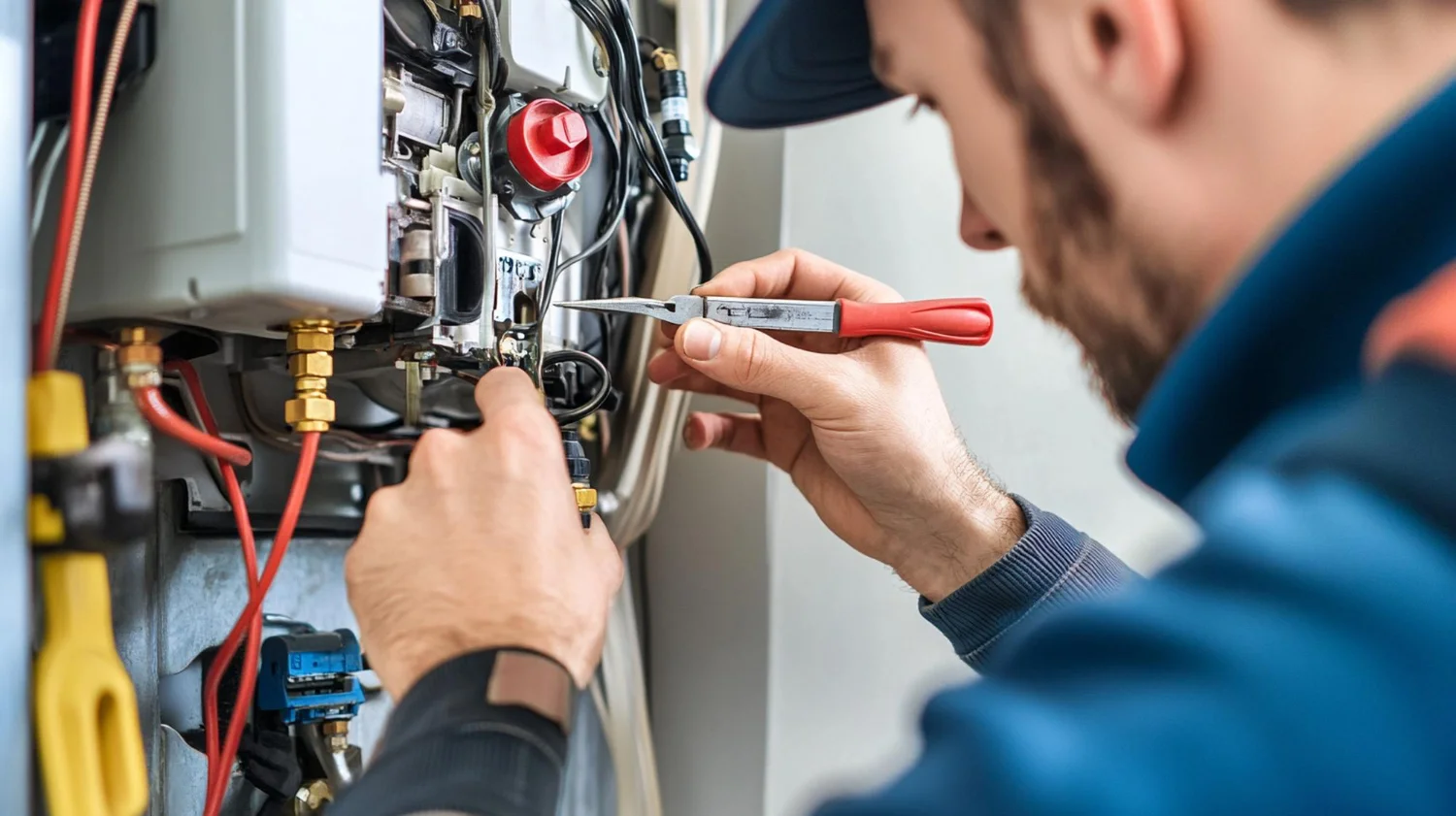
If you’ve noticed your heating isn’t working as well as it used to, or your boiler keeps cutting out, there’s a strong chance the pressure has dropped. A loss of pressure is one of the most common issues homeowners face, especially during the colder months when boilers work harder. The good news? Low pressure is often easy to spot and sometimes simple to fix. But in many cases, it can also be a sign of an underlying problem that needs professional attention.
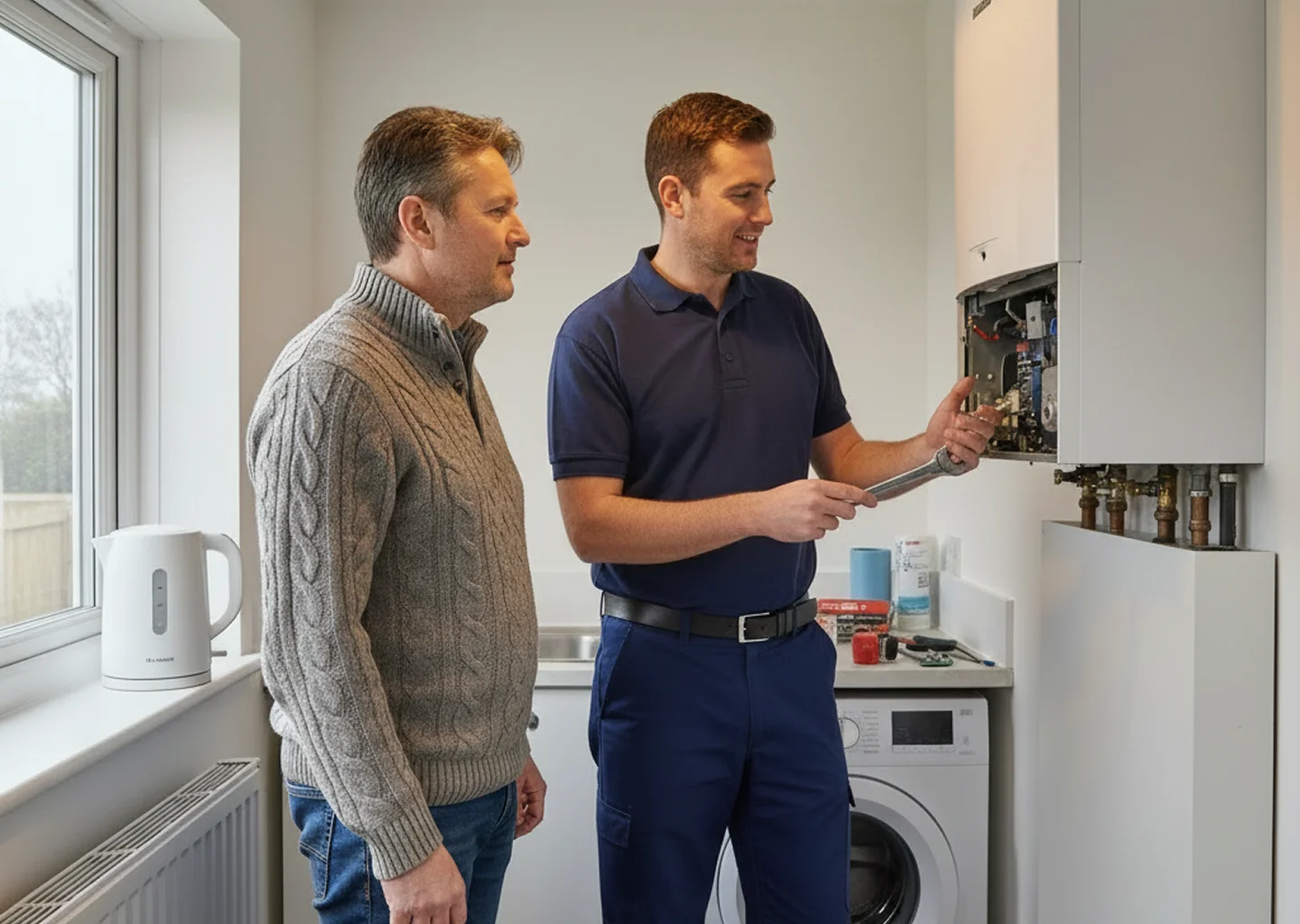
As trusted specialists in boiler repair in Glasgow, the team at Origin GPH has helped thousands of homeowners resolve pressure-related issues quickly and safely. This guide explains why your boiler might be losing pressure, how to identify the cause, and what steps you can take before calling a Gas Safe engineer.
What Is Boiler Pressure and Why Does It Matter?
Your boiler relies on the right level of pressure to circulate hot water around your central heating system. If the pressure is too low, your radiators won’t heat effectively and the boiler may shut down altogether.
Most boilers operate ideally between 1 and 2 bar. You can check the current pressure using the gauge on the front of your boiler. If it’s below 1 bar, the pressure is too low and something has caused the system to lose water.
Maintaining correct pressure helps ensure:
- Efficient heating
- Lower energy bills
- Longer lifespan of the boiler
- Prevention of unexpected breakdowns
Common Causes of Low Boiler Pressure
Several issues can cause a boiler to lose pressure. Some are simple and harmless, while others point to faults that require professional repair.
Here are the most common reasons:
1. A Leak Somewhere in the Heating System
This is by far the most frequent cause. Even tiny leaks in pipes, valves, or radiators can slowly reduce pressure over time.
Signs you may have a leak include:
- Damp patches on walls or ceilings
- Dripping near radiators or boiler
- Hissing sounds from pipework
- Constant pressure drop even after topping up
Some leaks are so small they go unnoticed, especially in concealed pipework. If you suspect this, it’s best to call a professional, as leaks can lead to structural damage.
2. Recently Bled Radiators
If you’ve bled your radiators recently to remove trapped air, you’ll naturally lose a small amount of water in the process. This can drop the overall pressure in the system.
This is one of the few low-pressure issues that homeowners can fix themselves by simply topping up the boiler.
3. Faulty Pressure Relief Valve (PRV)
The PRV is designed to release water if the pressure becomes too high. If this component fails or becomes stuck, it may release water unnecessarily, leading to pressure loss.
Typical indicators include:
- Water dripping from the overflow pipe outside
- Pressure repeatedly rising too high then falling quickly
- Boiler shows fault codes related to pressure
A faulty PRV must be replaced by a Gas Safe engineer.
4. Failing Expansion Vessel
Your expansion vessel regulates pressure by absorbing the expansion of hot water. When the vessel loses air or becomes waterlogged, the pressure becomes unstable.
You may notice:
- Pressure rising too high when heating is on
- Pressure dropping sharply when heating turns off
- Frequent boiler lockouts
Expansion vessels often need repressurising or replacing, which should be done by a qualified engineer.
5. Air in the System
Air pockets in radiators or pipes can affect water circulation and reduce pressure. This often occurs after repairs or maintenance.
Symptoms include:
- Gurgling or bubbling sounds
- Cold patches at the top of radiators
- Inconsistent heating
Bleeding radiators can help temporarily, but if the air keeps returning, there may be an underlying fault.
6. Boiler Component Faults
Worn or damaged internal boiler components can also lead to pressure loss, such as:
- Pump seals
- Heat exchanger cracks
- Pressure sensors
These faults require professional diagnosis.
What kind of fuel does your boiler use?
Mains Gas
LPG
It just takes 2 minutes
And then you can book a free consultation
How to Spot Low Boiler Pressure
Here’s what to look out for if you think your boiler is losing pressure:
- The pressure gauge shows below 1 bar
- Heating isn’t warming your home properly
- No hot water or intermittent hot water
- Boiler shuts down or displays a pressure-related fault code
- Radiators feel lukewarm or cold
Low pressure isn’t dangerous, but it’s a sign of an underlying issue that shouldn’t be ignored.
Can You Fix Low Boiler Pressure Yourself?
In some cases, yes. If your boiler pressure has dropped but you haven’t noticed any leaks, you can try repressurising the system. Most modern boilers have a filling loop for topping up the pressure.
How to Repressurise Your Boiler (Safely)
Before you begin, always consult your boiler manual.
General steps include:
- Turn off the boiler and allow it to cool.
- Locate the filling loop beneath the boiler.
- Open the valves slowly to allow water into the system.
- Watch the pressure gauge rise to between 1 and 1.5 bar.
- Close both valves firmly.
- Restart the boiler.
Important:
- Don’t overfill the system.
- If pressure drops again soon after topping up, there is likely a fault that needs professional repair.
When You Should Not Top Up the Pressure
Avoid topping up your boiler if:
- You can see any sign of a leak
- The overflow pipe (outside) is dripping
- You’ve already topped up multiple times recently
- The boiler is displaying unfamiliar or serious fault codes
- Pressure rises too high as soon as the heating switches on
Too much topping up introduces oxygen into the system, increasing corrosion and sludge build-up.
Professional Solutions for Pressure Loss
If repressurising doesn’t solve the problem, a Gas Safe engineer can diagnose the issue properly. At Origin GPH, we commonly provide:
Leak detection
Using modern equipment, we can find hidden leaks behind walls, underground, or in tight spaces.
PRV replacement
A faulty pressure relief valve often causes fluctuating pressure and water loss.
Expansion vessel repair or replacement
Many boilers lose pressure because the expansion vessel has failed.
System flushes
Sludge and debris can restrict circulation and impact pressure stability.
Pump and seal repairs
Worn pump seals frequently cause water loss in older systems.
Is It Time to Replace Your Boiler?
Repeated pressure loss may indicate your boiler is reaching the end of its life. Homeowners should consider replacing their boiler if:
- It’s more than 12–15 years old
- Repair costs are mounting
- Spare parts are becoming harder to obtain
- Heating efficiency has dropped noticeably
A modern boiler installation reduces energy bills, improves heating performance and provides long-term reliability.
Origin GPH installs high-efficiency boilers across Glasgow with transparent pricing and expert workmanship.
Preventing Pressure Problems in the Future
Regular maintenance is essential for preventing pressure problems.
Here’s what we recommend:
- Annual boiler service by a Gas Safe engineer
- Checking pressure every month, especially in winter
- Bleeding radiators before the heating season
- Insulating outdoor pipework
- Avoiding frequent DIY topping-up
- Booking repairs as soon as early signs appear
A simple annual service can reduce the likelihood of major breakdowns and ensure your boiler operates safely.
Why Choose Origin GPH for Boiler Repair in Glasgow?
Origin GPH is one of Glasgow’s most trusted heating specialists, with years of experience delivering reliable and affordable boiler repairs.
You can expect:
- Fully qualified Gas Safe engineers
- Fast response times
- Fixed-price repairs where possible
- Honest, transparent advice
- Expertise in all boiler brands and models
- Respectful service from a local Glasgow team
We treat each customer’s home as if it were our own and prioritise safety and long-lasting solutions.
A boiler losing pressure is common, but it’s not something you should ignore. Whether caused by a small leak, a faulty valve, or a worn part, pressure loss can lead to poor heating performance and potential breakdowns. While topping up your boiler may offer a temporary fix, repeated pressure loss is a clear sign that something needs professional attention.
If you are experiencing issues and need reliable boiler repair in Glasgow, the team at Origin GPH is here to help.
Contact Origin GPH today for fast, professional boiler repairs and expert support to keep your home warm and safe.