
Boilers rarely fail without warning. In most homes, small issues build up quietly before turning into sudden breakdowns. Understanding the most common boiler problems can help homeowners act earlier, reduce disruption, and avoid unexpected heating loss.
Across Glasgow, many boiler callouts relate to the same recurring faults. The good news is that most of these problems can be reduced or prevented with the right care, timely servicing, and informed decisions.
If you are noticing early warning signs, speaking with an experienced heating engineer can help you avoid more serious issues later.
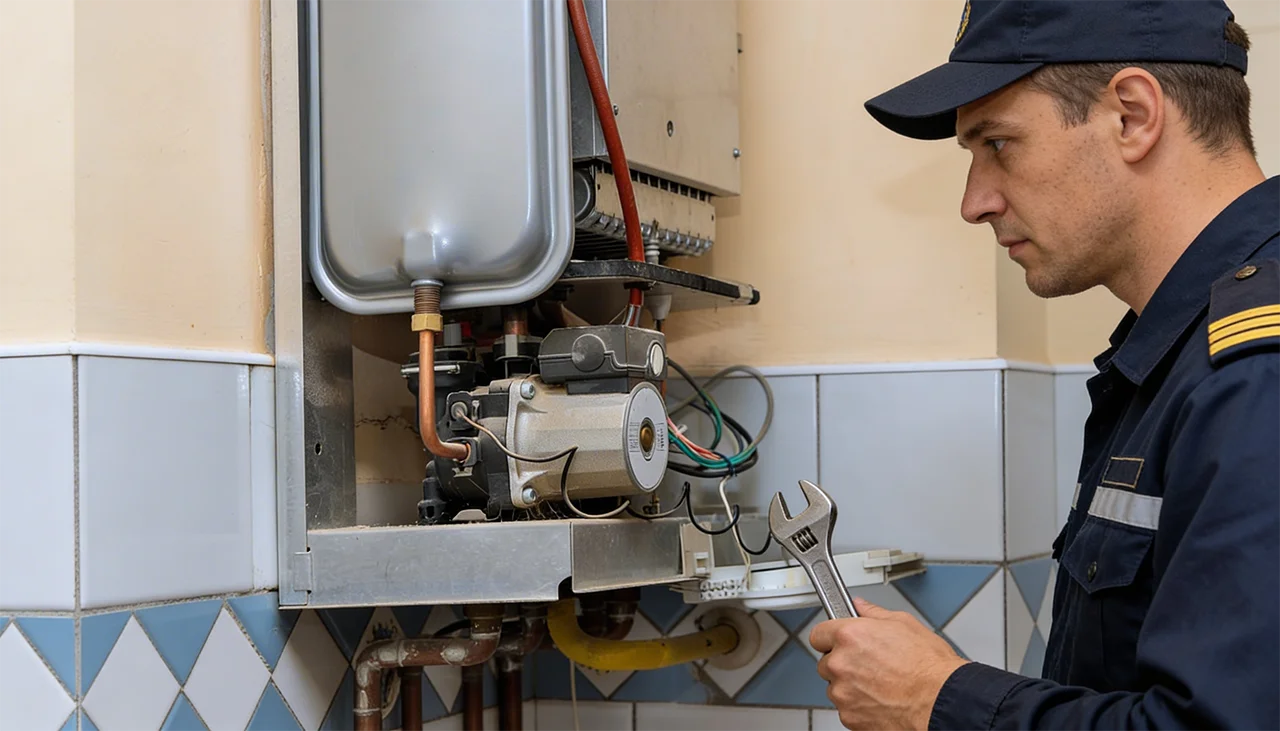
Why do boiler problems keep recurring in homes?
Boilers are complex systems that operate daily under pressure. Over time, components wear down, water quality affects performance, and settings drift from optimal levels.
Problems often repeat because:
- Minor faults are left unresolved
- Annual servicing is skipped
- The boiler is undersized or ageing
- Water pressure fluctuates frequently
Addressing root causes rather than symptoms is key to long-term reliability.
1. Why does my boiler keep losing pressure?
Low pressure is one of the most common boiler complaints. It can prevent the system from heating effectively or cause it to shut down entirely.
Pressure loss is usually caused by:
- Small leaks in the system
- Bleeding radiators too often
- Faulty pressure relief valves
Preventing pressure issues involves regular checks and ensuring leaks are identified early during servicing.
2. What causes strange noises from a boiler?
Banging, whistling, or gurgling noises often indicate trapped air, limescale buildup, or pump problems.
If ignored, these sounds can signal increasing strain on components. Preventative steps include:
- Annual cleaning of internal parts
- Power flushing older systems if required
- Ensuring pumps and fans are operating smoothly
Noise is rarely normal and should be checked promptly.
3. Why does my boiler keep switching off?
Frequent shutdowns usually point to safety controls doing their job. Common triggers include low water pressure, blocked condensate pipes, or faulty sensors.
Regular servicing helps ensure sensors are calibrated correctly and blockages are cleared before causing system shutdowns.
When left unresolved, repeated shutdowns often lead to boiler repair Glasgow callouts during colder months.
4. How does limescale affect boiler performance?
In hard water areas, limescale can build up inside the heat exchanger. This reduces heat transfer efficiency and forces the boiler to work harder.
Preventative measures include:
- System inhibitors added during servicing
- Monitoring water quality
- Addressing early signs such as delayed heating
Over time, untreated limescale can shorten the boiler’s lifespan significantly.
5. Why is my heating uneven across the house?
Cold spots on radiators or inconsistent heating usually point to circulation issues. Sludge buildup and trapped air are common causes.
Prevention focuses on:
- Balancing the system during servicing
- Flushing radiators when performance drops
- Ensuring the boiler pump is functioning correctly
These steps help maintain even heat distribution and reduce stress on the boiler.
6. What causes pilot light or ignition problems?
Modern boilers rely on electronic ignition systems rather than pilot lights, but ignition failure remains common.
Causes include:
- Faulty electrodes
- Incorrect gas pressure
- Wear on ignition components
Regular inspections help identify these issues early, reducing the risk of total heating failure.
7. When does a fault become an emergency?
Some issues escalate quickly, particularly during winter. No heating, no hot water, or error codes that prevent restart often result in urgent callouts.
Emergency repairs tend to be more disruptive and can increase emergency boiler repair cost due to timing and severity. Preventative servicing remains the most effective way to minimise this risk.
Prevention vs reactive repairs: what works best?
Preventative care reduces both inconvenience and long-term expense. Reactive repairs often occur at the worst possible time.
|
Approach |
Risk Level |
Cost Impact |
|
Regular servicing |
Low |
Predictable |
|
Delayed maintenance |
Medium |
Rising |
|
Emergency breakdown |
High |
Unexpected |
Understanding this difference helps homeowners make informed maintenance decisions.
Are new boilers immune to these problems?
New systems are more efficient, but they are not fault-free. Even homes with recent gas boiler installation Glasgow projects can experience issues if servicing is overlooked.
New boilers still require annual checks to maintain efficiency, safety, and warranty protection. Small faults caught early are easier and cheaper to resolve.
Case example: A common Glasgow scenario
In a suburban Glasgow home, the boiler repeatedly lost pressure and made intermittent noises. The homeowner reset the system multiple times without investigation.
During a service visit, the engineer identified a failing expansion vessel and early sludge buildup. Addressing both prevented a future breakdown and avoided a costly emergency repair during winter.
This situation highlights how early intervention reduces disruption and stress.
How Origin helps prevent recurring boiler problems
At Origin, the focus is on proactive care rather than reactive fixes. By identifying early warning signs, advising on maintenance, and recommending solutions based on system condition, our team supports long-term boiler reliability.
If you are experiencing recurring boiler issues, our engineers can assess whether servicing, repair, or further action is needed.
Frequently Asked Questions
Preventing problems starts with early action
Most boiler problems develop gradually and give warning signs before failure. Paying attention to changes in performance and committing to regular maintenance can help avoid disruption and unexpected costs.
For Glasgow homeowners, understanding these common faults makes it easier to keep heating systems running reliably throughout the year.