
Boiler Fault or Supply Problem? When Low Gas Pressure Can Mimic an Appliance Breakdown
When a boiler stops heating properly, the appliance itself is often the first thing to receive the blame. A fault code appears, the heating becomes unreliable or the hot water starts cutting out, and it is natural to assume that an internal component has failed.

Why you can trust our content
We understand that the boiler industry can be confusing, with plenty of outdated or misleading information. That’s why we rely only on trusted, proven sources to guide our advice and installations:

However, not every boiler problem begins inside the boiler. The gas supply feeding the appliance can also affect how it operates. If the supply is inadequate or there is another issue within the gas installation, the symptoms can sometimes resemble an appliance fault.
This does not mean every heating problem is caused by low gas pressure. Boiler faults have many possible causes, which is why proper diagnosis matters before deciding what needs repairing or replacing.
If your heating system is behaving unexpectedly, Origin GPH can investigate the wider installation rather than focusing on the boiler in isolation. Contact the team for professional advice on the appropriate next step.
Could low gas pressure cause a boiler to stop working?
Yes, an inadequate gas supply can affect boiler operation. A gas boiler needs an appropriate supply to operate correctly, and problems with that supply can contribute to unreliable performance.
However, the phrase “low gas pressure” can cover several different situations. The issue may relate to the property’s gas supply, pipework, the meter arrangement or another part of the installation.
The boiler itself can also have genuine internal faults that produce similar symptoms.
For this reason, an engineer needs to establish where the problem originates before deciding on a repair.
What kind of fuel does your boiler use?
Mains Gas
LPG
It just takes 2 minutes
And then you can book a free consultation
What symptoms can a supply problem cause?
A supply-related issue can potentially be associated with symptoms such as:
- The boiler failing to ignite
- Repeated ignition attempts
- The appliance shutting down
- Intermittent heating
- Hot water cutting out
- Fault codes appearing
- The boiler operating differently when demand increases
These symptoms are not proof of a gas supply problem. They can also occur because of faulty components, controls, sensors or other issues within the heating system.
The purpose of testing is to separate these possibilities.
How is a gas supply problem different from a boiler fault?
A boiler fault originates within the appliance or its directly associated components. A supply problem occurs elsewhere in the system and affects what the boiler receives.
The distinction matters because replacing or repairing an internal component will not necessarily resolve a problem that originates upstream.
An engineer may therefore assess the boiler alongside the relevant gas supply conditions. This provides a more complete picture of what is happening.
Why should the whole installation be checked?
A boiler does not operate independently. It relies on gas, electricity, water circulation, controls and safe removal of combustion products.
If one part of that chain is not working as it should, the symptoms may appear at the boiler.
For example, a homeowner may see the appliance lock out and assume a component has failed. Testing may instead identify an issue with the supply. Equally, a supply check may show that the gas supply is satisfactory, directing the engineer towards the appliance itself.
Both outcomes are useful because they prevent assumptions from replacing diagnosis.
What should an engineer check when diagnosing a boiler problem?
The exact checks depend on the symptoms and installation, but a professional assessment may consider:
- The boiler’s displayed fault information.
- The appliance’s operating behaviour.
- Gas supply conditions.
- The condition of relevant pipework.
- Electrical supply and controls.
- System pressure where relevant.
- Components associated with ignition and combustion.
- The wider heating system.
The objective is to identify the cause rather than simply treat the most obvious symptom.
This approach is particularly important when a problem keeps returning after previous work.
If you have already paid for repeated boiler repair work but the same symptoms keep returning, ask whether the wider installation has been assessed. Origin GPH can help investigate whether the problem may involve the supply or another part of the system.
Can an old gas pipe cause boiler problems?
It can if the existing gas installation is not providing an appropriate supply to the appliance.
The age of the pipe alone does not establish that it is faulty. What matters is whether the installation is suitable, in good condition and capable of supplying the appliance under the relevant operating conditions.
Pipe size, length, route and configuration can all be relevant.
This is why an older property should not automatically be assumed to have a gas supply problem, nor should its existing pipework automatically be treated as suitable without assessment.
Origin GPH can help diagnose boiler problems and explain the practical options available, including whether continued repair is sensible or whether replacement should be considered.
Can other appliances affect the gas supply?
Other gas appliances can form part of the property’s overall demand.
A home might have a gas cooker, fire or other appliance operating alongside the boiler. The wider gas installation therefore needs to be considered when investigating a suspected supply issue.
If the boiler behaves differently when another appliance is operating, this may provide useful information for the engineer. It should not, however, be used as a substitute for proper testing.
What happens during a boiler repair assessment?
A professional assessment should begin with the reported symptoms and the circumstances in which they occur.
The engineer may ask:
- When did the problem begin?
- Is the fault constant or intermittent?
- Does it affect heating, hot water or both?
- Does a fault code appear?
- Has anything changed recently?
- Have previous repairs been carried out?
- Are other gas appliances working normally?
The answers can help narrow down the possible causes.
The engineer can then carry out appropriate checks to determine whether the problem appears to originate inside the boiler or elsewhere in the installation.
A typical Glasgow heating problem
Imagine a Glasgow homeowner whose combi boiler repeatedly shuts down when heating and hot water demand is high.
The initial assumption might be that the boiler is failing. An engineer examines the appliance and considers its fault information, but also checks the relevant gas supply conditions.
If the supply is found to be inadequate under operating conditions, the issue may not be an internal boiler component at all. The appropriate solution would then focus on the supply-side problem rather than replacing an unrelated part.
Alternatively, if the supply checks are satisfactory, the investigation can move towards the boiler’s own components.
This simple distinction can prevent unnecessary work and help ensure that the actual cause is addressed.
When should you call for boiler repair?
A professional should investigate persistent or significant boiler problems rather than relying on repeated resets.
Signs that warrant attention can include:
- Repeated lockouts
- Persistent fault codes
- Loss of heating or hot water
- Unusual changes in operation
- Problems that return after a reset
- A boiler that repeatedly requires attention
Some issues may be minor, while others require prompt investigation. Gas appliances should always be handled by appropriately qualified professionals.
For boiler repair Glasgow homeowners should provide as much information as possible about the symptoms and any previous work. This can help the engineer begin with a clearer understanding of the problem.
If your boiler is repeatedly developing the same problem, speak to Origin GPH rather than assuming another component simply needs replacing. The team can assess the symptoms and the relevant parts of the installation.
Should you repair the boiler or replace it?
A supply problem does not automatically mean that the boiler needs replacing. Likewise, an internal boiler fault does not automatically mean replacement is the only option.
The decision depends on factors such as:
|
Consideration |
Why it matters |
|
Cause of the fault |
Determines what work is actually required |
|
Boiler age |
Older appliances may have different repair considerations |
|
Parts availability |
Can affect repair options |
|
Repair history |
Repeated faults may change the overall picture |
|
Existing gas supply |
May influence replacement requirements |
|
Appliance condition |
Helps establish whether continued use is appropriate |
|
Future heating needs |
A replacement may offer a different long-term solution |
A proper diagnosis provides the information needed to make an informed decision.
A boiler fault and a gas supply problem can sometimes produce similar symptoms, but they require different solutions. Assuming the appliance is at fault without checking the wider installation can lead to unnecessary work.
When a boiler becomes unreliable, professional diagnosis should consider the appliance, gas supply and other relevant components together. This provides a better chance of identifying the actual cause and choosing an appropriate solution.
Origin GPH can help homeowners understand what is happening within their heating system and provide practical guidance based on the findings, whether the issue lies with the boiler itself or the infrastructure supporting it.
Related articles


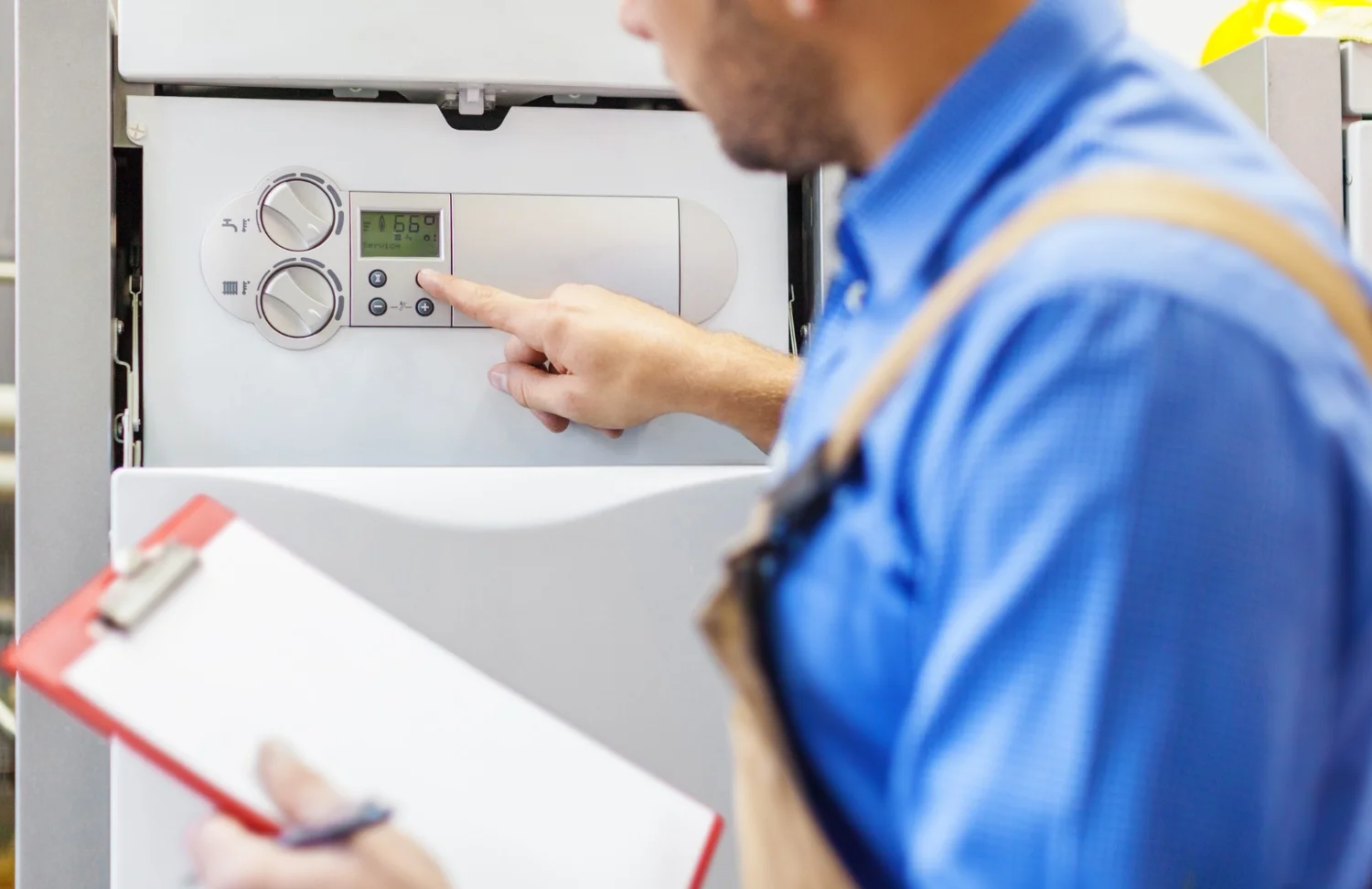


What kind of fuel does your boiler use?
Mains Gas
LPG
At a glance
However, not every boiler problem begins inside the boiler. The gas supply feeding the appliance can also affect how it operates. If the supply is inadequate or there is another issue within the gas installation, the symptoms can sometimes resemble an appliance fault.
This does not mean every heating problem is caused by low gas pressure. Boiler faults have many possible causes, which is why proper diagnosis matters before deciding what needs repairing or replacing.
If your heating system is behaving unexpectedly, Origin GPH can investigate the wider installation rather than focusing on the boiler in isolation. Contact the team for professional advice on the appropriate next step.
Could low gas pressure cause a boiler to stop working?
Yes, an inadequate gas supply can affect boiler operation. A gas boiler needs an appropriate supply to operate correctly, and problems with that supply can contribute to unreliable performance.
However, the phrase “low gas pressure” can cover several different situations. The issue may relate to the property’s gas supply, pipework, the meter arrangement or another part of the installation.
The boiler itself can also have genuine internal faults that produce similar symptoms.
For this reason, an engineer needs to establish where the problem originates before deciding on a repair.
What kind of fuel does your boiler use?
Mains Gas
LPG
It just takes 2 minutes
And then you can book a free consultation
What symptoms can a supply problem cause?
A supply-related issue can potentially be associated with symptoms such as:
- The boiler failing to ignite
- Repeated ignition attempts
- The appliance shutting down
- Intermittent heating
- Hot water cutting out
- Fault codes appearing
- The boiler operating differently when demand increases
These symptoms are not proof of a gas supply problem. They can also occur because of faulty components, controls, sensors or other issues within the heating system.
The purpose of testing is to separate these possibilities.
How is a gas supply problem different from a boiler fault?
A boiler fault originates within the appliance or its directly associated components. A supply problem occurs elsewhere in the system and affects what the boiler receives.
The distinction matters because replacing or repairing an internal component will not necessarily resolve a problem that originates upstream.
An engineer may therefore assess the boiler alongside the relevant gas supply conditions. This provides a more complete picture of what is happening.
Why should the whole installation be checked?
A boiler does not operate independently. It relies on gas, electricity, water circulation, controls and safe removal of combustion products.
If one part of that chain is not working as it should, the symptoms may appear at the boiler.
For example, a homeowner may see the appliance lock out and assume a component has failed. Testing may instead identify an issue with the supply. Equally, a supply check may show that the gas supply is satisfactory, directing the engineer towards the appliance itself.
Both outcomes are useful because they prevent assumptions from replacing diagnosis.
What should an engineer check when diagnosing a boiler problem?
The exact checks depend on the symptoms and installation, but a professional assessment may consider:
- The boiler’s displayed fault information.
- The appliance’s operating behaviour.
- Gas supply conditions.
- The condition of relevant pipework.
- Electrical supply and controls.
- System pressure where relevant.
- Components associated with ignition and combustion.
- The wider heating system.
The objective is to identify the cause rather than simply treat the most obvious symptom.
This approach is particularly important when a problem keeps returning after previous work.
If you have already paid for repeated boiler repair work but the same symptoms keep returning, ask whether the wider installation has been assessed. Origin GPH can help investigate whether the problem may involve the supply or another part of the system.
Can an old gas pipe cause boiler problems?
It can if the existing gas installation is not providing an appropriate supply to the appliance.
The age of the pipe alone does not establish that it is faulty. What matters is whether the installation is suitable, in good condition and capable of supplying the appliance under the relevant operating conditions.
Pipe size, length, route and configuration can all be relevant.
This is why an older property should not automatically be assumed to have a gas supply problem, nor should its existing pipework automatically be treated as suitable without assessment.
Origin GPH can help diagnose boiler problems and explain the practical options available, including whether continued repair is sensible or whether replacement should be considered.
Can other appliances affect the gas supply?
Other gas appliances can form part of the property’s overall demand.
A home might have a gas cooker, fire or other appliance operating alongside the boiler. The wider gas installation therefore needs to be considered when investigating a suspected supply issue.
If the boiler behaves differently when another appliance is operating, this may provide useful information for the engineer. It should not, however, be used as a substitute for proper testing.
What happens during a boiler repair assessment?
A professional assessment should begin with the reported symptoms and the circumstances in which they occur.
The engineer may ask:
- When did the problem begin?
- Is the fault constant or intermittent?
- Does it affect heating, hot water or both?
- Does a fault code appear?
- Has anything changed recently?
- Have previous repairs been carried out?
- Are other gas appliances working normally?
The answers can help narrow down the possible causes.
The engineer can then carry out appropriate checks to determine whether the problem appears to originate inside the boiler or elsewhere in the installation.
A typical Glasgow heating problem
Imagine a Glasgow homeowner whose combi boiler repeatedly shuts down when heating and hot water demand is high.
The initial assumption might be that the boiler is failing. An engineer examines the appliance and considers its fault information, but also checks the relevant gas supply conditions.
If the supply is found to be inadequate under operating conditions, the issue may not be an internal boiler component at all. The appropriate solution would then focus on the supply-side problem rather than replacing an unrelated part.
Alternatively, if the supply checks are satisfactory, the investigation can move towards the boiler’s own components.
This simple distinction can prevent unnecessary work and help ensure that the actual cause is addressed.
When should you call for boiler repair?
A professional should investigate persistent or significant boiler problems rather than relying on repeated resets.
Signs that warrant attention can include:
- Repeated lockouts
- Persistent fault codes
- Loss of heating or hot water
- Unusual changes in operation
- Problems that return after a reset
- A boiler that repeatedly requires attention
Some issues may be minor, while others require prompt investigation. Gas appliances should always be handled by appropriately qualified professionals.
For boiler repair Glasgow homeowners should provide as much information as possible about the symptoms and any previous work. This can help the engineer begin with a clearer understanding of the problem.
If your boiler is repeatedly developing the same problem, speak to Origin GPH rather than assuming another component simply needs replacing. The team can assess the symptoms and the relevant parts of the installation.
Should you repair the boiler or replace it?
A supply problem does not automatically mean that the boiler needs replacing. Likewise, an internal boiler fault does not automatically mean replacement is the only option.
The decision depends on factors such as:
|
Consideration |
Why it matters |
|
Cause of the fault |
Determines what work is actually required |
|
Boiler age |
Older appliances may have different repair considerations |
|
Parts availability |
Can affect repair options |
|
Repair history |
Repeated faults may change the overall picture |
|
Existing gas supply |
May influence replacement requirements |
|
Appliance condition |
Helps establish whether continued use is appropriate |
|
Future heating needs |
A replacement may offer a different long-term solution |
A proper diagnosis provides the information needed to make an informed decision.
A boiler fault and a gas supply problem can sometimes produce similar symptoms, but they require different solutions. Assuming the appliance is at fault without checking the wider installation can lead to unnecessary work.
When a boiler becomes unreliable, professional diagnosis should consider the appliance, gas supply and other relevant components together. This provides a better chance of identifying the actual cause and choosing an appropriate solution.
Origin GPH can help homeowners understand what is happening within their heating system and provide practical guidance based on the findings, whether the issue lies with the boiler itself or the infrastructure supporting it.