Choosing the right boiler for a larger home isn’t always straightforward. With more rooms, higher water demand, and multiple occupants, the heating system needs to deliver consistent performance without compromising efficiency.
If you’re weighing up your options, understanding the differences between combi and system boilers is essential. Whether you’re planning a combi boiler installation glasgow or considering a more traditional setup, this guide will help you decide what works best for your home.
What Is the Difference Between Combi and System Boilers?
Before choosing a system, it’s important to understand how each type works.
Combi Boilers
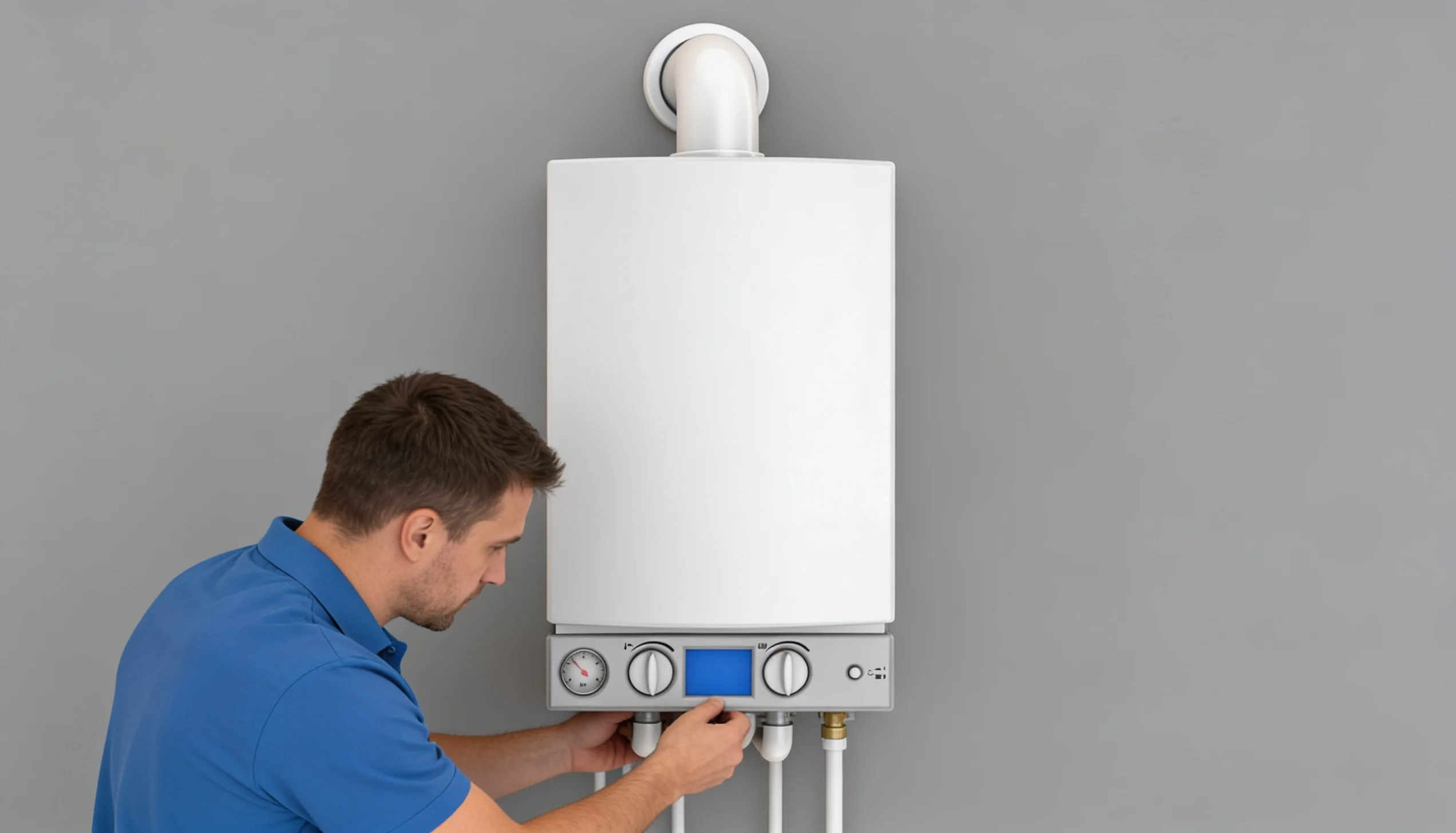
Combi (combination) boilers provide heating and hot water directly from the unit. They do not require a separate water tank or cylinder.
System Boilers
System boilers use a hot water cylinder to store heated water, allowing multiple taps and showers to run at the same time.
In simple terms:
- Combi boilers are compact and efficient
- System boilers are better for high water demand
Which Boiler Is Better for Larger Homes?
For larger homes, the decision depends on your usage and property layout.
When a Combi Boiler Works
A combi boiler may still be suitable if:
- The property has 1–2 bathrooms
- Water usage is moderate
- Space is limited
High-output models are designed to handle increased demand, making combi boiler installation glasgow a viable option for some larger homes.
When a System Boiler Is Better
A system boiler is often the preferred choice if:
- The home has multiple bathrooms
- Several people use hot water at the same time
- Consistent pressure is important
How Do Boiler Prices and Installation Compare?
Cost is a key factor when choosing between systems.
Here’s a simple comparison:
|
Boiler Type |
Typical Cost Range |
Installation Complexity |
|
Combi Boiler |
£2,000 – £3,500 |
Lower |
|
System Boiler |
£3,000 – £5,500+ |
Higher |
System boilers tend to have higher boiler prices and installation costs due to the additional components, such as the hot water cylinder.
However, they may offer better long-term value in larger homes where demand is higher.
Do You Have Enough Space for a System Boiler?
Space is an important consideration.
Combi boilers are ideal if:
- You have limited storage space
- You want a compact solution
System boilers require:
- Space for a hot water cylinder
- Additional pipework
In larger homes, this is often less of a concern, but it’s still worth considering during the planning stage.
What About Water Pressure and Flow?
Water pressure is a major factor in performance.
Combi Boilers
- Provide strong pressure directly from the mains
- Can struggle if multiple outlets are used at once
System Boilers
- Deliver consistent flow to multiple taps
- Better suited for simultaneous usage
If your household regularly uses multiple showers or taps at the same time, a system boiler is usually the more reliable choice.
Are Combi Boilers Efficient Enough for Large Homes?
Modern combi boilers are highly efficient, even in larger properties.
However, efficiency depends on:
- Correct sizing
- Usage patterns
- Installation quality
A well-planned combi boiler installation glasgow can perform effectively in a larger home, provided it is matched to the property’s needs.
Should You Consider Future Demand?
When choosing a boiler, it’s important to think beyond your current needs.
Ask yourself:
- Will your household grow?
- Are you planning to add another bathroom?
- Do you expect higher water usage in the future?
A system boiler may offer more flexibility if your demand is likely to increase over time.
Case Study: Choosing the Right System for a Family Home
A family in a five-bedroom home was deciding between a combi and a system boiler.
Challenges included:
- Three bathrooms in regular use
- High morning and evening water demand
- Limited downtime for installation
After assessment, a system boiler with a large cylinder was recommended.
The result:
- Consistent hot water across all bathrooms
- Improved heating performance
- Greater reliability during peak usage
Although the boiler prices and installation were higher, the system provided the performance needed for the household.
How Long Does Installation Take?
Installation time can vary depending on the system chosen.
Typical timelines:
- Combi boiler installation: 1–2 days
- System boiler installation: 2–3 days
Additional time may be required if:
- Pipework needs upgrading
- A cylinder is being added
- The system layout is complex
Planning ahead helps minimise disruption.
How Do You Decide Between the Two?
Choosing between a combi and system boiler comes down to a few key factors:
- Number of bathrooms
- Available space
- Hot water usage
- Budget
There’s no one-size-fits-all answer, which is why a professional assessment is so valuable.
If you’re unsure which option suits your home, speak to Origin GPH for clear, expert advice tailored to your property.
Is Installation Disruptive?
Most installations are completed with minimal disruption, but this depends on the complexity of the job.
You may experience:
- Temporary loss of heating and hot water
- Some noise during installation
- Access requirements for engineers
An experienced installer will aim to complete the work efficiently while keeping disruption to a minimum.
Frequently Asked Questions
Choosing between a combi and system boiler for a larger home requires careful consideration of your space, water usage, and long-term needs. While combi boilers offer simplicity and space-saving benefits, system boilers provide the performance needed for higher demand.
If you’re planning a new boiler, contact Origin GPH to discuss your options and request a tailored quote for your home.
For a clearer understanding of your choices, you can also arrange a home assessment with our team to explore the best solution for your property.