
When winter arrives in Glasgow, your boiler becomes one of the hardest-working systems in your home. Longer heating hours, colder outdoor temperatures, and increased hot water demand all place extra strain on even well-maintained systems. If your boiler is not running efficiently, this strain often shows up as higher energy bills, uneven heating, or unexpected breakdowns.
Improving boiler efficiency does not always mean replacing your system straight away. In many cases, small adjustments, proper servicing, and better system control can deliver meaningful improvements. This guide explains what efficiency really means, why winter exposes hidden issues, and how to make informed decisions about maintaining or upgrading your boiler.If you want early reassurance about how your boiler is performing, you can contact our team for tailored advice based on your home and heating setup.
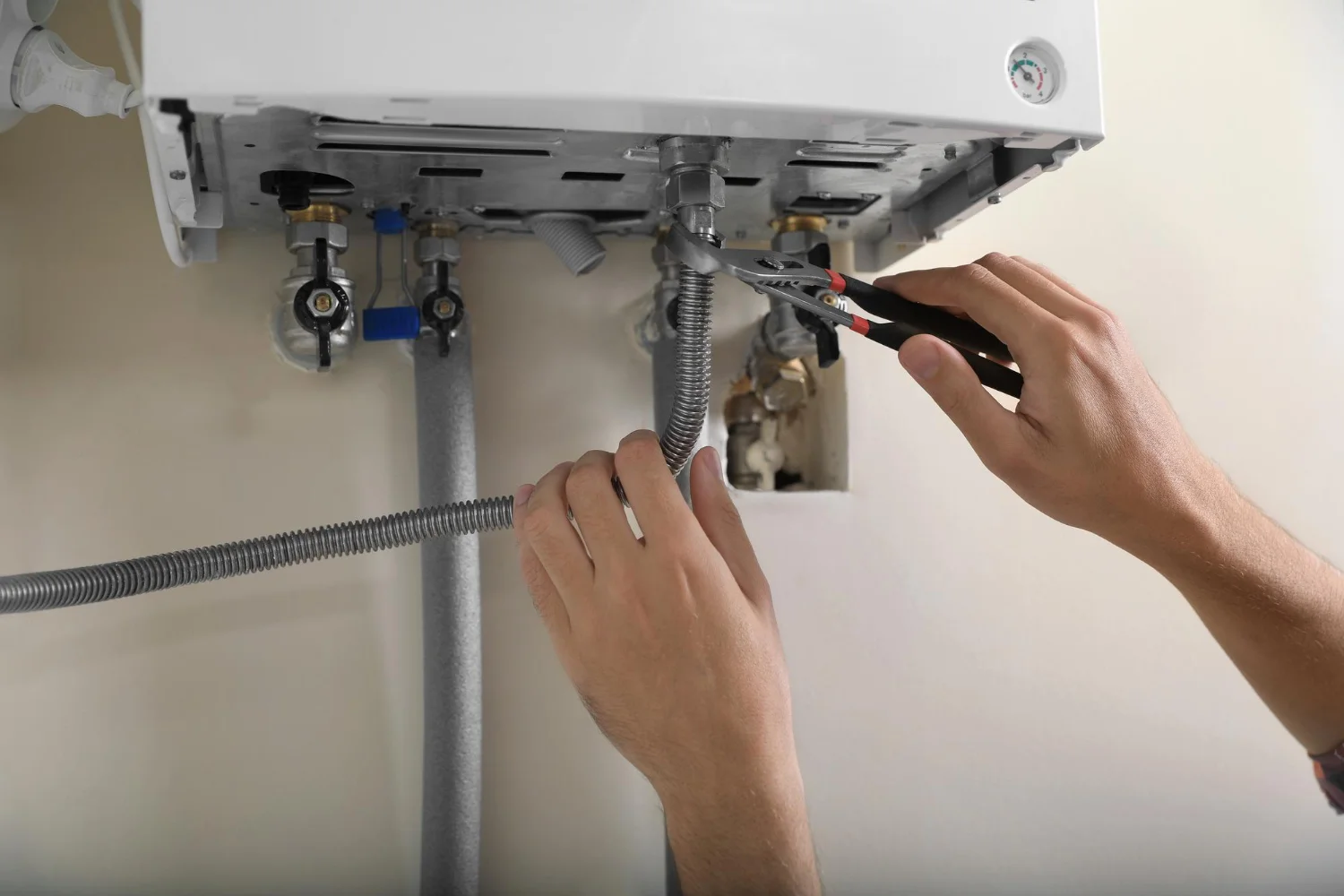
What does boiler efficiency actually mean?
Boiler efficiency is a measure of how much of the fuel your boiler uses is converted into usable heat for your home. The higher the efficiency, the less energy is wasted through heat loss or incomplete combustion.
Older boilers often operate well below modern standards, particularly during winter when they run for longer periods. Even a small drop in efficiency can significantly increase energy usage over the colder months.
Modern condensing boilers are designed to recover heat that older systems lose through the flue, making them far more effective during sustained heating cycles.
Why does winter reduce boiler efficiency?
Winter highlights problems that may go unnoticed during warmer months. As demand increases, any weakness in the system becomes more obvious.
Common winter efficiency issues include:
- Sludge or corrosion restricting water flow
- Air trapped in radiators reducing heat output
- Incorrect pressure caused by temperature fluctuations
- Thermostats set higher than necessary to compensate for poor circulation
In many Greater Glasgow homes, older pipework and insulation gaps further increase the workload on the boiler, reducing overall efficiency.
Can simple changes improve boiler efficiency?
Yes. Small adjustments often make a noticeable difference when applied consistently.
Practical steps include:
- Lowering your thermostat by one degree
- Using heating timers rather than manual on-off control
- Bleeding radiators to remove trapped air
- Checking boiler pressure during cold spells
These changes help your boiler operate more steadily, reducing unnecessary cycling and wasted fuel during winter.
How important is annual servicing for efficiency?
Annual servicing plays a key role in maintaining efficiency and reliability. A serviced boiler runs cleaner, safer, and closer to its intended performance level.
A professional service typically includes:
- Inspecting the heat exchanger for debris
- Testing combustion performance
- Checking safety components
- Identifying early signs of wear
Homes that skip servicing often experience gradual efficiency loss, which becomes most noticeable during prolonged winter use.
Does boiler type affect winter performance?
Absolutely. Different boiler types perform very differently under sustained demand.
|
Boiler Type |
Typical Efficiency |
Winter Suitability |
|
Older regular boiler |
60–70% |
Poor under heavy use |
|
Older combi boiler |
75–85% |
Moderate performance |
|
Modern condensing combi |
90%+ |
Excellent efficiency |
A modern system maintains stable temperatures more easily, particularly during cold snaps when heating is required for long periods.
When does replacing a boiler become the better option?
If your boiler is more than 10 to 12 years old, efficiency improvements from servicing and adjustments may be limited. Frequent repairs, inconsistent heating, and rising energy costs are all signs that replacement may be more cost-effective.
Many homeowners begin exploring boiler installation Glasgow services after winter exposes these long-term issues. Planning ahead allows time to choose the right system rather than reacting to a breakdown.
How do boiler installation costs relate to efficiency savings?
While a new boiler involves upfront expense, improved efficiency often reduces monthly energy bills. Over time, this can offset boiler installation costs, particularly for homes with high winter usage.
Costs are influenced by:
- Boiler size and output
- Installation complexity
- Whether controls or pipework need upgrading
Understanding the balance between initial spend and long-term savings helps homeowners make confident decisions.
Is gas still an efficient heating option in Glasgow?
For many properties, gas remains one of the most efficient and reliable heating options available. Modern systems are designed to operate efficiently even during extended cold periods.
Choosing experienced gas boiler installation Glasgow specialists ensures correct sizing, safe installation, and optimal performance. Poor installation can reduce efficiency regardless of boiler quality.If you are unsure whether your current system is still suitable, speaking to a professional can clarify your options.
Example: Improving winter efficiency without replacement
A typical three-bedroom terrace in Glasgow experienced rising winter bills and uneven heating. Following an inspection, the boiler was serviced, radiators balanced, and heating controls upgraded.
The outcome included:
- More consistent room temperatures
- Reduced boiler run time
- Lower gas usage during winter
The homeowner avoided immediate replacement while gaining a clear plan for future boiler installation Glasgow needs.
Frequently Asked Questions
Improving your boiler’s efficiency this winter comes down to understanding how your system performs under pressure. Regular servicing, sensible adjustments, and realistic planning can all reduce energy waste and improve comfort.
When efficiency improvements reach their limit, exploring professional boiler installation Glasgow options with a trusted local team ensures your home stays warm and reliable throughout winter. Origin GPH focuses on practical guidance, safe workmanship, and systems designed to perform when temperatures drop.