
For landlords across Scotland, keeping heating systems safe and compliant is a core responsibility. While boilers are built to last, they do not last forever, and knowing when and how to replace them is essential for protecting both your tenants and your investment.
Whether you own a single buy-to-let or manage a portfolio, understanding the rules around boiler replacement can help you avoid legal issues, reduce long-term costs, and maintain a reliable property. This guide explains everything you need to know in a clear and practical way
If you are unsure whether your current system meets regulations, you can contact our team at Origin GPH for expert guidance tailored to your property.
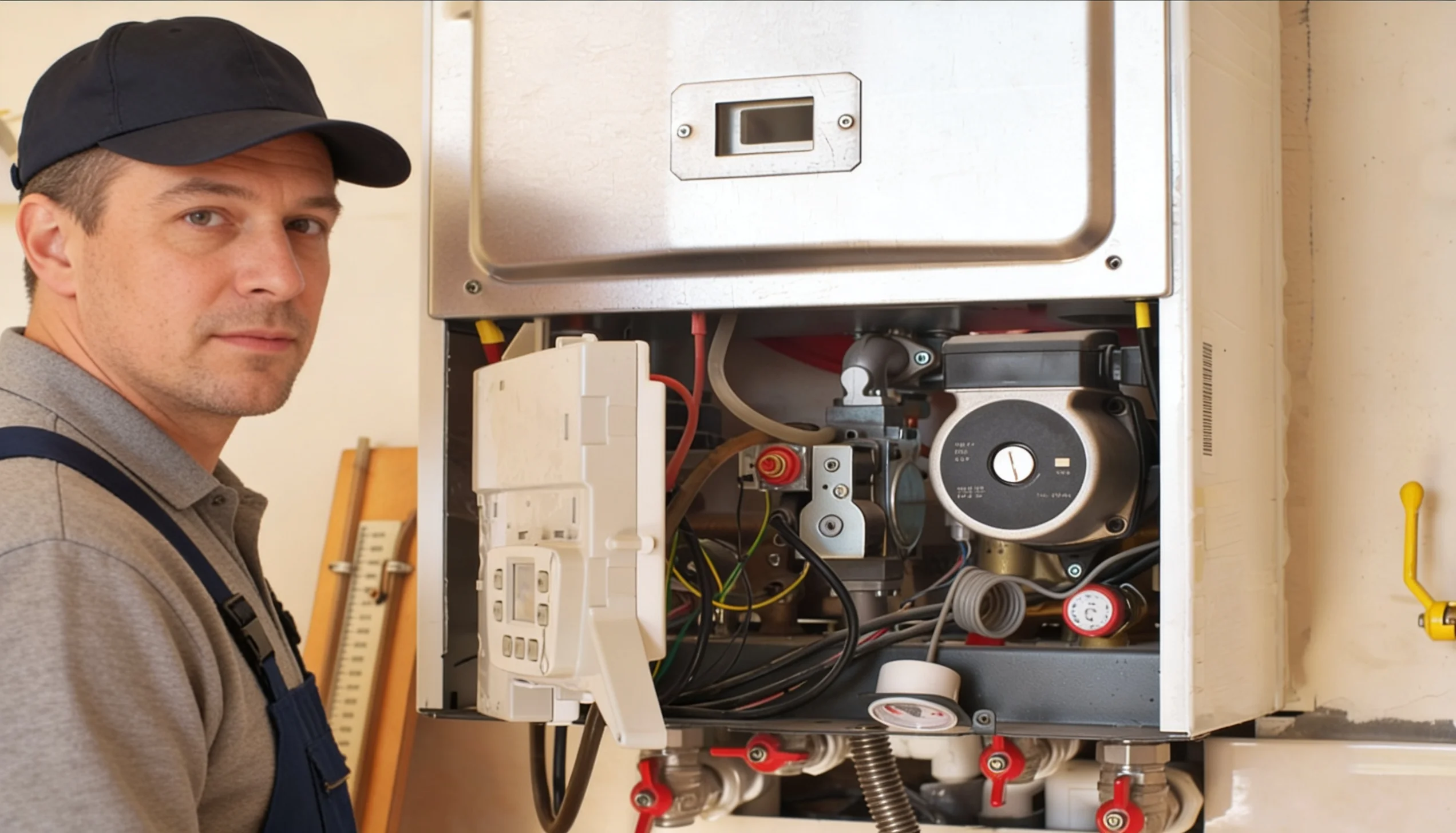
Are Landlords Legally Required to Replace Boilers?
There is no fixed rule that states a boiler must be replaced after a certain number of years. However, landlords are legally required to ensure that all gas appliances are safe and in good working order.
A boiler must be replaced if:
- It is deemed unsafe during a Gas Safety inspection
- It cannot be repaired or maintained effectively
- It fails to meet required safety standards
- It poses a risk to tenants
If a boiler fails any of these criteria, replacement becomes a legal obligation rather than a choice.
When Should You Replace a Boiler?
Even if your boiler is technically still working, there are situations where replacement is the most sensible option. Waiting too long can lead to unexpected breakdowns and higher costs.
Signs it may be time to replace include:
- Frequent repairs and rising maintenance bills
- Reduced heating performance
- Outdated parts that are hard to source
- Poor energy efficiency ratings
Many landlords weigh up the boiler replacement cost against ongoing repair expenses. In many cases, replacing early can save money in the long term.
What Safety Standards Must Be Met?
All boilers installed in rental properties must comply with current UK and Scottish safety regulations. This ensures that tenants are protected and systems operate efficiently.
Key requirements include:
- Installation by a Gas Safe registered engineer
- Correct flue placement and ventilation
- Safe connection to gas supply
- Compliance with building regulations
After installation, landlords must also ensure the boiler is checked annually as part of the Gas Safety Certificate process.
Do New Boilers Need to Meet Energy Efficiency Standards?
Yes, modern boilers must meet minimum efficiency standards set by UK regulations. Most new installations will be high-efficiency condensing boilers.
Improving energy efficiency can:
- Lower heating bills for tenants
- Improve EPC ratings
- Help meet future regulatory changes
- Make your property more attractive to renters
Replacing an older boiler with a modern system is often one of the most effective ways to improve overall property performance.
How Much Does Boiler Replacement Typically Cost?
The cost of replacing a boiler can vary depending on several factors, including the size of the property, the type of boiler, and the complexity of installation.
Typical Cost Factors
|
Factor |
Impact on Cost |
|
Boiler type |
Combi systems are often more affordable |
|
Property size |
Larger homes may need more powerful systems |
|
Installation complexity |
Pipework or relocation increases cost |
|
Additional upgrades |
Controls and thermostats add value but increase cost |
When assessing the boiler replacement cost, it is important to consider both upfront expenses and long-term savings from improved efficiency.
Can You Replace a Boiler While Tenants Are Living in the Property?
Yes, but it requires careful planning. Boiler replacement can usually be completed within one to two days, but landlords must minimise disruption.
Best practices include:
- Giving tenants advance notice
- Scheduling work at convenient times
- Ensuring temporary heating or hot water if needed
- Working with experienced installers
In some cases, landlords prefer to carry out replacements during void periods to avoid inconvenience altogether.
What Documentation Is Required After Replacement?
Once a new boiler is installed, landlords must ensure all documentation is completed and stored correctly.
This includes:
- Gas Safety Certificate (CP12)
- Installation certificate
- Manufacturer warranty
- User instructions for tenants
Having these documents readily available is essential for compliance and future inspections.
If you need help managing paperwork or ensuring compliance, speak to our team for straightforward support throughout the process.
How Can You Choose the Right Boiler for a Rental Property?
Selecting the right boiler is about balancing cost, efficiency, and reliability. For most rental properties, durability and ease of maintenance are key considerations.
Popular choices include:
- Combi boilers for smaller homes and flats
- System boilers for properties with multiple bathrooms
- Reliable brands with strong warranties
Choosing a system that suits the property reduces the likelihood of future issues and keeps tenants satisfied.
What Happens If You Delay Replacement?
Delaying a necessary boiler replacement can lead to more serious problems over time. These can affect both safety and finances.
Potential risks include:
- Emergency breakdowns
- Higher repair costs
- Tenant complaints or disputes
- Legal consequences if safety is compromised
Being proactive can help avoid these issues and ensure your property remains compliant and attractive to tenants.
A Common Scenario for Scottish Landlords
A typical example involves a landlord managing a mid-sized property with an ageing boiler. The system still functions but requires regular repairs and struggles to heat the home efficiently.
After reviewing the boiler replacement cost, the landlord decides to upgrade to a modern combi boiler. The result is improved reliability, lower maintenance costs, and better tenant satisfaction.
This type of proactive decision often proves more cost-effective over time.
Frequently Asked Questions
Understanding boiler replacement rules for rental properties in Scotland helps landlords stay compliant while making informed financial decisions. Knowing when to replace, what standards to meet, and how to manage the process can make a significant difference.
By planning ahead and working with experienced professionals, you can avoid unnecessary costs and ensure your property remains safe and efficient for tenants.
If you are considering replacing a boiler, contact Origin GPH to discuss your options and arrange a tailored solution for your rental property.