
If your energy bills keep rising despite careful use of your heating, your boiler could be a major factor. Older boilers often become less efficient over time, even if they appear to be working normally. During colder months in Glasgow, this inefficiency is amplified as heating systems run for longer periods.
Replacing an ageing boiler can significantly reduce wasted energy, improve comfort, and lower running costs. This guide explains why older systems cost more to run, how modern boilers improve efficiency, and when replacement becomes the smarter long-term decision.
If you are unsure whether your boiler is still performing efficiently, you can speak to our team for tailored advice.
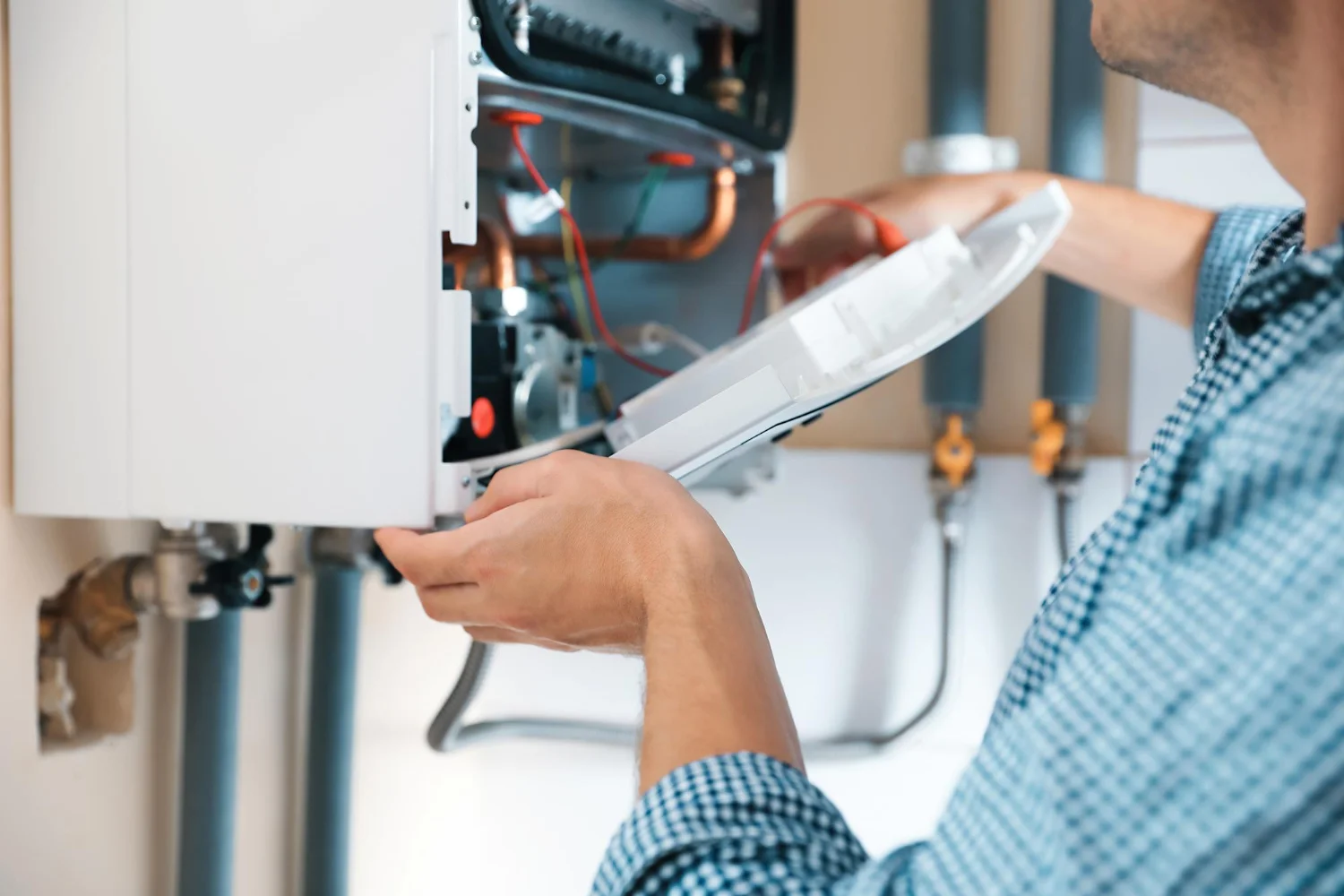
Why do older boilers increase energy bills?
Older boilers were built to lower efficiency standards than modern systems. As components wear down, they lose their ability to convert fuel into heat effectively.
Common issues include:
- Heat loss through outdated heat exchangers
- Inefficient combustion
- Poor temperature control
- Increased cycling during cold weather
These inefficiencies mean your boiler uses more fuel to achieve the same level of warmth, directly increasing energy costs.
How much efficiency do modern boilers really offer?
Modern condensing boilers are designed to capture and reuse heat that older systems release into the air. This design change alone can dramatically improve efficiency.
Typical efficiency comparisons:
- Older boilers: 60–70 percent
- Early condensing models: 75–85 percent
- Modern condensing boilers: 90 percent or higher
For households upgrading through combi boiler replacement Glasgow services, this efficiency gap often translates into noticeable savings during winter.
Can replacing a boiler really lower monthly bills?
Yes, particularly when replacing a system that is over 10 to 12 years old. A modern boiler runs more consistently, maintains stable temperatures, and wastes far less energy.
Lower bills are usually achieved through:
- Reduced fuel consumption
- Improved heating responsiveness
- Better integration with modern controls
While savings vary by household, many homeowners see reductions soon after replacement.
When does boiler replacement make more sense than repairs?
Frequent repairs can quickly add up without addressing underlying inefficiency. Replacement is often the better option when:
- Repair costs are increasing year on year
- Parts are becoming harder to source
- Energy bills remain high despite servicing
- Heating performance is inconsistent
Understanding boiler replacement cost helps homeowners weigh short-term repair expenses against long-term savings.
How does combi boiler replacement affect efficiency?
Combi boilers heat water on demand, removing the need for storage tanks that lose heat over time. This design makes them particularly efficient for many homes.
A combi boiler replacement Glasgow homeowners choose is often well suited to:
- Flats and smaller houses
- Homes with limited storage space
- Properties with moderate hot water demand
Correct sizing and professional installation are key to achieving these efficiency benefits.
What factors influence boiler replacement cost?
The boiler replacement cost depends on several factors beyond the boiler itself.
Key considerations include:
- Boiler output and model
- Installation complexity
- Existing pipework condition
- Required upgrades to controls
Understanding these variables helps set realistic expectations and avoid unexpected costs.
How do boiler prices and installation relate to long-term value?
Comparing boiler prices and installation purely on upfront cost can be misleading. A cheaper system may cost more to run over time if efficiency or reliability is compromised.
True value includes:
- Energy savings over the boiler’s lifespan
- Reduced repair frequency
- Warranty coverage
- Comfort and consistency
Choosing the right system balances initial spend with ongoing savings.
Example: Replacing an ageing boiler in a Glasgow home
A four-bedroom semi-detached home in Glasgow had a boiler over 15 years old. Despite regular servicing, energy bills continued to rise each winter.
After assessment, the homeowner opted for a modern combi boiler replacement Glasgow specialists recommended. The outcome included:
- Faster warm-up times
- Improved temperature control
- Lower monthly gas usage
This demonstrated how replacement addressed inefficiency that servicing alone could not resolve.
Is replacing a boiler disruptive?
Modern installations are typically completed quickly and with minimal disruption. Most replacements are carried out within a day, depending on system complexity.
A professional installer will:
- Assess the existing system
- Plan the installation carefully
- Ensure safety and compliance
- Commission the boiler for optimal performance
If you are considering replacement, speaking to an experienced installer early helps ensure a smooth process.
Frequently Asked Questions
Replacing an old boiler is often the most effective way to reduce energy waste and improve comfort, especially in colder climates like Glasgow. While repairs can extend lifespan, they cannot restore outdated efficiency levels.
When replacement becomes the right choice, working with a trusted local specialist ensures your new system delivers long-term value. Origin GPH provides clear advice, careful installation, and solutions designed to reduce energy bills without unnecessary disruption.