
Boiler Installation Costs: What Changes When You Wait Too Long?
A boiler replacement is a significant household expense, so it is understandable that many homeowners put it off while the existing appliance is still working. The problem is that an ageing boiler rarely becomes more predictable with time.

Why you can trust our content
We understand that the boiler industry can be confusing, with plenty of outdated or misleading information. That’s why we rely only on trusted, proven sources to guide our advice and installations:
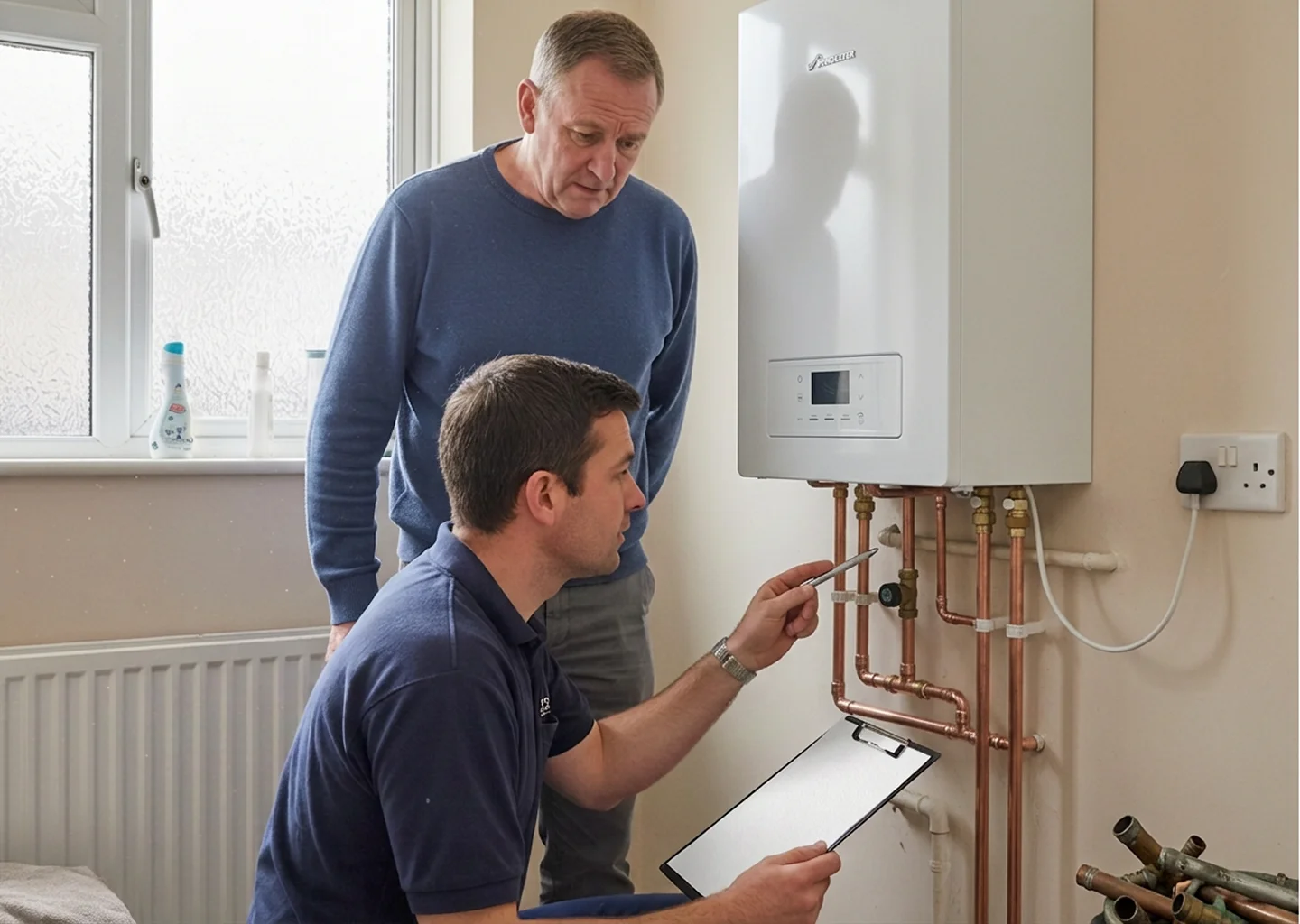
Small faults can become recurring problems, repair costs can accumulate and a planned replacement can turn into an urgent decision. Waiting does not always make a boiler replacement more expensive, but it can reduce your control over when and how the work takes place.
Understanding the potential consequences of delaying replacement can help you decide whether continued repairs are sensible or whether it is time to start planning ahead.
If your boiler has become increasingly unreliable, Origin GPH can assess its condition and help you understand whether continued repairs or replacement is the more practical option.
Does Waiting Always Increase Boiler Replacement Costs?
No. There is no rule that says delaying a boiler replacement will automatically increase the installation price.
However, waiting can create additional circumstances that affect the overall expense or make budgeting more difficult.
For example, an ageing boiler may require another repair before replacement becomes unavoidable. A property may also develop other heating system issues that need attention at the same time.
The important distinction is between the direct installation price and the wider cost of waiting.
What Can Make Boiler Installation Costs Change?
The total cost of replacing a boiler depends on the appliance selected and the work required at the property.
Potential factors include:
- Boiler type and output
- Boiler location
- Existing pipework
- Flue arrangements
- Heating controls
- Gas supply requirements
- Condensate drainage
- Removal of the old appliance
- Additional system work
A straightforward replacement may require less work than a project involving changes to the boiler location or wider heating system.
This is why boiler installation costs should be considered as a complete project rather than simply the purchase price of a boiler.
Which fuel powers your boiler?
It just takes 2 minutes
And then you can book a free consultation
Can Repeated Repairs Make Waiting More Expensive?
They can.
An older boiler may develop several unrelated faults over time. One repair may be reasonable, but repeated call-outs can gradually increase the amount spent keeping the appliance operational.
Consider the difference between a boiler that needs one minor repair and one that has required several repairs in a short period. The second situation may suggest that the appliance is becoming less reliable overall.
A repair does not automatically mean replacement is required. However, if repair frequency is increasing, it is worth reviewing the longer-term picture.
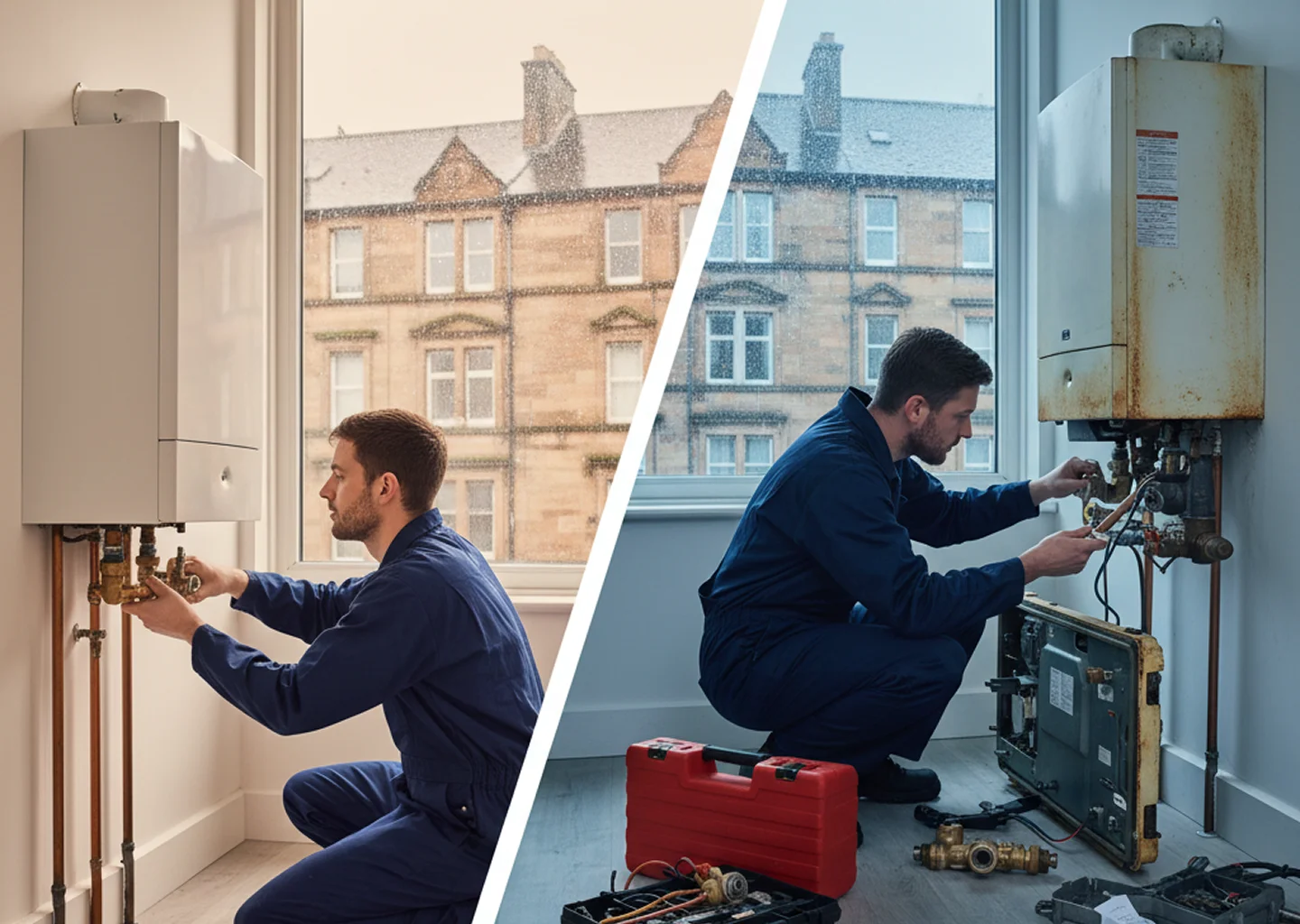
What Happens When a Boiler Fails Completely?
Complete failure changes the nature of the decision.
Instead of having time to investigate replacement options, you may suddenly need to restore heating and hot water as quickly as possible.
This can create practical pressure:
|
Planned replacement |
Unexpected failure |
|
More time to compare options |
Decisions may need to be made quickly |
|
Installation date can be planned |
Work may be urgent |
|
Budget can be prepared |
Expense may be unexpected |
|
Property requirements can be assessed |
Less time for consideration |
|
Household disruption can be arranged |
Disruption occurs without warning |
Emergency circumstances do not necessarily mean that you will pay more for the boiler itself. The main disadvantage is often reduced flexibility.
Could Delaying Replacement Affect Your Heating System?
Potentially.
A boiler is part of a wider system that includes radiators, pipework, controls and other components. If an ageing appliance has been operating with faults for some time, the wider system may also need assessment.
For example, poor circulation, pressure problems or ageing controls may need attention during a replacement.
The cost for boiler installation therefore depends partly on the condition of the existing system and whether additional work is required.
An early assessment can identify these considerations before the installation becomes urgent.
Is an Older Boiler Always Worth Replacing?
Not necessarily.
Age should be considered alongside reliability, performance, repair history and suitability.
An older boiler that continues to operate reliably and can be maintained appropriately may not need immediate replacement. On the other hand, a boiler that is relatively young but repeatedly failing may deserve closer attention.
Ask:
- How often has the boiler needed repairs?
- Are repair costs increasing?
- Is the heating performance declining?
- Are parts becoming difficult to obtain?
- Does the appliance still meet household demand?
- Would another repair provide meaningful long-term value?
These questions can help put the replacement decision into context.
When Should You Start Planning a Replacement?
There is no single age or date that applies to every boiler.
A useful trigger is a pattern of declining reliability. If you find yourself worrying about whether the boiler will make it through another winter, it may be time to investigate replacement.
You do not have to install a new boiler immediately. Getting an assessment and quotation can simply provide information about what your options would be.
Origin GPH can help you understand the condition of your existing system and what replacement would involve, giving you the information needed to make a considered decision.
Can Planning Ahead Reduce Household Disruption?
Yes.
A planned installation can be arranged around work, school, travel and other commitments. You can also prepare the installation area and understand how long the heating and hot water are likely to be unavailable.
This is particularly useful for households that depend heavily on hot water or have family members who spend most of the day at home.
Waiting until the boiler fails removes much of this flexibility.
A Typical Delayed Replacement Scenario
Imagine a homeowner with an ageing boiler that has required several repairs. Each fault has been fixed, and the system continues to operate.
The homeowner decides to keep repairing it rather than considering replacement. Several months later, another significant fault occurs during a cold period. The appliance can no longer provide reliable heating, and replacement now needs to be considered quickly.
If the replacement had been investigated earlier, the homeowner could have assessed options while the existing system was still operational and scheduled the work around their routine.
The lesson is not that every old boiler should be replaced immediately. It is that repeated warning signs should prompt a proper assessment.
What Should You Include When Budgeting?
A replacement budget should account for the complete installation.
Consider:
- Boiler and specification
- Installation labour
- Controls
- Flue work
- Pipework alterations
- Removal and disposal
- Potential system improvements
- Future servicing
When comparing boiler installation costs, make sure each quotation covers a similar scope of work. Otherwise, a cheaper figure may simply exclude work that another installer has included.
Is Waiting Ever the Right Decision?
Yes. If your boiler is reliable, well maintained and suitable for your home, immediate replacement may not be necessary.
The key is to make the decision based on evidence rather than simply delaying indefinitely.
Regular servicing, attention to warning signs and professional advice can help determine when replacement becomes sensible.
The goal is not to replace a boiler unnecessarily. It is to avoid allowing an increasingly unreliable appliance to dictate the timing of a major household decision.
When Should You Request a Replacement Quote?
If repairs are becoming frequent or you are concerned about future reliability, requesting a quotation is a sensible next step.
A quotation does not commit you to immediate installation. It can help you understand the likely scope of work, the appropriate boiler specification and the budget you may need.
For homeowners considering boiler installation costs, having this information before an emergency can make future planning considerably easier.
If your boiler is showing repeated signs of deterioration, contact Origin GPH for professional guidance. The team can assess your heating system and help you understand whether repair or replacement is the better long-term route.
Frequently Asked Questions
Waiting to replace a boiler is not automatically a mistake. A reliable, well-maintained system may continue to provide good service for years. The concern arises when repeated faults and declining performance are ignored.
At that point, continued repairs can gradually become harder to justify, while an eventual breakdown can remove your ability to plan the replacement calmly.
Understanding the cost for boiler installation in advance can give you a clearer financial picture and allow you to make the decision on your own terms.
Origin GPH can provide professional assessment and straightforward advice, helping homeowners determine when replacement is appropriate and plan the work with confidence.
Related articles
Which fuel powers your boiler?
At a glance
Small faults can become recurring problems, repair costs can accumulate and a planned replacement can turn into an urgent decision. Waiting does not always make a boiler replacement more expensive, but it can reduce your control over when and how the work takes place.
Understanding the potential consequences of delaying replacement can help you decide whether continued repairs are sensible or whether it is time to start planning ahead.
If your boiler has become increasingly unreliable, Origin GPH can assess its condition and help you understand whether continued repairs or replacement is the more practical option.
Does Waiting Always Increase Boiler Replacement Costs?
No. There is no rule that says delaying a boiler replacement will automatically increase the installation price.
However, waiting can create additional circumstances that affect the overall expense or make budgeting more difficult.
For example, an ageing boiler may require another repair before replacement becomes unavoidable. A property may also develop other heating system issues that need attention at the same time.
The important distinction is between the direct installation price and the wider cost of waiting.
What Can Make Boiler Installation Costs Change?
The total cost of replacing a boiler depends on the appliance selected and the work required at the property.
Potential factors include:
- Boiler type and output
- Boiler location
- Existing pipework
- Flue arrangements
- Heating controls
- Gas supply requirements
- Condensate drainage
- Removal of the old appliance
- Additional system work
A straightforward replacement may require less work than a project involving changes to the boiler location or wider heating system.
This is why boiler installation costs should be considered as a complete project rather than simply the purchase price of a boiler.
Which fuel powers your boiler?
It just takes 2 minutes
And then you can book a free consultation
Can Repeated Repairs Make Waiting More Expensive?
They can.
An older boiler may develop several unrelated faults over time. One repair may be reasonable, but repeated call-outs can gradually increase the amount spent keeping the appliance operational.
Consider the difference between a boiler that needs one minor repair and one that has required several repairs in a short period. The second situation may suggest that the appliance is becoming less reliable overall.
A repair does not automatically mean replacement is required. However, if repair frequency is increasing, it is worth reviewing the longer-term picture.
What Happens When a Boiler Fails Completely?
Complete failure changes the nature of the decision.
Instead of having time to investigate replacement options, you may suddenly need to restore heating and hot water as quickly as possible.
This can create practical pressure:
|
Planned replacement |
Unexpected failure |
|
More time to compare options |
Decisions may need to be made quickly |
|
Installation date can be planned |
Work may be urgent |
|
Budget can be prepared |
Expense may be unexpected |
|
Property requirements can be assessed |
Less time for consideration |
|
Household disruption can be arranged |
Disruption occurs without warning |
Emergency circumstances do not necessarily mean that you will pay more for the boiler itself. The main disadvantage is often reduced flexibility.
Could Delaying Replacement Affect Your Heating System?
Potentially.
A boiler is part of a wider system that includes radiators, pipework, controls and other components. If an ageing appliance has been operating with faults for some time, the wider system may also need assessment.
For example, poor circulation, pressure problems or ageing controls may need attention during a replacement.
The cost for boiler installation therefore depends partly on the condition of the existing system and whether additional work is required.
An early assessment can identify these considerations before the installation becomes urgent.
Is an Older Boiler Always Worth Replacing?
Not necessarily.
Age should be considered alongside reliability, performance, repair history and suitability.
An older boiler that continues to operate reliably and can be maintained appropriately may not need immediate replacement. On the other hand, a boiler that is relatively young but repeatedly failing may deserve closer attention.
Ask:
- How often has the boiler needed repairs?
- Are repair costs increasing?
- Is the heating performance declining?
- Are parts becoming difficult to obtain?
- Does the appliance still meet household demand?
- Would another repair provide meaningful long-term value?
These questions can help put the replacement decision into context.
When Should You Start Planning a Replacement?
There is no single age or date that applies to every boiler.
A useful trigger is a pattern of declining reliability. If you find yourself worrying about whether the boiler will make it through another winter, it may be time to investigate replacement.
You do not have to install a new boiler immediately. Getting an assessment and quotation can simply provide information about what your options would be.
Origin GPH can help you understand the condition of your existing system and what replacement would involve, giving you the information needed to make a considered decision.
Can Planning Ahead Reduce Household Disruption?
Yes.
A planned installation can be arranged around work, school, travel and other commitments. You can also prepare the installation area and understand how long the heating and hot water are likely to be unavailable.
This is particularly useful for households that depend heavily on hot water or have family members who spend most of the day at home.
Waiting until the boiler fails removes much of this flexibility.
A Typical Delayed Replacement Scenario
Imagine a homeowner with an ageing boiler that has required several repairs. Each fault has been fixed, and the system continues to operate.
The homeowner decides to keep repairing it rather than considering replacement. Several months later, another significant fault occurs during a cold period. The appliance can no longer provide reliable heating, and replacement now needs to be considered quickly.
If the replacement had been investigated earlier, the homeowner could have assessed options while the existing system was still operational and scheduled the work around their routine.
The lesson is not that every old boiler should be replaced immediately. It is that repeated warning signs should prompt a proper assessment.
What Should You Include When Budgeting?
A replacement budget should account for the complete installation.
Consider:
- Boiler and specification
- Installation labour
- Controls
- Flue work
- Pipework alterations
- Removal and disposal
- Potential system improvements
- Future servicing
When comparing boiler installation costs, make sure each quotation covers a similar scope of work. Otherwise, a cheaper figure may simply exclude work that another installer has included.
Is Waiting Ever the Right Decision?
Yes. If your boiler is reliable, well maintained and suitable for your home, immediate replacement may not be necessary.
The key is to make the decision based on evidence rather than simply delaying indefinitely.
Regular servicing, attention to warning signs and professional advice can help determine when replacement becomes sensible.
The goal is not to replace a boiler unnecessarily. It is to avoid allowing an increasingly unreliable appliance to dictate the timing of a major household decision.
When Should You Request a Replacement Quote?
If repairs are becoming frequent or you are concerned about future reliability, requesting a quotation is a sensible next step.
A quotation does not commit you to immediate installation. It can help you understand the likely scope of work, the appropriate boiler specification and the budget you may need.
For homeowners considering boiler installation costs, having this information before an emergency can make future planning considerably easier.
If your boiler is showing repeated signs of deterioration, contact Origin GPH for professional guidance. The team can assess your heating system and help you understand whether repair or replacement is the better long-term route.
Frequently Asked Questions
Waiting to replace a boiler is not automatically a mistake. A reliable, well-maintained system may continue to provide good service for years. The concern arises when repeated faults and declining performance are ignored.
At that point, continued repairs can gradually become harder to justify, while an eventual breakdown can remove your ability to plan the replacement calmly.
Understanding the cost for boiler installation in advance can give you a clearer financial picture and allow you to make the decision on your own terms.
Origin GPH can provide professional assessment and straightforward advice, helping homeowners determine when replacement is appropriate and plan the work with confidence.