
Before You Book a Boiler Installation in Glasgow: Home Survey Checklist
Planning a new boiler is about more than simply choosing a model. Before installation day arrives, an experienced heating engineer will normally carry out a detailed survey of your home. This visit helps identify the most suitable system, highlights any preparation needed and ensures the installation can be completed safely and efficiently.

Why you can trust our content
We understand that the boiler industry can be confusing, with plenty of outdated or misleading information. That’s why we rely only on trusted, proven sources to guide our advice and installations:
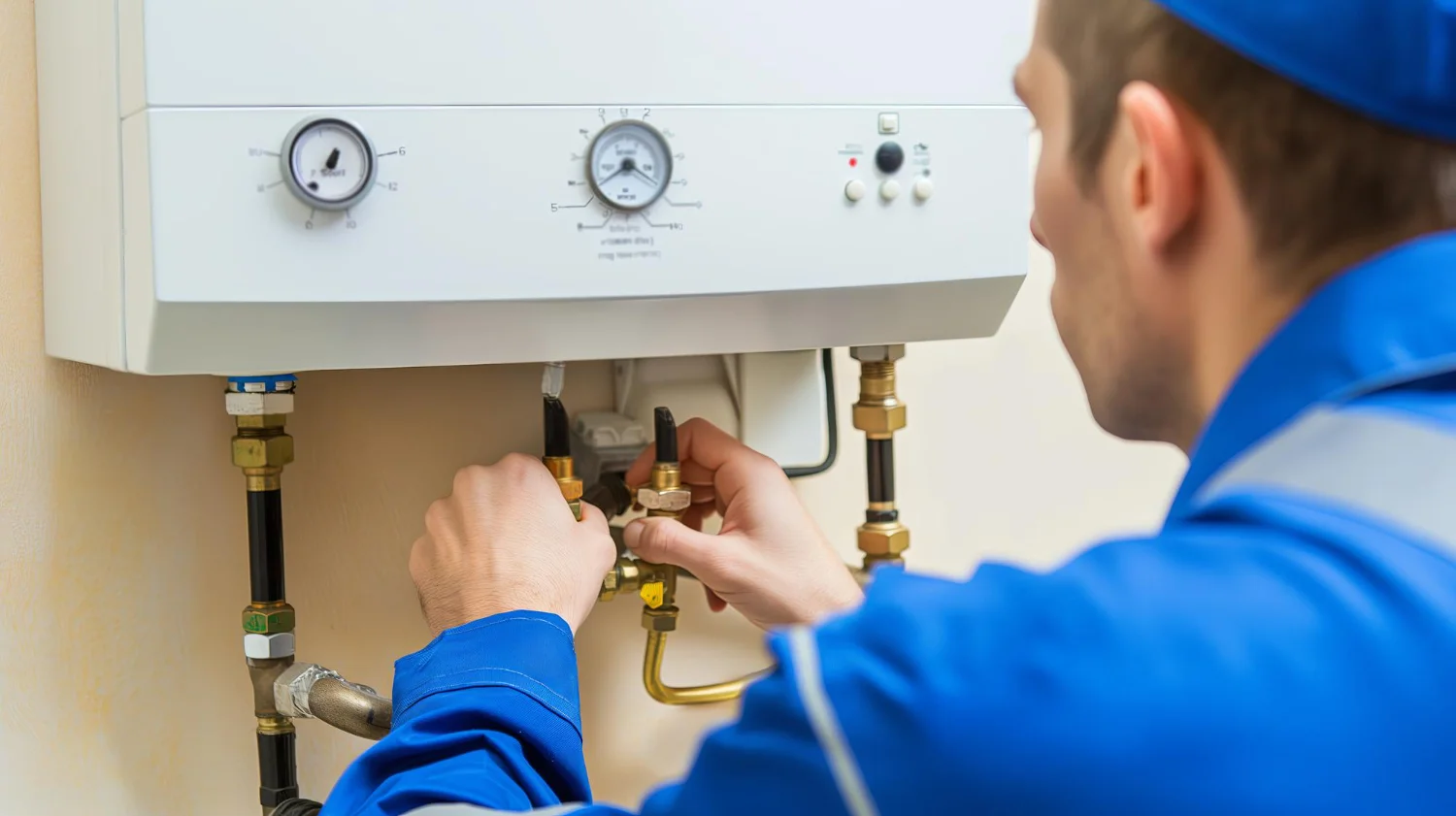
Whether you’re replacing an ageing boiler or upgrading to a more efficient heating system, understanding what happens during the survey can help you prepare. If you’re considering boiler installation Glasgow, knowing what engineers look for can also make the whole process less stressful.
If you’re planning a new heating system, contact the team at Origin GPH to arrange a professional home survey and receive tailored advice based on your property’s requirements.
Why is a home survey important?
A home survey allows the installer to assess your property before providing a specification and quotation. Every home is different, so relying on assumptions could result in an unsuitable recommendation or unexpected work later.
During the survey, the engineer can:
- Assess your current heating system
- Measure available installation space
- Check existing pipework
- Review your hot water requirements
- Identify ventilation and safety considerations
- Confirm flue positioning
- Discuss heating controls and efficiency improvements
These checks help ensure the recommended boiler is correctly sized and suitable for your household.
What will the engineer inspect during the visit?
A professional survey covers much more than the boiler itself.
Typical inspection areas include:
|
Survey Check |
Why It Matters |
|
Existing boiler condition |
Helps determine replacement requirements |
|
Pipework size and condition |
Ensures sufficient water flow |
|
Radiators |
Confirms system compatibility |
|
Gas supply |
Verifies adequate gas pressure |
|
Flue location |
Must comply with current regulations |
|
Condensate pipe route |
Prevents future drainage issues |
|
Electrical connections |
Ensures safe installation |
|
Heating controls |
Identifies upgrade opportunities |
These checks reduce the likelihood of delays once installation begins.
Which fuel powers your boiler?
It just takes 2 minutes
And then you can book a free consultation
Could your current pipework need upgrading?
Yes. Older properties often have heating systems installed many years ago, and parts of the system may no longer meet modern standards.
An engineer may recommend upgrades if they find:
- Corroded pipework
- Incorrect pipe sizing
- Poor circulation around the system
- Signs of previous leaks
- Outdated fittings
Replacing worn components during installation is usually more practical than returning later to correct hidden issues.
A qualified boiler fitter Glasgow will explain whether these upgrades are necessary or simply recommended for improved long-term performance.
What information should you have ready?
Preparing a few details before the survey can make the appointment more productive.
Helpful information includes:
- Approximate age of the current boiler
- Any recurring faults
- Areas of the home that struggle to heat
- Planned home improvements
- Number of bathrooms
- Typical household occupancy
You don’t need to know technical details, but sharing how your heating performs day to day helps the installer recommend the most appropriate solution.
Does your home’s layout affect the installation?
Absolutely.
Property layout plays a significant role in planning a replacement boiler. Engineers consider where pipework runs, how easily equipment can be accessed and whether existing locations remain practical.
For example:
- Flats may have limited flue options.
- Traditional tenement properties can require careful routing of pipework.
- Larger family homes may benefit from revised heating zones.
- Extensions sometimes increase heating demand.
These factors influence installation planning without necessarily making the project significantly more complicated.
If you’re unsure whether your property needs additional preparation, speak to Origin GPH for expert guidance before making any decisions.
What questions should you ask during the survey?
The survey is an excellent opportunity to understand the proposed installation.
Consider asking:
- Why is this boiler recommended?
- Is the current location suitable?
- Will any pipework need replacing?
- Are new heating controls recommended?
- How long is installation likely to take?
- What warranties are included?
- Will the system require a power flush?
Clear answers help you compare quotations with confidence.
A typical Glasgow installation example
Imagine a homeowner living in a traditional semi-detached property whose existing boiler is approaching the end of its lifespan.
During the survey, the engineer identifies that the boiler itself should be replaced, but also notices ageing pipework and outdated heating controls. Rather than simply replacing the appliance, the recommended specification includes upgraded controls and minor pipework improvements.
Although this adds a little preparation before installation, it helps create a more reliable and efficient heating system for years to come.
This type of careful planning is one reason many homeowners choose a professional boiler fitter Glasgow instead of focusing solely on the lowest quote.
How can you prepare before installation day?
Once you’ve accepted your quotation, there are a few simple steps that can help everything run smoothly.
You can prepare by:
- Clearing access to the boiler location
- Removing items from nearby cupboards
- Ensuring pets are safely secured
- Providing access to electrical consumer units if required
- Informing the installer about parking restrictions
Small preparations help the installation progress efficiently and minimise disruption.
If you’re arranging boiler installation Glasgow, discussing these practical details during the survey can prevent unnecessary delays on the day.
Why does a detailed survey lead to a better installation?
A thorough survey isn’t just about producing an accurate quotation.
It also helps:
- Reduce unexpected costs
- Improve installation planning
- Ensure regulatory compliance
- Confirm system compatibility
- Identify efficiency improvements
- Avoid unnecessary disruption
The more information gathered before work starts, the smoother the installation is likely to be.
Frequently Asked Questions
If you’re thinking about upgrading your heating, book a home survey with Origin GPH. The team can assess your property, explain your options and help you choose a solution that suits both your home and your budget.
A successful boiler replacement starts long before installation day. A professional home survey provides valuable information about your property’s heating system, helping ensure the recommended boiler is suitable, safe and ready to deliver reliable performance.
By understanding what engineers assess and preparing for the visit, you’ll be better equipped to make informed decisions and avoid unexpected surprises. Origin GPH takes a thorough, customer-focused approach to every survey, giving homeowners confidence that their installation has been carefully planned from the very beginning.
Related articles
Which fuel powers your boiler?
At a glance
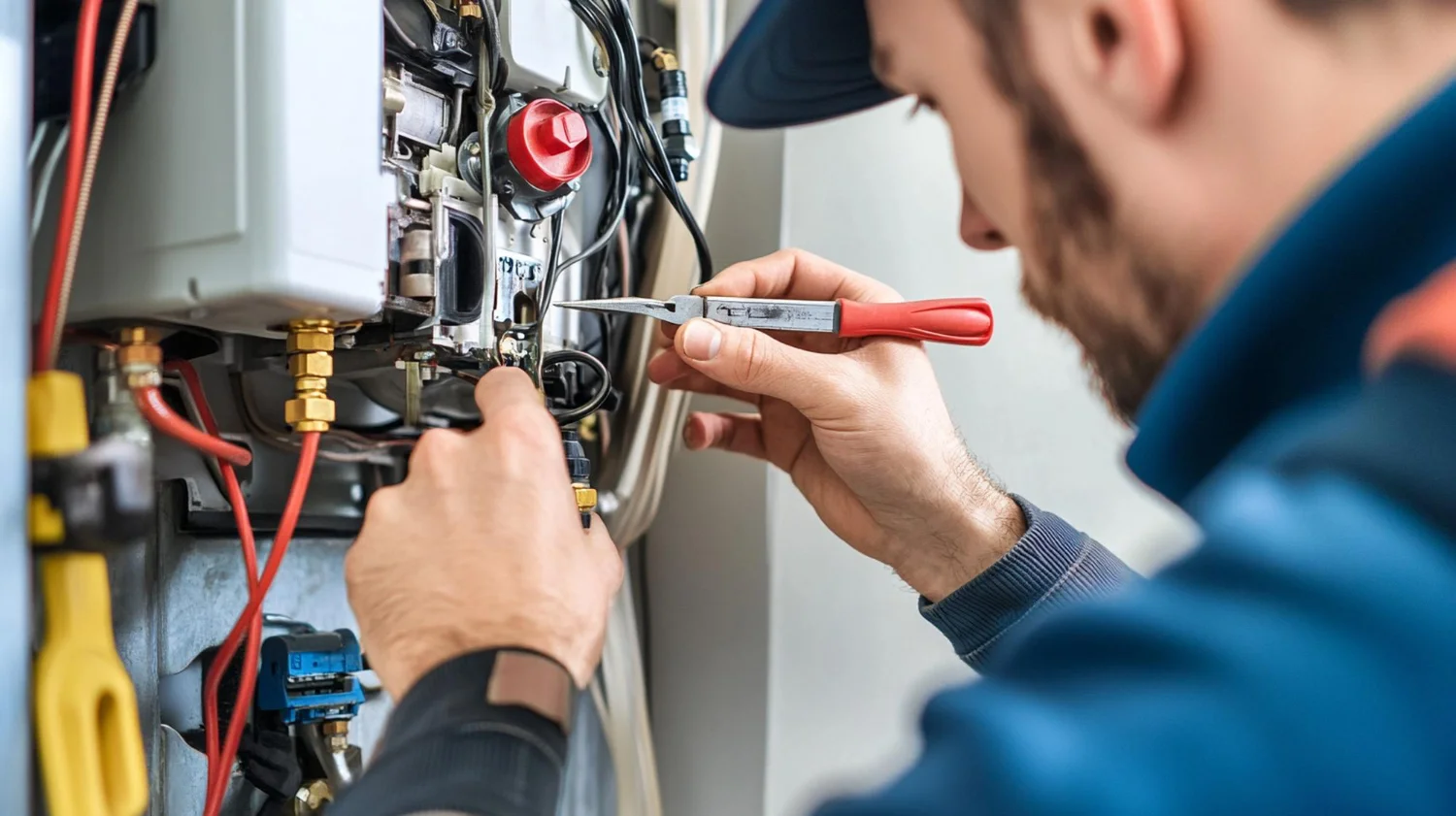
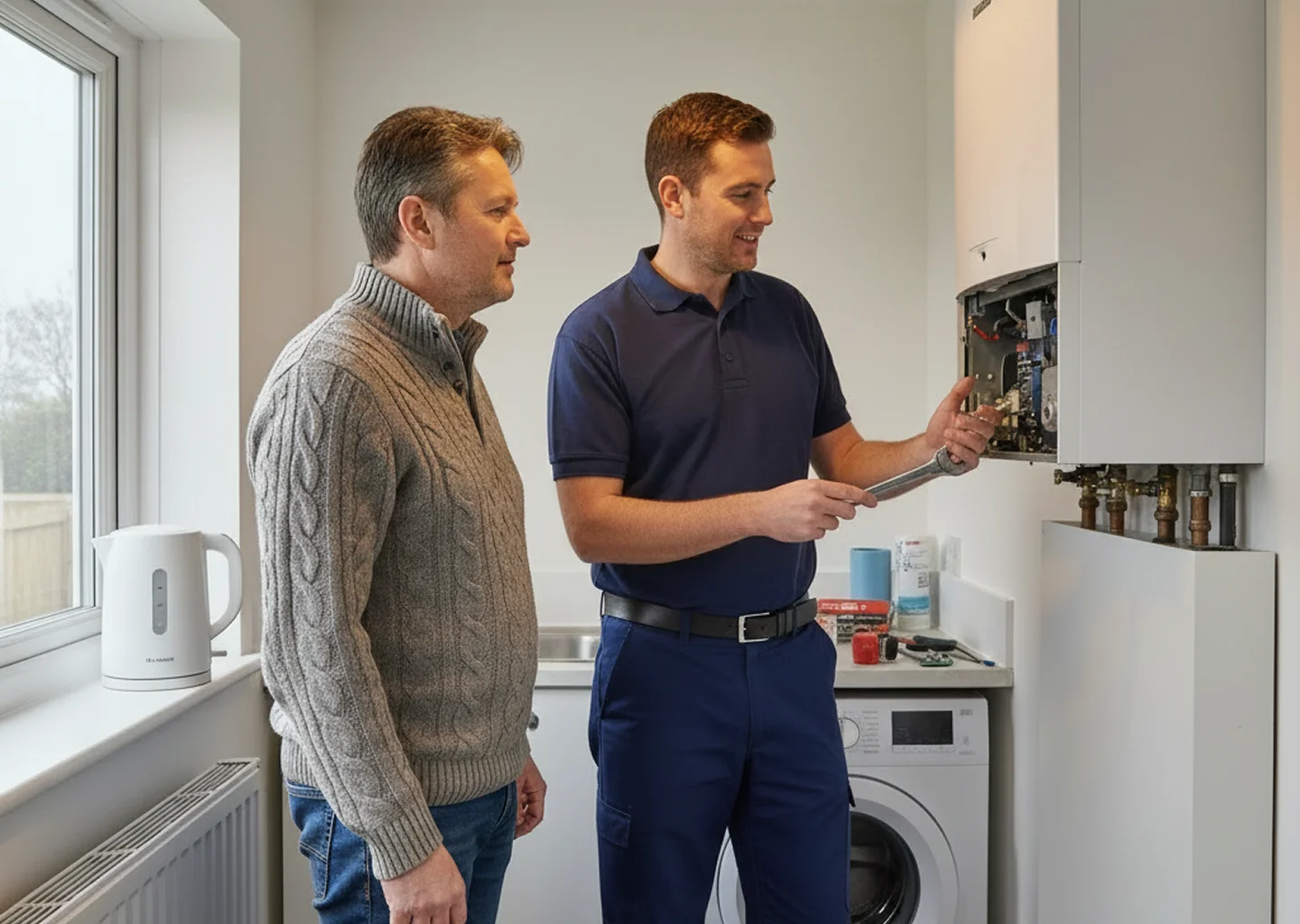
Whether you’re replacing an ageing boiler or upgrading to a more efficient heating system, understanding what happens during the survey can help you prepare. If you’re considering boiler installation Glasgow, knowing what engineers look for can also make the whole process less stressful.
If you’re planning a new heating system, contact the team at Origin GPH to arrange a professional home survey and receive tailored advice based on your property’s requirements.
Why is a home survey important?
A home survey allows the installer to assess your property before providing a specification and quotation. Every home is different, so relying on assumptions could result in an unsuitable recommendation or unexpected work later.
During the survey, the engineer can:
- Assess your current heating system
- Measure available installation space
- Check existing pipework
- Review your hot water requirements
- Identify ventilation and safety considerations
- Confirm flue positioning
- Discuss heating controls and efficiency improvements
These checks help ensure the recommended boiler is correctly sized and suitable for your household.
What will the engineer inspect during the visit?
A professional survey covers much more than the boiler itself.
Typical inspection areas include:
|
Survey Check |
Why It Matters |
|
Existing boiler condition |
Helps determine replacement requirements |
|
Pipework size and condition |
Ensures sufficient water flow |
|
Radiators |
Confirms system compatibility |
|
Gas supply |
Verifies adequate gas pressure |
|
Flue location |
Must comply with current regulations |
|
Condensate pipe route |
Prevents future drainage issues |
|
Electrical connections |
Ensures safe installation |
|
Heating controls |
Identifies upgrade opportunities |
These checks reduce the likelihood of delays once installation begins.
Which fuel powers your boiler?
It just takes 2 minutes
And then you can book a free consultation
Could your current pipework need upgrading?
Yes. Older properties often have heating systems installed many years ago, and parts of the system may no longer meet modern standards.
An engineer may recommend upgrades if they find:
- Corroded pipework
- Incorrect pipe sizing
- Poor circulation around the system
- Signs of previous leaks
- Outdated fittings
Replacing worn components during installation is usually more practical than returning later to correct hidden issues.
A qualified boiler fitter Glasgow will explain whether these upgrades are necessary or simply recommended for improved long-term performance.
What information should you have ready?
Preparing a few details before the survey can make the appointment more productive.
Helpful information includes:
- Approximate age of the current boiler
- Any recurring faults
- Areas of the home that struggle to heat
- Planned home improvements
- Number of bathrooms
- Typical household occupancy
You don’t need to know technical details, but sharing how your heating performs day to day helps the installer recommend the most appropriate solution.
Does your home’s layout affect the installation?
Absolutely.
Property layout plays a significant role in planning a replacement boiler. Engineers consider where pipework runs, how easily equipment can be accessed and whether existing locations remain practical.
For example:
- Flats may have limited flue options.
- Traditional tenement properties can require careful routing of pipework.
- Larger family homes may benefit from revised heating zones.
- Extensions sometimes increase heating demand.
These factors influence installation planning without necessarily making the project significantly more complicated.
If you’re unsure whether your property needs additional preparation, speak to Origin GPH for expert guidance before making any decisions.
What questions should you ask during the survey?
The survey is an excellent opportunity to understand the proposed installation.
Consider asking:
- Why is this boiler recommended?
- Is the current location suitable?
- Will any pipework need replacing?
- Are new heating controls recommended?
- How long is installation likely to take?
- What warranties are included?
- Will the system require a power flush?
Clear answers help you compare quotations with confidence.
A typical Glasgow installation example
Imagine a homeowner living in a traditional semi-detached property whose existing boiler is approaching the end of its lifespan.
During the survey, the engineer identifies that the boiler itself should be replaced, but also notices ageing pipework and outdated heating controls. Rather than simply replacing the appliance, the recommended specification includes upgraded controls and minor pipework improvements.
Although this adds a little preparation before installation, it helps create a more reliable and efficient heating system for years to come.
This type of careful planning is one reason many homeowners choose a professional boiler fitter Glasgow instead of focusing solely on the lowest quote.
How can you prepare before installation day?
Once you’ve accepted your quotation, there are a few simple steps that can help everything run smoothly.
You can prepare by:
- Clearing access to the boiler location
- Removing items from nearby cupboards
- Ensuring pets are safely secured
- Providing access to electrical consumer units if required
- Informing the installer about parking restrictions
Small preparations help the installation progress efficiently and minimise disruption.
If you’re arranging boiler installation Glasgow, discussing these practical details during the survey can prevent unnecessary delays on the day.
Why does a detailed survey lead to a better installation?
A thorough survey isn’t just about producing an accurate quotation.
It also helps:
- Reduce unexpected costs
- Improve installation planning
- Ensure regulatory compliance
- Confirm system compatibility
- Identify efficiency improvements
- Avoid unnecessary disruption
The more information gathered before work starts, the smoother the installation is likely to be.
Frequently Asked Questions
If you’re thinking about upgrading your heating, book a home survey with Origin GPH. The team can assess your property, explain your options and help you choose a solution that suits both your home and your budget.
A successful boiler replacement starts long before installation day. A professional home survey provides valuable information about your property’s heating system, helping ensure the recommended boiler is suitable, safe and ready to deliver reliable performance.
By understanding what engineers assess and preparing for the visit, you’ll be better equipped to make informed decisions and avoid unexpected surprises. Origin GPH takes a thorough, customer-focused approach to every survey, giving homeowners confidence that their installation has been carefully planned from the very beginning.