Boiler Fitting in Glasgow: What Homeowners Should Expect
When it comes to heating, few household jobs are more important than replacing your boiler. While many people…

Why you can trust our content
We understand that the boiler industry can be confusing, with plenty of outdated or misleading information. That’s why we rely only on trusted, proven sources to guide our advice and installations:
When it comes to heating, few household jobs are more important than replacing your boiler.
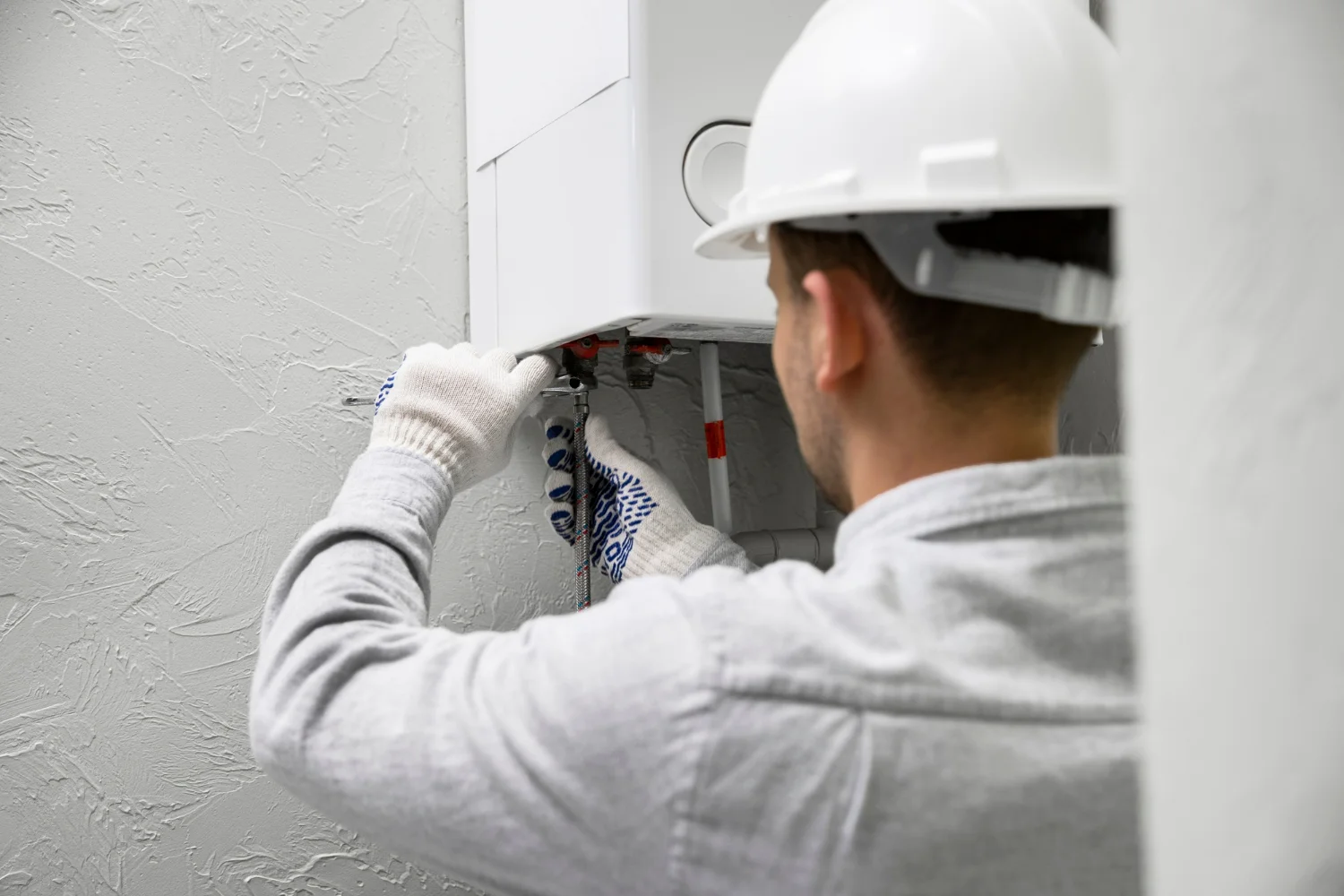
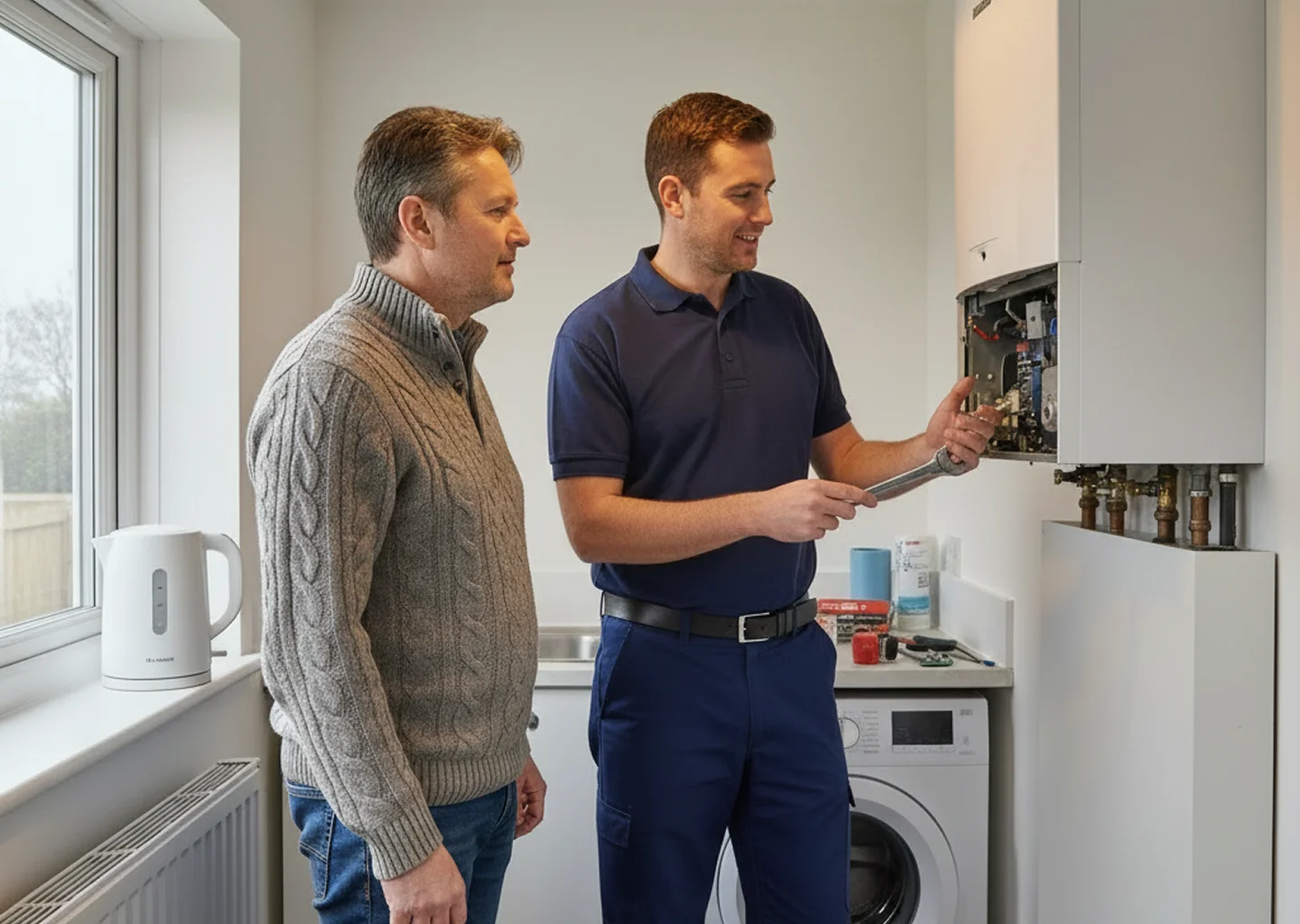
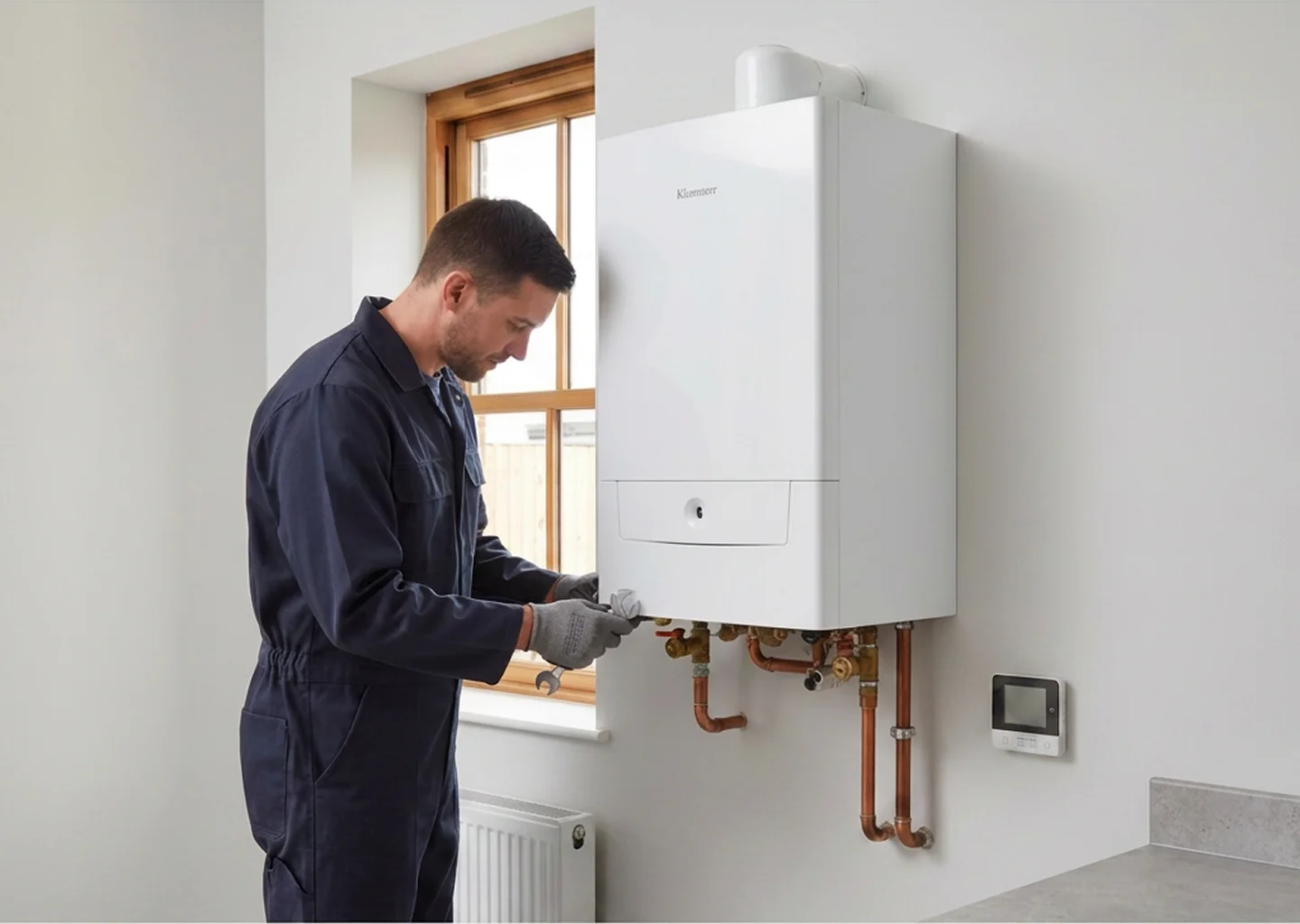
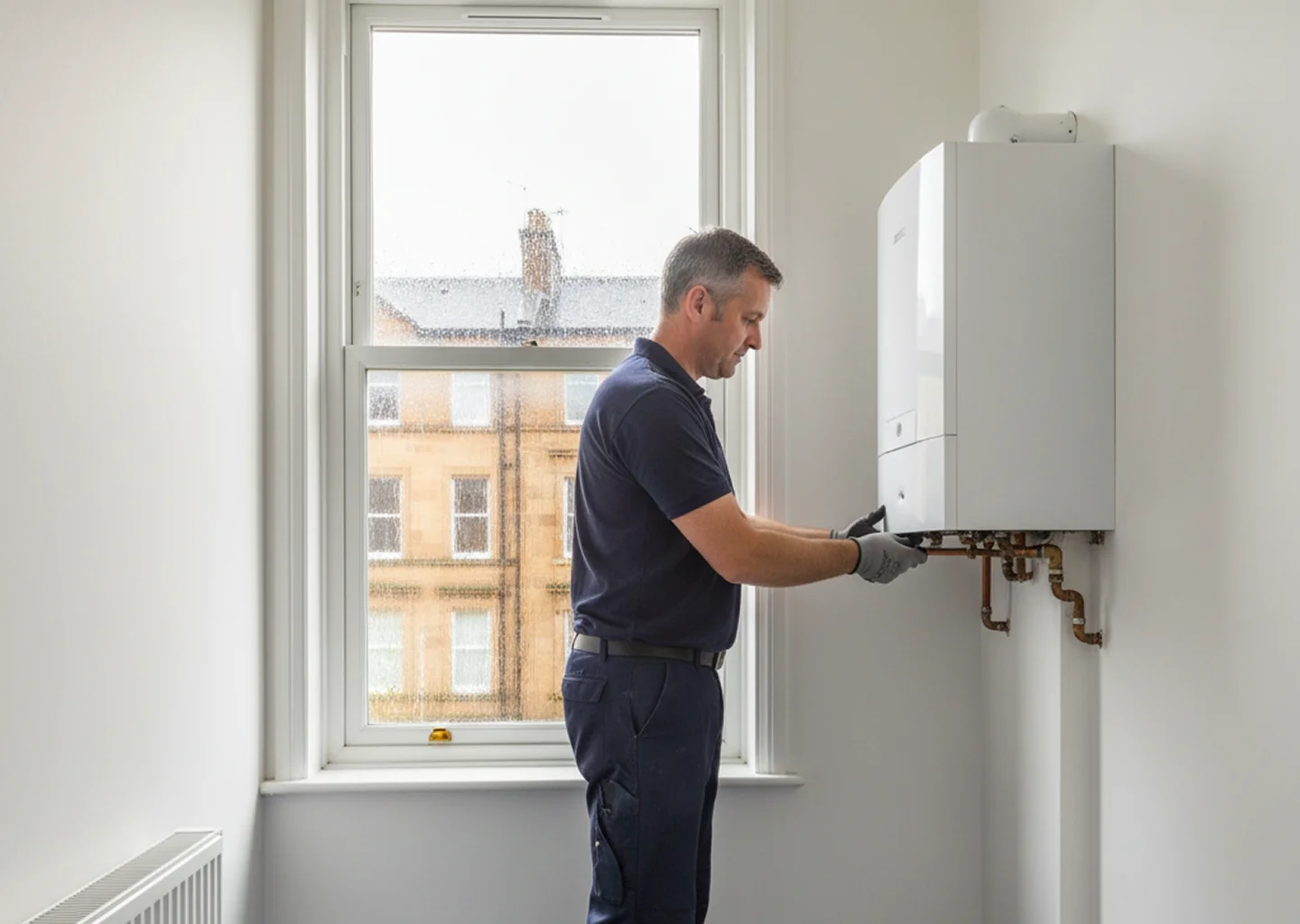
While many people use the term installation, professionals often talk about fitting. Boiler fitting refers to the practical work of removing your old boiler and fitting the new one safely and efficiently.
If you’re arranging a boiler fitting in Glasgow, it helps to know exactly what happens before, during, and after the process.
This guide sets out what you can expect, how long it takes, what it costs, and why choosing the right installer makes all the difference.
1. Why Boiler Fitting Matters
A new boiler is a significant investment, and the fitting process determines whether it delivers reliable performance and long-term efficiency. Even the best boiler, poorly fitted, can underperform, break down early, or invalidate its warranty.
In Glasgow, where many properties are older and layouts vary widely, a professional approach is essential. Good fitting means:
- Correct sizing for your household needs.
- Safe connections to gas, water, and heating circuits.
- Compliance with Building Regulations.
- Long-term protection with filters and inhibitors.
- Clear handover and warranty registration.
2. The Pre-Fit Survey
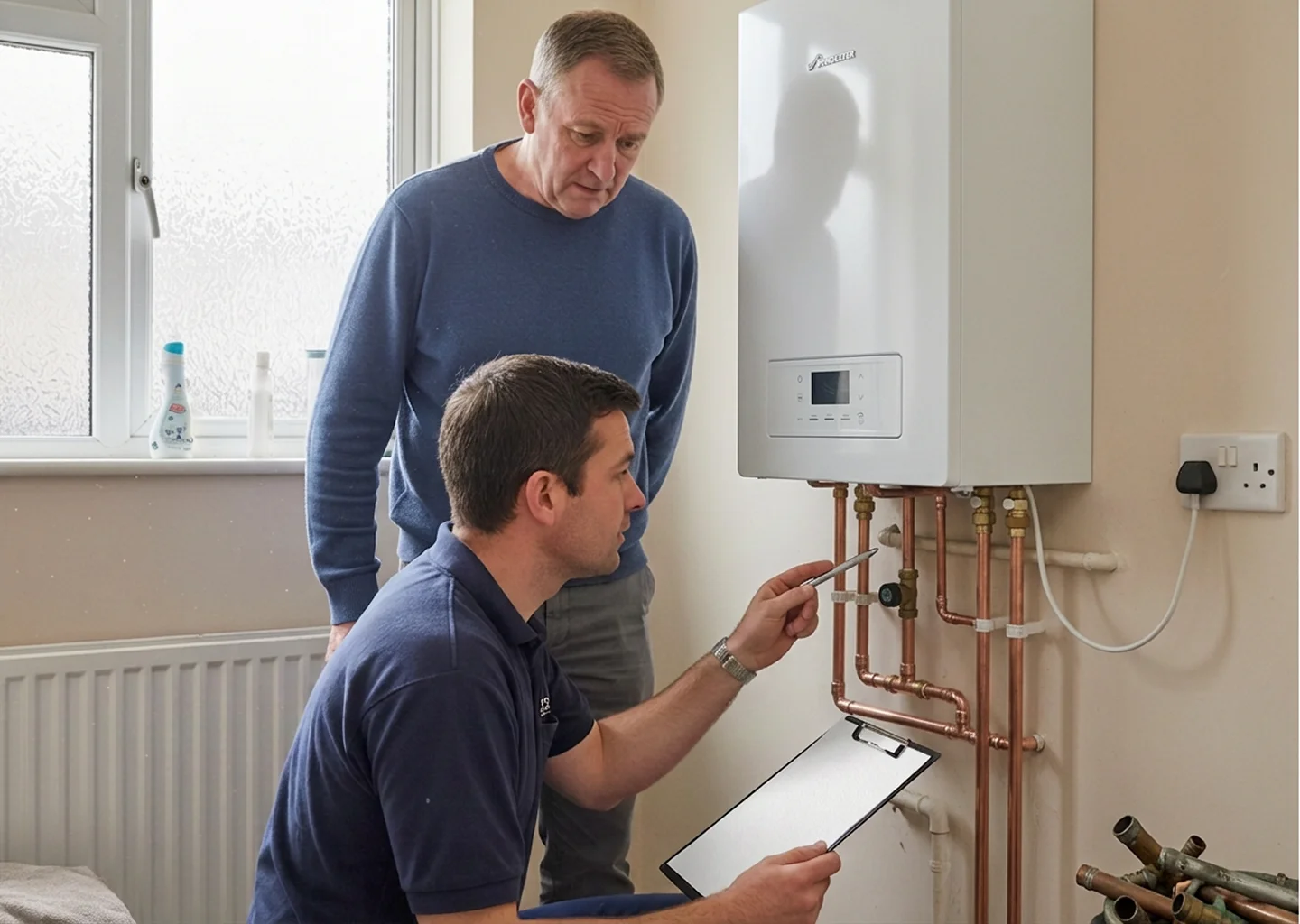
The process begins with a survey carried out by a Gas Safe registered engineer. They will look at:
- The current boiler and system layout.
- The number of radiators and bathrooms.
- Water pressure at the mains.
- Potential flue routes.
- Future household needs.
Glasgow properties range from traditional tenement flats to large detached houses. Each comes with its own requirements. For example, a tenement with limited cupboard space often calls for a compact combi boiler, while a large family home in the suburbs may need a system boiler with a cylinder.
3. Choosing the Right Boiler
Based on the survey, your installer will recommend the best boiler. Common options include:
- Combi boilers: Compact, efficient, and suitable for smaller homes. Provide heating and hot water on demand.
- System boilers: Use a cylinder to store hot water, making them ideal for homes with multiple bathrooms.
- Conventional boilers: Traditional setups found in older properties with loft tanks and cylinders.
Your choice will depend on property type, water demand, and available space.
4. Fixed-Price Quotation
After the survey, you should receive a fixed-price quote. A transparent quote will list:
- Boiler model and output.
- Labour and installation costs.
- Flue and filter.
- System cleaning or flushing.
- Warranty details.
Companies such as Origin GPH provide quotes with no hidden extras, so you know exactly what to expect.
5. Preparing for Boiler Fitting
Before the work begins, you can help things go smoothly by:
- Clearing access to the boiler, gas meter, and stopcock.
- Ensuring parking is available if you live in a flat or terrace.
- Letting the installer know about any special requirements, such as pets or working from home.
These simple steps save time and prevent disruption.
6. Removal of the Old Boiler
On the installation day, the engineer will:
- Lay down dust sheets to protect your home.
- Isolate the gas, water, and electrics.
- Drain the central heating system.
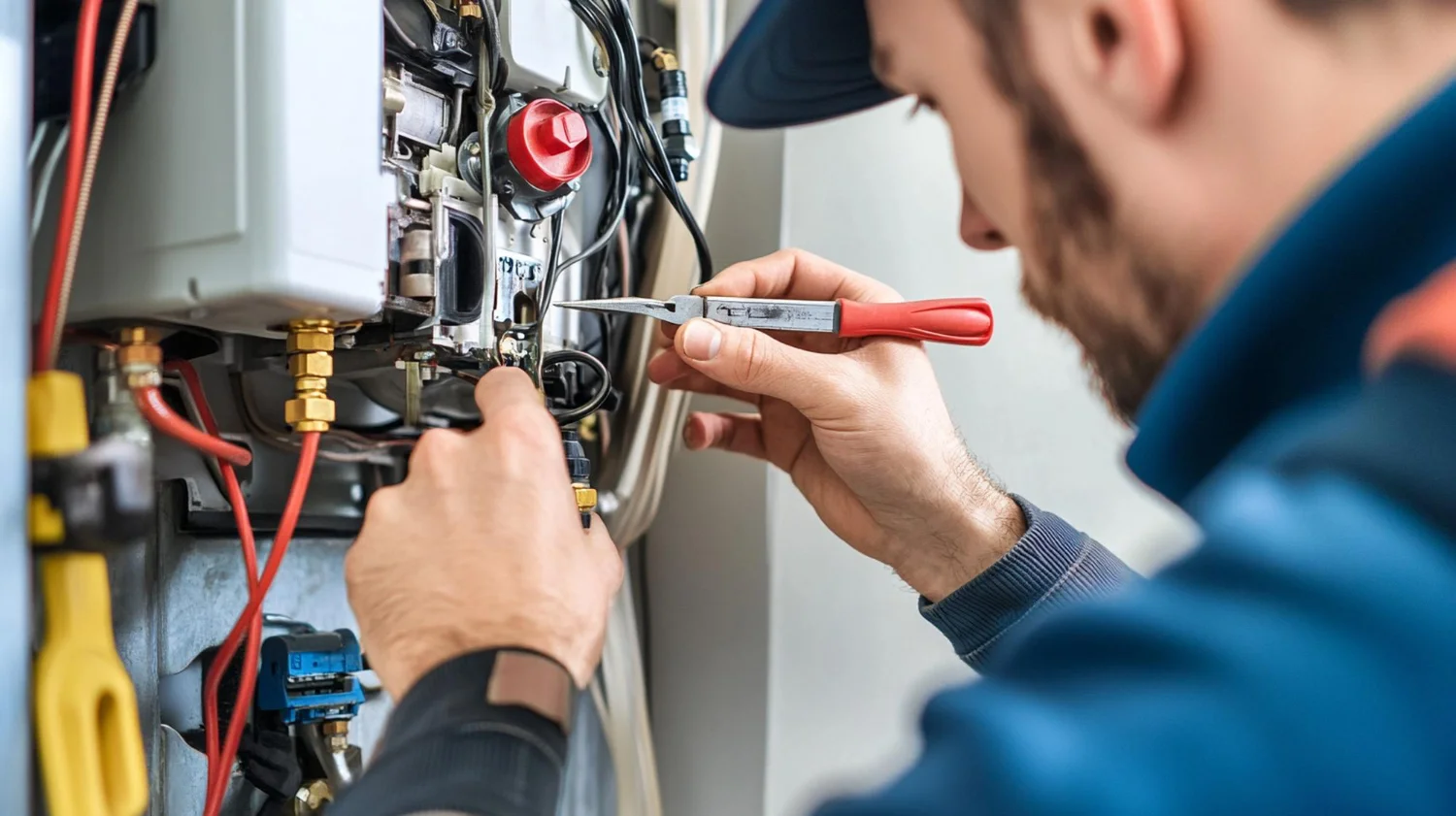
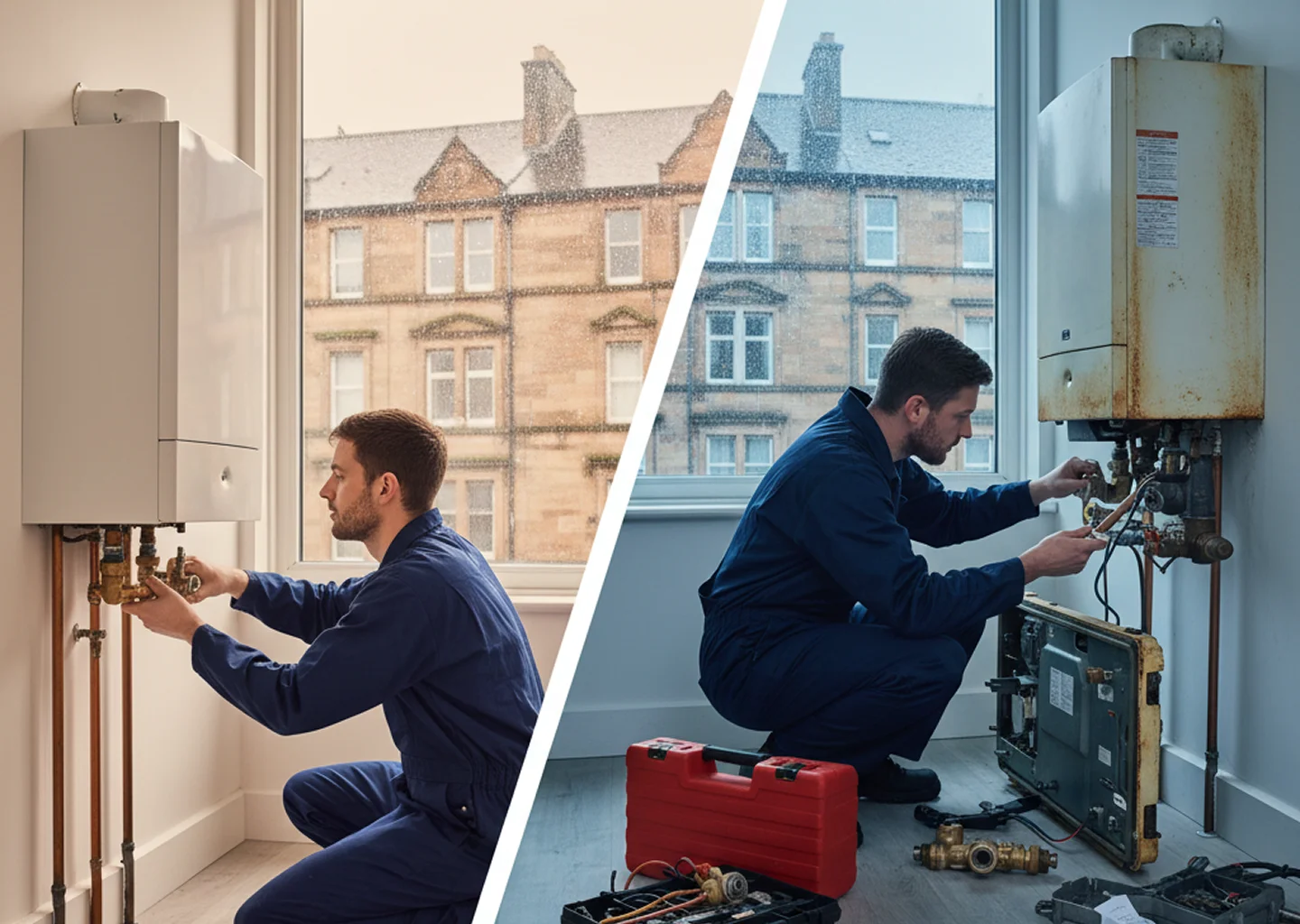
- Disconnect and remove the old boiler.
- Dispose of waste safely and responsibly.
If you are switching from a traditional system to a combi, loft tanks and cylinders will also be removed.
Which fuel powers your boiler?
It just takes 2 minutes
And then you can book a free consultation
7. Installation of the New Boiler
The new boiler is mounted and connected to your system. This involves:
- Securing the boiler in its chosen location.
- Running and connecting gas and water pipework.
- Installing the flue in line with regulations.
- Adding a magnetic filter to protect against sludge.
- Dosing the system with inhibitor fluid.
- Connecting thermostats and, if chosen, smart controls.
Most straightforward combi swaps in Glasgow take a single day. More complex conversions, such as moving the boiler or changing to a system setup, may take two to three days.
Professional Boiler System Cleaning for Optimal Efficiency
System cleaning is a vital stage. Over time, radiators collect sludge and debris. If left untreated, these contaminants can damage your new boiler.
Installers usually perform a chemical flush, although a power flush may be required for heavily sludged systems. This ensures water flows freely, radiators heat evenly, and the boiler runs efficiently.
9. Testing and Commissioning
Once fitted, the boiler undergoes rigorous testing:
- Gas tightness and pressure checks.
- Combustion analysis.
- Leak detection.
- Radiator balancing.
- Thermostat operation.
All details are recorded in the benchmark logbook. The engineer registers the installation with Gas Safe and Building Regulations, providing proof that the work is legal and safe.
10. Handover and Warranty
A professional boiler fitting in Glasgow includes a complete handover. Your engineer will show you how to:
- Use the controls.
- Adjust heating schedules.
- Reset the boiler if needed.
- Understand error codes.
They will also provide warranty documentation. Many new boilers come with warranties of up to 10 years, provided the boiler is serviced annually.
11. Aftercare and Servicing
Annual servicing keeps your boiler safe, efficient, and under warranty. A service involves:
- Safety checks.
- Combustion testing.
- Cleaning of filters.
- Checking inhibitor levels.
Many Glasgow homeowners also choose boiler cover, which provides additional protection against breakdowns and spreads the cost of repairs.
12. Costs and Timescales in Glasgow
The cost of a boiler fitting in Glasgow depends on the type of boiler and complexity of the job:
- Combi swap: £1,800–£2,500 (1 day).
- System boiler: £2,000–£3,000 (2–3 days).
- Conversion: £2,800–£3,500 (2–3 days).
These prices reflect average market costs in 2025 and may vary depending on property and specification.
A boiler fitting in Glasgow is a detailed process that requires expertise at every stage, from the initial survey to final certification. Choosing a trusted local installer ensures your home stays warm, efficient, and safe for years to come.
Looking for a professional boiler fitting? Origin GPH offers free surveys, fixed-price quotes, and expert fitting with long warranties.
Related articles
Which fuel powers your boiler?
At a glance
When it comes to heating, few household jobs are more important than replacing your boiler.
While many people use the term installation, professionals often talk about fitting. Boiler fitting refers to the practical work of removing your old boiler and fitting the new one safely and efficiently.
If you’re arranging a boiler fitting in Glasgow, it helps to know exactly what happens before, during, and after the process.
This guide sets out what you can expect, how long it takes, what it costs, and why choosing the right installer makes all the difference.
1. Why Boiler Fitting Matters
A new boiler is a significant investment, and the fitting process determines whether it delivers reliable performance and long-term efficiency. Even the best boiler, poorly fitted, can underperform, break down early, or invalidate its warranty.
In Glasgow, where many properties are older and layouts vary widely, a professional approach is essential. Good fitting means:
- Correct sizing for your household needs.
- Safe connections to gas, water, and heating circuits.
- Compliance with Building Regulations.
- Long-term protection with filters and inhibitors.
- Clear handover and warranty registration.
2. The Pre-Fit Survey
The process begins with a survey carried out by a Gas Safe registered engineer. They will look at:
- The current boiler and system layout.
- The number of radiators and bathrooms.
- Water pressure at the mains.
- Potential flue routes.
- Future household needs.
Glasgow properties range from traditional tenement flats to large detached houses. Each comes with its own requirements. For example, a tenement with limited cupboard space often calls for a compact combi boiler, while a large family home in the suburbs may need a system boiler with a cylinder.
3. Choosing the Right Boiler
Based on the survey, your installer will recommend the best boiler. Common options include:
- Combi boilers: Compact, efficient, and suitable for smaller homes. Provide heating and hot water on demand.
- System boilers: Use a cylinder to store hot water, making them ideal for homes with multiple bathrooms.
- Conventional boilers: Traditional setups found in older properties with loft tanks and cylinders.
Your choice will depend on property type, water demand, and available space.
4. Fixed-Price Quotation
After the survey, you should receive a fixed-price quote. A transparent quote will list:
- Boiler model and output.
- Labour and installation costs.
- Flue and filter.
- System cleaning or flushing.
- Warranty details.
Companies such as Origin GPH provide quotes with no hidden extras, so you know exactly what to expect.
5. Preparing for Boiler Fitting
Before the work begins, you can help things go smoothly by:
- Clearing access to the boiler, gas meter, and stopcock.
- Ensuring parking is available if you live in a flat or terrace.
- Letting the installer know about any special requirements, such as pets or working from home.
These simple steps save time and prevent disruption.
6. Removal of the Old Boiler
On the installation day, the engineer will:
- Lay down dust sheets to protect your home.
- Isolate the gas, water, and electrics.
- Drain the central heating system.
- Disconnect and remove the old boiler.
- Dispose of waste safely and responsibly.
If you are switching from a traditional system to a combi, loft tanks and cylinders will also be removed.
Which fuel powers your boiler?
It just takes 2 minutes
And then you can book a free consultation
7. Installation of the New Boiler
The new boiler is mounted and connected to your system. This involves:
- Securing the boiler in its chosen location.
- Running and connecting gas and water pipework.
- Installing the flue in line with regulations.
- Adding a magnetic filter to protect against sludge.
- Dosing the system with inhibitor fluid.
- Connecting thermostats and, if chosen, smart controls.
Most straightforward combi swaps in Glasgow take a single day. More complex conversions, such as moving the boiler or changing to a system setup, may take two to three days.
Professional Boiler System Cleaning for Optimal Efficiency
System cleaning is a vital stage. Over time, radiators collect sludge and debris. If left untreated, these contaminants can damage your new boiler.
Installers usually perform a chemical flush, although a power flush may be required for heavily sludged systems. This ensures water flows freely, radiators heat evenly, and the boiler runs efficiently.
9. Testing and Commissioning
Once fitted, the boiler undergoes rigorous testing:
- Gas tightness and pressure checks.
- Combustion analysis.
- Leak detection.
- Radiator balancing.
- Thermostat operation.
All details are recorded in the benchmark logbook. The engineer registers the installation with Gas Safe and Building Regulations, providing proof that the work is legal and safe.
10. Handover and Warranty
A professional boiler fitting in Glasgow includes a complete handover. Your engineer will show you how to:
- Use the controls.
- Adjust heating schedules.
- Reset the boiler if needed.
- Understand error codes.
They will also provide warranty documentation. Many new boilers come with warranties of up to 10 years, provided the boiler is serviced annually.
11. Aftercare and Servicing
Annual servicing keeps your boiler safe, efficient, and under warranty. A service involves:
- Safety checks.
- Combustion testing.
- Cleaning of filters.
- Checking inhibitor levels.
Many Glasgow homeowners also choose boiler cover, which provides additional protection against breakdowns and spreads the cost of repairs.
12. Costs and Timescales in Glasgow
The cost of a boiler fitting in Glasgow depends on the type of boiler and complexity of the job:
- Combi swap: £1,800–£2,500 (1 day).
- System boiler: £2,000–£3,000 (2–3 days).
- Conversion: £2,800–£3,500 (2–3 days).
These prices reflect average market costs in 2025 and may vary depending on property and specification.
A boiler fitting in Glasgow is a detailed process that requires expertise at every stage, from the initial survey to final certification. Choosing a trusted local installer ensures your home stays warm, efficient, and safe for years to come.
Looking for a professional boiler fitting? Origin GPH offers free surveys, fixed-price quotes, and expert fitting with long warranties.