
Boiler Installation in Tenement Buildings: What to Consider
Tenement buildings are a defining feature of Glasgow’s architectural landscape. While they offer character, space, and history, they can present unique challenges when it comes to upgrading essential systems like heating.

Why you can trust our content
We understand that the boiler industry can be confusing, with plenty of outdated or misleading information. That’s why we rely only on trusted, proven sources to guide our advice and installations:

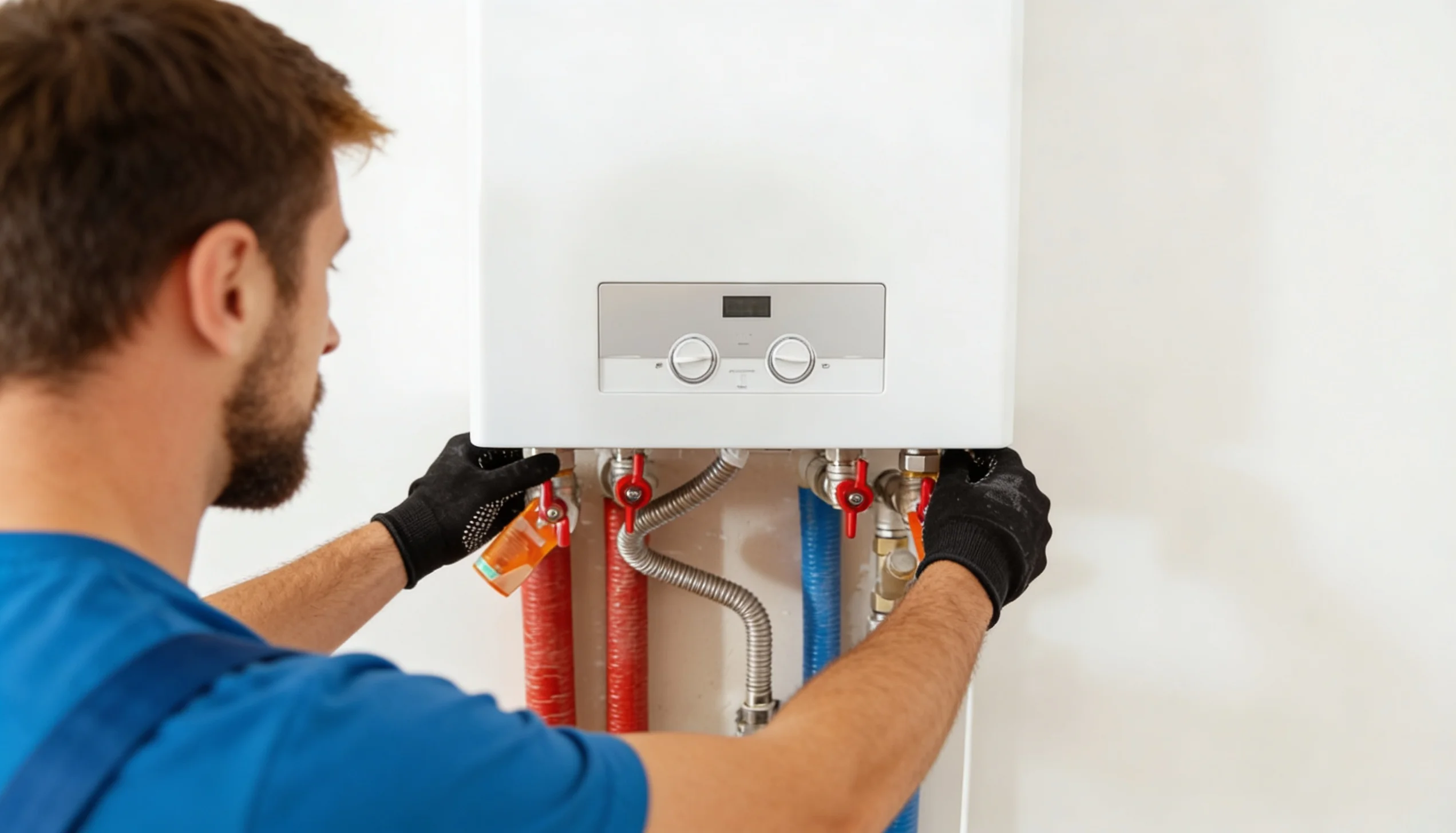
If you’re planning a boiler installation glasgow within a tenement flat, it’s important to understand how these properties differ from modern homes. From access limitations to structural considerations, the process requires careful planning to ensure a safe and efficient outcome.
What Makes Tenement Boiler Installations More Complex?
Unlike newer builds, tenement flats were not designed with modern heating systems in mind. This means installers often need to work around existing structures and layouts.
Common challenges include:
- Thick stone walls that make pipework and flue installation more difficult
- Shared stairwells and limited access for equipment
- Older plumbing systems that may need upgrading
- Restricted space for boilers and components
These factors don’t make installation impossible, but they do mean it should always be handled by experienced professionals familiar with Glasgow properties.
Do You Need Permission for Boiler Installation in a Tenement?
In many cases, yes. Tenement flats often fall under shared ownership structures, which means certain changes require approval.
You may need permission if:
- The flue will be installed on an external wall
- Work affects communal areas
- The property is listed or within a conservation area
It’s always worth checking with your factor or building management company before starting a boiler installation glasgow project to avoid delays.
Which fuel powers your boiler?
It just takes 2 minutes
And then you can book a free consultation
Which Boiler Type Works Best in Tenement Flats?
Choosing the right boiler type is essential for both performance and practicality.
Combi Boilers
Combi boilers are typically the most suitable option for tenement flats due to their compact size and efficiency. They don’t require a separate water tank, which is ideal for properties with limited storage.
System Boilers
System boilers may be suitable for larger tenement flats with higher water demand, but they require space for a cylinder.
Conventional Boilers
These are rarely used in tenements today, as they require both a tank and cylinder, which can be impractical in most flats.
|
Boiler Type |
Suitability in Tenements |
Key Advantage |
|
Combi Boiler |
High |
Space-saving and efficient |
|
System Boiler |
Medium |
Handles higher demand |
|
Conventional |
Low |
Not ideal for limited space |
Where Can a Boiler Be Installed in a Tenement Flat?
Location is one of the most important decisions during installation.
Typical locations include:
- Kitchen cupboards
- Utility areas (if available)
- Hallway storage spaces
The chosen location must allow for:
- Proper ventilation
- Safe flue routing
- Easy access for maintenance
In many cases, modern boilers can be neatly integrated into existing cupboards, helping maintain the character of the property.
If you’re unsure about the best location in your flat, speak to Origin GPH for practical advice based on your layout and building type.
What Are the Flue Installation Considerations?
Flue placement is often one of the most complex aspects of installing a boiler in a tenement.
Because flats are stacked vertically, installers must carefully plan how the flue exits the building. This may involve:
- Routing through an external wall
- Ensuring safe distances from windows and neighbouring properties
- Complying with current building regulations
In some cases, alternative flue solutions may be required if standard placement isn’t possible.
How Long Does Installation Take in a Tenement?
The timeframe for installation can vary depending on the complexity of the job.
Typical timelines:
- Straightforward replacement: 1 day
- More complex installations: 2–3 days
Additional time may be needed if:
- Pipework requires upgrading
- Access is restricted
- Permissions are delayed
Planning ahead is key to avoiding disruption.
Are Older Pipe Systems a Problem?
Many tenement buildings still have older pipework, which may not be compatible with modern boilers.
Potential issues include:
- Reduced water pressure
- Corrosion or leaks
- Inefficient heating performance
Upgrading pipework during a boiler installation glasgow project can improve overall system efficiency and longevity.
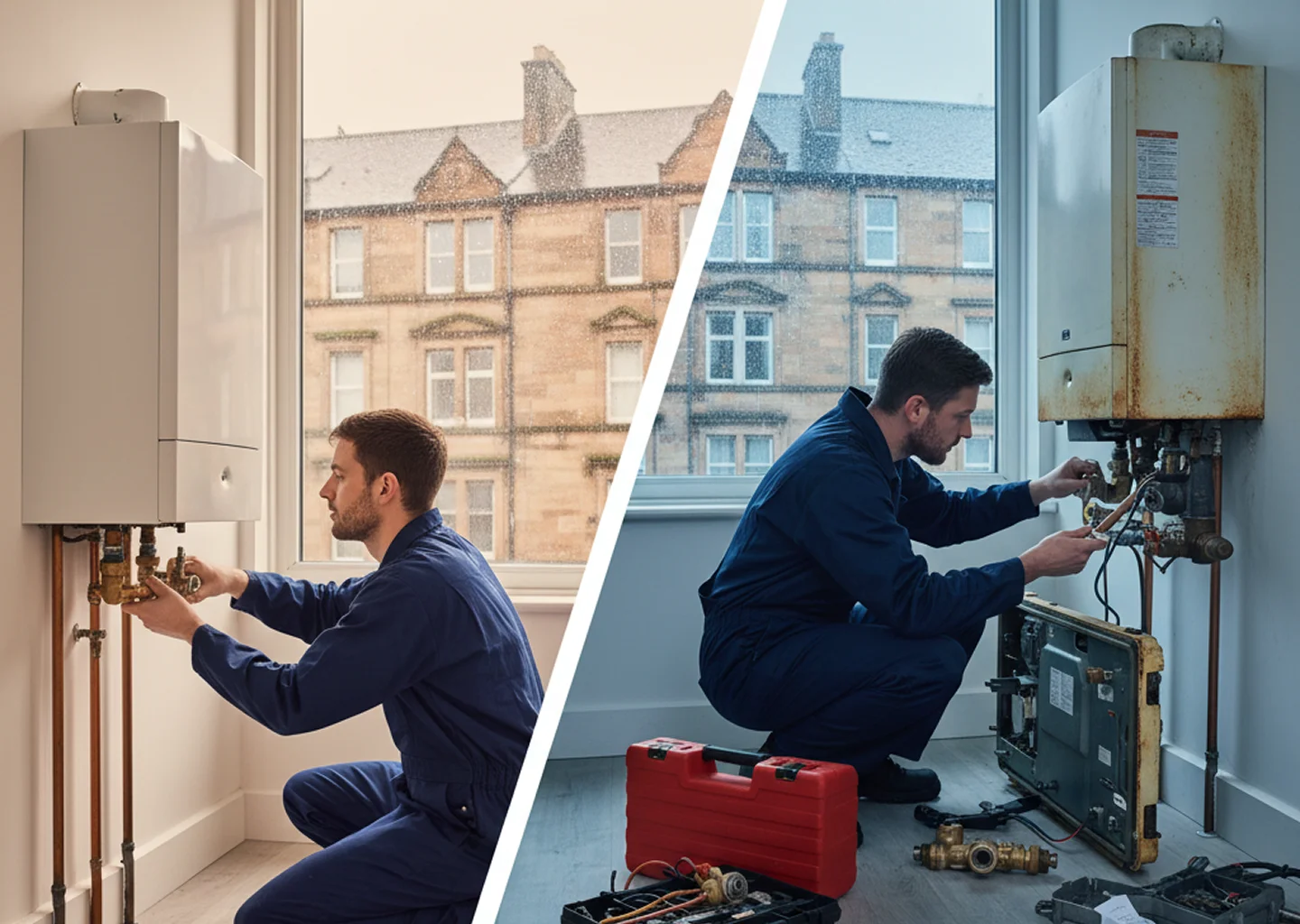
Case Study: Boiler Upgrade in a Glasgow Tenement
A homeowner in a second-floor tenement flat was experiencing inconsistent heating and frequent boiler breakdowns.
Challenges included:
- Outdated pipework
- Limited cupboard space
- Difficult flue access
The solution involved installing a compact combi boiler and upgrading key sections of pipework.
The outcome:
- Reliable heating throughout the flat
- Improved energy efficiency
- Reduced maintenance issues
This type of upgrade is common across Greater Glasgow, where modern systems can significantly improve comfort in older properties.
What Should You Budget for?
Costs can vary depending on the complexity of the installation and any additional work required.
Factors affecting cost include:
- Type of boiler selected
- Installation complexity
- Pipework upgrades
- Accessibility of the property
While tenement installations can sometimes be more involved, the long-term benefits in efficiency and reliability often make the investment worthwhile.
How Can You Prepare for Installation Day?
Preparation can help ensure the installation process runs smoothly.
Before your appointment:
- Clear access to the installation area
- Inform neighbours if work may cause noise
- Confirm access arrangements with your installer
A professional team will handle the technical aspects, but a little preparation can make the process more efficient.
If you’re planning ahead, you can request a detailed installation plan from Origin GPH to understand exactly what’s involved.
Frequently Asked Questions
Installing a boiler in a tenement building requires a thoughtful approach that considers both the structure of the property and the needs of the household. With the right planning and professional expertise, even complex installations can be completed efficiently and safely.
Origin GPH has experience working across a wide range of Glasgow tenement properties, offering practical solutions tailored to each home.
If you’re considering a boiler upgrade, contact Origin GPH to discuss your options and arrange a tailored quote for your flat.
Related articles
Which fuel powers your boiler?
At a glance
If you’re planning a boiler installation glasgow within a tenement flat, it’s important to understand how these properties differ from modern homes. From access limitations to structural considerations, the process requires careful planning to ensure a safe and efficient outcome.
What Makes Tenement Boiler Installations More Complex?
Unlike newer builds, tenement flats were not designed with modern heating systems in mind. This means installers often need to work around existing structures and layouts.
Common challenges include:
- Thick stone walls that make pipework and flue installation more difficult
- Shared stairwells and limited access for equipment
- Older plumbing systems that may need upgrading
- Restricted space for boilers and components
These factors don’t make installation impossible, but they do mean it should always be handled by experienced professionals familiar with Glasgow properties.
Do You Need Permission for Boiler Installation in a Tenement?
In many cases, yes. Tenement flats often fall under shared ownership structures, which means certain changes require approval.
You may need permission if:
- The flue will be installed on an external wall
- Work affects communal areas
- The property is listed or within a conservation area
It’s always worth checking with your factor or building management company before starting a boiler installation glasgow project to avoid delays.
Which fuel powers your boiler?
It just takes 2 minutes
And then you can book a free consultation
Which Boiler Type Works Best in Tenement Flats?
Choosing the right boiler type is essential for both performance and practicality.
Combi Boilers
Combi boilers are typically the most suitable option for tenement flats due to their compact size and efficiency. They don’t require a separate water tank, which is ideal for properties with limited storage.
System Boilers
System boilers may be suitable for larger tenement flats with higher water demand, but they require space for a cylinder.
Conventional Boilers
These are rarely used in tenements today, as they require both a tank and cylinder, which can be impractical in most flats.
|
Boiler Type |
Suitability in Tenements |
Key Advantage |
|
Combi Boiler |
High |
Space-saving and efficient |
|
System Boiler |
Medium |
Handles higher demand |
|
Conventional |
Low |
Not ideal for limited space |
Where Can a Boiler Be Installed in a Tenement Flat?
Location is one of the most important decisions during installation.
Typical locations include:
- Kitchen cupboards
- Utility areas (if available)
- Hallway storage spaces
The chosen location must allow for:
- Proper ventilation
- Safe flue routing
- Easy access for maintenance
In many cases, modern boilers can be neatly integrated into existing cupboards, helping maintain the character of the property.
If you’re unsure about the best location in your flat, speak to Origin GPH for practical advice based on your layout and building type.
What Are the Flue Installation Considerations?
Flue placement is often one of the most complex aspects of installing a boiler in a tenement.
Because flats are stacked vertically, installers must carefully plan how the flue exits the building. This may involve:
- Routing through an external wall
- Ensuring safe distances from windows and neighbouring properties
- Complying with current building regulations
In some cases, alternative flue solutions may be required if standard placement isn’t possible.
How Long Does Installation Take in a Tenement?
The timeframe for installation can vary depending on the complexity of the job.
Typical timelines:
- Straightforward replacement: 1 day
- More complex installations: 2–3 days
Additional time may be needed if:
- Pipework requires upgrading
- Access is restricted
- Permissions are delayed
Planning ahead is key to avoiding disruption.
Are Older Pipe Systems a Problem?
Many tenement buildings still have older pipework, which may not be compatible with modern boilers.
Potential issues include:
- Reduced water pressure
- Corrosion or leaks
- Inefficient heating performance
Upgrading pipework during a boiler installation glasgow project can improve overall system efficiency and longevity.
Case Study: Boiler Upgrade in a Glasgow Tenement
A homeowner in a second-floor tenement flat was experiencing inconsistent heating and frequent boiler breakdowns.
Challenges included:
- Outdated pipework
- Limited cupboard space
- Difficult flue access
The solution involved installing a compact combi boiler and upgrading key sections of pipework.
The outcome:
- Reliable heating throughout the flat
- Improved energy efficiency
- Reduced maintenance issues
This type of upgrade is common across Greater Glasgow, where modern systems can significantly improve comfort in older properties.
What Should You Budget for?
Costs can vary depending on the complexity of the installation and any additional work required.
Factors affecting cost include:
- Type of boiler selected
- Installation complexity
- Pipework upgrades
- Accessibility of the property
While tenement installations can sometimes be more involved, the long-term benefits in efficiency and reliability often make the investment worthwhile.
How Can You Prepare for Installation Day?
Preparation can help ensure the installation process runs smoothly.
Before your appointment:
- Clear access to the installation area
- Inform neighbours if work may cause noise
- Confirm access arrangements with your installer
A professional team will handle the technical aspects, but a little preparation can make the process more efficient.
If you’re planning ahead, you can request a detailed installation plan from Origin GPH to understand exactly what’s involved.
Frequently Asked Questions
Installing a boiler in a tenement building requires a thoughtful approach that considers both the structure of the property and the needs of the household. With the right planning and professional expertise, even complex installations can be completed efficiently and safely.
Origin GPH has experience working across a wide range of Glasgow tenement properties, offering practical solutions tailored to each home.
If you’re considering a boiler upgrade, contact Origin GPH to discuss your options and arrange a tailored quote for your flat.