
Gas Boiler Installation in Glasgow: Safety Checks Before Work Starts
A new boiler is one of the most important investments you can make in your home’s heating system, but before any installation begins, several essential safety checks need to take place. These assessments help ensure the boiler can be fitted correctly, operates efficiently and complies with current gas safety regulations.

Why you can trust our content
We understand that the boiler industry can be confusing, with plenty of outdated or misleading information. That’s why we rely only on trusted, proven sources to guide our advice and installations:
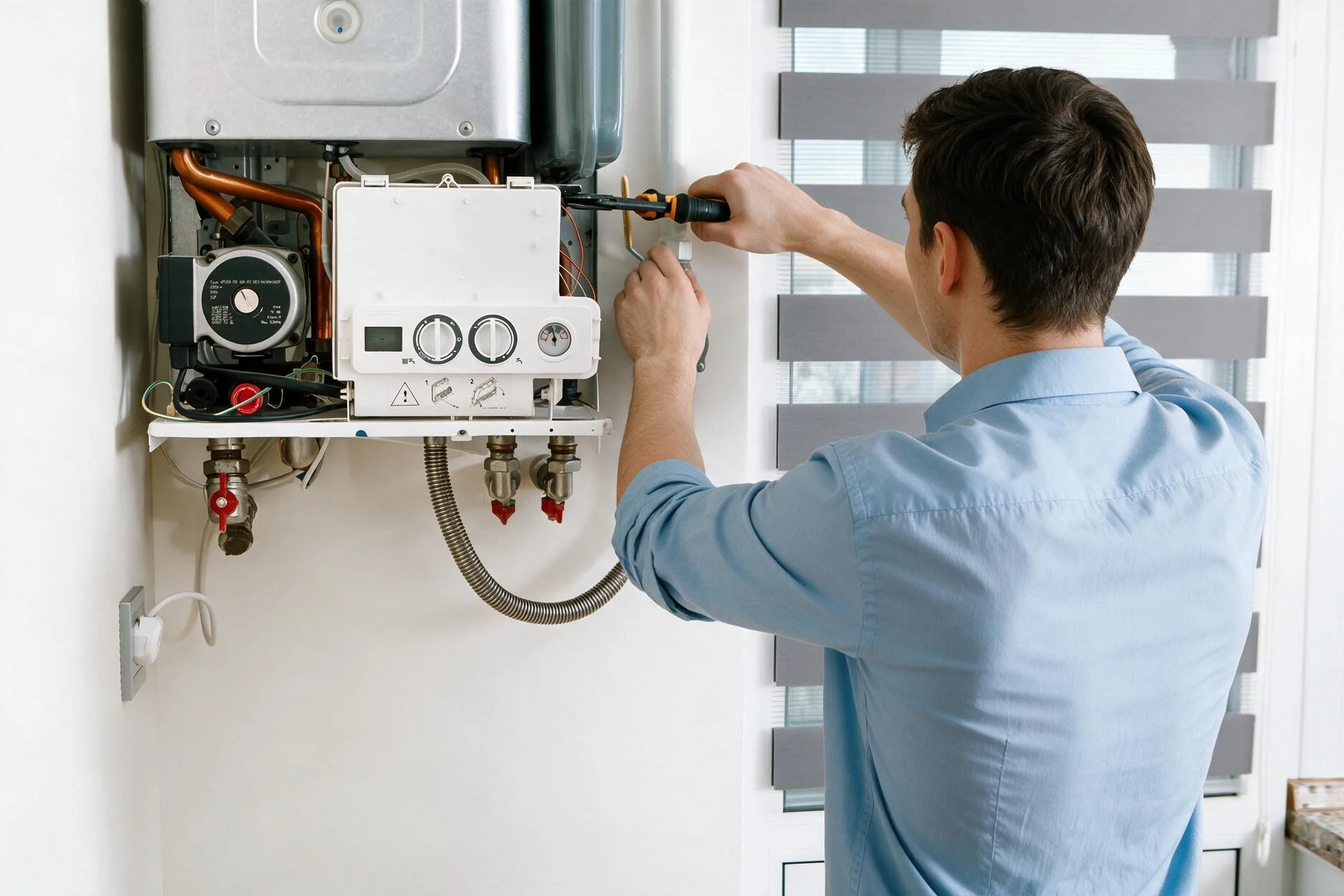
Many homeowners focus on choosing the right boiler model, but the preparation beforehand is just as important. A professional survey allows engineers to identify any issues that could affect the installation, reducing the risk of delays or unexpected work once the project starts.
If you’re planning gas boiler installation Glasgow, understanding these safety checks can help you feel more confident about the process and know what to expect before installation day.
If you’re considering a new heating system, contact the team at Origin GPH to arrange a professional home survey and receive expert advice before installation.
Why are safety checks carried out before installation?
Installing a gas boiler involves much more than replacing one appliance with another. Every property has different heating requirements, existing pipework and ventilation arrangements that need to be assessed.
Safety checks help engineers to:
- Confirm the installation complies with current regulations.
- Ensure the gas supply is suitable.
- Identify worn or damaged components.
- Assess ventilation requirements.
- Check access for future servicing.
- Plan the safest installation method.
Completing these checks beforehand helps avoid unnecessary complications during the installation itself.
What does an engineer inspect during the survey?
A comprehensive survey covers several important parts of your heating system.
|
Inspection Area |
Purpose |
|
Existing boiler |
Assess condition and removal requirements |
|
Gas pipework |
Confirm adequate supply and condition |
|
Flue position |
Ensure safe termination and compliance |
|
Heating pipework |
Check compatibility with the new boiler |
|
Electrical supply |
Verify safe electrical connections |
|
Condensate drainage |
Confirm suitable discharge route |
|
Heating controls |
Review existing controls and possible upgrades |
Each of these inspections helps create a clear installation plan tailored to your home.
Which fuel powers your boiler?
It just takes 2 minutes
And then you can book a free consultation
Is the gas supply always suitable?
Not necessarily.
One of the first priorities during a survey is checking whether the existing gas supply can safely support the new boiler.
Engineers will consider:
- Pipe sizing
- Gas pressure
- Existing pipe condition
- Overall demand within the property
If upgrades are required, these can usually be identified during the survey rather than after installation has already started.
This is one reason why choosing an experienced gas boiler installation company is so important, as thorough planning reduces the likelihood of unexpected issues later.
Why is the flue location so important?
The flue safely removes combustion gases from your boiler.
Its position must comply with current regulations regarding:
- Windows
- Doors
- Air vents
- Boundaries
- Neighbouring properties
- Building features
If the existing flue location is unsuitable for the replacement boiler, engineers will recommend an alternative solution before installation begins.
These checks are essential for both safety and regulatory compliance.
Not sure whether your current system meets today’s safety requirements? Speak to Origin GPH for professional advice and a detailed property assessment.
Could your existing pipework affect safety?
Yes.
While many homeowners focus on the boiler itself, the surrounding heating system also plays an important role.
During the survey, engineers may identify:
- Corrosion
- Leaking joints
- Undersized pipework
- Sludge build-up
- Older valves approaching the end of their service life
Although some of these issues aren’t immediate safety concerns, resolving them during installation can improve both performance and long-term reliability.
When arranging gas boiler installation Glasgow, addressing these points early helps create a more dependable heating system.
Are ventilation checks still necessary with modern boilers?
Absolutely.
Modern condensing boilers have different ventilation requirements compared with older appliances, but ventilation remains an important part of the installation process.
Engineers will check:
- Available airflow
- Cupboard clearances
- Boiler positioning
- Flue routing
- Manufacturer installation requirements
These assessments help ensure the boiler operates efficiently while remaining safe throughout its lifespan.
A typical installation example
Imagine a homeowner replacing a 15-year-old boiler in a traditional semi-detached property.
During the survey, the engineer discovers that the existing gas supply pipe is slightly undersized for the proposed replacement boiler. The flue position also requires minor adjustment to meet current standards.
Rather than discovering these issues during installation day, they are identified early, allowing the quotation and installation schedule to be updated accordingly.
This careful preparation is one reason experienced engineers take time to complete a thorough survey before beginning work.
What happens if issues are identified?
Finding an issue during the survey doesn’t necessarily mean the installation becomes complicated.
Instead, it allows engineers to recommend the most appropriate solution before work begins.
Possible recommendations may include:
- Upgrading gas pipework
- Adjusting flue positioning
- Replacing ageing valves
- Installing improved heating controls
- Updating electrical isolation switches
By planning these improvements in advance, homeowners receive a clearer understanding of both the work involved and the expected timescale.
Why choose an experienced installer?
Safety should always be the priority when working with gas appliances.
A reputable gas boiler installation company will:
- Carry out a detailed property survey.
- Explain any recommendations clearly.
- Follow current gas safety regulations.
- Install the boiler according to manufacturer guidance.
- Test the system before completion.
This structured approach helps ensure your heating system performs safely and efficiently from the very first day.
Frequently Asked Questions
If you’re planning gas boiler installation Glasgow, book a survey with Origin GPH. Our experienced team will assess your property, explain every recommendation and help ensure your installation is completed safely and professionally.
Safety checks are a vital part of every successful boiler installation. By assessing your gas supply, flue position, pipework, ventilation and heating controls before work begins, engineers can identify any improvements needed and plan the installation with confidence.
A professional survey helps prevent unexpected delays, supports regulatory compliance and ensures your new heating system is designed around the needs of your home. At Origin GPH, every installation begins with careful planning, giving homeowners reassurance that safety, quality and long-term performance remain the priority from start to finish.
Related articles
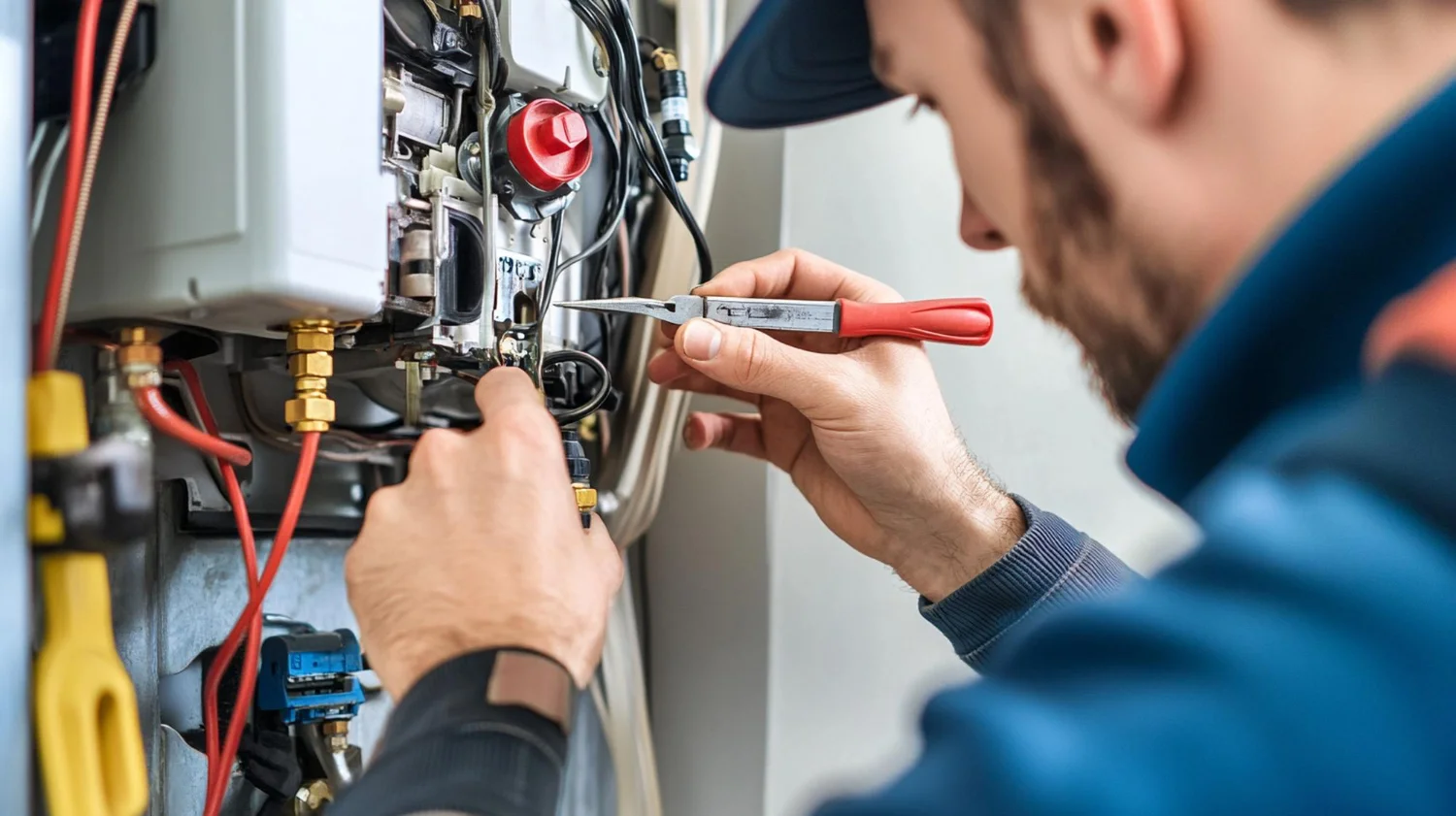
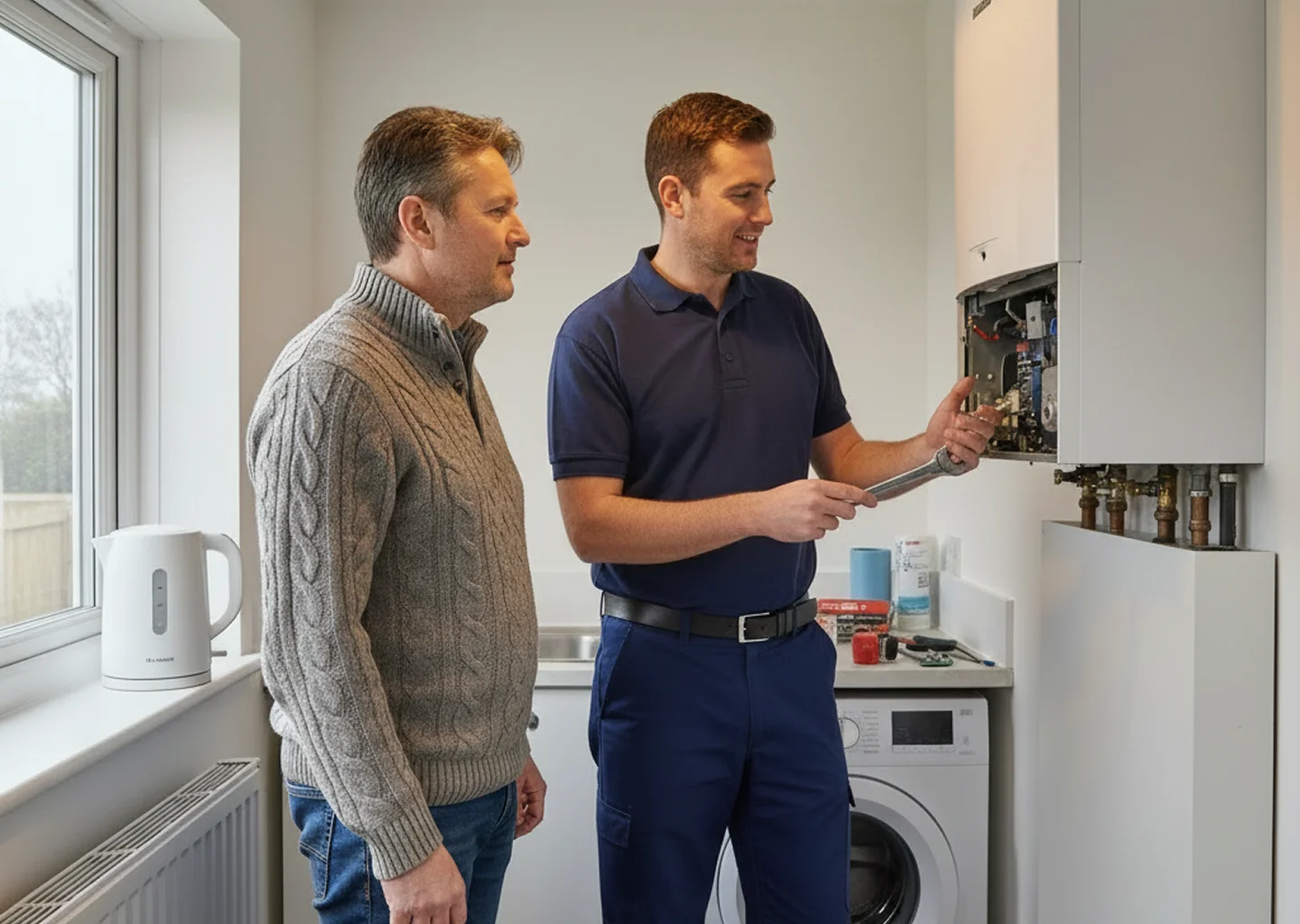
Which fuel powers your boiler?
At a glance
Many homeowners focus on choosing the right boiler model, but the preparation beforehand is just as important. A professional survey allows engineers to identify any issues that could affect the installation, reducing the risk of delays or unexpected work once the project starts.
If you’re planning gas boiler installation Glasgow, understanding these safety checks can help you feel more confident about the process and know what to expect before installation day.
If you’re considering a new heating system, contact the team at Origin GPH to arrange a professional home survey and receive expert advice before installation.
Why are safety checks carried out before installation?
Installing a gas boiler involves much more than replacing one appliance with another. Every property has different heating requirements, existing pipework and ventilation arrangements that need to be assessed.
Safety checks help engineers to:
- Confirm the installation complies with current regulations.
- Ensure the gas supply is suitable.
- Identify worn or damaged components.
- Assess ventilation requirements.
- Check access for future servicing.
- Plan the safest installation method.
Completing these checks beforehand helps avoid unnecessary complications during the installation itself.
What does an engineer inspect during the survey?
A comprehensive survey covers several important parts of your heating system.
|
Inspection Area |
Purpose |
|
Existing boiler |
Assess condition and removal requirements |
|
Gas pipework |
Confirm adequate supply and condition |
|
Flue position |
Ensure safe termination and compliance |
|
Heating pipework |
Check compatibility with the new boiler |
|
Electrical supply |
Verify safe electrical connections |
|
Condensate drainage |
Confirm suitable discharge route |
|
Heating controls |
Review existing controls and possible upgrades |
Each of these inspections helps create a clear installation plan tailored to your home.
Which fuel powers your boiler?
It just takes 2 minutes
And then you can book a free consultation
Is the gas supply always suitable?
Not necessarily.
One of the first priorities during a survey is checking whether the existing gas supply can safely support the new boiler.
Engineers will consider:
- Pipe sizing
- Gas pressure
- Existing pipe condition
- Overall demand within the property
If upgrades are required, these can usually be identified during the survey rather than after installation has already started.
This is one reason why choosing an experienced gas boiler installation company is so important, as thorough planning reduces the likelihood of unexpected issues later.
Why is the flue location so important?
The flue safely removes combustion gases from your boiler.
Its position must comply with current regulations regarding:
- Windows
- Doors
- Air vents
- Boundaries
- Neighbouring properties
- Building features
If the existing flue location is unsuitable for the replacement boiler, engineers will recommend an alternative solution before installation begins.
These checks are essential for both safety and regulatory compliance.
Not sure whether your current system meets today’s safety requirements? Speak to Origin GPH for professional advice and a detailed property assessment.
Could your existing pipework affect safety?
Yes.
While many homeowners focus on the boiler itself, the surrounding heating system also plays an important role.
During the survey, engineers may identify:
- Corrosion
- Leaking joints
- Undersized pipework
- Sludge build-up
- Older valves approaching the end of their service life
Although some of these issues aren’t immediate safety concerns, resolving them during installation can improve both performance and long-term reliability.
When arranging gas boiler installation Glasgow, addressing these points early helps create a more dependable heating system.
Are ventilation checks still necessary with modern boilers?
Absolutely.
Modern condensing boilers have different ventilation requirements compared with older appliances, but ventilation remains an important part of the installation process.
Engineers will check:
- Available airflow
- Cupboard clearances
- Boiler positioning
- Flue routing
- Manufacturer installation requirements
These assessments help ensure the boiler operates efficiently while remaining safe throughout its lifespan.
A typical installation example
Imagine a homeowner replacing a 15-year-old boiler in a traditional semi-detached property.
During the survey, the engineer discovers that the existing gas supply pipe is slightly undersized for the proposed replacement boiler. The flue position also requires minor adjustment to meet current standards.
Rather than discovering these issues during installation day, they are identified early, allowing the quotation and installation schedule to be updated accordingly.
This careful preparation is one reason experienced engineers take time to complete a thorough survey before beginning work.
What happens if issues are identified?
Finding an issue during the survey doesn’t necessarily mean the installation becomes complicated.
Instead, it allows engineers to recommend the most appropriate solution before work begins.
Possible recommendations may include:
- Upgrading gas pipework
- Adjusting flue positioning
- Replacing ageing valves
- Installing improved heating controls
- Updating electrical isolation switches
By planning these improvements in advance, homeowners receive a clearer understanding of both the work involved and the expected timescale.
Why choose an experienced installer?
Safety should always be the priority when working with gas appliances.
A reputable gas boiler installation company will:
- Carry out a detailed property survey.
- Explain any recommendations clearly.
- Follow current gas safety regulations.
- Install the boiler according to manufacturer guidance.
- Test the system before completion.
This structured approach helps ensure your heating system performs safely and efficiently from the very first day.
Frequently Asked Questions
If you’re planning gas boiler installation Glasgow, book a survey with Origin GPH. Our experienced team will assess your property, explain every recommendation and help ensure your installation is completed safely and professionally.
Safety checks are a vital part of every successful boiler installation. By assessing your gas supply, flue position, pipework, ventilation and heating controls before work begins, engineers can identify any improvements needed and plan the installation with confidence.
A professional survey helps prevent unexpected delays, supports regulatory compliance and ensures your new heating system is designed around the needs of your home. At Origin GPH, every installation begins with careful planning, giving homeowners reassurance that safety, quality and long-term performance remain the priority from start to finish.