
Gas Meter, Supply Pipe and Fused Spur: The Hidden Infrastructure Behind a Boiler Installation
When homeowners think about replacing a boiler, the appliance itself is usually the main focus. Which boiler should you choose? How efficient is it? What will the installation cost? Yet there is another side to the job that can be just as important: the infrastructure that supplies the boiler with gas and electricity.

Why you can trust our content
We understand that the boiler industry can be confusing, with plenty of outdated or misleading information. That’s why we rely only on trusted, proven sources to guide our advice and installations:

A modern heating system needs more than a suitable boiler. The gas meter, supply pipe, internal gas pipework and electrical connection all need to be capable of supporting the installation safely and reliably. If something is unsuitable, additional work may be needed before the new boiler can be commissioned.
This is why a proper survey is an important part of any boiler installation Glasgow project. Looking at the boiler alone does not tell an installer whether the surrounding system is ready for the replacement.
If you are planning a replacement and want to understand what your property may need before work begins, contact the Origin GPH team for expert guidance and a tailored assessment.
What infrastructure does a boiler actually need?
A gas boiler relies on several connected components to operate correctly. Some are obvious, while others are easy to overlook during an initial conversation about a replacement.
The main areas an installer may need to assess include:
- The gas meter and its capacity
- The gas supply pipe entering the property
- The internal gas pipework leading to the boiler
- The boiler’s electrical supply
- The fused spur or suitable isolation point
- The flue arrangement and terminal
- The condensate connection
- The position and condition of existing heating controls
These components do different jobs, but they ultimately work together as one system. A new boiler may be perfectly suitable on paper and still require changes to the surrounding infrastructure before it can be installed.
What kind of fuel does your boiler use?
Mains Gas
LPG
It just takes 2 minutes
And then you can book a free consultation
Why does the gas meter matter?
The gas meter measures the gas being consumed by appliances within the property. Its suitability is therefore relevant when a new boiler is being installed, particularly if the replacement has different gas input requirements from the existing appliance.
An installer will consider the available supply and whether the meter and associated pipework are appropriate for the proposed system. This does not automatically mean that a meter needs replacing. In many cases, the existing arrangement may be perfectly adequate.
The important point is that its capacity should be considered as part of the overall assessment rather than assumed.
Can the existing gas supply support a new boiler?
The answer depends on the property’s existing installation and the requirements of the proposed appliance.
A modern boiler may have different operating characteristics from an older model. If the gas supply cannot provide the required flow under the relevant conditions, the installer may need to investigate the cause and determine whether alterations are necessary.
The gas supply pipe is particularly important. Older properties can have pipework that was designed around previous heating requirements, and its size, length, routing and condition can all affect the available supply.
A competent boiler fitter Glasgow will therefore assess the gas installation rather than simply disconnecting the old boiler and connecting the new one.
What is a gas supply pipe?
The gas supply pipe carries gas from the meter towards the property’s appliances. Its capacity can be affected by factors including its diameter, length, fittings and overall configuration.
This is one reason why two properties with apparently similar boilers can require different installation work.
For example, a property with an appropriately sized gas supply may only need the boiler itself replaced. Another property with older or unsuitable pipework could require sections of the gas installation to be altered.
The requirement should be identified during the survey wherever possible, rather than becoming an unexpected issue after installation has started.
What is a fused spur and why is it needed?
A fused spur is an electrical connection used to provide a dedicated supply and means of isolation for certain fixed electrical equipment, including many domestic boilers.
Although a boiler burns gas, modern systems also depend on electricity. The controls, ignition, pumps, fans and other electrical components require a suitable power supply.
The existing electrical arrangement therefore needs to be considered during the installation.
A suitable installation may include:
|
Component |
What it does |
What the installer may check |
|
Gas meter |
Measures gas consumption |
Capacity and suitability |
|
Supply pipe |
Delivers gas to appliances |
Size, route and condition |
|
Internal gas pipework |
Connects the supply to the boiler |
Adequacy for the proposed appliance |
|
Fused spur |
Provides electrical connection and isolation |
Position and suitability |
|
Condensate pipe |
Removes condensate from the boiler |
Routing and drainage arrangement |
|
Flue |
Removes combustion products |
Position, condition and compliance |
If the existing electrical connection is unsuitable, electrical work may be required as part of the wider installation.
Before agreeing to a replacement, it is sensible to ask what checks are included in the survey. Origin GPH can assess the wider installation requirements so that any necessary work can be discussed before the installation goes ahead.
Why can older properties need more preparation?
Age alone does not mean that a property needs extensive work. However, older homes may contain infrastructure installed around heating equipment and standards that are no longer appropriate for a modern replacement.
A property might have an older gas pipe arrangement, an awkward boiler position or an electrical connection that needs updating. Previous alterations can also leave a system with a mixture of older and newer components.
For homeowners, the key point is that the boiler should be considered as part of the complete heating installation.
What happens during a proper pre-installation survey?
A pre-installation survey gives the installer an opportunity to examine the proposed boiler location and the infrastructure supporting it.
Depending on the property, the survey may consider:
- Where the existing boiler is positioned.
- How the gas reaches the appliance.
- Whether the gas supply arrangement is suitable.
- Where the electrical connection is located.
- How condensate can be discharged.
- Whether the existing flue arrangement can be replaced or adapted appropriately.
- Whether heating controls need to be changed.
- Whether additional work is likely to be required.
This information helps establish the scope of the installation before the old appliance is removed.
Could supply-side problems affect boiler performance?
Yes. A problem outside the boiler can sometimes affect how the heating system operates.
If the gas supply is restricted or otherwise unsuitable, the boiler may not receive the supply it requires to operate correctly. However, not every boiler fault or performance issue is caused by the gas supply.
This is why diagnosis should be systematic. An engineer needs to establish whether the issue originates with the appliance, the gas installation, the electrical supply or another part of the heating system.
A qualified boiler fitter Glasgow can investigate the relevant components rather than assuming that replacing the boiler will solve every problem.
A typical Glasgow installation scenario
Consider a traditional Glasgow property where an older boiler has reached the end of its serviceable life. The homeowner expects a straightforward replacement because the new boiler will occupy roughly the same location.
During the survey, the installer examines the gas route and discovers that the existing arrangement may not be suitable for the proposed appliance. The electrical connection also needs to be reviewed because the current setup does not provide the preferred means of isolation.
Rather than discovering these issues halfway through the installation, they can be identified beforehand. The homeowner can then understand what additional work is involved and how it affects the overall scope.
This illustrates why the cheapest-looking boiler replacement is not always based on the complete picture. The appliance is only one part of the installation.
How can homeowners avoid unexpected installation work?
The simplest approach is to ask for a proper assessment before committing to the work.
Useful questions include:
- Has the gas supply been checked?
- Is the existing meter suitable?
- Has the supply pipe size and route been assessed?
- Is the electrical connection suitable?
- Will any additional gas or electrical work be required?
- Are these items included in the quoted price?
- If additional work is identified, how will it be priced?
A detailed survey does not guarantee that every hidden issue can be predicted, but it gives both the homeowner and installer a much clearer understanding of the property.
When comparing boiler installation Glasgow options, it is therefore worth looking beyond the headline appliance price. Ask what is actually included in the installation and whether the supporting infrastructure has been considered.
What should homeowners take away from the survey?
The main lesson is simple: a boiler replacement is not just an appliance swap.
The gas meter, supply pipe, electrical connection, flue and condensate arrangement can all influence how straightforward the installation will be. Some homes will need little or no additional work, while others may require changes before the new boiler can be commissioned.
A good survey should identify these considerations as early as reasonably possible. It also gives homeowners the opportunity to ask questions and understand the proposed work rather than being presented with unexpected requirements on installation day.
If you are considering a new boiler and are unsure whether your existing gas and electrical infrastructure is suitable, speak to Origin GPH. The team can assess the property and explain the installation requirements clearly before work begins.
Frequently Asked Questions
A new boiler may be the most visible part of a heating upgrade, but the infrastructure behind it deserves equal attention. The gas meter, supply pipe and electrical connection all contribute to a safe and properly functioning installation.
For homeowners, the best approach is to understand what is being assessed before work starts and to ask questions if additional work is proposed. A thorough survey can make the process clearer and reduce the likelihood of unexpected surprises.
Origin GPH can provide expert guidance on the wider requirements of a boiler replacement, helping homeowners understand what their property needs before installation begins.
Related articles




Which fuel powers your boiler?
At a glance
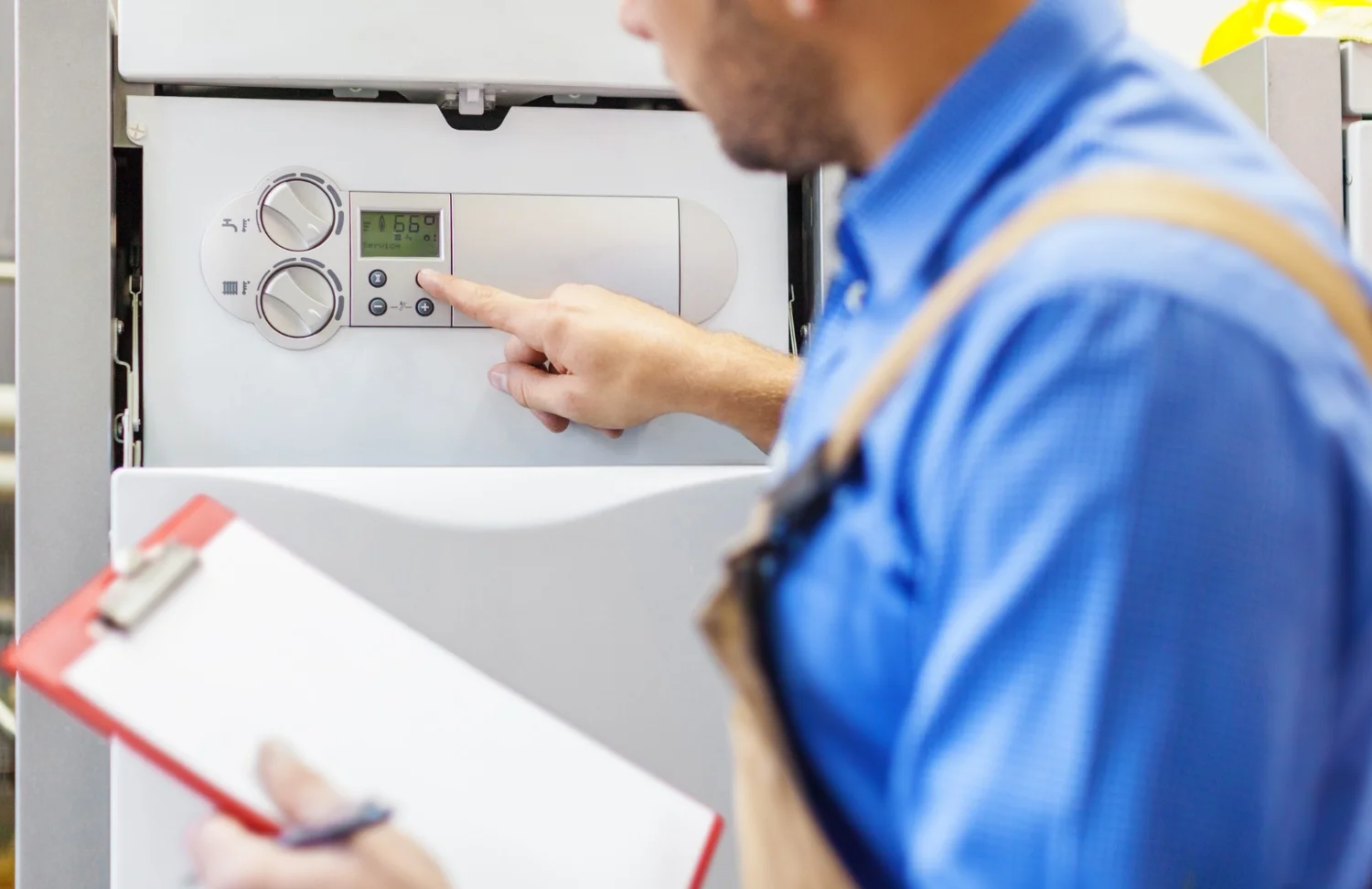
A modern heating system needs more than a suitable boiler. The gas meter, supply pipe, internal gas pipework and electrical connection all need to be capable of supporting the installation safely and reliably. If something is unsuitable, additional work may be needed before the new boiler can be commissioned.
This is why a proper survey is an important part of any boiler installation Glasgow project. Looking at the boiler alone does not tell an installer whether the surrounding system is ready for the replacement.
If you are planning a replacement and want to understand what your property may need before work begins, contact the Origin GPH team for expert guidance and a tailored assessment.
What infrastructure does a boiler actually need?
A gas boiler relies on several connected components to operate correctly. Some are obvious, while others are easy to overlook during an initial conversation about a replacement.
The main areas an installer may need to assess include:
- The gas meter and its capacity
- The gas supply pipe entering the property
- The internal gas pipework leading to the boiler
- The boiler’s electrical supply
- The fused spur or suitable isolation point
- The flue arrangement and terminal
- The condensate connection
- The position and condition of existing heating controls
These components do different jobs, but they ultimately work together as one system. A new boiler may be perfectly suitable on paper and still require changes to the surrounding infrastructure before it can be installed.
What kind of fuel does your boiler use?
Mains Gas
LPG
It just takes 2 minutes
And then you can book a free consultation
Why does the gas meter matter?
The gas meter measures the gas being consumed by appliances within the property. Its suitability is therefore relevant when a new boiler is being installed, particularly if the replacement has different gas input requirements from the existing appliance.
An installer will consider the available supply and whether the meter and associated pipework are appropriate for the proposed system. This does not automatically mean that a meter needs replacing. In many cases, the existing arrangement may be perfectly adequate.
The important point is that its capacity should be considered as part of the overall assessment rather than assumed.
Can the existing gas supply support a new boiler?
The answer depends on the property’s existing installation and the requirements of the proposed appliance.
A modern boiler may have different operating characteristics from an older model. If the gas supply cannot provide the required flow under the relevant conditions, the installer may need to investigate the cause and determine whether alterations are necessary.
The gas supply pipe is particularly important. Older properties can have pipework that was designed around previous heating requirements, and its size, length, routing and condition can all affect the available supply.
A competent boiler fitter Glasgow will therefore assess the gas installation rather than simply disconnecting the old boiler and connecting the new one.
What is a gas supply pipe?
The gas supply pipe carries gas from the meter towards the property’s appliances. Its capacity can be affected by factors including its diameter, length, fittings and overall configuration.
This is one reason why two properties with apparently similar boilers can require different installation work.
For example, a property with an appropriately sized gas supply may only need the boiler itself replaced. Another property with older or unsuitable pipework could require sections of the gas installation to be altered.
The requirement should be identified during the survey wherever possible, rather than becoming an unexpected issue after installation has started.
What is a fused spur and why is it needed?
A fused spur is an electrical connection used to provide a dedicated supply and means of isolation for certain fixed electrical equipment, including many domestic boilers.
Although a boiler burns gas, modern systems also depend on electricity. The controls, ignition, pumps, fans and other electrical components require a suitable power supply.
The existing electrical arrangement therefore needs to be considered during the installation.
A suitable installation may include:
|
Component |
What it does |
What the installer may check |
|
Gas meter |
Measures gas consumption |
Capacity and suitability |
|
Supply pipe |
Delivers gas to appliances |
Size, route and condition |
|
Internal gas pipework |
Connects the supply to the boiler |
Adequacy for the proposed appliance |
|
Fused spur |
Provides electrical connection and isolation |
Position and suitability |
|
Condensate pipe |
Removes condensate from the boiler |
Routing and drainage arrangement |
|
Flue |
Removes combustion products |
Position, condition and compliance |
If the existing electrical connection is unsuitable, electrical work may be required as part of the wider installation.
Before agreeing to a replacement, it is sensible to ask what checks are included in the survey. Origin GPH can assess the wider installation requirements so that any necessary work can be discussed before the installation goes ahead.
Why can older properties need more preparation?
Age alone does not mean that a property needs extensive work. However, older homes may contain infrastructure installed around heating equipment and standards that are no longer appropriate for a modern replacement.
A property might have an older gas pipe arrangement, an awkward boiler position or an electrical connection that needs updating. Previous alterations can also leave a system with a mixture of older and newer components.
For homeowners, the key point is that the boiler should be considered as part of the complete heating installation.
What happens during a proper pre-installation survey?
A pre-installation survey gives the installer an opportunity to examine the proposed boiler location and the infrastructure supporting it.
Depending on the property, the survey may consider:
- Where the existing boiler is positioned.
- How the gas reaches the appliance.
- Whether the gas supply arrangement is suitable.
- Where the electrical connection is located.
- How condensate can be discharged.
- Whether the existing flue arrangement can be replaced or adapted appropriately.
- Whether heating controls need to be changed.
- Whether additional work is likely to be required.
This information helps establish the scope of the installation before the old appliance is removed.
Could supply-side problems affect boiler performance?
Yes. A problem outside the boiler can sometimes affect how the heating system operates.
If the gas supply is restricted or otherwise unsuitable, the boiler may not receive the supply it requires to operate correctly. However, not every boiler fault or performance issue is caused by the gas supply.
This is why diagnosis should be systematic. An engineer needs to establish whether the issue originates with the appliance, the gas installation, the electrical supply or another part of the heating system.
A qualified boiler fitter Glasgow can investigate the relevant components rather than assuming that replacing the boiler will solve every problem.
A typical Glasgow installation scenario
Consider a traditional Glasgow property where an older boiler has reached the end of its serviceable life. The homeowner expects a straightforward replacement because the new boiler will occupy roughly the same location.
During the survey, the installer examines the gas route and discovers that the existing arrangement may not be suitable for the proposed appliance. The electrical connection also needs to be reviewed because the current setup does not provide the preferred means of isolation.
Rather than discovering these issues halfway through the installation, they can be identified beforehand. The homeowner can then understand what additional work is involved and how it affects the overall scope.
This illustrates why the cheapest-looking boiler replacement is not always based on the complete picture. The appliance is only one part of the installation.
How can homeowners avoid unexpected installation work?
The simplest approach is to ask for a proper assessment before committing to the work.
Useful questions include:
- Has the gas supply been checked?
- Is the existing meter suitable?
- Has the supply pipe size and route been assessed?
- Is the electrical connection suitable?
- Will any additional gas or electrical work be required?
- Are these items included in the quoted price?
- If additional work is identified, how will it be priced?
A detailed survey does not guarantee that every hidden issue can be predicted, but it gives both the homeowner and installer a much clearer understanding of the property.
When comparing boiler installation Glasgow options, it is therefore worth looking beyond the headline appliance price. Ask what is actually included in the installation and whether the supporting infrastructure has been considered.
What should homeowners take away from the survey?
The main lesson is simple: a boiler replacement is not just an appliance swap.
The gas meter, supply pipe, electrical connection, flue and condensate arrangement can all influence how straightforward the installation will be. Some homes will need little or no additional work, while others may require changes before the new boiler can be commissioned.
A good survey should identify these considerations as early as reasonably possible. It also gives homeowners the opportunity to ask questions and understand the proposed work rather than being presented with unexpected requirements on installation day.
If you are considering a new boiler and are unsure whether your existing gas and electrical infrastructure is suitable, speak to Origin GPH. The team can assess the property and explain the installation requirements clearly before work begins.
Frequently Asked Questions
A new boiler may be the most visible part of a heating upgrade, but the infrastructure behind it deserves equal attention. The gas meter, supply pipe and electrical connection all contribute to a safe and properly functioning installation.
For homeowners, the best approach is to understand what is being assessed before work starts and to ask questions if additional work is proposed. A thorough survey can make the process clearer and reduce the likelihood of unexpected surprises.
Origin GPH can provide expert guidance on the wider requirements of a boiler replacement, helping homeowners understand what their property needs before installation begins.