
A reliable boiler is something most homeowners only think about when it stops working. Yet in reality, the systems that perform best over time are usually the ones that receive regular attention. Servicing is not just about ticking a box for safety. It plays a major role in how efficiently your boiler runs and how long it lasts.
For homes across Glasgow, regular boiler servicing can mean fewer unexpected breakdowns, lower energy bills, and more consistent heating during colder months. Understanding what servicing involves and why it matters can help you make better decisions about your heating system.
If you would like early guidance on whether your boiler is due a service, speaking to an experienced heating professional can help you plan ahead.
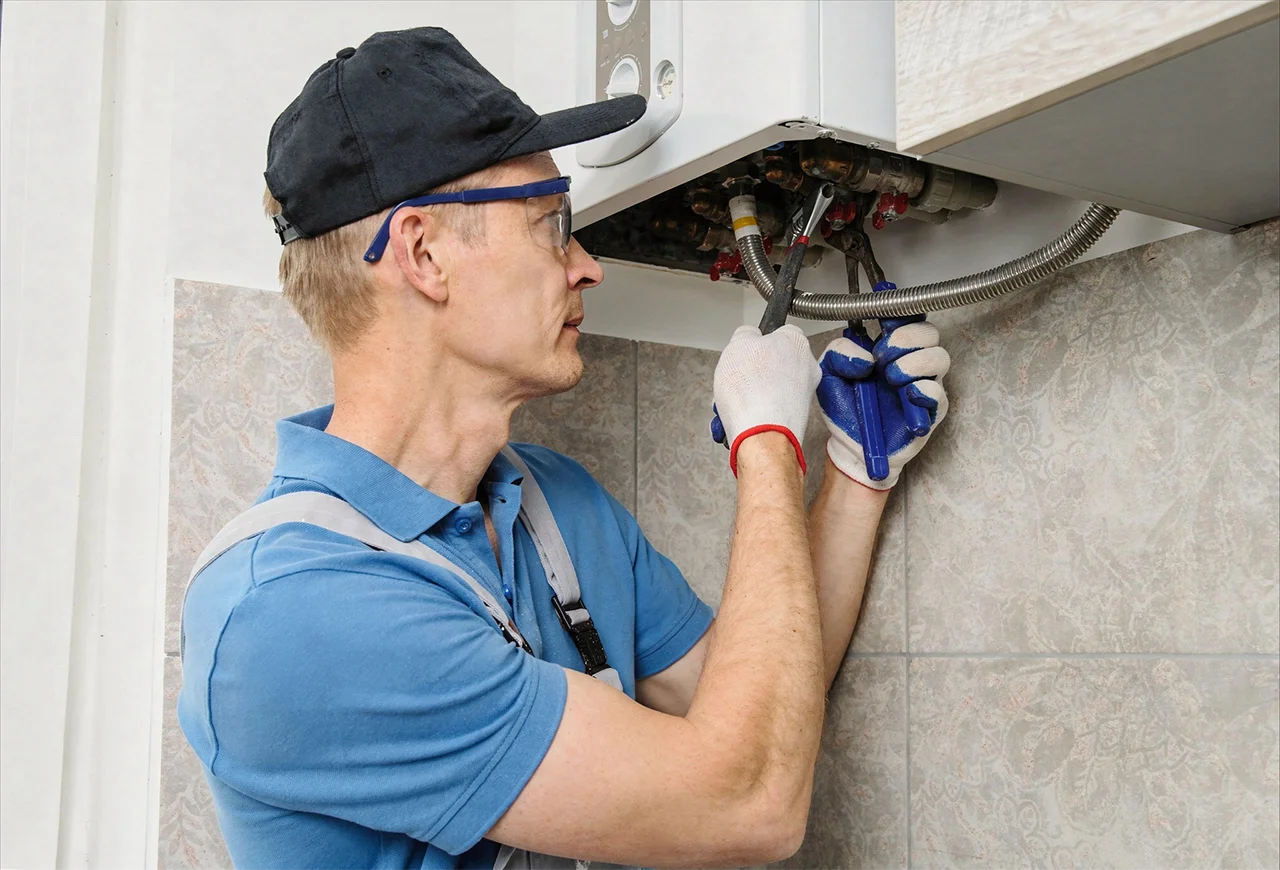
What does boiler servicing actually involve?
A boiler service is a thorough health check of your heating system, carried out by a qualified engineer. It focuses on safety, performance, and early fault detection.
A typical service includes:
- Inspecting internal components for wear or damage
- Cleaning key parts such as burners and heat exchangers
- Checking gas pressure and combustion efficiency
- Testing safety controls and seals
- Identifying small issues before they develop into faults
These checks help ensure the boiler is operating as intended and not placing unnecessary strain on its components.
Why does regular servicing improve boiler reliability?
Boilers fail most often due to gradual wear rather than sudden faults. Regular servicing reduces this risk by addressing issues early.
When components are cleaned and adjusted correctly, the system works under less stress. This lowers the likelihood of parts failing during peak demand, such as winter mornings.
Reliable boilers also maintain stable water pressure and consistent temperatures, reducing the stop start cycles that accelerate internal wear. Over time, this contributes to fewer breakdowns and longer system life.
Can servicing really make a boiler more efficient?
Yes, and the difference can be noticeable. Even small amounts of dirt or incorrect pressure settings can reduce efficiency.
A serviced boiler burns fuel more cleanly and transfers heat more effectively. This means:
- Less gas is required to heat your home
- Radiators warm up faster and more evenly
- The boiler does not need to work as hard to meet demand
Efficiency improvements may seem minor month to month, but over a full year they can reduce energy usage and improve comfort levels throughout the home.
How often should a boiler be serviced?
For most homes, an annual service is recommended. This aligns with manufacturer guidance and helps maintain warranty conditions.
Servicing once a year is particularly important if:
- Your boiler is older than five years
- The system is used heavily during winter
- You notice pressure drops or unusual noises
Regular checks allow engineers to monitor gradual changes in performance, making long-term reliability easier to maintain.
Does servicing reduce the risk of emergency repairs?
Emergency breakdowns often occur when small faults go unnoticed. Servicing helps prevent this by identifying warning signs early.
Common issues found during servicing include:
- Worn seals that could begin leaking
- Sensors starting to give incorrect readings
- Early corrosion on internal components
By fixing these early, homeowners are less likely to face sudden heating loss or urgent boiler repair during cold weather.
How servicing compares to reactive boiler repair
Waiting until something breaks can seem convenient, but it often leads to higher disruption and expense. Servicing focuses on prevention, while boiler repair deals with faults after failure.
|
Approach |
Typical Outcome |
Long-Term Impact |
|
Regular servicing |
Fewer breakdowns, stable performance |
Longer boiler lifespan |
|
Reactive repairs |
Sudden faults and downtime |
Higher stress on system |
|
No maintenance |
Increased risk of failure |
Shortened boiler life |
Servicing reduces the likelihood of needing emergency callouts and unexpected repairs at inconvenient times.
Is servicing important for newer boilers too?
New boilers are more efficient, but they still benefit from regular care. Even systems installed as part of a recent boiler installation Glasgow project rely on correct settings and clean components to perform well.
Without servicing, minor issues can go unnoticed and affect performance. Annual checks ensure the system continues operating at the efficiency level it was designed to deliver.
This is especially relevant in modern combi boilers, where compact components require precise operation to remain reliable.
Does servicing help control long-term costs?
Servicing can reduce overall running costs by preventing expensive faults. While servicing is a planned expense, it often offsets higher costs associated with emergency repairs.
Addressing issues early can help avoid rising boiler repair cost caused by damaged components or extended labour time. Over several years, this proactive approach is usually more cost effective than dealing with repeated breakdowns.
Case example: A typical Glasgow home
In a traditional Glasgow tenement flat, an older gas boiler was struggling to maintain pressure and heat rooms evenly. The homeowner delayed servicing, assuming the system was nearing replacement anyway.
During a routine service, the engineer identified a blocked heat exchanger and early seal deterioration. Cleaning and replacing minor parts restored efficiency and extended the boiler’s lifespan by several years, avoiding unnecessary boiler installation Glasgow work at that stage.
This type of outcome is common where servicing is used to support long-term performance rather than waiting for failure.
How does servicing support safer operation?
Boilers rely on controlled combustion and sealed systems. Servicing ensures safety devices are functioning correctly and that combustion gases are managed safely.
Regular checks reduce the risk of:
- Gas leaks
- Carbon monoxide exposure
- Faulty ignition systems
For households with children or older occupants, this reassurance is particularly important.
When should you consider replacement instead of servicing?
Servicing is effective, but it is not a permanent solution for every boiler. Replacement may be more suitable if:
- Repairs become frequent
- Efficiency remains poor despite servicing
- Parts are no longer readily available
In these cases, discussing options with a qualified installer can help determine whether upgrading makes better sense than continued maintenance.
How Origin supports long-term boiler reliability
At Origin, our approach focuses on helping homeowners maintain reliable heating systems through proper care and informed decision-making. Regular servicing forms part of this, alongside clear advice on repairs and replacements when appropriate.
If you are unsure whether servicing or further assessment is right for your boiler, our team can provide tailored guidance based on your system and usage.
Frequently Asked Questions
A reliable boiler starts with proper care
Regular boiler servicing plays a key role in keeping heating systems dependable and efficient. It reduces unexpected faults, improves energy use, and supports safer operation throughout the year.
To maintain performance and peace of mind, you can contact Origin to arrange expert servicing or advice tailored to your home.