How Smart Heating Controls Reduce Boiler Installation Costs Long Term
Heating technology has evolved rapidly in recent years. While modern boilers are already far more efficient than older systems, smart heating controls have taken energy management a step further.

Why you can trust our content
We understand that the boiler industry can be confusing, with plenty of outdated or misleading information. That’s why we rely only on trusted, proven sources to guide our advice and installations:
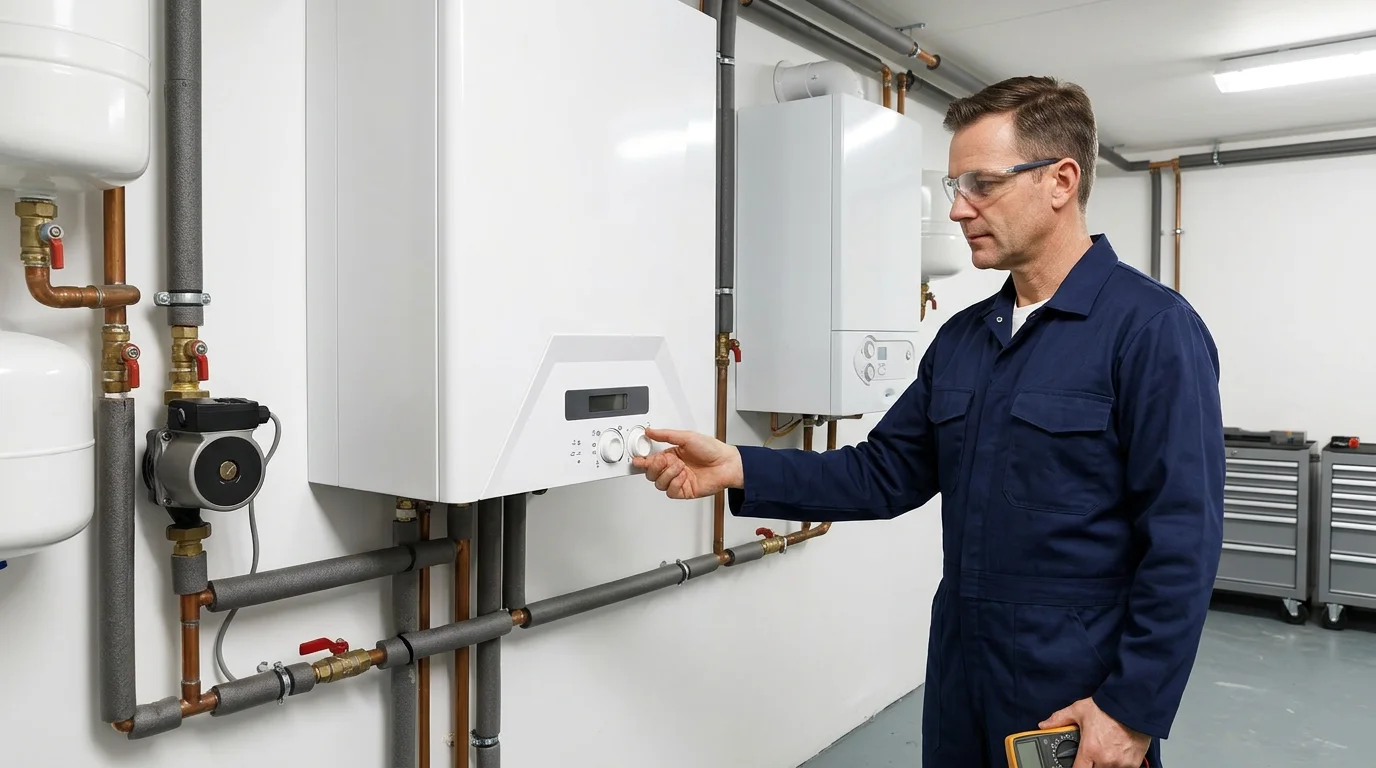
Many homeowners now install smart thermostats and intelligent heating controls alongside their boilers. These systems allow households to monitor and manage heating more precisely, helping reduce energy waste and improve overall efficiency.
Although smart controls add a small upfront investment, they can significantly reduce boiler installation costs in the long term by improving how your heating system operates and lowering running expenses.
If you are planning a heating upgrade and want to understand how smart controls can improve efficiency, speak with our team at Origin GPH for expert advice.
What Are Smart Heating Controls?
Smart heating controls are digital systems that allow homeowners to manage their heating more intelligently. These controls connect to your boiler and heating system and can be operated through mobile apps, thermostats, or smart home devices.
Unlike traditional timers or manual thermostats, smart systems provide greater flexibility and automation.
Typical smart heating features include:
- Remote temperature control via smartphone
- Custom heating schedules
- Energy usage monitoring
- Learning algorithms that adjust heating patterns
- Integration with voice assistants
These features allow heating systems to run only when needed, helping reduce unnecessary energy consumption.
Can Smart Controls Really Reduce Heating Costs?
Yes, smart heating controls can reduce heating costs by ensuring your boiler runs more efficiently and only when required.
Many homes lose energy because heating runs longer than necessary or operates at higher temperatures than needed. Smart controls prevent this by adjusting heating automatically based on your routine.
Ways smart controls reduce energy use
- Heating turns off when the home is empty
- Rooms warm up only when needed
- Temperature adjustments occur automatically
- Energy reports highlight inefficient usage patterns
Because heating accounts for a large portion of household energy use, even small efficiency improvements can make a noticeable difference to overall costs.
Which fuel powers your boiler?
It just takes 2 minutes
And then you can book a free consultation
How Do Smart Controls Impact Boiler Installation Costs?
At first glance, adding smart heating technology may appear to increase the cost for boiler installation. However, the long-term financial benefits often outweigh the initial expense.
Smart controls can reduce boiler installation costs over time by:
- Lowering energy consumption
- Improving heating efficiency
- Reducing strain on the boiler
- Extending system lifespan
A heating system that operates efficiently experiences less wear and tear, which may also reduce repair and maintenance expenses.
What Smart Heating Features Help Save the Most Energy?
Different smart thermostat models offer a range of features designed to optimise heating performance.
|
Feature |
How It Helps Reduce Costs |
|
Smart scheduling |
Heating follows daily routines automatically |
|
Geolocation |
Heating reduces when occupants leave home |
|
Weather compensation |
Heating adjusts based on outdoor temperature |
|
Energy monitoring |
Shows where energy is being used |
|
Zoned heating |
Controls individual room temperatures |
These tools help homeowners understand their heating habits and make small adjustments that improve efficiency.
Why Is Efficiency Important for Modern Boilers?
Modern boilers are designed to operate most efficiently when heating demand is carefully managed. Running a boiler continuously at high output can reduce efficiency and increase fuel usage.
Smart controls help regulate heating demand by providing more precise temperature management.
This means the boiler can operate within its optimal efficiency range, helping reduce energy consumption and improve long-term performance.
When homeowners compare boiler installation costs, it is important to consider not just the initial price but the overall cost of operating the system over many years.
Are Smart Heating Controls Suitable for All Homes?
Smart heating systems work well in most properties, including flats, terraced houses, and larger family homes.
However, the potential savings may vary depending on factors such as:
- Home insulation quality
- Property size
- Existing heating system efficiency
- Occupancy patterns
A professional heating engineer can assess your home and recommend the most suitable heating control system.
Many homeowners who initially focus only on the cost for boiler installation later discover that adding smart controls improves efficiency and comfort significantly.
If you’re considering upgrading your heating system, the Origin GPH team can help you explore smart heating options and choose the right setup for your property.
A Typical Smart Heating Upgrade Scenario
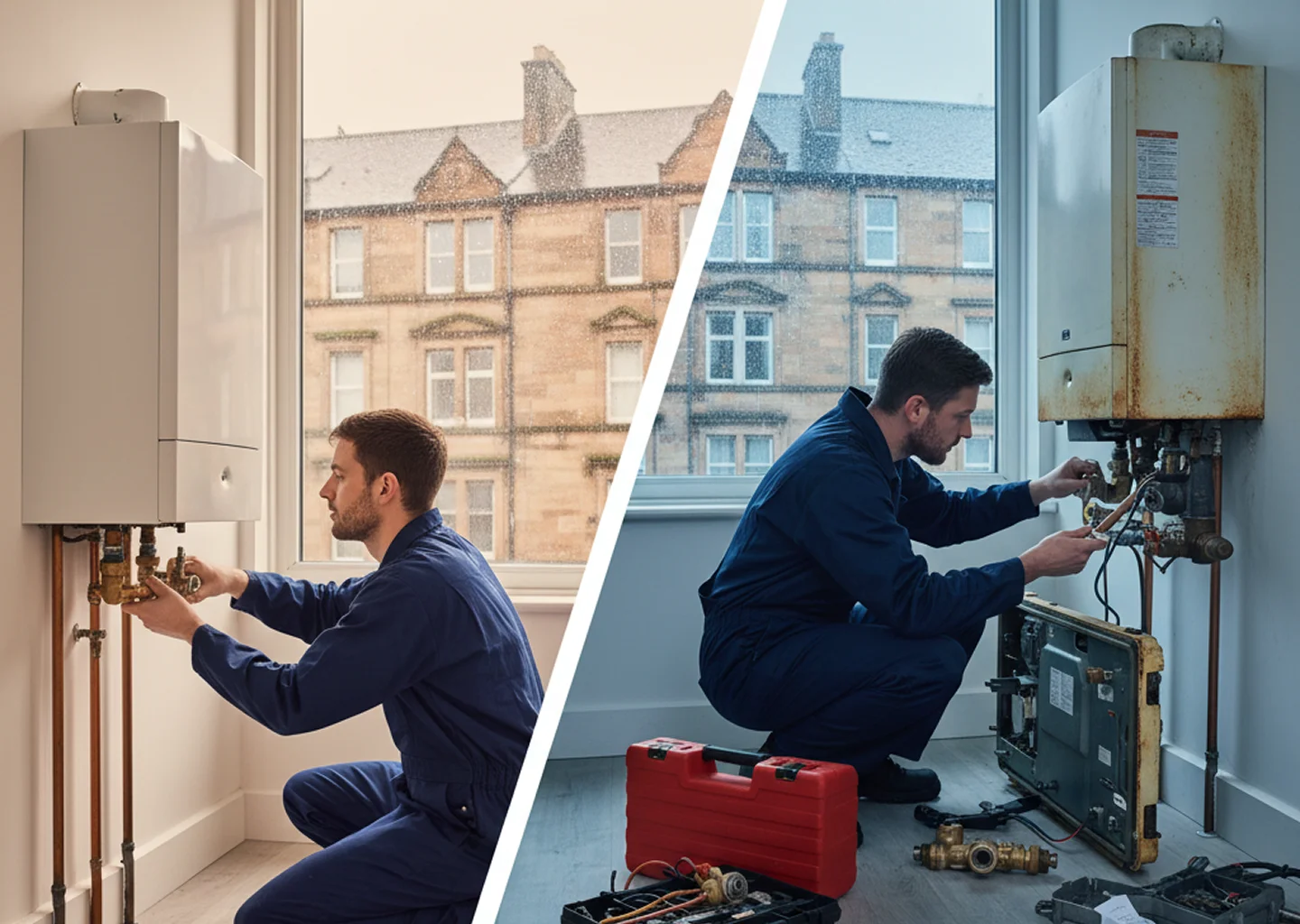
Imagine a family living in a semi-detached home in Glasgow. Their older boiler was still functioning but lacked modern heating controls.
During a system upgrade, the homeowner decided to install a modern boiler with a smart thermostat.
The installation included:
- A high-efficiency combi boiler
- Smart thermostat with app control
- System flush to improve radiator performance
- Updated heating schedules for the household routine
Within months, the family noticed that heating ran more efficiently and their energy usage had reduced.
Over time, these efficiency improvements helped offset boiler installation costs, making the upgrade more financially beneficial than expected.
Do Smart Heating Controls Extend Boiler Lifespan?
Smart heating systems can indirectly help extend the life of your boiler.
Because heating runs more efficiently and avoids unnecessary operation, the boiler experiences less mechanical strain.
This can provide several long-term benefits:
- Reduced system wear
- Lower likelihood of breakdowns
- Improved reliability during winter
- More consistent heating performance
While regular servicing remains essential, efficient system operation helps protect your investment.
What Should Homeowners Consider Before Installing Smart Controls?
Before installing smart heating controls, homeowners should consider a few key factors.
Important considerations
- Compatibility with your boiler model
- Wi-Fi connectivity within the home
- Ease of use for all household members
- Future heating upgrades or expansions
A heating engineer can help ensure the system is correctly configured and working efficiently.
Choosing the right controls at the time of installation can maximise the benefits and reduce the need for upgrades later.
Frequently Asked Questions
Improving Heating Efficiency in Glasgow Homes
Smart heating controls are becoming an increasingly popular addition to modern boilers. By providing greater control over heating schedules and temperature management, these systems help households reduce wasted energy and improve efficiency.
Although installing smart controls may slightly increase the cost for boiler installation, the long-term savings and improved heating performance can make the investment worthwhile.
If you’re considering a boiler upgrade or want to explore smart heating options, contact Origin GPH to discuss your heating system and request expert guidance.
Related articles
Which fuel powers your boiler?
At a glance
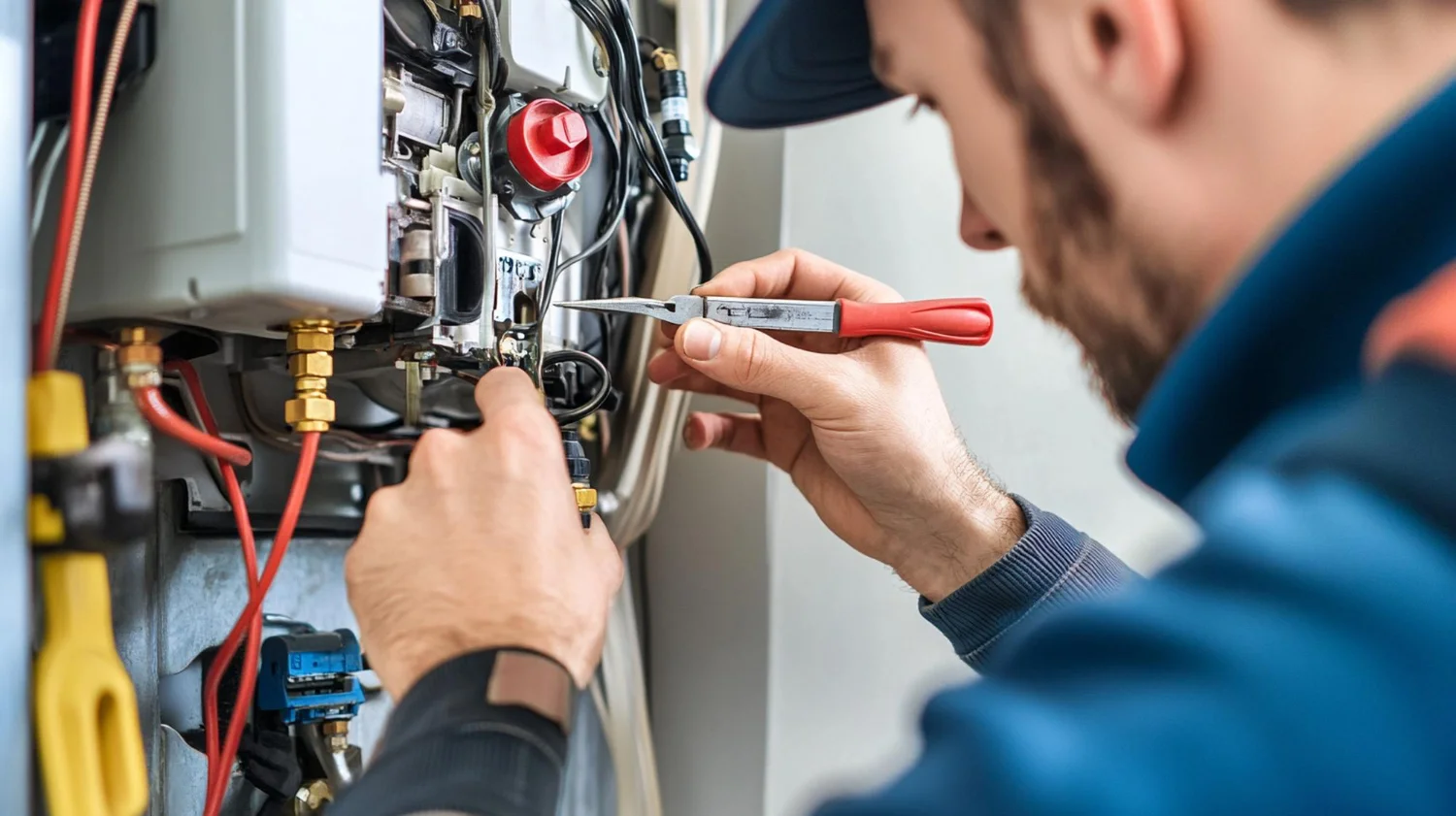
Many homeowners now install smart thermostats and intelligent heating controls alongside their boilers. These systems allow households to monitor and manage heating more precisely, helping reduce energy waste and improve overall efficiency.
Although smart controls add a small upfront investment, they can significantly reduce boiler installation costs in the long term by improving how your heating system operates and lowering running expenses.
If you are planning a heating upgrade and want to understand how smart controls can improve efficiency, speak with our team at Origin GPH for expert advice.
What Are Smart Heating Controls?
Smart heating controls are digital systems that allow homeowners to manage their heating more intelligently. These controls connect to your boiler and heating system and can be operated through mobile apps, thermostats, or smart home devices.
Unlike traditional timers or manual thermostats, smart systems provide greater flexibility and automation.
Typical smart heating features include:
- Remote temperature control via smartphone
- Custom heating schedules
- Energy usage monitoring
- Learning algorithms that adjust heating patterns
- Integration with voice assistants
These features allow heating systems to run only when needed, helping reduce unnecessary energy consumption.
Can Smart Controls Really Reduce Heating Costs?
Yes, smart heating controls can reduce heating costs by ensuring your boiler runs more efficiently and only when required.
Many homes lose energy because heating runs longer than necessary or operates at higher temperatures than needed. Smart controls prevent this by adjusting heating automatically based on your routine.
Ways smart controls reduce energy use
- Heating turns off when the home is empty
- Rooms warm up only when needed
- Temperature adjustments occur automatically
- Energy reports highlight inefficient usage patterns
Because heating accounts for a large portion of household energy use, even small efficiency improvements can make a noticeable difference to overall costs.
Which fuel powers your boiler?
It just takes 2 minutes
And then you can book a free consultation
How Do Smart Controls Impact Boiler Installation Costs?
At first glance, adding smart heating technology may appear to increase the cost for boiler installation. However, the long-term financial benefits often outweigh the initial expense.
Smart controls can reduce boiler installation costs over time by:
- Lowering energy consumption
- Improving heating efficiency
- Reducing strain on the boiler
- Extending system lifespan
A heating system that operates efficiently experiences less wear and tear, which may also reduce repair and maintenance expenses.
What Smart Heating Features Help Save the Most Energy?
Different smart thermostat models offer a range of features designed to optimise heating performance.
|
Feature |
How It Helps Reduce Costs |
|
Smart scheduling |
Heating follows daily routines automatically |
|
Geolocation |
Heating reduces when occupants leave home |
|
Weather compensation |
Heating adjusts based on outdoor temperature |
|
Energy monitoring |
Shows where energy is being used |
|
Zoned heating |
Controls individual room temperatures |
These tools help homeowners understand their heating habits and make small adjustments that improve efficiency.
Why Is Efficiency Important for Modern Boilers?
Modern boilers are designed to operate most efficiently when heating demand is carefully managed. Running a boiler continuously at high output can reduce efficiency and increase fuel usage.
Smart controls help regulate heating demand by providing more precise temperature management.
This means the boiler can operate within its optimal efficiency range, helping reduce energy consumption and improve long-term performance.
When homeowners compare boiler installation costs, it is important to consider not just the initial price but the overall cost of operating the system over many years.
Are Smart Heating Controls Suitable for All Homes?
Smart heating systems work well in most properties, including flats, terraced houses, and larger family homes.
However, the potential savings may vary depending on factors such as:
- Home insulation quality
- Property size
- Existing heating system efficiency
- Occupancy patterns
A professional heating engineer can assess your home and recommend the most suitable heating control system.
Many homeowners who initially focus only on the cost for boiler installation later discover that adding smart controls improves efficiency and comfort significantly.
If you’re considering upgrading your heating system, the Origin GPH team can help you explore smart heating options and choose the right setup for your property.
A Typical Smart Heating Upgrade Scenario
Imagine a family living in a semi-detached home in Glasgow. Their older boiler was still functioning but lacked modern heating controls.
During a system upgrade, the homeowner decided to install a modern boiler with a smart thermostat.
The installation included:
- A high-efficiency combi boiler
- Smart thermostat with app control
- System flush to improve radiator performance
- Updated heating schedules for the household routine
Within months, the family noticed that heating ran more efficiently and their energy usage had reduced.
Over time, these efficiency improvements helped offset boiler installation costs, making the upgrade more financially beneficial than expected.
Do Smart Heating Controls Extend Boiler Lifespan?
Smart heating systems can indirectly help extend the life of your boiler.
Because heating runs more efficiently and avoids unnecessary operation, the boiler experiences less mechanical strain.
This can provide several long-term benefits:
- Reduced system wear
- Lower likelihood of breakdowns
- Improved reliability during winter
- More consistent heating performance
While regular servicing remains essential, efficient system operation helps protect your investment.
What Should Homeowners Consider Before Installing Smart Controls?
Before installing smart heating controls, homeowners should consider a few key factors.
Important considerations
- Compatibility with your boiler model
- Wi-Fi connectivity within the home
- Ease of use for all household members
- Future heating upgrades or expansions
A heating engineer can help ensure the system is correctly configured and working efficiently.
Choosing the right controls at the time of installation can maximise the benefits and reduce the need for upgrades later.
Frequently Asked Questions
Improving Heating Efficiency in Glasgow Homes
Smart heating controls are becoming an increasingly popular addition to modern boilers. By providing greater control over heating schedules and temperature management, these systems help households reduce wasted energy and improve efficiency.
Although installing smart controls may slightly increase the cost for boiler installation, the long-term savings and improved heating performance can make the investment worthwhile.
If you’re considering a boiler upgrade or want to explore smart heating options, contact Origin GPH to discuss your heating system and request expert guidance.