
How To Prepare Your Home For A Boiler Replacement
Getting a new boiler installed in your home might seem like a daunting task, especially if it involves…

Why you can trust our content
We understand that the boiler industry can be confusing, with plenty of outdated or misleading information. That’s why we rely only on trusted, proven sources to guide our advice and installations:
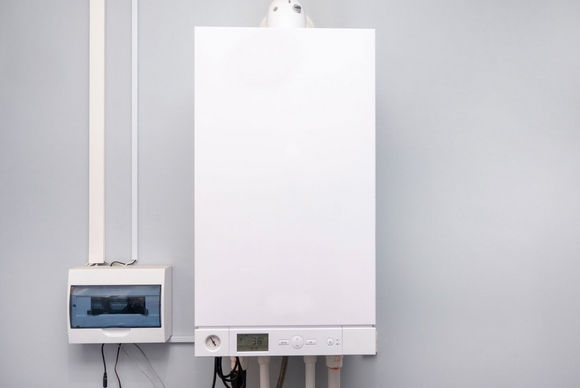
Getting a new boiler installed in your home might seem like a daunting task, especially if it involves relocating from its previous position. However, by taking proactive steps, you can streamline the process and enhance efficiency.
In this blog, we’ll delve into four essential tips to prepare your home for a boiler replacement. But before we dive in, let’s understand why this preparation is crucial for a hassle-free installation experience.
Key Takeaways
- Clear the area around the boiler and create a pathway for the engineer to facilitate the installation process.
- Identify any concerns in your heating system and inform the engineer beforehand to address them during the replacement.
- Ensure the safety of children and pets by keeping them away from the work area during the boiler replacement to prevent accidents and distractions.
How To Prepare For A Boiler Installation
Before the Gas Safe engineer begins the installation of your new boiler, it’s important to undertake a few preparatory tasks to ensure a smooth process.
Firstly, ensure that the area surrounding your boiler is clear and accessible. Whether the new boiler will occupy the same spot as the old one or will be relocated, clear the space around it, including access to the existing system, radiators, water stop tap, and gas meter. If the new boiler is destined for the loft, make sure the area is clean, boarded, and equipped with a fixed light and loft ladder for easy access.
Additionally, create a clear pathway from the boiler installation area to the front or back door. This facilitates the engineer’s movement in and out of the house, reducing installation time and enhancing safety.
Which fuel powers your boiler?
It just takes 2 minutes
And then you can book a free consultation
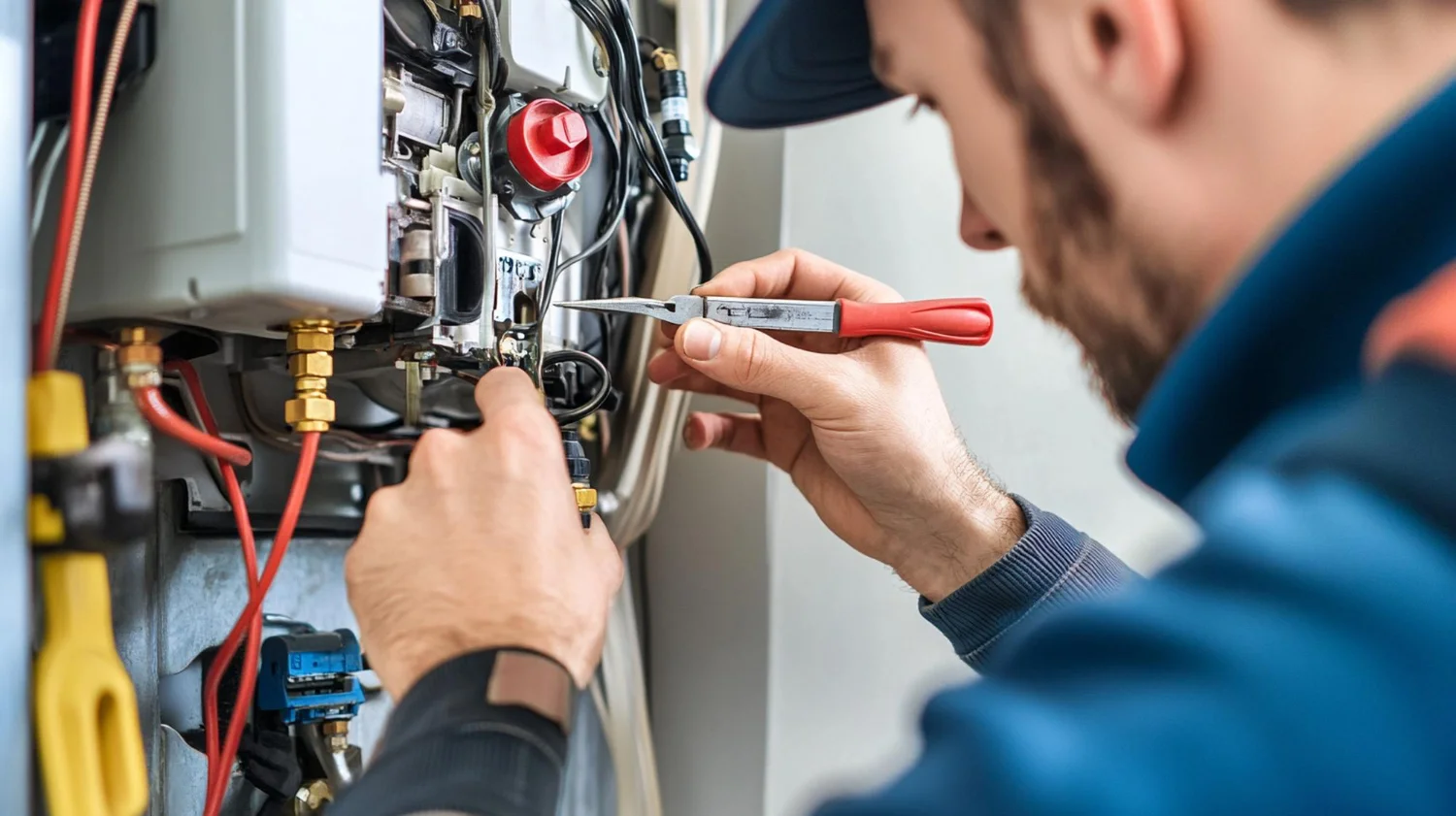
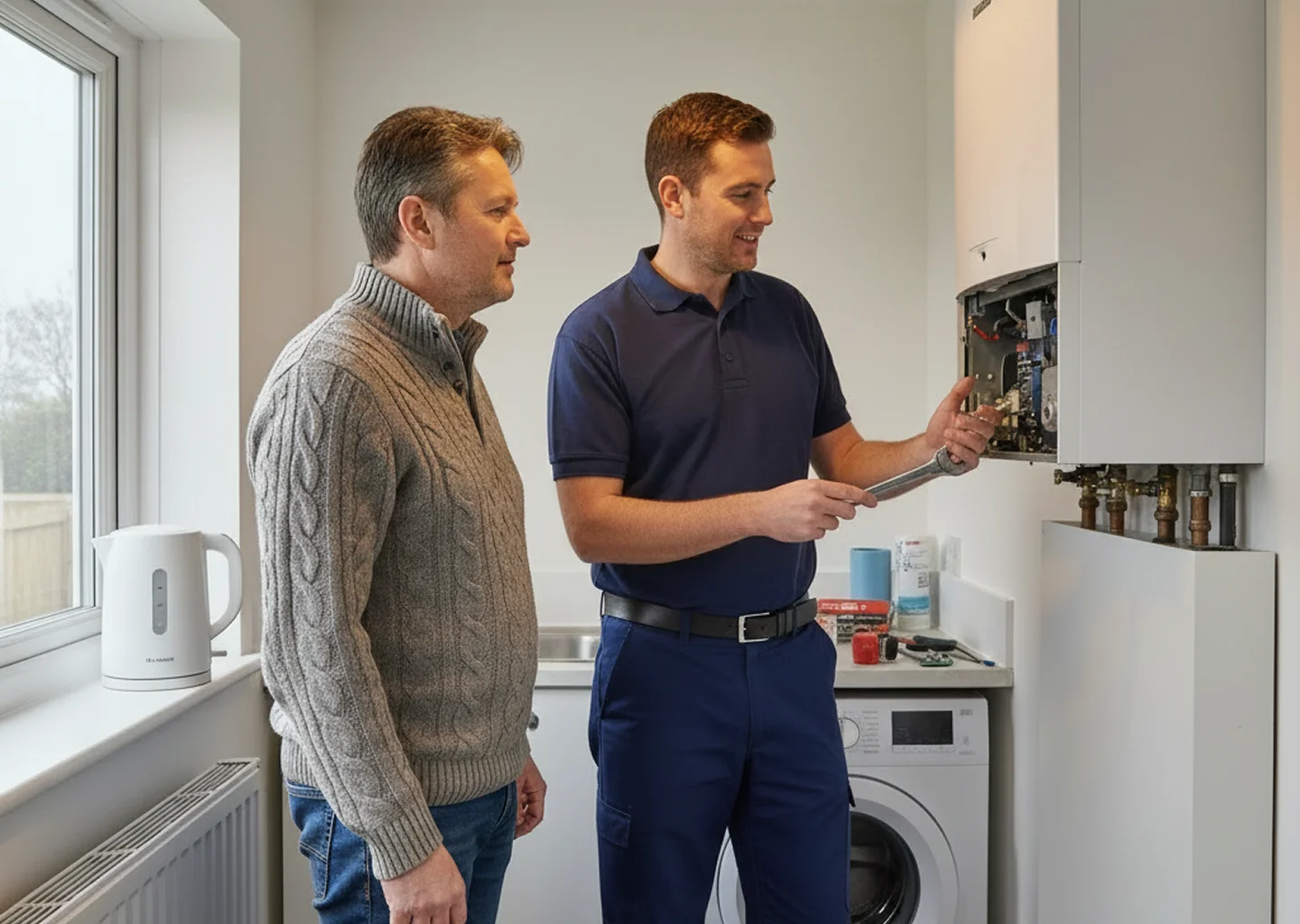
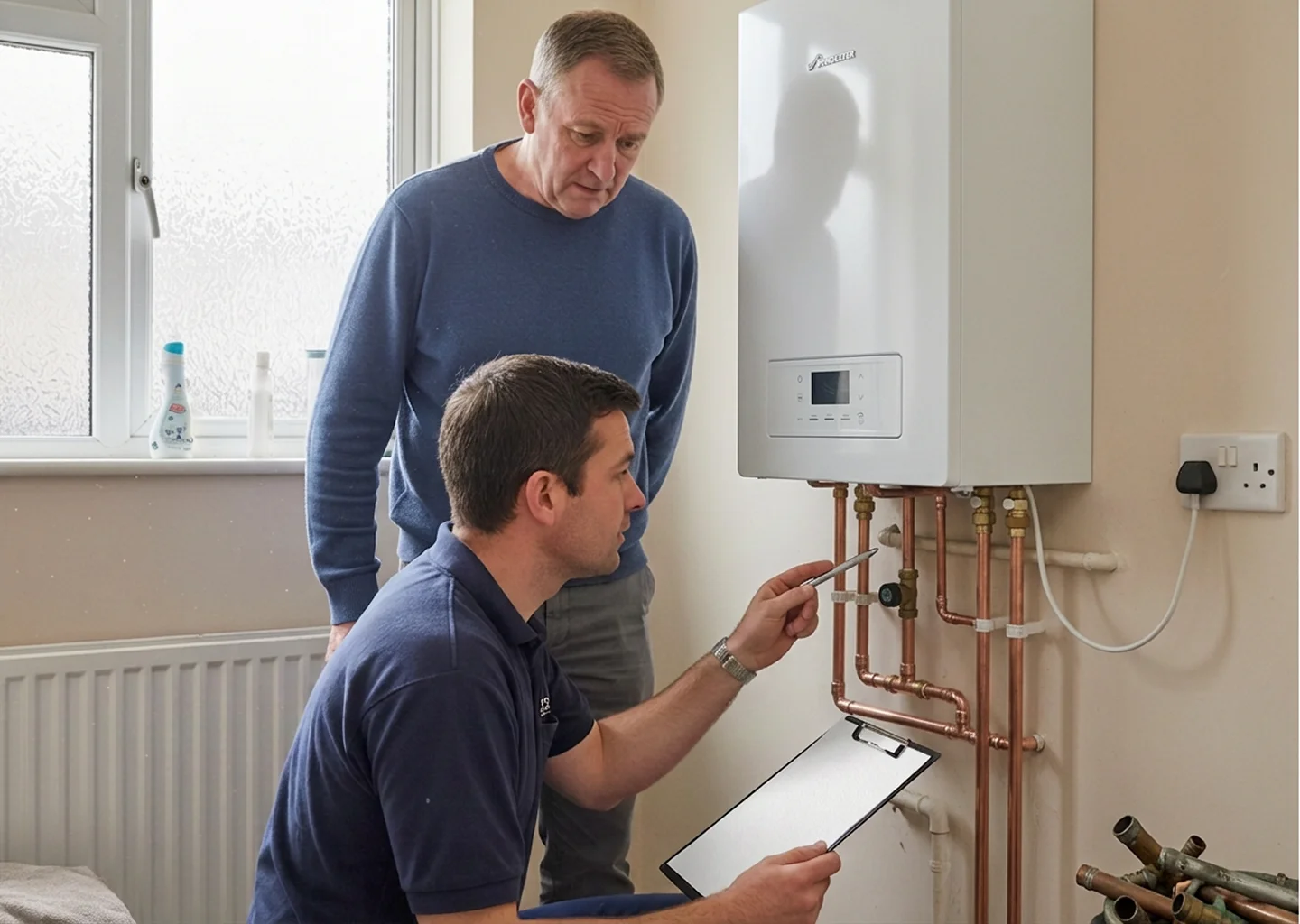
Next, identify any potential issues within your heating system, such as rusty pipework, problematic radiators, or inconsistent pressure levels. Communicate these concerns to the engineer before they commence work, allowing them to address or advise on the matter during the installation process.
Ensure that children and pets are kept away from the work area to maintain safety and allow the engineers to focus on their tasks without distractions.
Finally, locate your home’s fuse box or consumer unit, as every boiler requires electricity to function. Clear a safe pathway to the boiler’s fused spur or fuse box and show the engineer the specific switch that controls your boiler. This ensures that only the necessary fuse is flipped, preventing other areas and appliances in your home from losing power during the installation process.
What Happens During A New Boiler Installation?
- Turn off the electricity and gas supply: Ensures safety and allows for testing.
- Drain the system and remove the old boiler: Draining water and removing the old unit.
- Check and prepare the area: Inspect flue systems and prepare for installation.
- Flush and clean the heating system: Ensures cleanliness and compliance.
- Upgrade pipework if necessary: Upgrading pipes for better performance.
- Install the new boiler and accessories: Installation and fitting of required accessories.
- Perform checks and commissioning: Testing to ensure proper functionality.
- Register the boiler: Registration with Gas Safe and manufacturer for warranty validation.
Frequently Asked Questions
Related articles
Which fuel powers your boiler?
Key Steps to Prepare Your Home for Boiler Replacement
Getting a new boiler installed in your home might seem like a daunting task, especially if it involves relocating from its previous position. However, by taking proactive steps, you can streamline the process and enhance efficiency.
In this blog, we’ll delve into four essential tips to prepare your home for a boiler replacement. But before we dive in, let’s understand why this preparation is crucial for a hassle-free installation experience.
Key Takeaways
- Clear the area around the boiler and create a pathway for the engineer to facilitate the installation process.
- Identify any concerns in your heating system and inform the engineer beforehand to address them during the replacement.
- Ensure the safety of children and pets by keeping them away from the work area during the boiler replacement to prevent accidents and distractions.
How To Prepare For A Boiler Installation
Before the Gas Safe engineer begins the installation of your new boiler, it’s important to undertake a few preparatory tasks to ensure a smooth process.
Firstly, ensure that the area surrounding your boiler is clear and accessible. Whether the new boiler will occupy the same spot as the old one or will be relocated, clear the space around it, including access to the existing system, radiators, water stop tap, and gas meter. If the new boiler is destined for the loft, make sure the area is clean, boarded, and equipped with a fixed light and loft ladder for easy access.
Additionally, create a clear pathway from the boiler installation area to the front or back door. This facilitates the engineer’s movement in and out of the house, reducing installation time and enhancing safety.
Which fuel powers your boiler?
It just takes 2 minutes
And then you can book a free consultation
Next, identify any potential issues within your heating system, such as rusty pipework, problematic radiators, or inconsistent pressure levels. Communicate these concerns to the engineer before they commence work, allowing them to address or advise on the matter during the installation process.
Ensure that children and pets are kept away from the work area to maintain safety and allow the engineers to focus on their tasks without distractions.
Finally, locate your home’s fuse box or consumer unit, as every boiler requires electricity to function. Clear a safe pathway to the boiler’s fused spur or fuse box and show the engineer the specific switch that controls your boiler. This ensures that only the necessary fuse is flipped, preventing other areas and appliances in your home from losing power during the installation process.
What Happens During A New Boiler Installation?
- Turn off the electricity and gas supply: Ensures safety and allows for testing.
- Drain the system and remove the old boiler: Draining water and removing the old unit.
- Check and prepare the area: Inspect flue systems and prepare for installation.
- Flush and clean the heating system: Ensures cleanliness and compliance.
- Upgrade pipework if necessary: Upgrading pipes for better performance.
- Install the new boiler and accessories: Installation and fitting of required accessories.
- Perform checks and commissioning: Testing to ensure proper functionality.
- Register the boiler: Registration with Gas Safe and manufacturer for warranty validation.