
Is It Worth Replacing a 15-Year-Old Boiler?
Boilers are a critical component of every household, particularly in the unpredictable British climate. However, with time, even…

Why you can trust our content
We understand that the boiler industry can be confusing, with plenty of outdated or misleading information. That’s why we rely only on trusted, proven sources to guide our advice and installations:
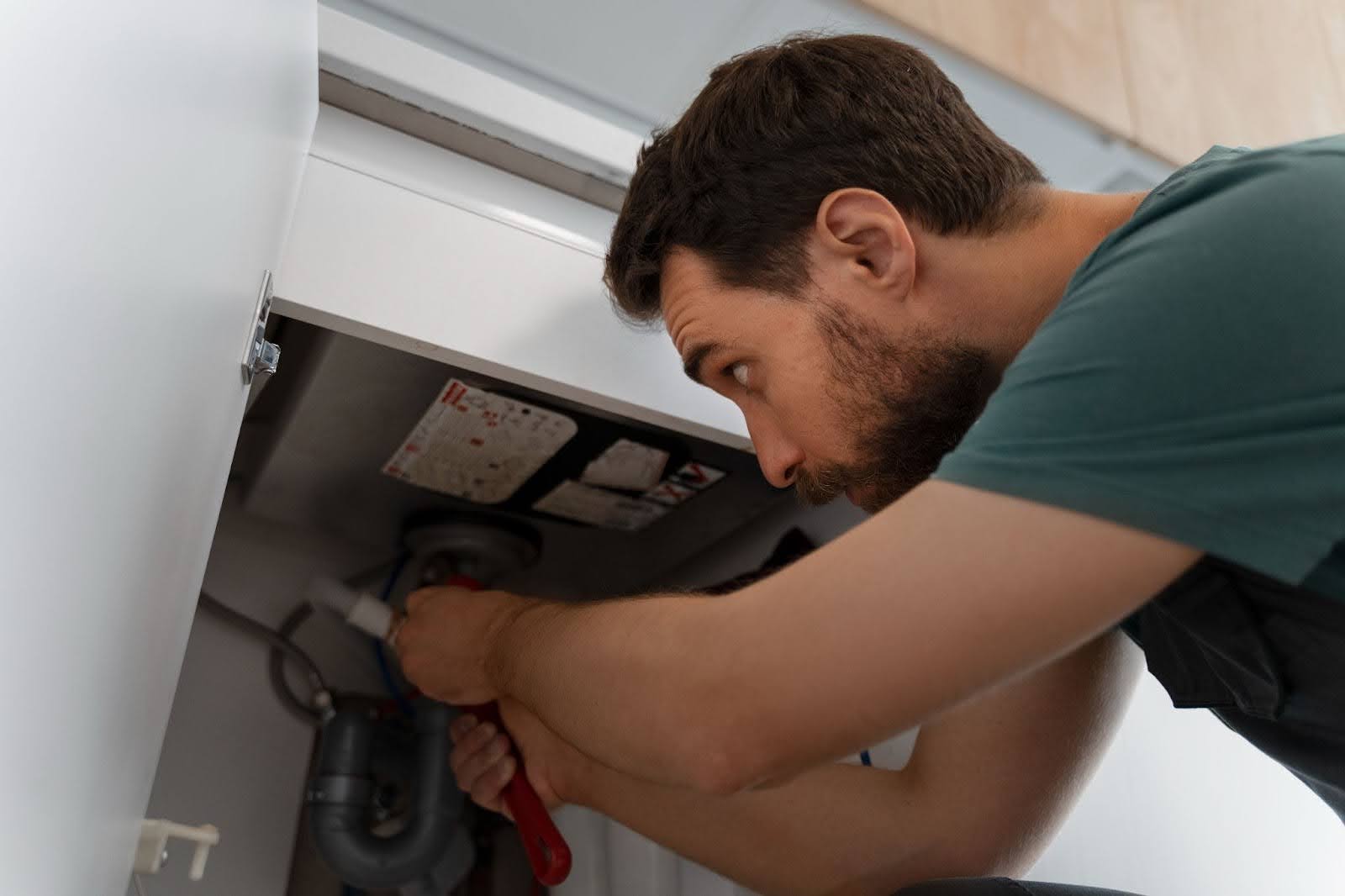
Boilers are a critical component of every household, particularly in the unpredictable British climate. However, with time, even the most reliable boilers begin to show signs of age. If your boiler is around 15 years old, you might be asking yourself—is it worth replacing it?
Here, we discuss whether replacing your older boiler could offer long-term benefits, including financial savings and improved efficiency.
Signs Your 15-Year-Old Boiler Needs Replacement
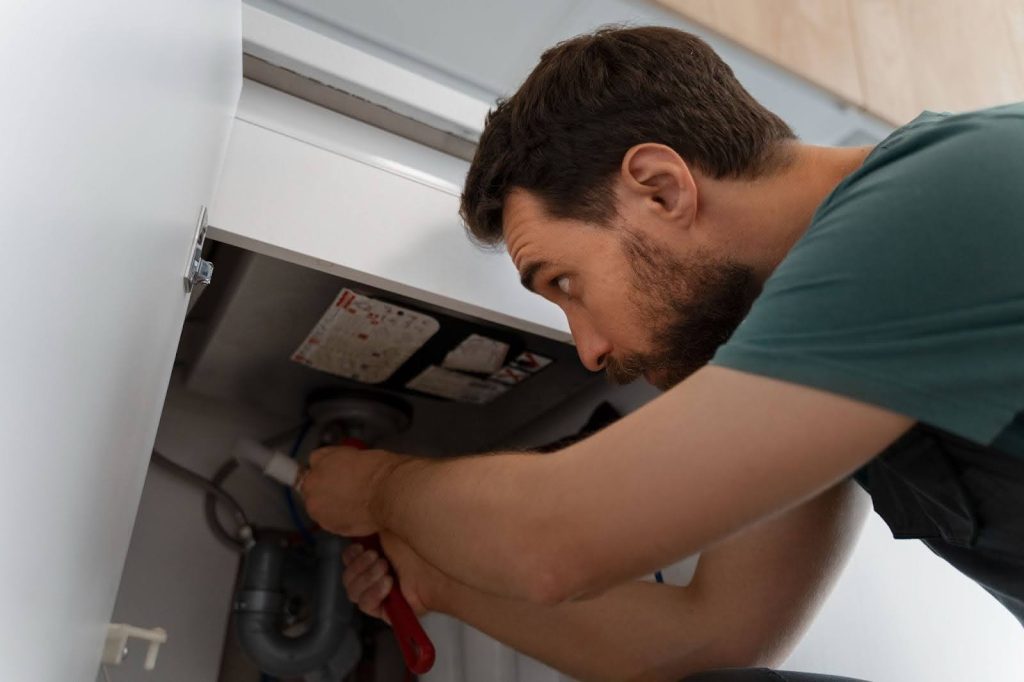
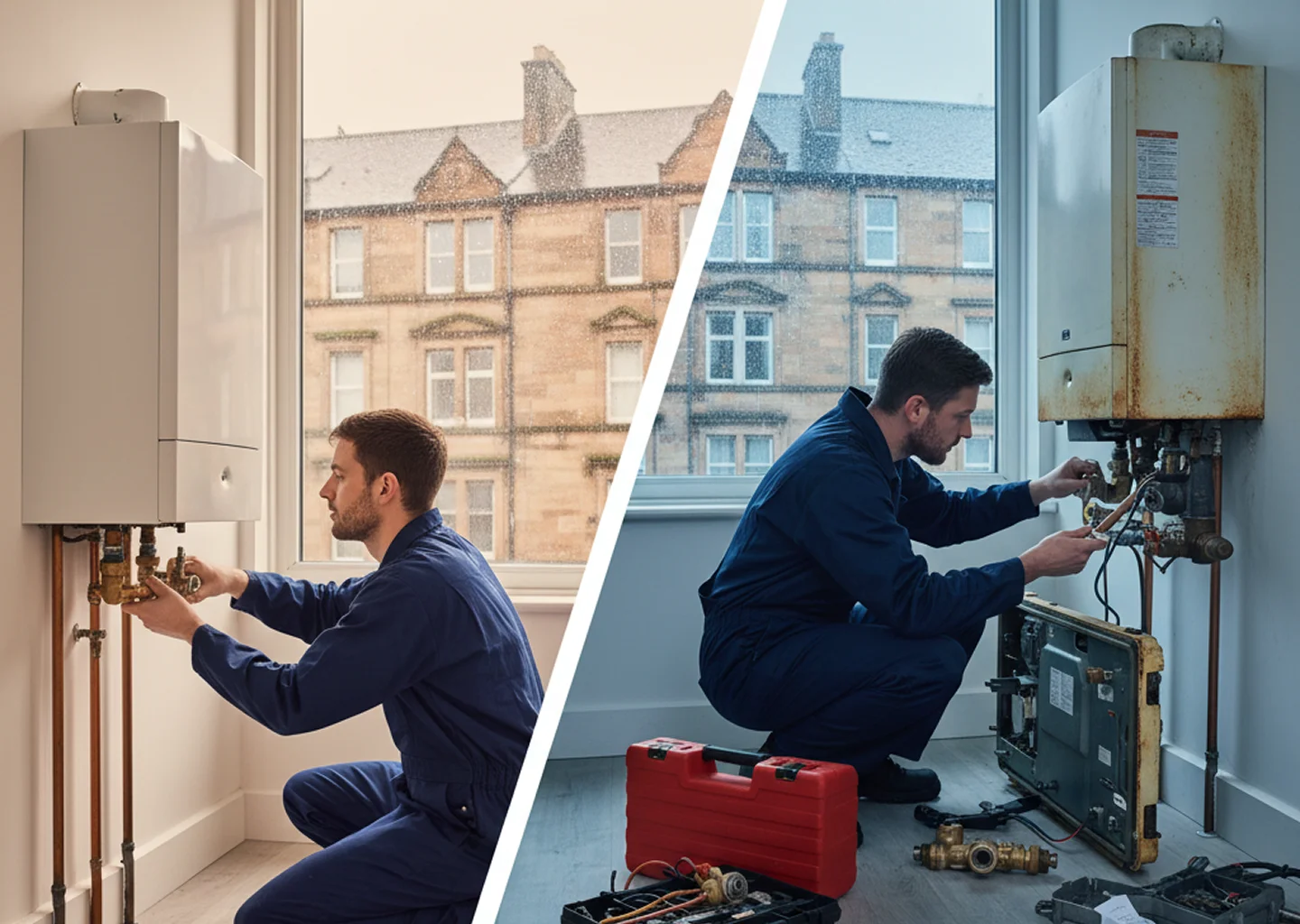
While a boiler may still function beyond 15 years, performance inevitably declines. Recognising the signs of an ageing boiler can prevent inconvenient breakdowns:
- Increasing Energy Bills: Older boilers are significantly less efficient. If you’ve noticed a steady rise in your heating costs, your boiler could be the culprit.
- Frequent Repairs: Regular breakdowns and escalating repair costs can quickly become uneconomical.
- Radiators Take Longer to Heat: Slow-heating radiators or inconsistent warmth indicate declining boiler efficiency.
- Strange Noises or Smells: Odd banging sounds, smells, or leaks may signal internal corrosion and faults.
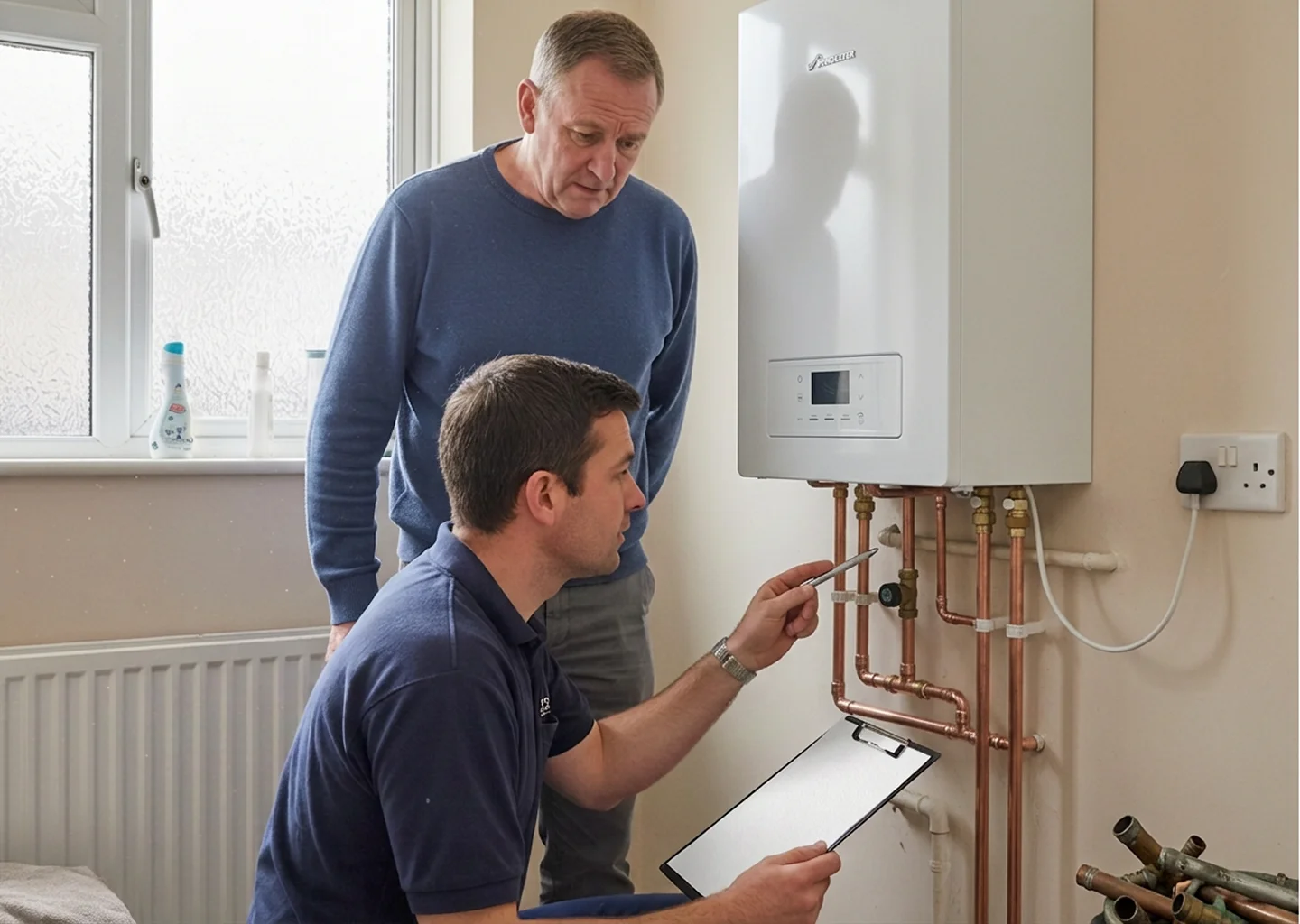
If you recognise these symptoms, it might be time to book a boiler inspection with our qualified engineers at Origin GPH.
The Efficiency Factor: Modern Boilers vs Older Models
Modern boilers are designed to operate with significantly higher efficiency. Older, non-condensing boilers typically achieve around 60-70% efficiency. By contrast, new, condensing boilers achieve over 90%, drastically cutting down fuel consumption.
Replacing your boiler with a more efficient model could result in substantial annual savings—often enough to offset the initial installation cost over time.
Which fuel powers your boiler?
It just takes 2 minutes
And then you can book a free consultation
Safety and Reliability
Ageing boilers may pose safety risks, particularly if they’re gas-powered. Older units are more prone to leaks, carbon monoxide emissions and overheating. Installing a modern boiler, fitted by Gas Safe Registered engineers, dramatically reduces such risks, ensuring peace of mind.
Environmental Considerations
Replacing an old boiler isn’t just good for your wallet; it’s better for the environment. Modern boilers significantly reduce carbon emissions, helping homeowners meet environmental targets and reduce their carbon footprint.
Added Value to Your Home
Upgrading your boiler can also increase your property’s value. Potential buyers prefer homes with reliable, energy-efficient boilers, reducing their future costs and concerns. It’s an investment that pays back at resale.
Choosing the Right Boiler with Origin GPH
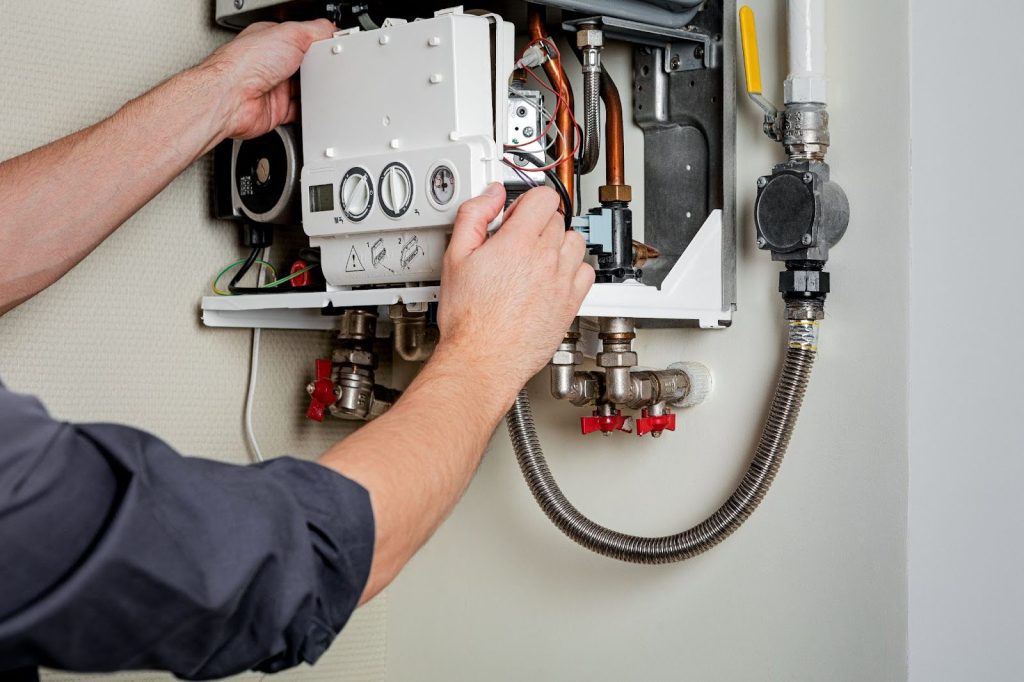
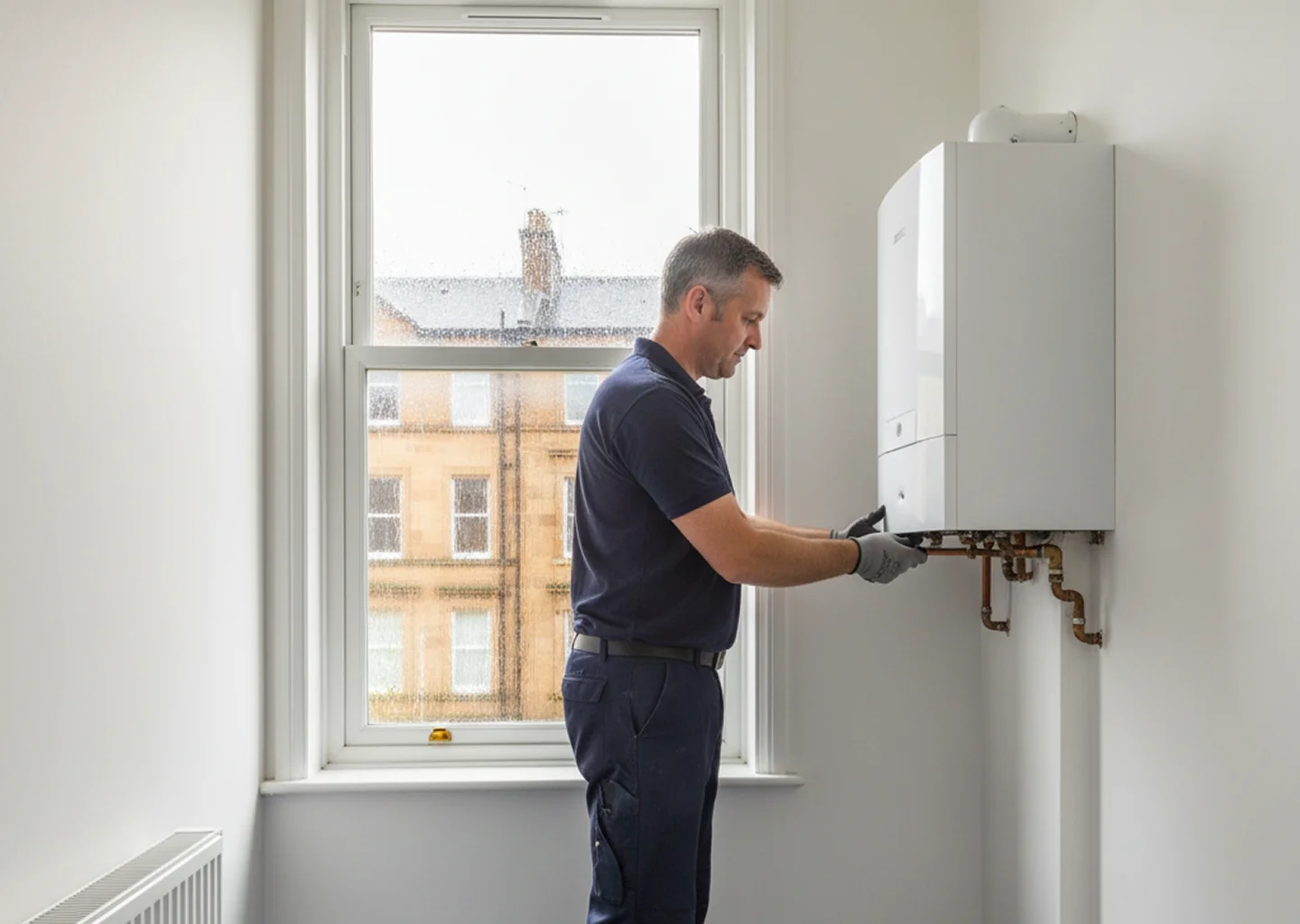
At Origin GPH, we help you choose the right boiler for your specific needs. Whether you’re considering a combi boiler, system boiler, or regular boiler, our knowledgeable team ensures your choice suits your home’s size, hot water requirements and budget. We offer comprehensive boiler installation services to help you transition smoothly and cost-effectively.
Conclusion
While it may seem initially costly, replacing a 15-year-old boiler is often the best strategic decision—improving efficiency, safety and financial savings in the long run. If you suspect your boiler is past its prime, reach out to Origin GPH experienced engineers for professional advice and reliable services.
For further information or to book your new boiler installation, contact us today.
Related articles
Which fuel powers your boiler?
Need Help Replacing Your Boiler? Contact Origin GPH Today
Boilers are a critical component of every household, particularly in the unpredictable British climate. However, with time, even the most reliable boilers begin to show signs of age. If your boiler is around 15 years old, you might be asking yourself—is it worth replacing it?
Here, we discuss whether replacing your older boiler could offer long-term benefits, including financial savings and improved efficiency.
Signs Your 15-Year-Old Boiler Needs Replacement
While a boiler may still function beyond 15 years, performance inevitably declines. Recognising the signs of an ageing boiler can prevent inconvenient breakdowns:
- Increasing Energy Bills: Older boilers are significantly less efficient. If you’ve noticed a steady rise in your heating costs, your boiler could be the culprit.
- Frequent Repairs: Regular breakdowns and escalating repair costs can quickly become uneconomical.
- Radiators Take Longer to Heat: Slow-heating radiators or inconsistent warmth indicate declining boiler efficiency.
- Strange Noises or Smells: Odd banging sounds, smells, or leaks may signal internal corrosion and faults.
If you recognise these symptoms, it might be time to book a boiler inspection with our qualified engineers at Origin GPH.
The Efficiency Factor: Modern Boilers vs Older Models
Modern boilers are designed to operate with significantly higher efficiency. Older, non-condensing boilers typically achieve around 60-70% efficiency. By contrast, new, condensing boilers achieve over 90%, drastically cutting down fuel consumption.
Replacing your boiler with a more efficient model could result in substantial annual savings—often enough to offset the initial installation cost over time.
Which fuel powers your boiler?
It just takes 2 minutes
And then you can book a free consultation
Safety and Reliability
Ageing boilers may pose safety risks, particularly if they’re gas-powered. Older units are more prone to leaks, carbon monoxide emissions and overheating. Installing a modern boiler, fitted by Gas Safe Registered engineers, dramatically reduces such risks, ensuring peace of mind.
Environmental Considerations
Replacing an old boiler isn’t just good for your wallet; it’s better for the environment. Modern boilers significantly reduce carbon emissions, helping homeowners meet environmental targets and reduce their carbon footprint.
Added Value to Your Home
Upgrading your boiler can also increase your property’s value. Potential buyers prefer homes with reliable, energy-efficient boilers, reducing their future costs and concerns. It’s an investment that pays back at resale.
Choosing the Right Boiler with Origin GPH
At Origin GPH, we help you choose the right boiler for your specific needs. Whether you’re considering a combi boiler, system boiler, or regular boiler, our knowledgeable team ensures your choice suits your home’s size, hot water requirements and budget. We offer comprehensive boiler installation services to help you transition smoothly and cost-effectively.
Conclusion
While it may seem initially costly, replacing a 15-year-old boiler is often the best strategic decision—improving efficiency, safety and financial savings in the long run. If you suspect your boiler is past its prime, reach out to Origin GPH experienced engineers for professional advice and reliable services.
For further information or to book your new boiler installation, contact us today.