
Tips for Maintaining Your Newly Installed Boiler in Glasgow
A new boiler is a significant investment for any home, ensuring warmth and hot water for your family…

Why you can trust our content
We understand that the boiler industry can be confusing, with plenty of outdated or misleading information. That’s why we rely only on trusted, proven sources to guide our advice and installations:
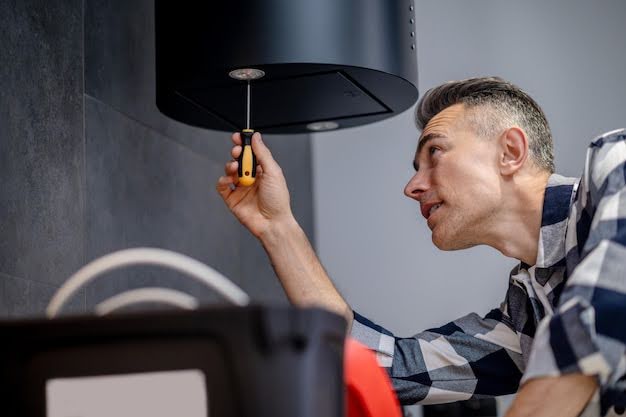
A new boiler is a significant investment for any home, ensuring warmth and hot water for your family throughout the year. Whether you’ve recently had a boiler installation in Glasgow or are considering upgrading your existing system, it’s essential to maintain your boiler properly to maximise its efficiency, prolong its lifespan, and prevent costly repairs.
Boiler maintenance is an often-overlooked aspect of homeownership, but it’s crucial for avoiding unexpected breakdowns and high energy bills. In this blog, we’ll provide you with essential tips on how to care for your newly installed boiler in Glasgow and ensure it continues to perform at its best.
Why Proper Boiler Maintenance Matters
Before diving into maintenance tips, let’s quickly explore why it’s so important to maintain your new boiler. A well-maintained boiler will run more efficiently, helping you avoid wasted energy and higher utility bills. Additionally, regular upkeep ensures that any potential problems are detected early before they become more serious and costly issues. With a new installation, it’s especially important to follow manufacturer guidelines and ensure your system is checked regularly to preserve your warranty and optimise its performance.
Benefits of Maintaining Your New Boiler:
- Efficiency: Regular maintenance ensures the boiler operates at peak efficiency, saving you money on energy bills.
- Longevity: Proper care can extend the lifespan of your boiler, reducing the likelihood of early replacements.
- Safety: Regular checks reduce the risk of dangerous issues such as gas leaks or carbon monoxide poisoning.
- Fewer Repairs: Early identification of faults allows for smaller, cheaper repairs, preventing major breakdowns.
1. Schedule Regular Boiler Servicing
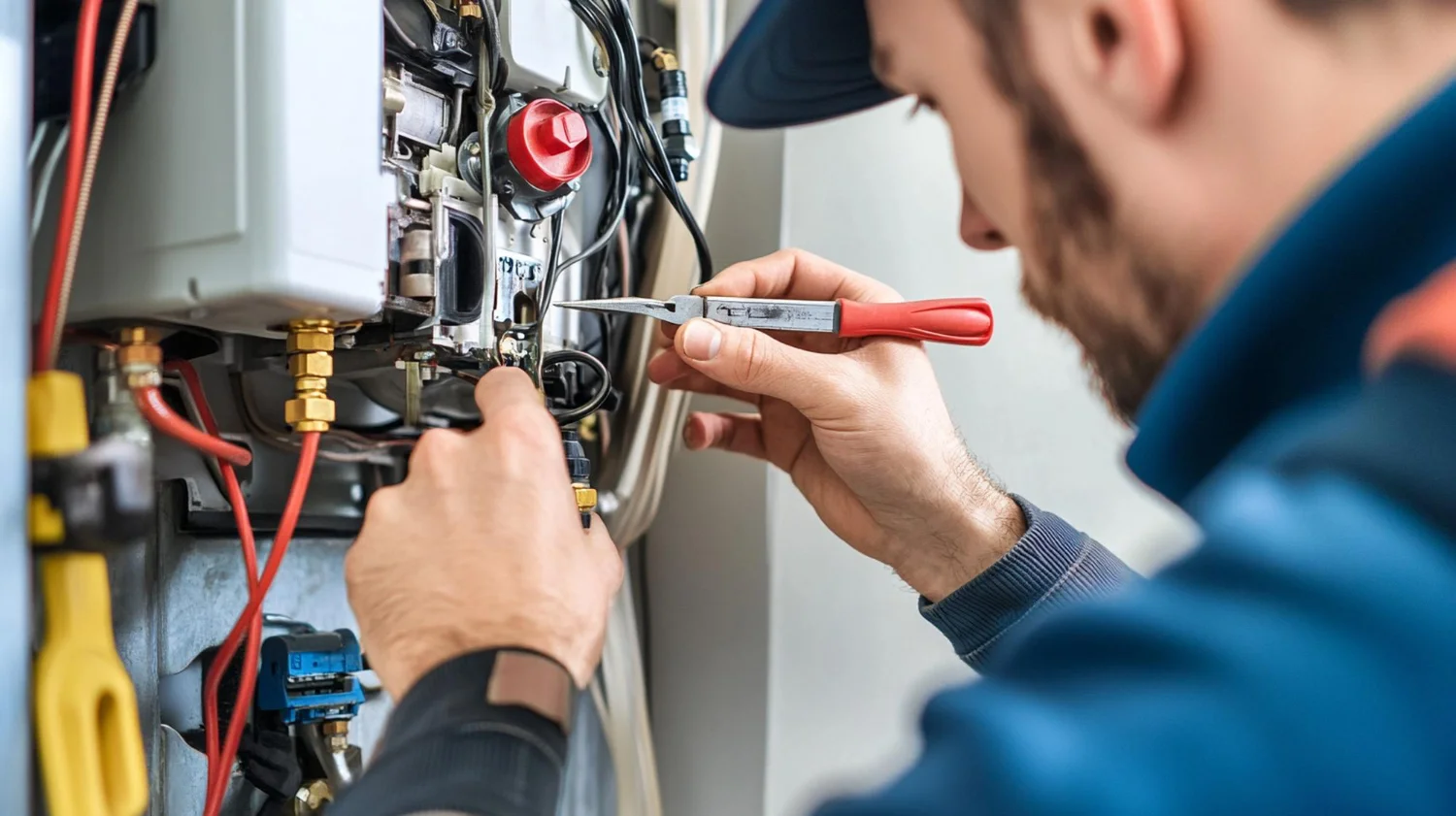
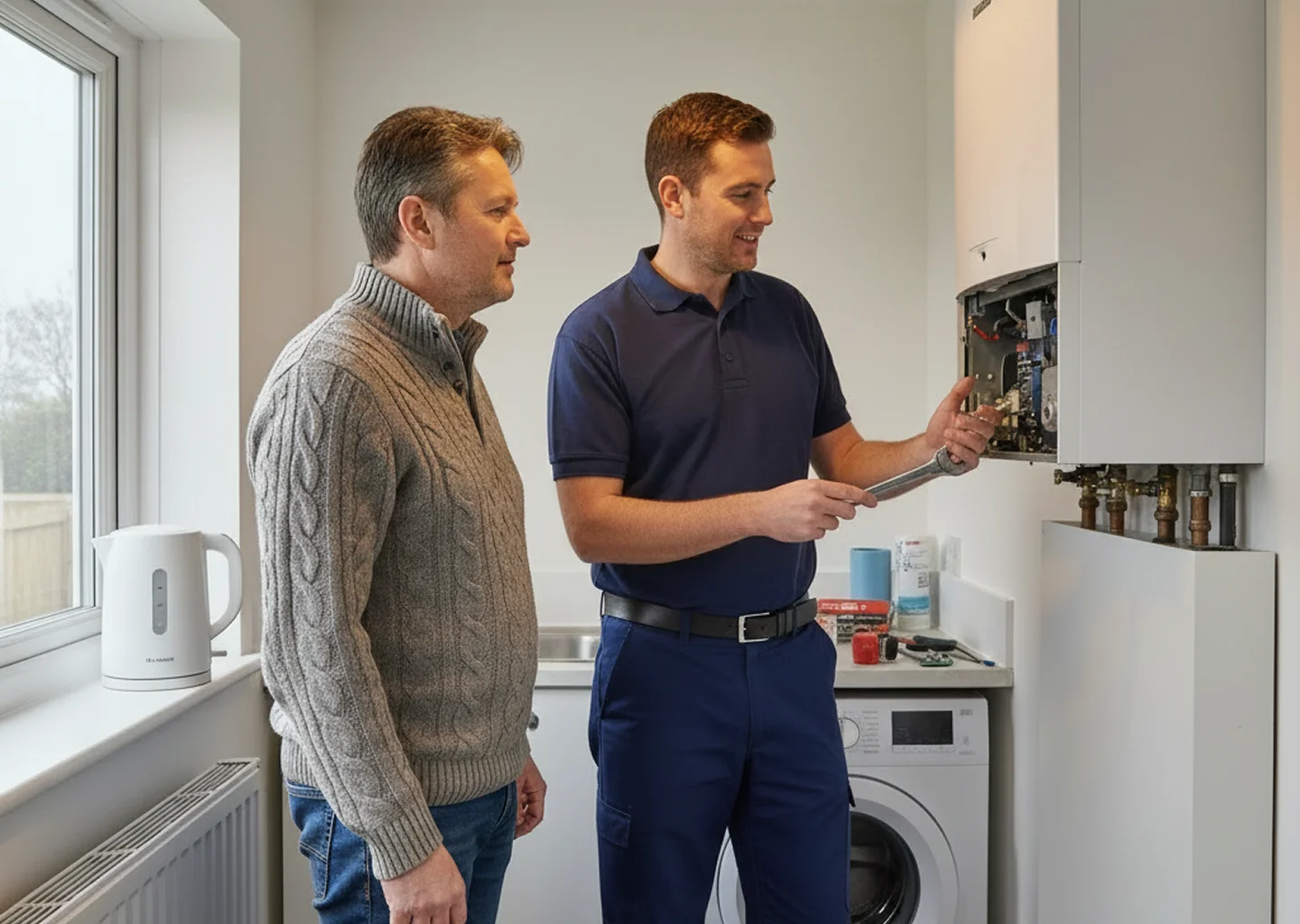
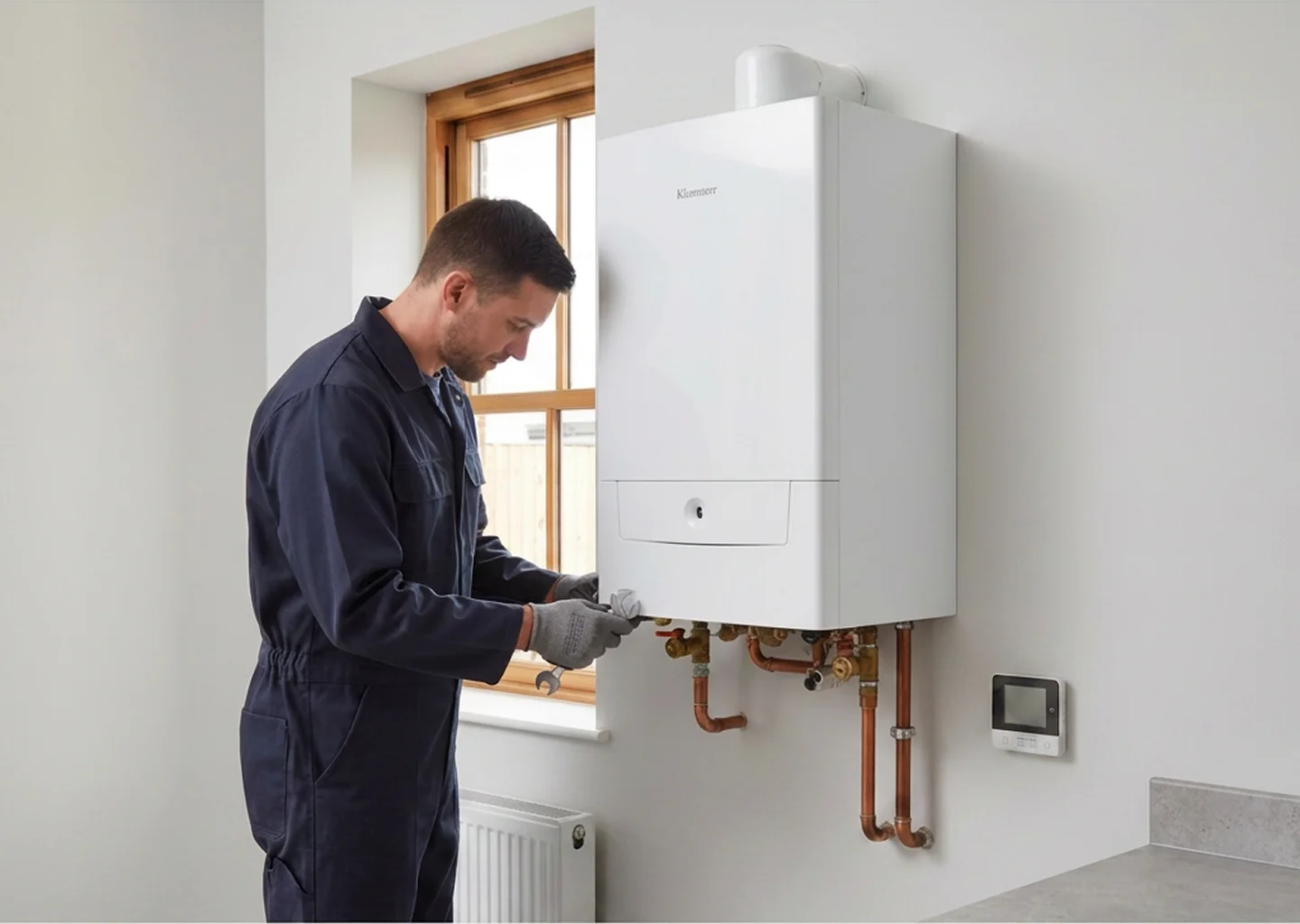
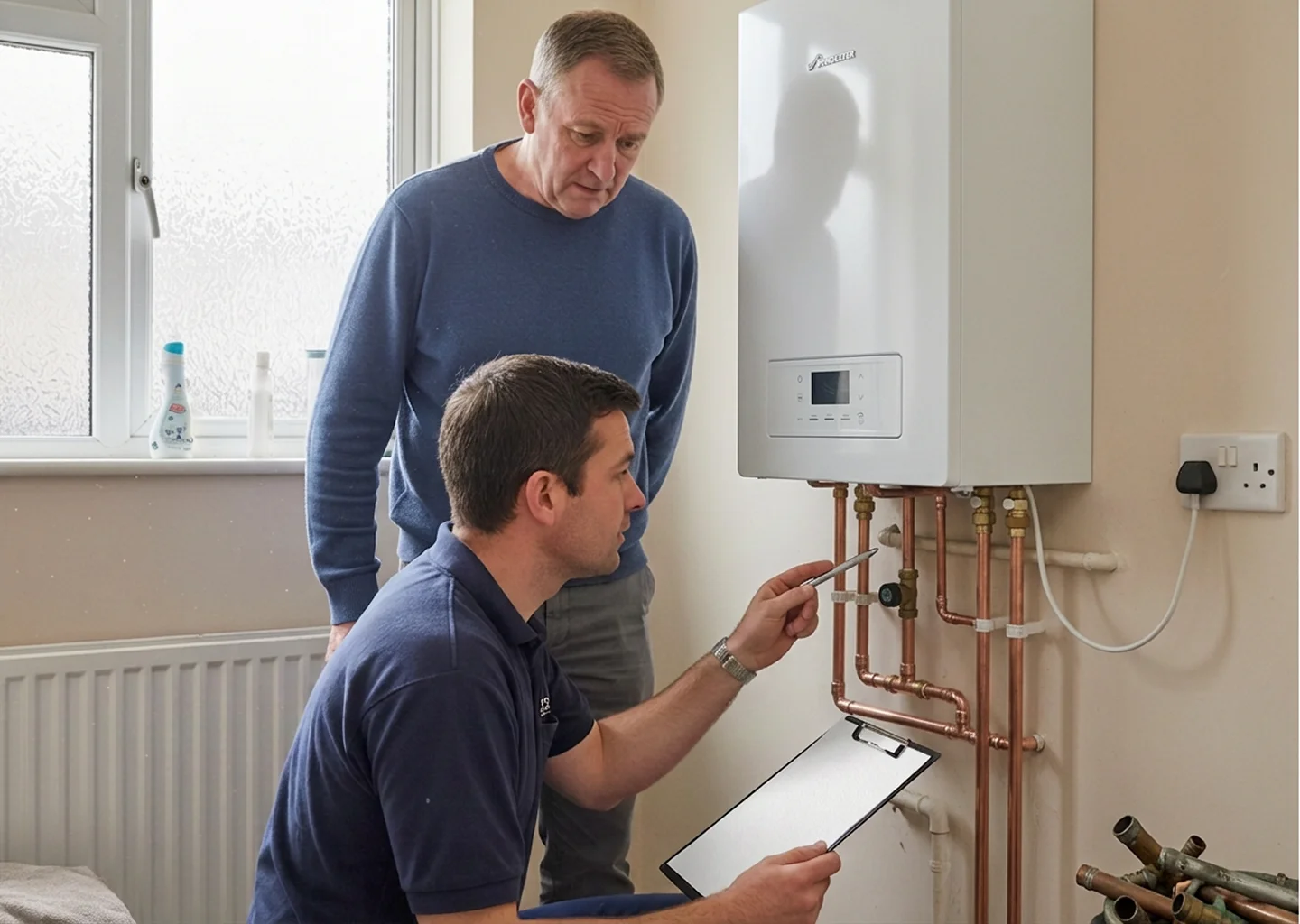
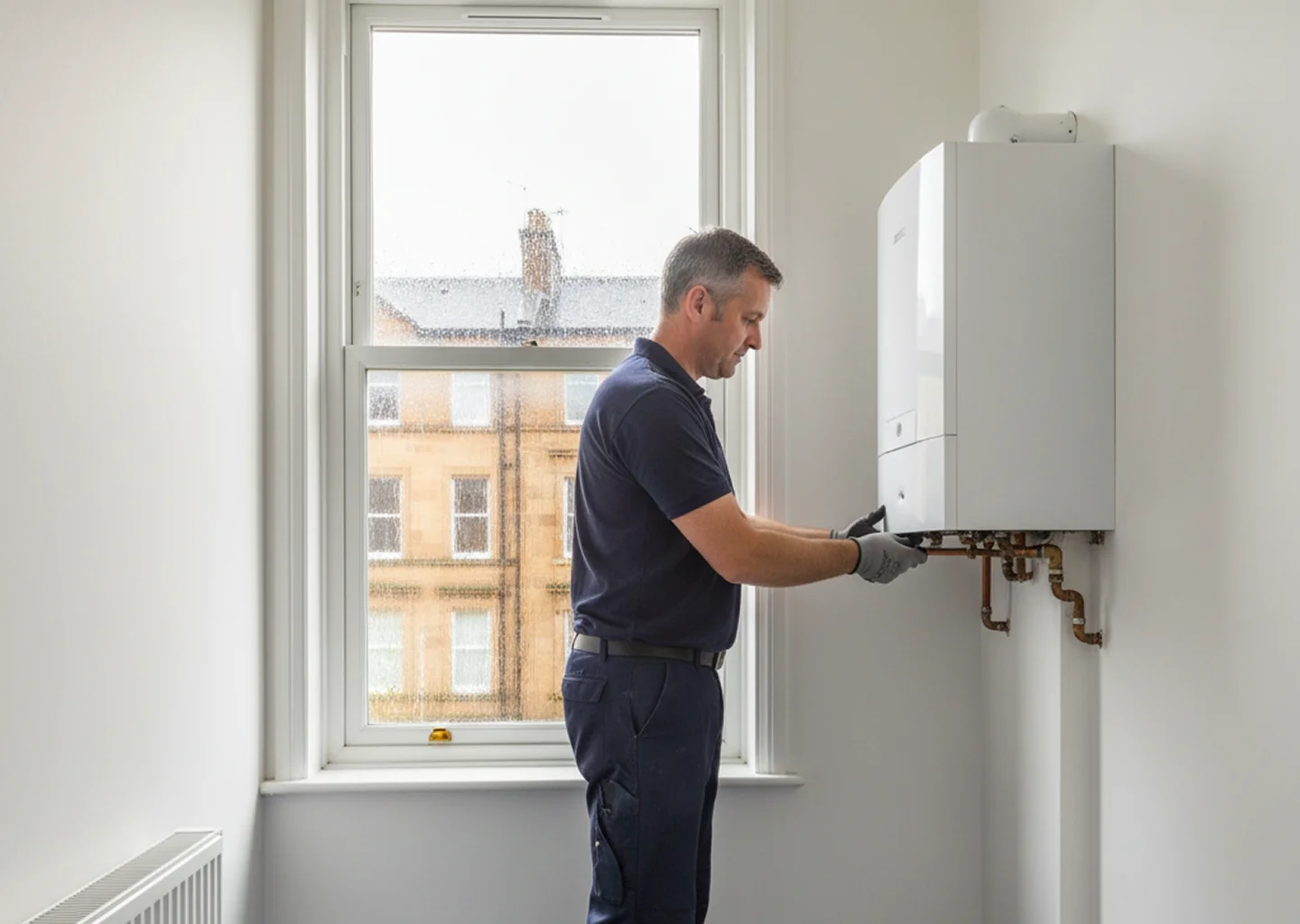
One of the most important steps you can take to maintain your new boiler is to have it serviced regularly by a qualified heating engineer. Most manufacturers recommend an annual service, which will help to catch potential problems early, ensure the system is running efficiently, and allow your engineer to clean and check critical components.
What Happens During a Boiler Service?
During a routine service, your heating engineer will typically:
- Check the pressure: Ensuring your boiler pressure is at the right level for optimal functioning.
- Inspect for leaks: Checking for any signs of water or gas leaks, which can be harmful and costly.
- Clean the heat exchanger: A dirty heat exchanger can hinder your boiler’s efficiency, leading to higher energy bills.
- Examine safety devices: The engineer will check essential safety components, including the pressure relief valve and flue, to ensure they are functioning properly.
- Test the system’s performance: The engineer will test the system to make sure everything is operating as it should be, ensuring there are no underlying issues.
A regular service is the best way to avoid unexpected repairs and to ensure that your boiler remains covered under warranty. It is worth noting that many manufacturers require annual servicing for the warranty to stay valid, so this is a crucial step.
2. Keep the Boiler Area Clean and Unobstructed
After your boiler installation in Glasgow, you’ll want to make sure that the area around your boiler is kept clean and clear. Boilers need proper airflow to function efficiently, and obstructing the vents, pipes, or flue can lead to poor performance or even system failure.
Tips for Maintaining the Boiler Area:
- Clear the space: Ensure there is enough space around the boiler for ventilation. Avoid storing items such as cleaning products, clothes, or other materials near the unit.
- Regular cleaning: While you shouldn’t attempt to clean the boiler yourself, the surrounding area can collect dust and debris. Regularly wiping the area around the boiler and keeping it tidy helps ensure proper airflow.
- Check the ventilation: Ensure that any external vents or flues are free from blockages, such as leaves, snow, or debris. These can cause dangerous pressure build-ups or carbon monoxide backflow.
Keeping your boiler area tidy not only improves performance but also ensures you are reducing the risk of dangerous malfunctions.
3. Monitor the Pressure Regularly
Your boiler’s water pressure should be at the right level for optimal performance, usually between 1 and 1.5 bars when the system is cold. Low pressure can cause the system to stop functioning efficiently, while too much pressure can strain the internal components.
How to Check Boiler Pressure:
- Check the gauge: Most modern boilers have a pressure gauge that’s easy to read. If the pressure is too low (below 1 bar), you may need to top it up by following the instructions in the manual.
- Repressurise the system: If the pressure is too low, you can usually repressurise the boiler by opening the filling loop valve (refer to your boiler’s manual for specific instructions).
- Call an expert if pressure fluctuates: If the pressure continues to drop or increase unpredictably, it could indicate an issue like a leak or airlock in the system. This is when you should call a professional heating engineer to investigate.
Regularly monitoring and maintaining the pressure ensures your boiler works efficiently and prevents it from being overburdened.
Which fuel powers your boiler?
It just takes 2 minutes
And then you can book a free consultation
4. Bleed Your Radiators
Over time, air can get trapped in the radiators, which can cause your heating system to work less efficiently. This is especially common after a new boiler installation in Glasgow, as air can be trapped during the installation process. Bleeding your radiators helps to remove this air and allows hot water to circulate properly.
How to Bleed Radiators:
- Turn off the heating: Always turn off the heating and allow the radiators to cool before bleeding.
- Use a radiator key: Most radiators have a small valve at the top that can be opened using a radiator key. Insert the key and slowly turn it counterclockwise to release the air. You should hear a hissing sound as the air escapes.
- Check for water: Once the hissing stops, water will begin to leak out. Be ready with a cloth to catch any drips.
- Repeat if necessary: If multiple radiators need bleeding, repeat the process until all radiators are free from air pockets.
Bleeding your radiators once or twice a year can help to optimise heating efficiency and prevent cold spots in your home.
5. Watch for Warning Signs of Boiler Issues
Even with regular maintenance, it’s important to remain vigilant for signs that your boiler may not be operating correctly. Catching issues early can prevent costly repairs and breakdowns in the future.
Common Warning Signs:
- No heat or hot water: If your boiler fails to provide heat or hot water, it could be due to issues with the thermostat, pressure, or a malfunctioning valve.
- Unusual noises: Grinding, banging, or gurgling noises coming from the boiler can indicate air in the system or problems with the components.
- Leaks: Any water leaks around the boiler should be addressed immediately. A leak could indicate a serious internal issue that could cause further damage.
- Pilot light problems: If your boiler’s pilot light keeps going out or changes colour, it could indicate incomplete combustion or other problems.
If you notice any of these symptoms, it’s best to call a boiler repair service in Glasgow to investigate and prevent the problem from worsening. For reliable and efficient repairs, you can visit Origin Gas Plumbing & Heating for expert assistance.
6. Ensure the Boiler’s Flue is Free from Obstructions
Your boiler’s flue is responsible for venting gases produced during combustion to the outside of your home. A blocked or obstructed flue can lead to dangerous gas build-ups, which can compromise safety.
How to Ensure the Flue is Clear:
- Check the outside flue: Make sure that the external flue is clear of any obstructions such as leaves, nests, or debris.
- Don’t block the flue: Inside the home, ensure there are no objects blocking the flue, such as furniture or curtains. Proper airflow is crucial for safe and efficient operation.
Regularly inspect the flue and ensure that it remains clear to avoid safety risks and ensure your boiler works as efficiently as possible.
7. Invest in a Magnetic Filter
Installing a magnetic filter is a small but highly effective step in maintaining your boiler’s health. This device collects magnetic particles and debris from the water circulating through the system, helping to prevent damage to the boiler’s components, such as the heat exchanger.
Why Install a Magnetic Filter:
- Prevents sludge build-up: Over time, sludge and debris can accumulate in the system, reducing efficiency and causing wear on the boiler.
- Reduces repair costs: A magnetic filter helps prevent damage that could require expensive repairs, saving you money in the long run.
- Increases efficiency: With fewer particles and debris in the system, the boiler can work more efficiently, reducing energy consumption.
Consult with your heating engineer to see if a magnetic filter is a good option for your system.
Boiler Installation Glasgow
A newly installed boiler is a great asset to your home, providing reliable heating and hot water. However, just like any other appliance, it requires proper care and attention to function efficiently over time. By following these tips for maintaining your boiler, you can keep it running smoothly, avoid unnecessary breakdowns, and extend its lifespan.
Regular servicing, monitoring the pressure, keeping the area clear, and being vigilant for any warning signs are essential steps in protecting your investment. If you ever need professional help with your boiler, don’t hesitate to contact an experienced boiler repair service in Glasgow. For reliable, affordable services, visit Origin Gas Plumbing & Heating.
By investing a little time and effort into maintenance, you can enjoy a warm and comfortable home without the worry of unexpected heating costs or repairs.

Related articles
Which fuel powers your boiler?
At a glance
A new boiler is a significant investment for any home, ensuring warmth and hot water for your family throughout the year. Whether you’ve recently had a boiler installation in Glasgow or are considering upgrading your existing system, it’s essential to maintain your boiler properly to maximise its efficiency, prolong its lifespan, and prevent costly repairs.
Boiler maintenance is an often-overlooked aspect of homeownership, but it’s crucial for avoiding unexpected breakdowns and high energy bills. In this blog, we’ll provide you with essential tips on how to care for your newly installed boiler in Glasgow and ensure it continues to perform at its best.
Why Proper Boiler Maintenance Matters
Before diving into maintenance tips, let’s quickly explore why it’s so important to maintain your new boiler. A well-maintained boiler will run more efficiently, helping you avoid wasted energy and higher utility bills. Additionally, regular upkeep ensures that any potential problems are detected early before they become more serious and costly issues. With a new installation, it’s especially important to follow manufacturer guidelines and ensure your system is checked regularly to preserve your warranty and optimise its performance.
Benefits of Maintaining Your New Boiler:
- Efficiency: Regular maintenance ensures the boiler operates at peak efficiency, saving you money on energy bills.
- Longevity: Proper care can extend the lifespan of your boiler, reducing the likelihood of early replacements.
- Safety: Regular checks reduce the risk of dangerous issues such as gas leaks or carbon monoxide poisoning.
- Fewer Repairs: Early identification of faults allows for smaller, cheaper repairs, preventing major breakdowns.
1. Schedule Regular Boiler Servicing
One of the most important steps you can take to maintain your new boiler is to have it serviced regularly by a qualified heating engineer. Most manufacturers recommend an annual service, which will help to catch potential problems early, ensure the system is running efficiently, and allow your engineer to clean and check critical components.
What Happens During a Boiler Service?
During a routine service, your heating engineer will typically:
- Check the pressure: Ensuring your boiler pressure is at the right level for optimal functioning.
- Inspect for leaks: Checking for any signs of water or gas leaks, which can be harmful and costly.
- Clean the heat exchanger: A dirty heat exchanger can hinder your boiler’s efficiency, leading to higher energy bills.
- Examine safety devices: The engineer will check essential safety components, including the pressure relief valve and flue, to ensure they are functioning properly.
- Test the system’s performance: The engineer will test the system to make sure everything is operating as it should be, ensuring there are no underlying issues.
A regular service is the best way to avoid unexpected repairs and to ensure that your boiler remains covered under warranty. It is worth noting that many manufacturers require annual servicing for the warranty to stay valid, so this is a crucial step.
2. Keep the Boiler Area Clean and Unobstructed
After your boiler installation in Glasgow, you’ll want to make sure that the area around your boiler is kept clean and clear. Boilers need proper airflow to function efficiently, and obstructing the vents, pipes, or flue can lead to poor performance or even system failure.
Tips for Maintaining the Boiler Area:
- Clear the space: Ensure there is enough space around the boiler for ventilation. Avoid storing items such as cleaning products, clothes, or other materials near the unit.
- Regular cleaning: While you shouldn’t attempt to clean the boiler yourself, the surrounding area can collect dust and debris. Regularly wiping the area around the boiler and keeping it tidy helps ensure proper airflow.
- Check the ventilation: Ensure that any external vents or flues are free from blockages, such as leaves, snow, or debris. These can cause dangerous pressure build-ups or carbon monoxide backflow.
Keeping your boiler area tidy not only improves performance but also ensures you are reducing the risk of dangerous malfunctions.
3. Monitor the Pressure Regularly
Your boiler’s water pressure should be at the right level for optimal performance, usually between 1 and 1.5 bars when the system is cold. Low pressure can cause the system to stop functioning efficiently, while too much pressure can strain the internal components.
How to Check Boiler Pressure:
- Check the gauge: Most modern boilers have a pressure gauge that’s easy to read. If the pressure is too low (below 1 bar), you may need to top it up by following the instructions in the manual.
- Repressurise the system: If the pressure is too low, you can usually repressurise the boiler by opening the filling loop valve (refer to your boiler’s manual for specific instructions).
- Call an expert if pressure fluctuates: If the pressure continues to drop or increase unpredictably, it could indicate an issue like a leak or airlock in the system. This is when you should call a professional heating engineer to investigate.
Regularly monitoring and maintaining the pressure ensures your boiler works efficiently and prevents it from being overburdened.
Which fuel powers your boiler?
It just takes 2 minutes
And then you can book a free consultation
4. Bleed Your Radiators
Over time, air can get trapped in the radiators, which can cause your heating system to work less efficiently. This is especially common after a new boiler installation in Glasgow, as air can be trapped during the installation process. Bleeding your radiators helps to remove this air and allows hot water to circulate properly.
How to Bleed Radiators:
- Turn off the heating: Always turn off the heating and allow the radiators to cool before bleeding.
- Use a radiator key: Most radiators have a small valve at the top that can be opened using a radiator key. Insert the key and slowly turn it counterclockwise to release the air. You should hear a hissing sound as the air escapes.
- Check for water: Once the hissing stops, water will begin to leak out. Be ready with a cloth to catch any drips.
- Repeat if necessary: If multiple radiators need bleeding, repeat the process until all radiators are free from air pockets.
Bleeding your radiators once or twice a year can help to optimise heating efficiency and prevent cold spots in your home.
5. Watch for Warning Signs of Boiler Issues
Even with regular maintenance, it’s important to remain vigilant for signs that your boiler may not be operating correctly. Catching issues early can prevent costly repairs and breakdowns in the future.
Common Warning Signs:
- No heat or hot water: If your boiler fails to provide heat or hot water, it could be due to issues with the thermostat, pressure, or a malfunctioning valve.
- Unusual noises: Grinding, banging, or gurgling noises coming from the boiler can indicate air in the system or problems with the components.
- Leaks: Any water leaks around the boiler should be addressed immediately. A leak could indicate a serious internal issue that could cause further damage.
- Pilot light problems: If your boiler’s pilot light keeps going out or changes colour, it could indicate incomplete combustion or other problems.
If you notice any of these symptoms, it’s best to call a boiler repair service in Glasgow to investigate and prevent the problem from worsening. For reliable and efficient repairs, you can visit Origin Gas Plumbing & Heating for expert assistance.
6. Ensure the Boiler’s Flue is Free from Obstructions
Your boiler’s flue is responsible for venting gases produced during combustion to the outside of your home. A blocked or obstructed flue can lead to dangerous gas build-ups, which can compromise safety.
How to Ensure the Flue is Clear:
- Check the outside flue: Make sure that the external flue is clear of any obstructions such as leaves, nests, or debris.
- Don’t block the flue: Inside the home, ensure there are no objects blocking the flue, such as furniture or curtains. Proper airflow is crucial for safe and efficient operation.
Regularly inspect the flue and ensure that it remains clear to avoid safety risks and ensure your boiler works as efficiently as possible.
7. Invest in a Magnetic Filter
Installing a magnetic filter is a small but highly effective step in maintaining your boiler’s health. This device collects magnetic particles and debris from the water circulating through the system, helping to prevent damage to the boiler’s components, such as the heat exchanger.
Why Install a Magnetic Filter:
- Prevents sludge build-up: Over time, sludge and debris can accumulate in the system, reducing efficiency and causing wear on the boiler.
- Reduces repair costs: A magnetic filter helps prevent damage that could require expensive repairs, saving you money in the long run.
- Increases efficiency: With fewer particles and debris in the system, the boiler can work more efficiently, reducing energy consumption.
Consult with your heating engineer to see if a magnetic filter is a good option for your system.
Boiler Installation Glasgow
A newly installed boiler is a great asset to your home, providing reliable heating and hot water. However, just like any other appliance, it requires proper care and attention to function efficiently over time. By following these tips for maintaining your boiler, you can keep it running smoothly, avoid unnecessary breakdowns, and extend its lifespan.
Regular servicing, monitoring the pressure, keeping the area clear, and being vigilant for any warning signs are essential steps in protecting your investment. If you ever need professional help with your boiler, don’t hesitate to contact an experienced boiler repair service in Glasgow. For reliable, affordable services, visit Origin Gas Plumbing & Heating.
By investing a little time and effort into maintenance, you can enjoy a warm and comfortable home without the worry of unexpected heating costs or repairs.