What Does a Boiler Installation Involve? Step-by-Step Guide
A boiler is at the heart of almost every Glasgow home. It provides heating during long Scottish winters…

Why you can trust our content
We understand that the boiler industry can be confusing, with plenty of outdated or misleading information. That’s why we rely only on trusted, proven sources to guide our advice and installations:
A boiler is at the heart of almost every Glasgow home. It provides heating during long Scottish winters and hot water for daily living. But when the time comes to replace your boiler, many homeowners are unsure what to expect from the process.
If you are planning a boiler installation in Glasgow, it helps to know exactly what is involved, from the initial survey to the final handover.
Understanding each step means you can make informed decisions, budget accurately, and feel confident that the work is being carried out safely and professionally.
This comprehensive guide explains everything you need to know about boiler installation in Glasgow: the survey, costs, fitting process, certification, and aftercare.
1. Why Replace Your Boiler?
Before looking at the installation steps, it’s worth considering why Glasgow households choose to replace their boilers. Common reasons include:
- Age: Most boilers last 10–15 years. After this, efficiency drops and breakdowns increase.
- Rising bills: Old boilers can be as little as 60% efficient, meaning up to 40p of every £1 you spend on gas is wasted.
- Repairs: If repair costs mount up, replacement can be cheaper in the long run.
- Regulation compliance: New boilers must meet modern energy efficiency standards.
- Property upgrades: Renovations, extensions, or new bathrooms often require more powerful systems.
When your boiler no longer meets your household’s needs, a new boiler installation in Glasgow can transform comfort and cut energy bills.
2. The Initial Survey
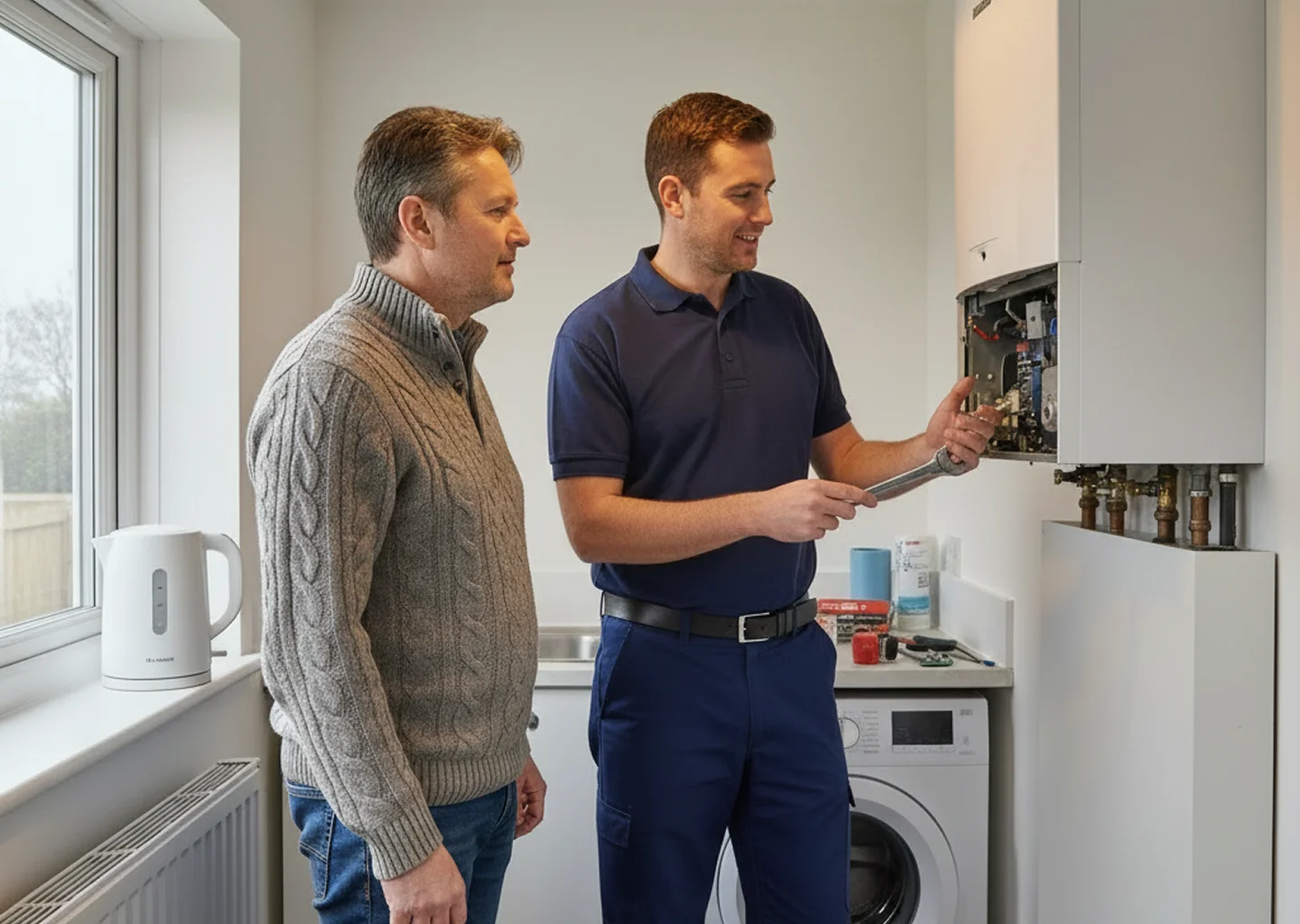
The process begins with a home or video survey. A Gas Safe registered engineer visits your property to gather key details:
- Hot water demand: How many bathrooms, showers, and taps are in use.
- Heating system size: The number of radiators and pipework capacity.
- Water pressure: Tested at the mains to ensure a combi boiler is suitable.
- Location: Kitchen, utility room, loft, or cupboard. Engineers assess flue routes and ventilation.
- Future plans: If you may extend or add bathrooms, this influences the boiler choice.
Glasgow properties range from sandstone tenements to detached new-builds. The survey ensures the boiler is correctly sized and positioned for your specific home.
3. Choosing the Right Boiler
After the survey, the engineer will recommend the most suitable type of boiler:
- Combi boiler: Provides heating and hot water on demand, with no cylinder or tank. Perfect for flats and smaller homes.
- System boiler: Works with a hot-water cylinder, ideal for larger families and homes with multiple bathrooms.
- Conventional boiler: Still used in older Glasgow properties with existing tanks and cylinders.
For most urban households, a modern combi boiler is the most efficient choice. However, a tailored recommendation ensures the system meets your current and future needs.
4. Receiving a Fixed-Price Quote
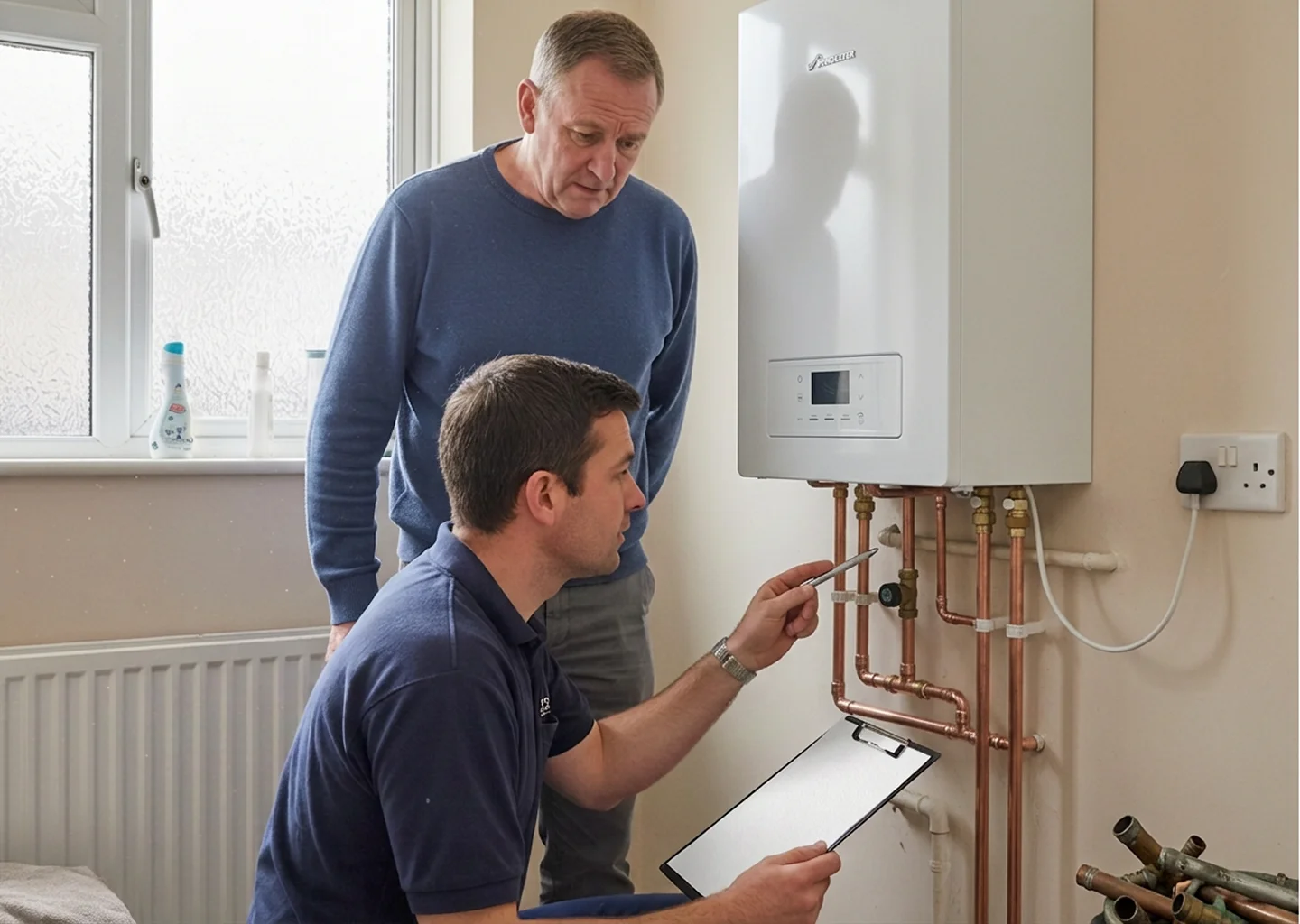
Once the survey is complete, you should be given a fixed-price quotation. A professional quote will detail:
- Boiler make and model.
- Labour and installation costs.
- Flue, pipework, and filters.
- Chemical flush or system cleanse.
- Warranty length (often up to 10 years).
A reputable local company such as Origin GPH will always provide a clear breakdown, so you know exactly what you are paying for. Transparency is key to avoiding hidden costs.
5. Preparing for Installation
Before the installation date, you may be asked to:
- Clear access to the boiler location, gas meter, and stopcock.
- Ensure someone is at home during the work.
- Arrange parking if you live in a flat or tenement.
Good preparation reduces disruption and ensures the boiler installation in Glasgow proceeds smoothly.
6. Removal of the Old Boiler
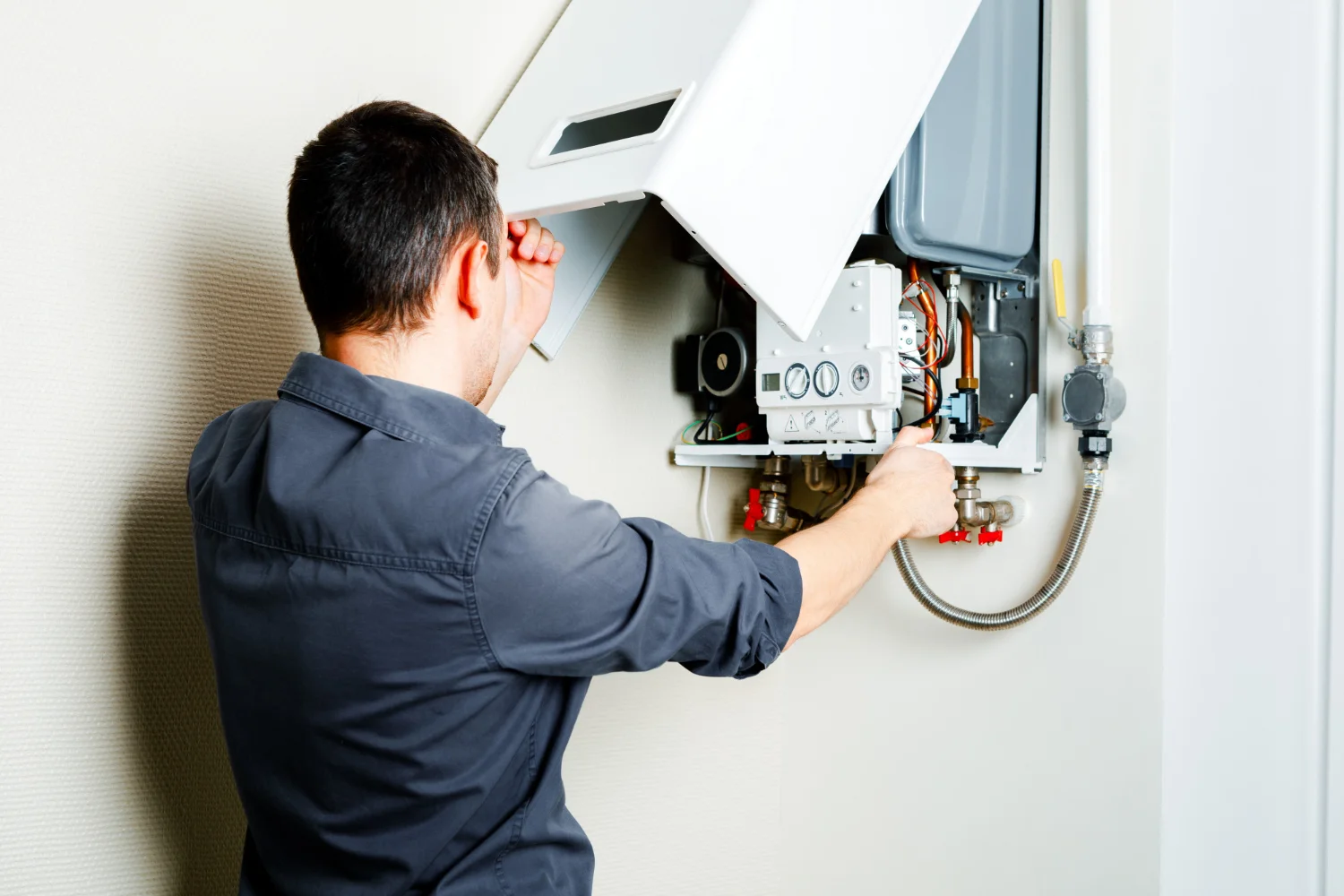
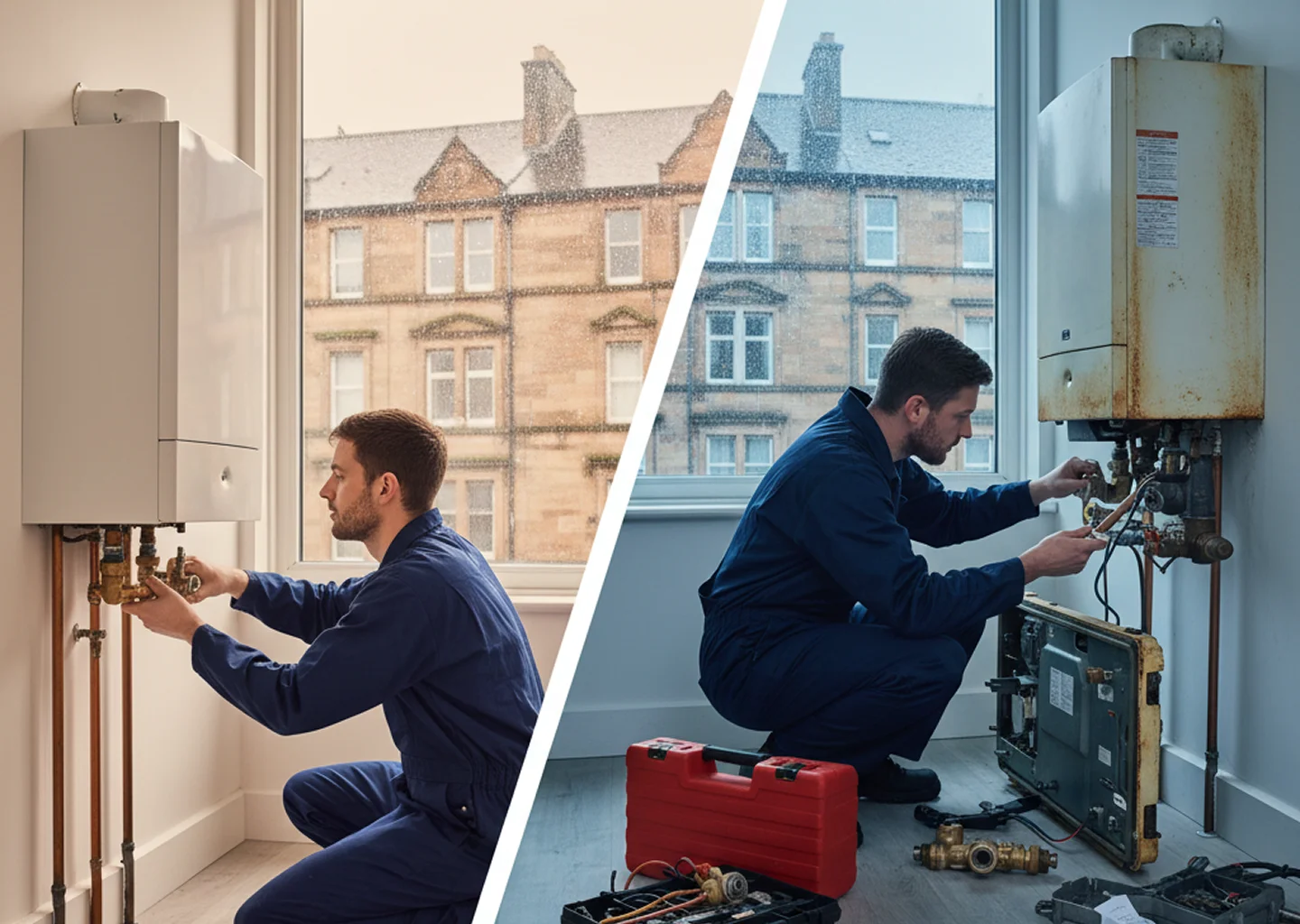
On installation day, the first step is safe disconnection of your old boiler. The engineer will:
- Isolate the gas and water supply.
- Drain the central heating system.
- Remove the old boiler and any redundant tanks or cylinders.
- Dispose of waste in line with regulations.
Professional companies will protect your home with dust sheets and tidy up after themselves.
Which fuel powers your boiler?
It just takes 2 minutes
And then you can book a free consultation
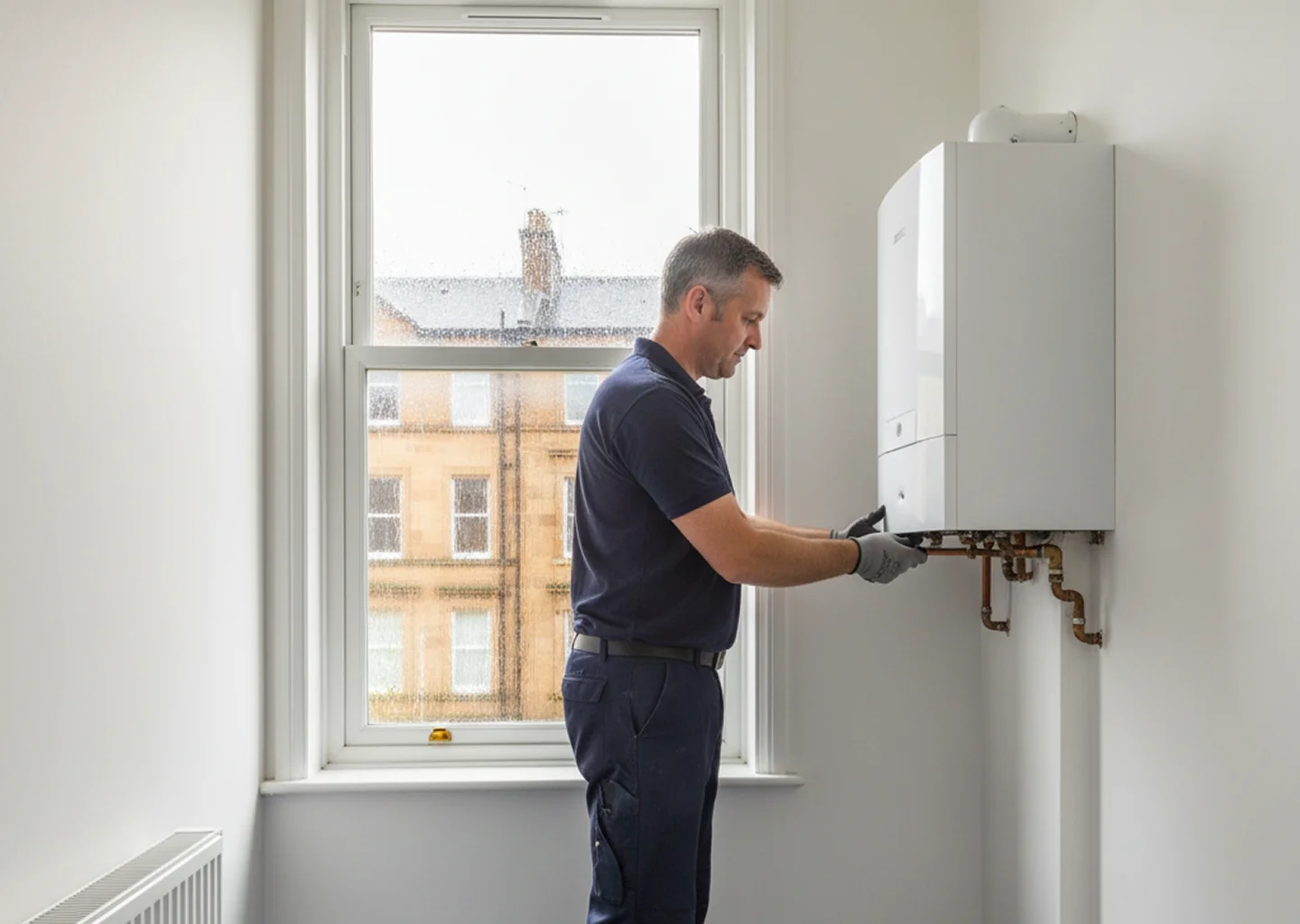
7. Installing the New Boiler
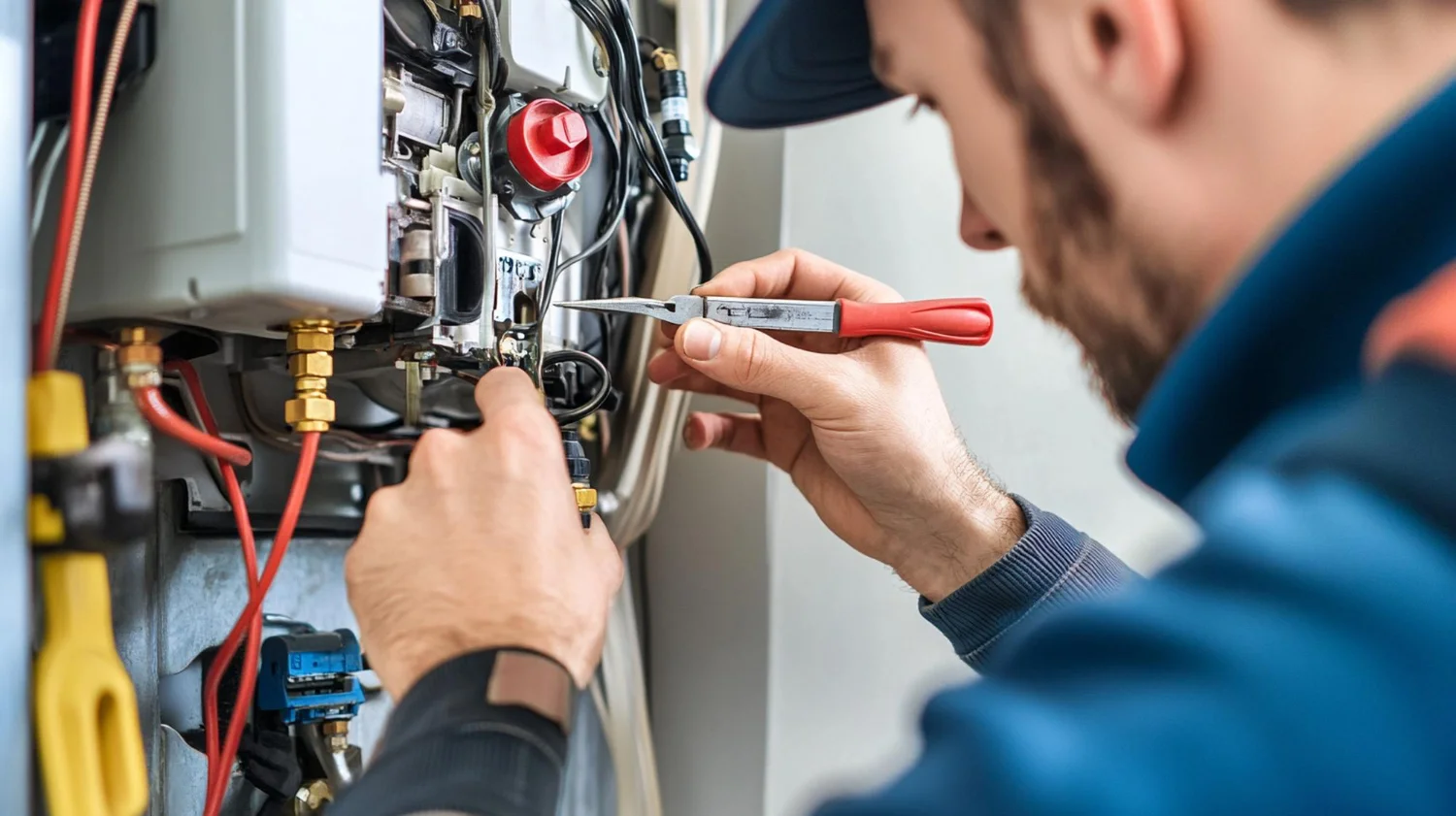
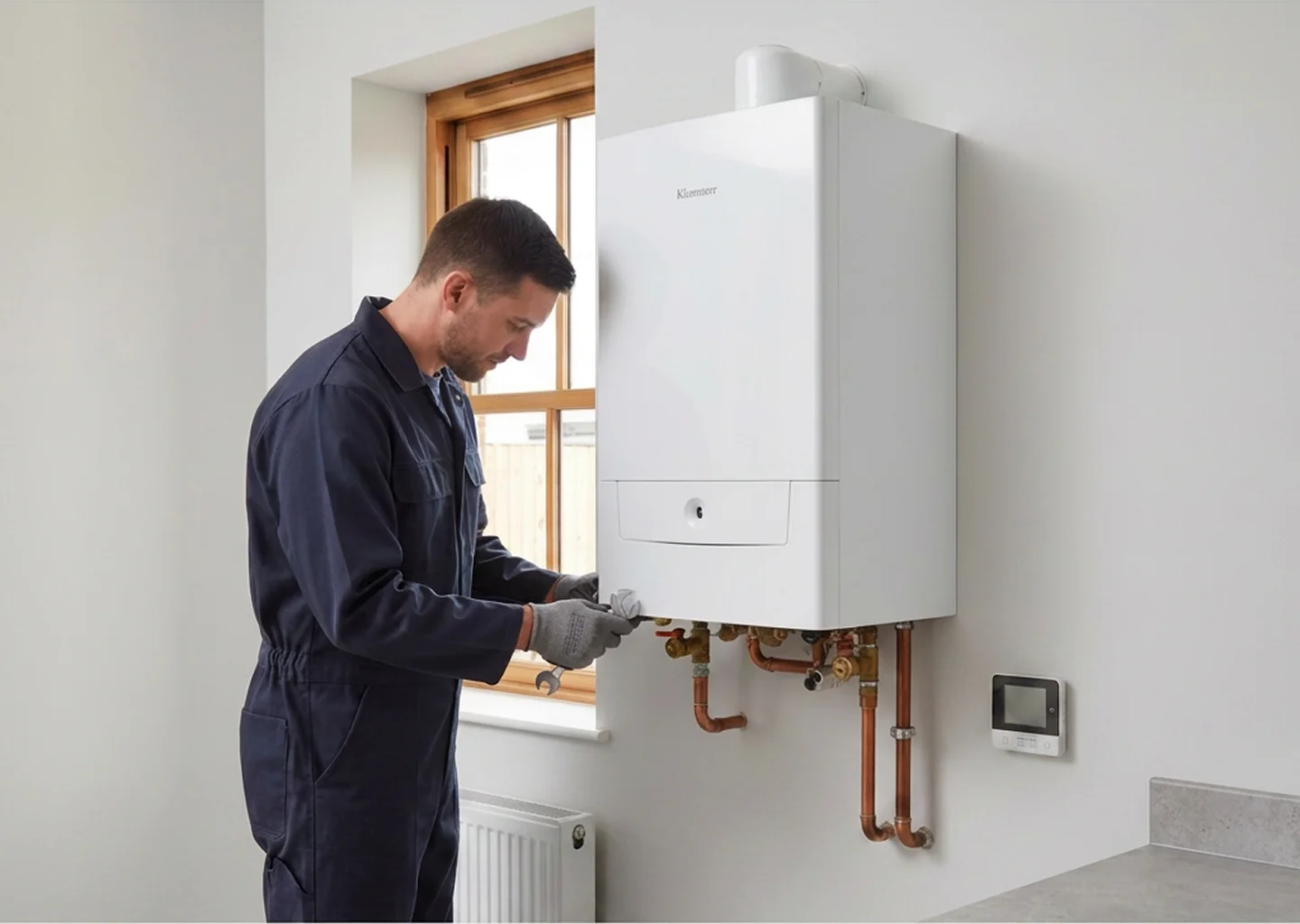
The new boiler is carefully installed in its location. This involves:
- Mounting the boiler on the wall or in a cupboard.
- Connecting pipework for gas, water, and heating.
- Installing a flue to safely discharge gases.
- Fitting filters and dosing the system with inhibitor to prevent sludge.
- Installing controls — either a simple thermostat or smart heating system.
Most like-for-like swaps take one day, while more complex jobs (such as moving the boiler to a new room) can take two to three days.
8. Cleaning the System
A crucial part of any boiler installation in Glasgow is system cleaning. Engineers may perform a chemical flush or, for heavily sludged systems, a power flush. This ensures the radiators and pipework are free from debris that could damage the new boiler. Inhibitor chemicals are then added to protect against corrosion.
9. Testing and Commissioning
Once installed, the boiler undergoes a full set of tests:
- Gas pressure checks.
- Combustion analysis with a flue gas analyser.
- Leak checks.
- Radiator balancing.
- Control functionality tests.
These results are logged in the boiler’s benchmark commissioning book. The engineer will also register the installation with Gas Safe and Building Regulations.
10. Handover and Warranty
The final step is the handover. Your engineer will explain how to use the boiler, set heating schedules, and reset controls. They will also provide warranty documents, often covering parts and labour for up to 10 years.
Origin GPH handles warranty registration on your behalf, saving you time and giving peace of mind.
11. Aftercare and Servicing
Boilers require annual servicing to remain safe and efficient. A service involves safety checks, filter cleaning, combustion analysis, and inhibitor top-ups if required. Servicing also keeps your warranty valid. Many Glasgow households choose boiler cover for additional protection, ensuring priority response in the event of a breakdown.
12. Typical Costs in Glasgow
The cost of a boiler installation in Glasgow depends on the boiler type and complexity of the job:
- Combi-to-combi swap: £1,800–£2,500.
- System boiler with cylinder: £2,000–£3,000.
- Conversion (system to combi): £2,800–£3,500.
While this may seem expensive, modern boilers can reduce energy bills by up to 30%, paying for themselves over time.
A professional boiler installation in Glasgow follows a clear process: survey, quotation, removal, fitting, testing, certification, and aftercare. Choosing an experienced installer ensures your home is safe, warm, and efficient for years to come.
Ready to replace your boiler?
Trust Origin GPH for expert advice, fixed-price quotes, and fast installation.
Related articles
Which fuel powers your boiler?
Contact Origin GPH Today to Arrange Your Boiler Installation Survey
A boiler is at the heart of almost every Glasgow home. It provides heating during long Scottish winters and hot water for daily living. But when the time comes to replace your boiler, many homeowners are unsure what to expect from the process.
If you are planning a boiler installation in Glasgow, it helps to know exactly what is involved, from the initial survey to the final handover.
Understanding each step means you can make informed decisions, budget accurately, and feel confident that the work is being carried out safely and professionally.
This comprehensive guide explains everything you need to know about boiler installation in Glasgow: the survey, costs, fitting process, certification, and aftercare.
1. Why Replace Your Boiler?
Before looking at the installation steps, it’s worth considering why Glasgow households choose to replace their boilers. Common reasons include:
- Age: Most boilers last 10–15 years. After this, efficiency drops and breakdowns increase.
- Rising bills: Old boilers can be as little as 60% efficient, meaning up to 40p of every £1 you spend on gas is wasted.
- Repairs: If repair costs mount up, replacement can be cheaper in the long run.
- Regulation compliance: New boilers must meet modern energy efficiency standards.
- Property upgrades: Renovations, extensions, or new bathrooms often require more powerful systems.
When your boiler no longer meets your household’s needs, a new boiler installation in Glasgow can transform comfort and cut energy bills.
2. The Initial Survey
The process begins with a home or video survey. A Gas Safe registered engineer visits your property to gather key details:
- Hot water demand: How many bathrooms, showers, and taps are in use.
- Heating system size: The number of radiators and pipework capacity.
- Water pressure: Tested at the mains to ensure a combi boiler is suitable.
- Location: Kitchen, utility room, loft, or cupboard. Engineers assess flue routes and ventilation.
- Future plans: If you may extend or add bathrooms, this influences the boiler choice.
Glasgow properties range from sandstone tenements to detached new-builds. The survey ensures the boiler is correctly sized and positioned for your specific home.
3. Choosing the Right Boiler
After the survey, the engineer will recommend the most suitable type of boiler:
- Combi boiler: Provides heating and hot water on demand, with no cylinder or tank. Perfect for flats and smaller homes.
- System boiler: Works with a hot-water cylinder, ideal for larger families and homes with multiple bathrooms.
- Conventional boiler: Still used in older Glasgow properties with existing tanks and cylinders.
For most urban households, a modern combi boiler is the most efficient choice. However, a tailored recommendation ensures the system meets your current and future needs.
4. Receiving a Fixed-Price Quote
Once the survey is complete, you should be given a fixed-price quotation. A professional quote will detail:
- Boiler make and model.
- Labour and installation costs.
- Flue, pipework, and filters.
- Chemical flush or system cleanse.
- Warranty length (often up to 10 years).
A reputable local company such as Origin GPH will always provide a clear breakdown, so you know exactly what you are paying for. Transparency is key to avoiding hidden costs.
5. Preparing for Installation
Before the installation date, you may be asked to:
- Clear access to the boiler location, gas meter, and stopcock.
- Ensure someone is at home during the work.
- Arrange parking if you live in a flat or tenement.
Good preparation reduces disruption and ensures the boiler installation in Glasgow proceeds smoothly.
6. Removal of the Old Boiler
On installation day, the first step is safe disconnection of your old boiler. The engineer will:
- Isolate the gas and water supply.
- Drain the central heating system.
- Remove the old boiler and any redundant tanks or cylinders.
- Dispose of waste in line with regulations.
Professional companies will protect your home with dust sheets and tidy up after themselves.
Which fuel powers your boiler?
It just takes 2 minutes
And then you can book a free consultation
7. Installing the New Boiler
The new boiler is carefully installed in its location. This involves:
- Mounting the boiler on the wall or in a cupboard.
- Connecting pipework for gas, water, and heating.
- Installing a flue to safely discharge gases.
- Fitting filters and dosing the system with inhibitor to prevent sludge.
- Installing controls — either a simple thermostat or smart heating system.
Most like-for-like swaps take one day, while more complex jobs (such as moving the boiler to a new room) can take two to three days.
8. Cleaning the System
A crucial part of any boiler installation in Glasgow is system cleaning. Engineers may perform a chemical flush or, for heavily sludged systems, a power flush. This ensures the radiators and pipework are free from debris that could damage the new boiler. Inhibitor chemicals are then added to protect against corrosion.
9. Testing and Commissioning
Once installed, the boiler undergoes a full set of tests:
- Gas pressure checks.
- Combustion analysis with a flue gas analyser.
- Leak checks.
- Radiator balancing.
- Control functionality tests.
These results are logged in the boiler’s benchmark commissioning book. The engineer will also register the installation with Gas Safe and Building Regulations.
10. Handover and Warranty
The final step is the handover. Your engineer will explain how to use the boiler, set heating schedules, and reset controls. They will also provide warranty documents, often covering parts and labour for up to 10 years.
Origin GPH handles warranty registration on your behalf, saving you time and giving peace of mind.
11. Aftercare and Servicing
Boilers require annual servicing to remain safe and efficient. A service involves safety checks, filter cleaning, combustion analysis, and inhibitor top-ups if required. Servicing also keeps your warranty valid. Many Glasgow households choose boiler cover for additional protection, ensuring priority response in the event of a breakdown.
12. Typical Costs in Glasgow
The cost of a boiler installation in Glasgow depends on the boiler type and complexity of the job:
- Combi-to-combi swap: £1,800–£2,500.
- System boiler with cylinder: £2,000–£3,000.
- Conversion (system to combi): £2,800–£3,500.
While this may seem expensive, modern boilers can reduce energy bills by up to 30%, paying for themselves over time.
A professional boiler installation in Glasgow follows a clear process: survey, quotation, removal, fitting, testing, certification, and aftercare. Choosing an experienced installer ensures your home is safe, warm, and efficient for years to come.
Ready to replace your boiler?
Trust Origin GPH for expert advice, fixed-price quotes, and fast installation.