Energy efficiency is one of the most common reasons homeowners consider upgrading their boiler. With heating systems running for much of the year in Glasgow, even small improvements in efficiency can have a noticeable impact on comfort and energy usage.
But what does energy efficient actually mean when it comes to boilers? This guide explains how efficiency is measured, which features matter most, and how to judge whether your current system is still performing as it should.
If you want early clarity on how your boiler compares to modern standards, you can speak to our team for tailored advice.
What does “energy efficient” mean for a boiler?
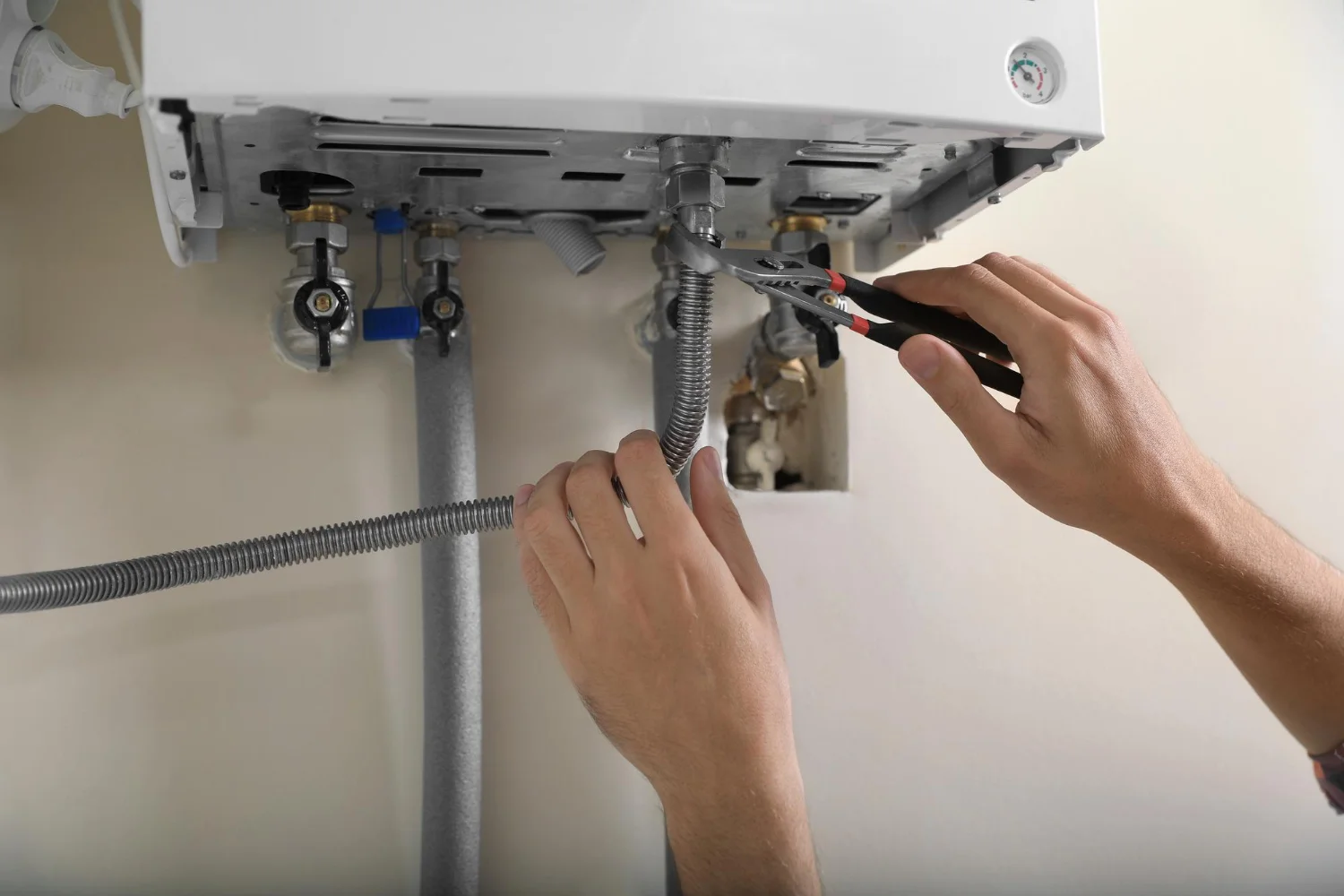
An energy-efficient boiler converts as much fuel as possible into usable heat for your home. The less heat that escapes unused, the more efficient the system.
Most modern boilers achieve high efficiency by:
- Reusing heat that would otherwise escape through the flue
- Adjusting output to match demand
- Maintaining consistent temperatures with minimal cycling
Efficiency is usually expressed as a percentage. Higher percentages indicate less wasted energy and more effective heating.
How do modern boilers achieve higher efficiency?
Modern boilers use condensing technology, which captures heat from exhaust gases and redirects it back into the system. Older boilers release this heat into the air, wasting energy.
Additional efficiency improvements come from:
- Advanced heat exchangers
- Improved combustion control
- Smarter temperature regulation
These features allow boilers to run steadily rather than switching on and off repeatedly, which is particularly important during cold weather.
Does boiler type affect energy efficiency?
Yes. Boiler type has a significant impact on performance.
|
Boiler Type |
Typical Efficiency |
Winter Suitability |
|
Old regular boiler |
60–70% |
High heat loss |
|
Older combi boiler |
75–85% |
Moderate efficiency |
|
Modern combi boiler |
90%+ |
Excellent efficiency |
For many properties, a new combi boiler Glasgow homeowners choose offers a strong balance of efficiency, space-saving design, and reliable hot water delivery.
What role do controls play in boiler efficiency?
Boiler controls are just as important as the boiler itself. Even the most efficient system can waste energy if poorly controlled.
Effective controls include:
- Programmable thermostats
- Room-by-room zoning
- Weather compensation sensors
These systems ensure your boiler only produces heat when and where it is needed, reducing unnecessary fuel use.
How can you tell if your boiler is no longer efficient?
Efficiency tends to decline gradually, making it easy to overlook. Common signs include:
- Rising energy bills without increased usage
- Uneven heating across rooms
- Boiler running for long periods
- Frequent need for repairs
If your boiler is more than 10 years old, it may struggle to match the efficiency of modern systems, even if it still works.
Is a new combi boiler always the best option?
A new combi boiler Glasgow households often install is ideal for many homes, especially where space is limited or hot water demand is moderate. Combi boilers heat water on demand, avoiding the energy loss associated with stored hot water.
However, suitability depends on:
- Property size
- Number of bathrooms
- Existing pipework
A professional assessment helps ensure the system fits your home rather than forcing a one-size-fits-all solution.
Why installation quality matters for efficiency
Even the most efficient boiler will underperform if installed incorrectly. Poor sizing, incorrect pipework, or inadequate controls can all reduce efficiency and shorten system lifespan.
Working with an experienced gas boiler installation company ensures:
- Correct boiler sizing
- Safe and compliant installation
- Optimal system configuration
This is why installation quality matters just as much as boiler specification when aiming for efficiency.
Can upgrading improve efficiency without replacing the boiler?
In some cases, yes. Improvements such as system flushing, control upgrades, and radiator balancing can restore lost efficiency.
However, these measures have limits. When core components are outdated, replacement becomes the more effective long-term solution.
A new combi boiler Glasgow homeowners upgrade to often delivers immediate efficiency gains compared to older systems.
Example: Efficiency improvement in a Glasgow flat
A two-bedroom flat in Glasgow was experiencing high heating bills despite moderate usage. The boiler was over a decade old and lacked modern controls.
After assessment, the homeowner opted for a modern combi boiler with upgraded thermostatic controls. The result was:
- Faster warm-up times
- More consistent heating
- Reduced energy waste
This demonstrated how efficiency improvements extend beyond the boiler alone.
Frequently Asked Questions
Understanding what makes a boiler energy efficient helps homeowners make informed decisions rather than relying on guesswork. Efficiency depends on boiler design, controls, installation quality, and how the system is used day to day.
When upgrading becomes the right choice, working with a trusted gas boiler installation company ensures your system delivers the efficiency and reliability modern homes need. Origin GPH focuses on practical guidance, professional installation, and solutions designed for long-term performance.