
What Makes a Glasgow Home Ready for a New Combi Boiler?
Choosing a new boiler is an important investment, but the success of the installation depends on more than selecting the right brand or output. Every property has its own heating requirements, layout and existing infrastructure, all of which need to be considered before work begins.

Why you can trust our content
We understand that the boiler industry can be confusing, with plenty of outdated or misleading information. That’s why we rely only on trusted, proven sources to guide our advice and installations:
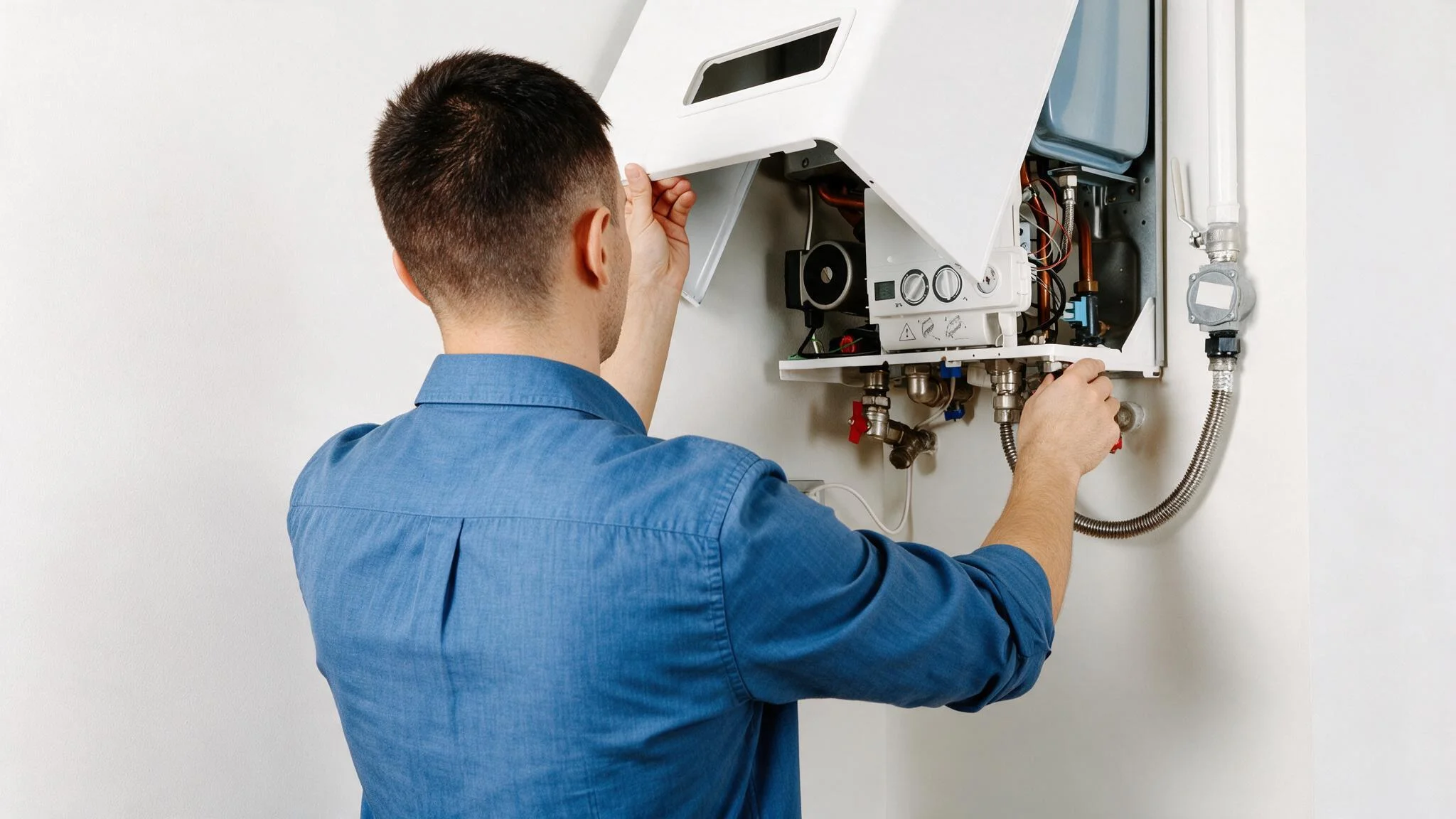
If you’re planning a new combi boiler Glasgow, understanding what engineers assess beforehand can help you prepare your home and avoid unnecessary surprises. A well-planned installation is more likely to deliver reliable heating, improved efficiency and long-term performance.
If you’re considering upgrading your heating system, contact the team at Origin GPH to arrange a professional home assessment and discuss the most suitable options for your property.
Why is preparation important before installing a combi boiler?
A combi boiler provides both heating and hot water directly from the mains supply, removing the need for separate hot water cylinders or cold water storage tanks in many homes.
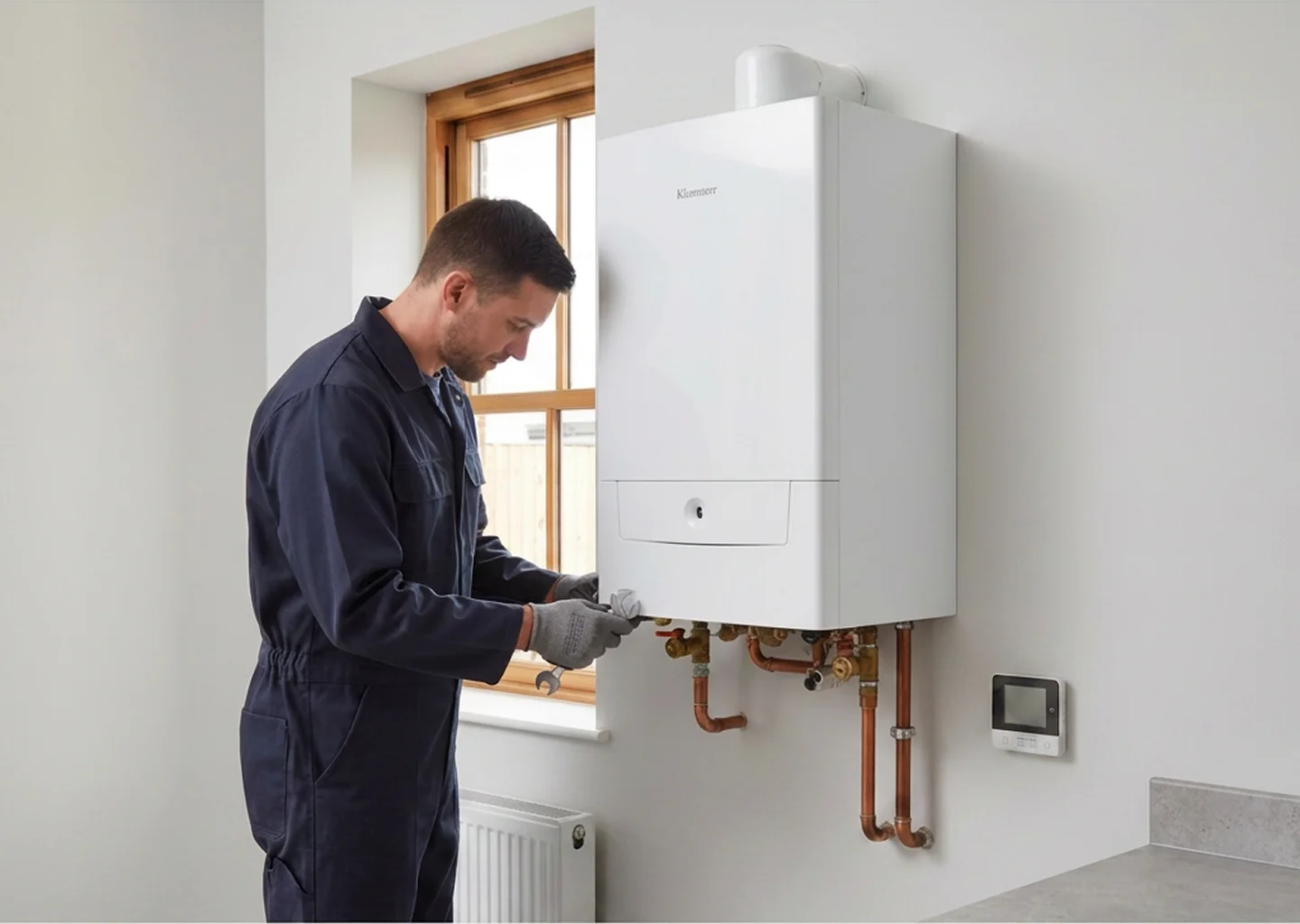
Before recommending a replacement, an engineer will assess whether your current heating system is suitable for this type of boiler. Proper preparation helps ensure:
- The boiler is correctly sized.
- Existing components are compatible.
- Water pressure is sufficient.
- Installation complies with current regulations.
- Future maintenance is straightforward.
Taking the time to assess these factors helps prevent unexpected issues once installation begins.
Is your current heating system suitable?
Not every existing heating system is configured in the same way. Some homes already have a combi boiler, while others use conventional or system boilers with separate tanks.
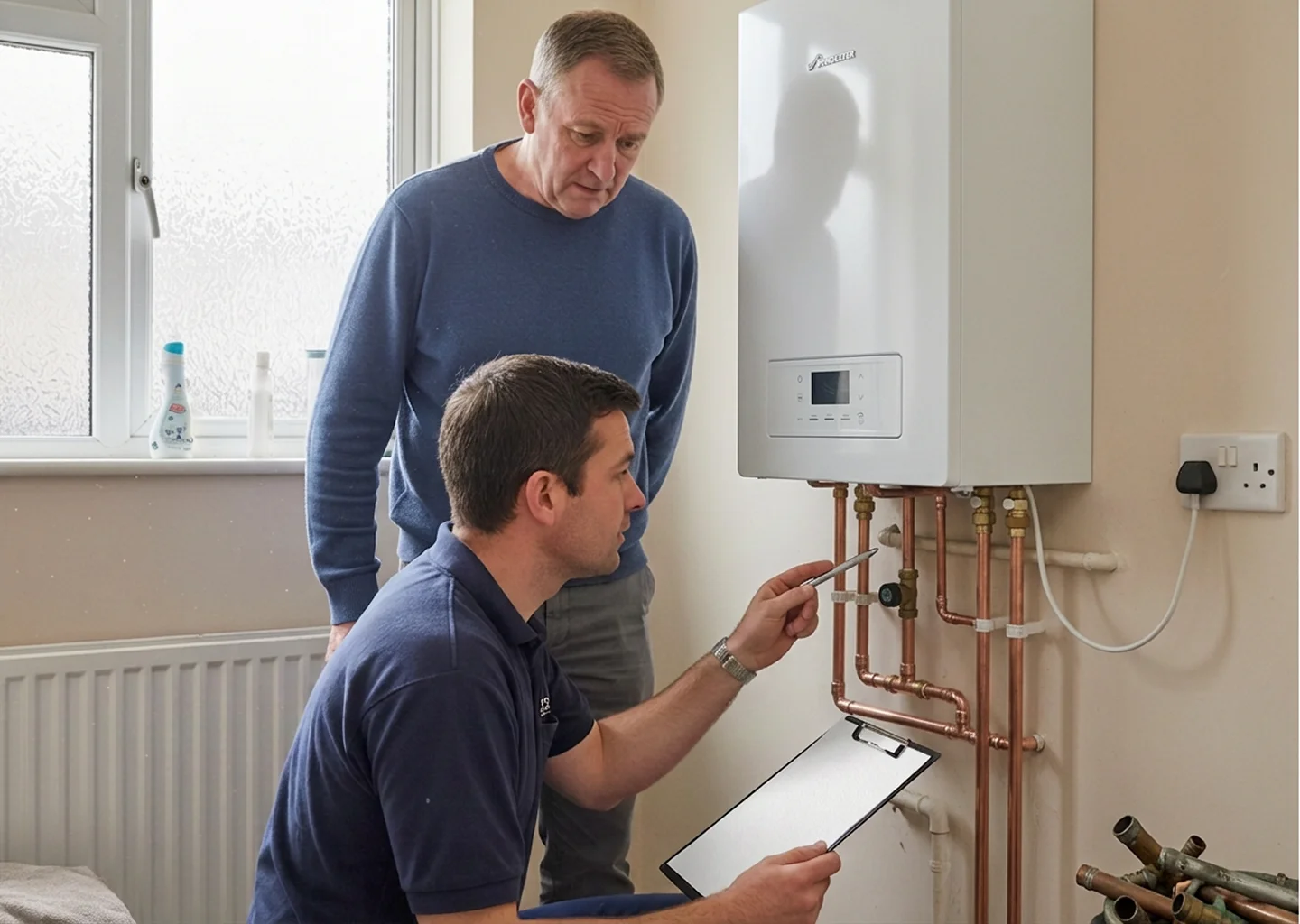
During the survey, the installer will typically inspect:
|
Heating System Check |
Why It Matters |
|
Existing boiler type |
Determines the level of work required |
|
Pipework condition |
Ensures reliable circulation |
|
Radiators |
Confirms compatibility with the new boiler |
|
Heating controls |
Identifies opportunities for efficiency improvements |
|
Gas supply |
Checks adequate capacity |
|
Electrical connections |
Verifies safe installation |
These inspections allow the installer to recommend any upgrades that may improve the overall performance of the heating system.
Which fuel powers your boiler?
It just takes 2 minutes
And then you can book a free consultation
Does your water pressure matter?
Yes. Because a combi boiler heats water directly from the mains, incoming water pressure plays an important role in its performance.
Low mains pressure may affect:
- Shower performance
- Hot water flow rates
- Simultaneous use of multiple taps
- Overall household convenience
During the survey, your installer may carry out basic pressure checks or recommend further investigation if water flow appears insufficient.
Fortunately, many homes already have suitable mains pressure for a combi boiler installation.
What about the location of the boiler?
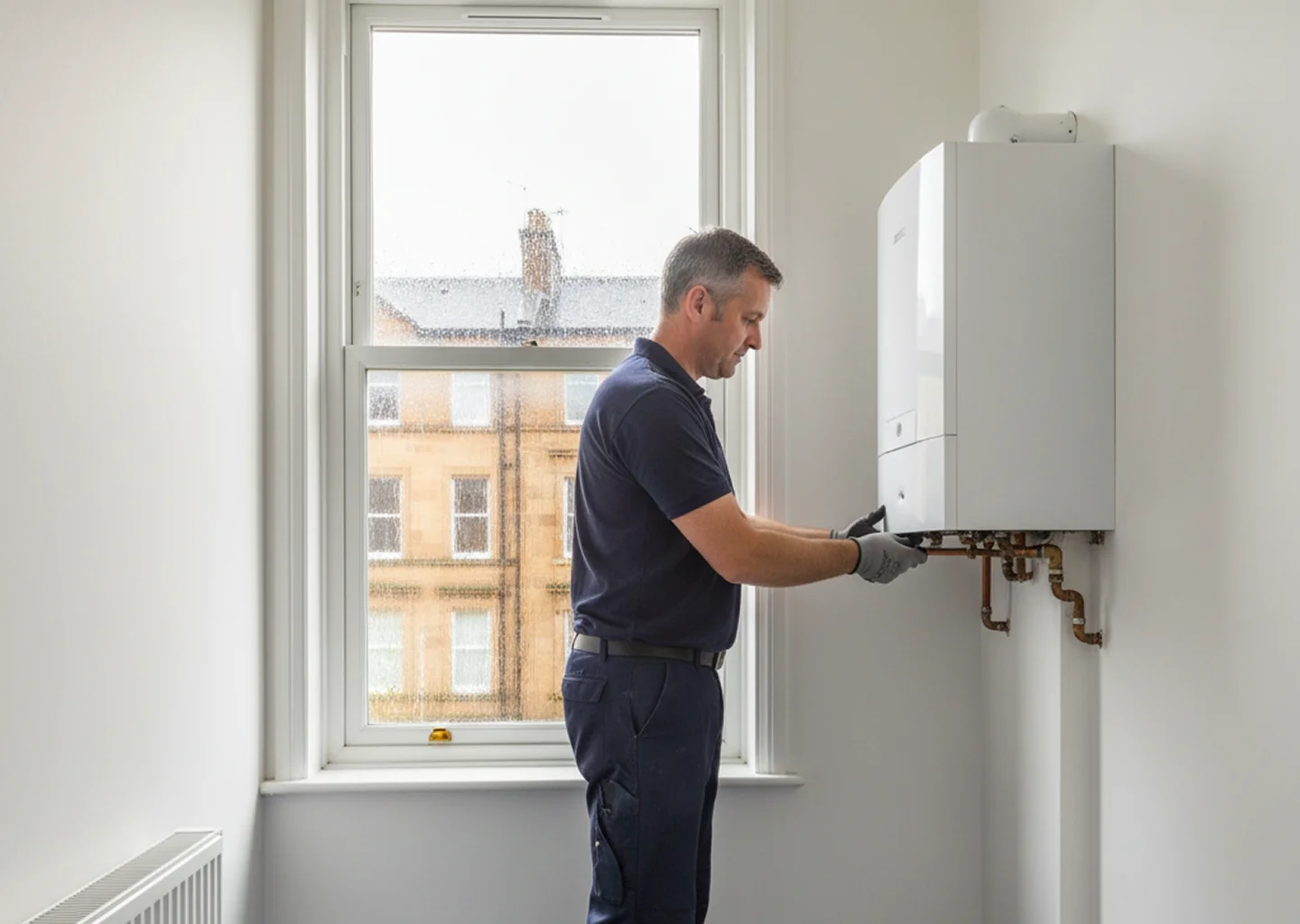
The existing boiler location isn’t always the best place for a replacement.
Engineers will consider:
- Safe flue positioning
- Accessibility for servicing
- Ventilation requirements
- Pipework routing
- Condensate drainage
- Available working space
Sometimes the existing location remains ideal. In other situations, relocating the boiler may improve future maintenance access or simplify the installation.
If you’re planning a combi boiler installation Glasgow, discussing location options during the survey helps ensure the installation is both practical and compliant.
Could older pipework affect the installation?
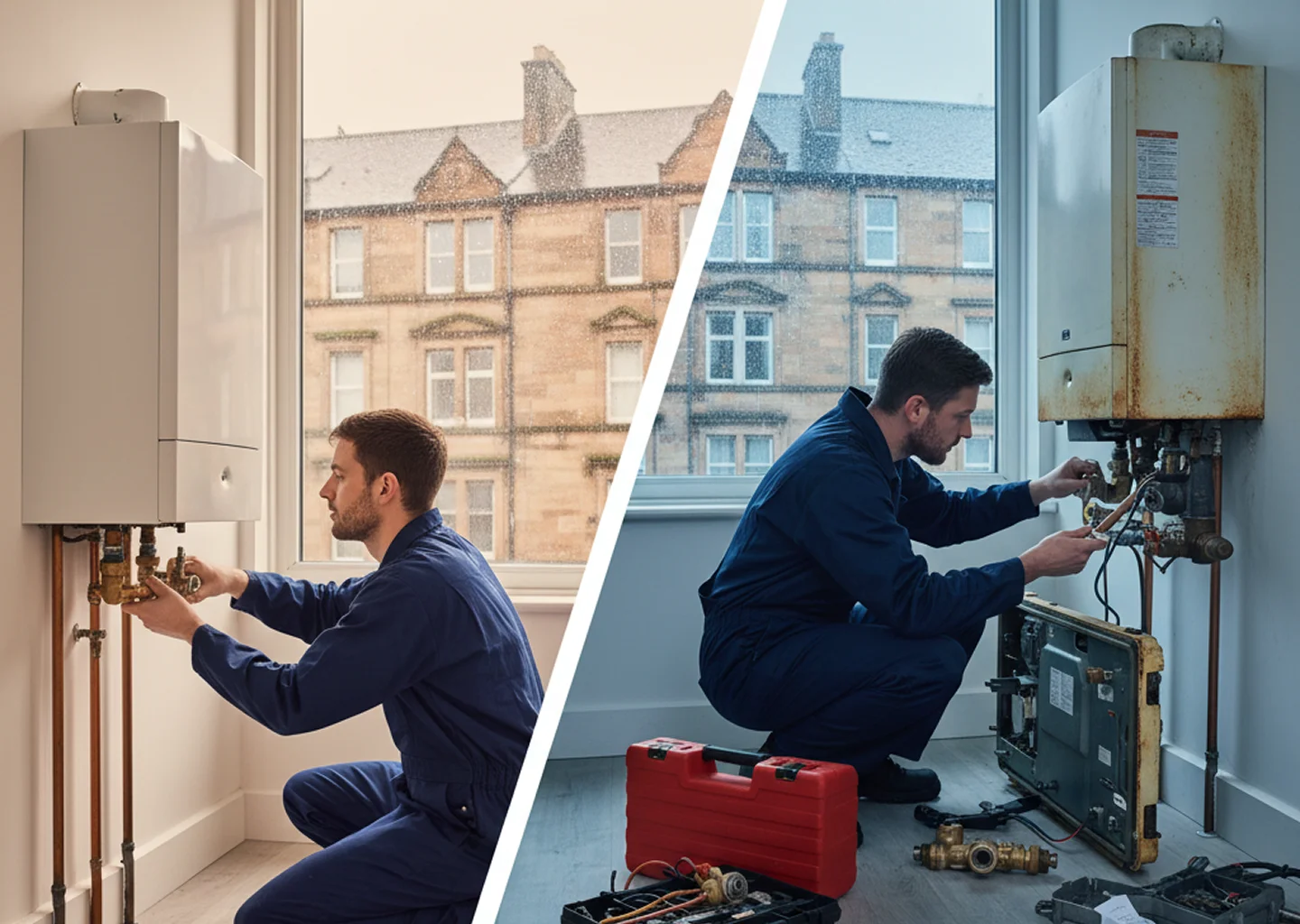
Older properties across Glasgow often contain heating systems that have been modified over many years.
During the inspection, an engineer may identify:
- Corroded heating pipes
- Older valves nearing the end of their lifespan
- Poor circulation
- Sludge within the system
- Inconsistent radiator performance
Addressing these issues before installing the new boiler helps protect your investment and supports efficient operation from day one.
Rather than viewing upgrades as additional work, they’re often an opportunity to improve the overall reliability of the heating system.
What questions should you ask before choosing a combi boiler?
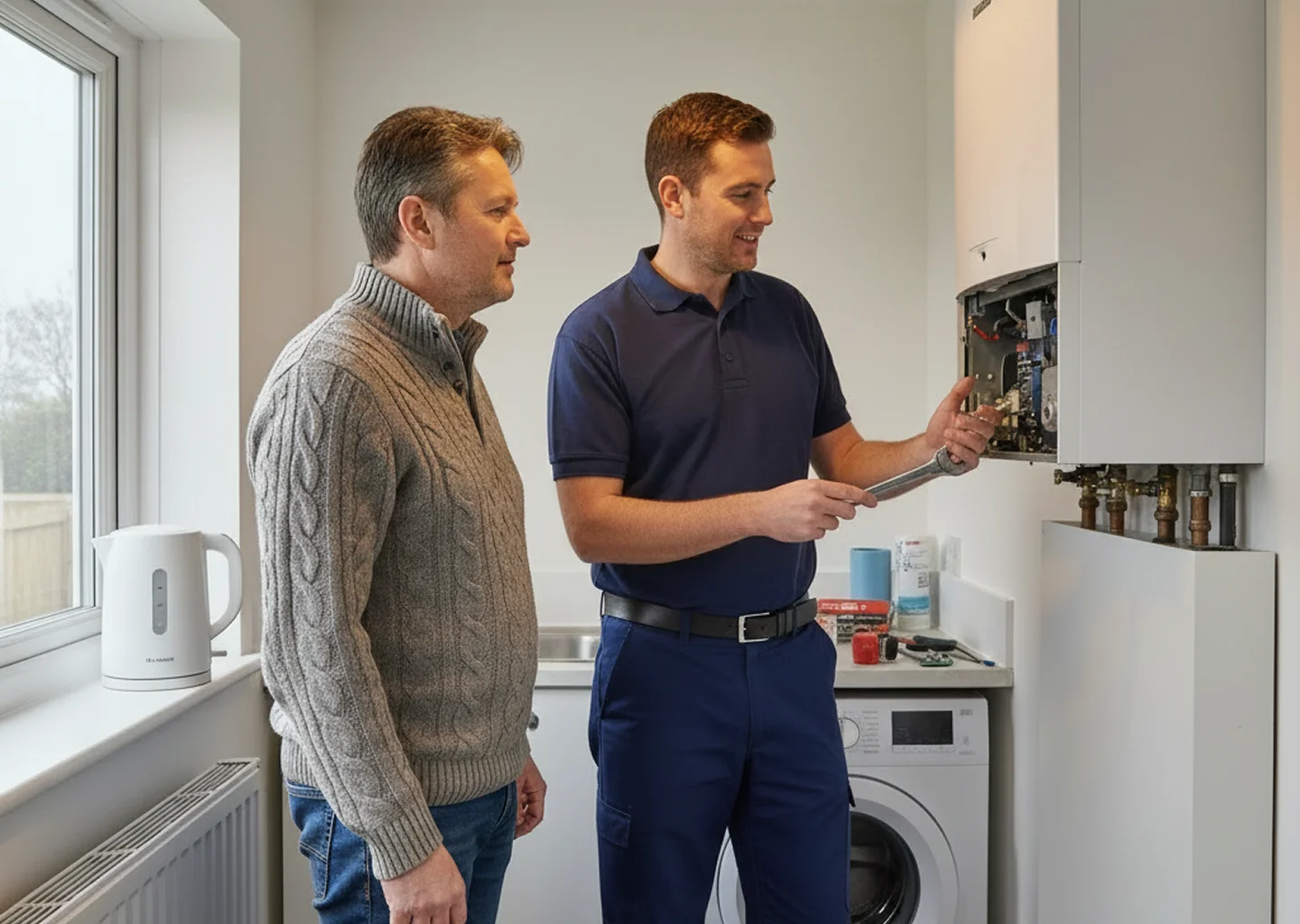
A home survey gives you the opportunity to understand the proposed installation in greater detail.
Useful questions include:
- Is this boiler the right size for my property?
- Will all my radiators work efficiently?
- Should the heating controls be upgraded?
- Is a system flush recommended?
- How long is the installation expected to take?
- What warranty is included?
- Will any additional work be required?
Clear explanations help you compare quotations and make an informed decision.
A typical example of installation planning
Imagine a homeowner living in a three-bedroom semi-detached property with an ageing conventional boiler and hot water cylinder.
During the survey, the installer identifies that the property has sufficient mains pressure to support a combi boiler. Some pipework improvements are recommended, along with modern programmable controls to improve efficiency.
Although the homeowner originally expected only a boiler replacement, the additional recommendations help create a heating system that better suits modern household demands while reducing unnecessary complexity.
This type of careful planning is one reason many homeowners choose a professional assessment before committing to a new combi boiler Glasgow.
How can you prepare before installation day?
Once your installation date is confirmed, a few simple steps can help everything run more smoothly.
You can prepare by:
- Clearing access to the boiler location
- Emptying nearby cupboards if necessary
- Ensuring radiators are accessible
- Securing pets during the visit
- Informing the installer about parking restrictions
- Making someone available to discuss any final questions
These small preparations can reduce disruption and help engineers complete the work efficiently.
What are the signs your home is ready?
In many cases, your property is already well suited to a combi boiler if:
- The existing heating system is in reasonable condition.
- Water pressure is adequate.
- Pipework remains structurally sound.
- There is a suitable flue location.
- Heating requirements have been properly assessed.
If you’re arranging combi boiler installation Glasgow, a professional survey confirms these points before installation begins, giving you greater confidence in the project.
Frequently Asked Questions
If you’re considering a heating upgrade, book a home survey with Origin GPH. Our experienced team can assess your property, explain your options and help you choose the right solution with confidence.
Preparing your home properly is one of the most important steps before replacing your boiler. From assessing water pressure and pipework to reviewing controls and installation space, every detail contributes to a reliable and efficient heating system.
A professional survey ensures that recommendations are based on your property’s individual needs rather than assumptions. With careful planning and expert advice, Origin GPH helps homeowners make informed decisions and enjoy a smooth, well-organised installation from start to finish.
Related articles
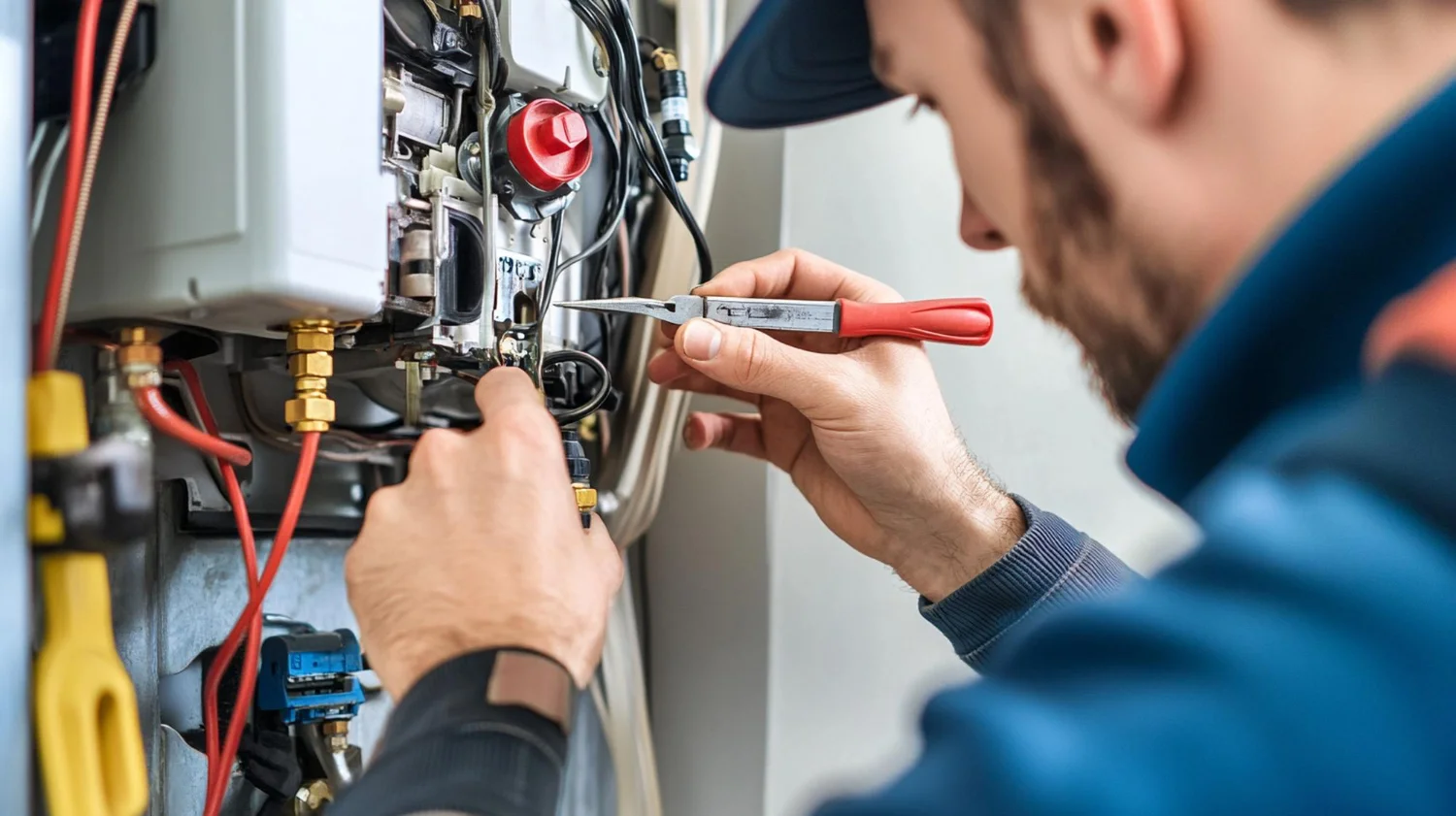
Which fuel powers your boiler?
At a glance
If you’re planning a new combi boiler Glasgow, understanding what engineers assess beforehand can help you prepare your home and avoid unnecessary surprises. A well-planned installation is more likely to deliver reliable heating, improved efficiency and long-term performance.
If you’re considering upgrading your heating system, contact the team at Origin GPH to arrange a professional home assessment and discuss the most suitable options for your property.
Why is preparation important before installing a combi boiler?
A combi boiler provides both heating and hot water directly from the mains supply, removing the need for separate hot water cylinders or cold water storage tanks in many homes.
Before recommending a replacement, an engineer will assess whether your current heating system is suitable for this type of boiler. Proper preparation helps ensure:
- The boiler is correctly sized.
- Existing components are compatible.
- Water pressure is sufficient.
- Installation complies with current regulations.
- Future maintenance is straightforward.
Taking the time to assess these factors helps prevent unexpected issues once installation begins.
Is your current heating system suitable?
Not every existing heating system is configured in the same way. Some homes already have a combi boiler, while others use conventional or system boilers with separate tanks.
During the survey, the installer will typically inspect:
|
Heating System Check |
Why It Matters |
|
Existing boiler type |
Determines the level of work required |
|
Pipework condition |
Ensures reliable circulation |
|
Radiators |
Confirms compatibility with the new boiler |
|
Heating controls |
Identifies opportunities for efficiency improvements |
|
Gas supply |
Checks adequate capacity |
|
Electrical connections |
Verifies safe installation |
These inspections allow the installer to recommend any upgrades that may improve the overall performance of the heating system.
Which fuel powers your boiler?
It just takes 2 minutes
And then you can book a free consultation
Does your water pressure matter?
Yes. Because a combi boiler heats water directly from the mains, incoming water pressure plays an important role in its performance.
Low mains pressure may affect:
- Shower performance
- Hot water flow rates
- Simultaneous use of multiple taps
- Overall household convenience
During the survey, your installer may carry out basic pressure checks or recommend further investigation if water flow appears insufficient.
Fortunately, many homes already have suitable mains pressure for a combi boiler installation.
What about the location of the boiler?
The existing boiler location isn’t always the best place for a replacement.
Engineers will consider:
- Safe flue positioning
- Accessibility for servicing
- Ventilation requirements
- Pipework routing
- Condensate drainage
- Available working space
Sometimes the existing location remains ideal. In other situations, relocating the boiler may improve future maintenance access or simplify the installation.
If you’re planning a combi boiler installation Glasgow, discussing location options during the survey helps ensure the installation is both practical and compliant.
Could older pipework affect the installation?
Older properties across Glasgow often contain heating systems that have been modified over many years.
During the inspection, an engineer may identify:
- Corroded heating pipes
- Older valves nearing the end of their lifespan
- Poor circulation
- Sludge within the system
- Inconsistent radiator performance
Addressing these issues before installing the new boiler helps protect your investment and supports efficient operation from day one.
Rather than viewing upgrades as additional work, they’re often an opportunity to improve the overall reliability of the heating system.
What questions should you ask before choosing a combi boiler?
A home survey gives you the opportunity to understand the proposed installation in greater detail.
Useful questions include:
- Is this boiler the right size for my property?
- Will all my radiators work efficiently?
- Should the heating controls be upgraded?
- Is a system flush recommended?
- How long is the installation expected to take?
- What warranty is included?
- Will any additional work be required?
Clear explanations help you compare quotations and make an informed decision.
A typical example of installation planning
Imagine a homeowner living in a three-bedroom semi-detached property with an ageing conventional boiler and hot water cylinder.
During the survey, the installer identifies that the property has sufficient mains pressure to support a combi boiler. Some pipework improvements are recommended, along with modern programmable controls to improve efficiency.
Although the homeowner originally expected only a boiler replacement, the additional recommendations help create a heating system that better suits modern household demands while reducing unnecessary complexity.
This type of careful planning is one reason many homeowners choose a professional assessment before committing to a new combi boiler Glasgow.
How can you prepare before installation day?
Once your installation date is confirmed, a few simple steps can help everything run more smoothly.
You can prepare by:
- Clearing access to the boiler location
- Emptying nearby cupboards if necessary
- Ensuring radiators are accessible
- Securing pets during the visit
- Informing the installer about parking restrictions
- Making someone available to discuss any final questions
These small preparations can reduce disruption and help engineers complete the work efficiently.
What are the signs your home is ready?
In many cases, your property is already well suited to a combi boiler if:
- The existing heating system is in reasonable condition.
- Water pressure is adequate.
- Pipework remains structurally sound.
- There is a suitable flue location.
- Heating requirements have been properly assessed.
If you’re arranging combi boiler installation Glasgow, a professional survey confirms these points before installation begins, giving you greater confidence in the project.
Frequently Asked Questions
If you’re considering a heating upgrade, book a home survey with Origin GPH. Our experienced team can assess your property, explain your options and help you choose the right solution with confidence.
Preparing your home properly is one of the most important steps before replacing your boiler. From assessing water pressure and pipework to reviewing controls and installation space, every detail contributes to a reliable and efficient heating system.
A professional survey ensures that recommendations are based on your property’s individual needs rather than assumptions. With careful planning and expert advice, Origin GPH helps homeowners make informed decisions and enjoy a smooth, well-organised installation from start to finish.