
Boiler Prices and Installation: What Professional Handover Should Include
Comparing boiler prices and installation quotes is often treated as the final step before choosing an installer. In reality, the work should not be considered complete simply because the new boiler has been fitted and the heating comes on.

Why you can trust our content
We understand that the boiler industry can be confusing, with plenty of outdated or misleading information. That’s why we rely only on trusted, proven sources to guide our advice and installations:
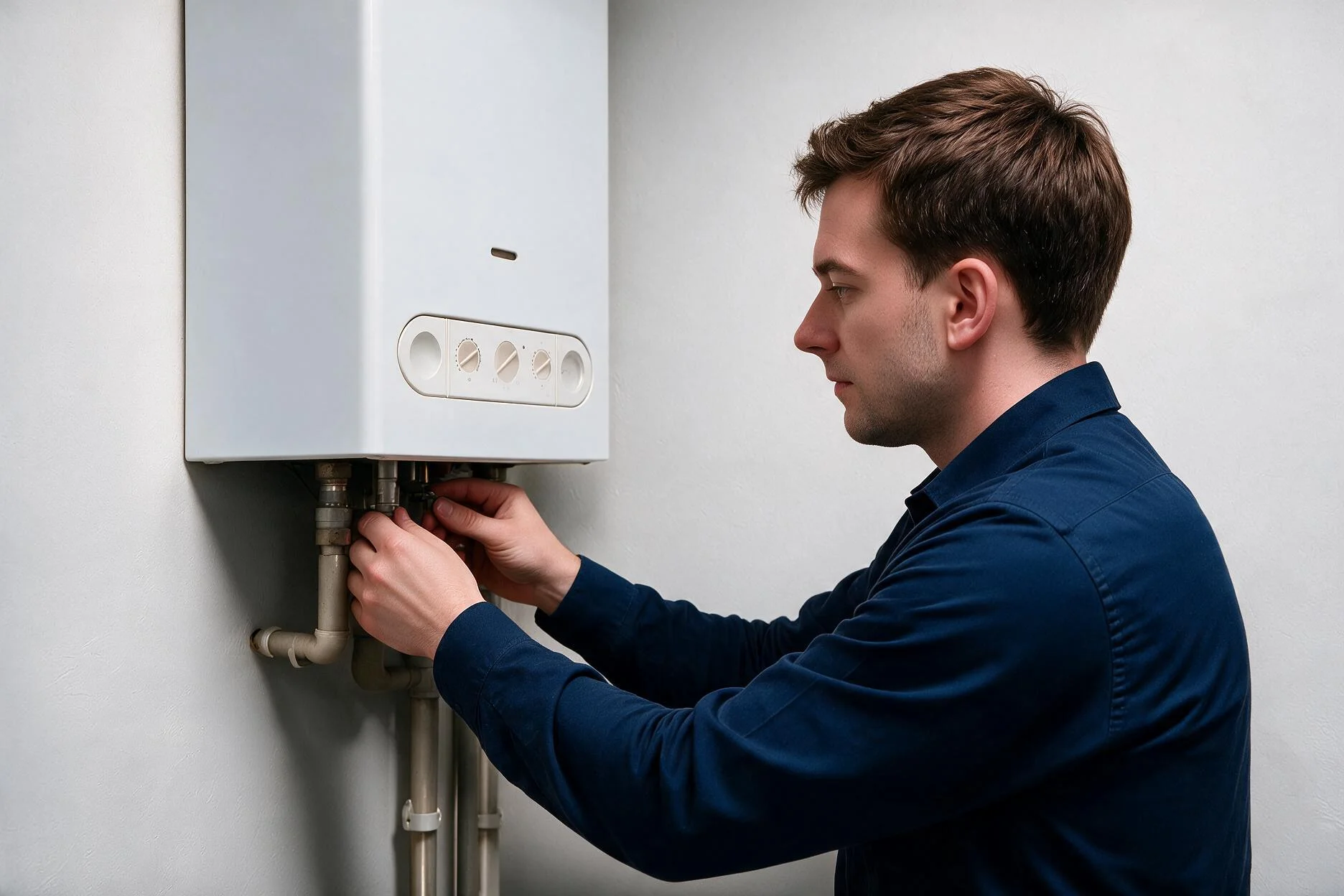
A proper handover is an important part of the installation. It gives the homeowner confirmation that the system has been commissioned, explains how the controls work and ensures that important documents and warranty information are available.
When assessing boiler prices and installation, it is therefore worth considering what happens after the physical fitting. A thorough handover can make the difference between simply having a new appliance and confidently understanding how the complete heating system should be used.
If you are comparing replacement boiler options and want to know what should be included beyond the installation itself, contact Origin GPH for practical advice and a tailored quotation.
What should a professional boiler handover include?
A professional handover should give you the information needed to operate and look after your new heating system.
At a minimum, the installer should explain the basic operation of the boiler and controls and provide the relevant documentation.
The handover may cover:
- Boiler controls and operating modes
- Thermostat settings
- Heating schedules
- Hot water controls where applicable
- Normal system pressure
- Basic fault information
- Warranty details
- Commissioning records
- Manufacturer’s instructions
- Servicing recommendations
- Contact details for future support
The exact information will depend on the appliance and system installed, but the principle remains the same: the homeowner should not be left guessing how the new heating system works.
Why does commissioning matter before handover?
Commissioning provides an important bridge between installation and everyday use.
The installer should follow the boiler manufacturer’s commissioning requirements and check that the appliance and system are operating correctly.
This can involve testing the boiler, heating circuit, controls, hot water operation and relevant safety functions. The precise checks depend on the model and installation.
Benchmark’s guidance emphasises the importance of proper installation and commissioning, together with providing homeowners with information about operating the appliance.
A handover should therefore take place after the necessary commissioning checks have been completed, not instead of them.
Which fuel powers your boiler?
It just takes 2 minutes
And then you can book a free consultation
What should you be shown about the controls?
Modern heating systems can include a range of controls, from straightforward programmable thermostats to smart systems that can be managed remotely.
The installer should explain the controls supplied with your boiler and show you the basic functions.
You should know how to:
- Turn the heating on and off.
- Adjust the target temperature.
- Set or change heating schedules.
- Adjust hot water settings where applicable.
- Understand any relevant symbols or modes.
- Identify when the system is operating normally.
There is little benefit in having advanced controls if the homeowner does not know how to use them.
A good handover should be practical rather than rushed. You should have an opportunity to ask questions and clarify anything that is unfamiliar.
What paperwork should you receive?
Documentation is an important part of the completed installation.
The exact paperwork varies depending on the boiler, installer and circumstances, but homeowners should expect relevant manufacturer and installation information.
This can include:
|
Document or information |
Purpose |
|
Boiler manual |
Explains appliance operation |
|
Commissioning information |
Records relevant installation checks |
|
Warranty details |
Explains manufacturer coverage |
|
Installation records |
Provides a record of completed work |
|
Control instructions |
Explains thermostat or programmer operation |
|
Servicing guidance |
Helps plan future maintenance |
|
Compliance information |
Provides relevant evidence for the installation |
Keep these records somewhere secure. They may be useful if you need warranty support, arrange future servicing or sell the property.
What should you know about the boiler warranty?
A warranty can provide valuable protection, but homeowners should understand its conditions rather than simply assume every future problem is covered.
The manufacturer’s warranty may have specific requirements relating to installation, registration and servicing.
Ask the installer:
- How is the warranty registered?
- What period of cover applies?
- What components are covered?
- Are there servicing requirements?
- Who should be contacted if a fault occurs?
- Is there separate workmanship coverage?
The answers should ideally be provided clearly before the installation is considered complete.
Does handover include advice about servicing?
Yes, servicing should form part of the conversation.
A new boiler still needs appropriate maintenance over its working life. The manufacturer may specify servicing requirements, and homeowners should understand when the first service is recommended.
If the boiler is located in a rental property, landlords have separate legal responsibilities regarding gas safety and appliance checks. The relevant requirements should be followed by the property owner or landlord.
For homeowners, keeping a record of servicing can also make future fault diagnosis easier.
Origin GPH can help homeowners understand the practical requirements of their heating system after installation, including controls, maintenance and servicing. Speak to our team if you want advice specific to your new boiler.
Why should the installer explain system pressure?
Many modern heating systems have a pressure gauge or display, and homeowners may need to understand what normal pressure looks like.
The exact range varies between systems, so the installer should explain what is appropriate for your particular boiler.
You should also know what to do if the pressure changes significantly or the boiler displays a warning.
This does not mean homeowners should carry out technical repairs themselves. The purpose of the handover is to help you recognise normal operation and know when professional assistance is appropriate.
What does a good handover say about installation quality?
The handover can reveal how thoroughly the installation has been completed.
An installer who has carefully commissioned the system should be able to explain what has been installed and demonstrate its basic operation.
By contrast, a rushed handover with little explanation may leave important questions unanswered.
This does not mean a long conversation automatically proves excellent workmanship. However, clear communication, complete documentation and a willingness to explain the system are all useful indicators of a professional approach.
What should you ask before the installer leaves?
It is worth preparing a few simple questions in advance.
Ask:
- Has the boiler been fully commissioned?
- Has the warranty been registered?
- Where are the installation records?
- When should the boiler next be serviced?
- What is the normal system pressure?
- How do the controls work?
- What should I do if a fault code appears?
- Who should I contact for future assistance?
These questions take only a few minutes but can prevent confusion later.
How can you assess installation companies?
When comparing boiler installation companies, consider what happens before, during and after the physical installation.
A professional installer should provide clear information about the proposed boiler, explain the installation requirements and complete the necessary commissioning and handover process.
Look for an installer who:
- Provides a detailed quotation.
- Explains the recommended boiler.
- Discusses controls.
- Completes appropriate commissioning.
- Provides relevant paperwork.
- Explains warranty arrangements.
- Answers questions clearly.
- Offers appropriate aftercare.
This gives you a broader picture than price alone.
A typical Glasgow handover
Imagine a homeowner has just had a combi boiler installed in a Glasgow property.
The engineer completes the installation and commissioning checks before sitting down with the homeowner to explain the thermostat and heating schedule. They demonstrate how to adjust the temperature, explain the normal pressure range and show where the boiler documentation is kept.
The homeowner also receives information about the warranty and future servicing.
Nothing about the handover is particularly complicated, but it removes uncertainty. The homeowner knows what normal operation should look like and where to find information if a question arises later.
Frequently Asked Questions
The quality of a boiler installation should not be judged solely by how neatly the appliance looks on the wall. Commissioning, documentation, controls and homeowner guidance are all important parts of completing the work properly.
When comparing boiler prices and installation, ask what happens at handover and what support is provided afterwards. A clear process gives you confidence that the installation has been completed carefully and that you know how to operate your new system.
Origin GPH takes a practical approach to boiler installation, with attention to the details that matter throughout the process, from initial planning through to final handover.
If you are considering a new boiler, contact Origin GPH to discuss your heating requirements or request a bespoke quotation.
Related articles
Which fuel powers your boiler?
At a glance
A proper handover is an important part of the installation. It gives the homeowner confirmation that the system has been commissioned, explains how the controls work and ensures that important documents and warranty information are available.
When assessing boiler prices and installation, it is therefore worth considering what happens after the physical fitting. A thorough handover can make the difference between simply having a new appliance and confidently understanding how the complete heating system should be used.
If you are comparing replacement boiler options and want to know what should be included beyond the installation itself, contact Origin GPH for practical advice and a tailored quotation.
What should a professional boiler handover include?
A professional handover should give you the information needed to operate and look after your new heating system.
At a minimum, the installer should explain the basic operation of the boiler and controls and provide the relevant documentation.
The handover may cover:
- Boiler controls and operating modes
- Thermostat settings
- Heating schedules
- Hot water controls where applicable
- Normal system pressure
- Basic fault information
- Warranty details
- Commissioning records
- Manufacturer’s instructions
- Servicing recommendations
- Contact details for future support
The exact information will depend on the appliance and system installed, but the principle remains the same: the homeowner should not be left guessing how the new heating system works.
Why does commissioning matter before handover?
Commissioning provides an important bridge between installation and everyday use.
The installer should follow the boiler manufacturer’s commissioning requirements and check that the appliance and system are operating correctly.
This can involve testing the boiler, heating circuit, controls, hot water operation and relevant safety functions. The precise checks depend on the model and installation.
Benchmark’s guidance emphasises the importance of proper installation and commissioning, together with providing homeowners with information about operating the appliance.
A handover should therefore take place after the necessary commissioning checks have been completed, not instead of them.
Which fuel powers your boiler?
It just takes 2 minutes
And then you can book a free consultation
What should you be shown about the controls?
Modern heating systems can include a range of controls, from straightforward programmable thermostats to smart systems that can be managed remotely.
The installer should explain the controls supplied with your boiler and show you the basic functions.
You should know how to:
- Turn the heating on and off.
- Adjust the target temperature.
- Set or change heating schedules.
- Adjust hot water settings where applicable.
- Understand any relevant symbols or modes.
- Identify when the system is operating normally.
There is little benefit in having advanced controls if the homeowner does not know how to use them.
A good handover should be practical rather than rushed. You should have an opportunity to ask questions and clarify anything that is unfamiliar.
What paperwork should you receive?
Documentation is an important part of the completed installation.
The exact paperwork varies depending on the boiler, installer and circumstances, but homeowners should expect relevant manufacturer and installation information.
This can include:
|
Document or information |
Purpose |
|
Boiler manual |
Explains appliance operation |
|
Commissioning information |
Records relevant installation checks |
|
Warranty details |
Explains manufacturer coverage |
|
Installation records |
Provides a record of completed work |
|
Control instructions |
Explains thermostat or programmer operation |
|
Servicing guidance |
Helps plan future maintenance |
|
Compliance information |
Provides relevant evidence for the installation |
Keep these records somewhere secure. They may be useful if you need warranty support, arrange future servicing or sell the property.
What should you know about the boiler warranty?
A warranty can provide valuable protection, but homeowners should understand its conditions rather than simply assume every future problem is covered.
The manufacturer’s warranty may have specific requirements relating to installation, registration and servicing.
Ask the installer:
- How is the warranty registered?
- What period of cover applies?
- What components are covered?
- Are there servicing requirements?
- Who should be contacted if a fault occurs?
- Is there separate workmanship coverage?
The answers should ideally be provided clearly before the installation is considered complete.
Does handover include advice about servicing?
Yes, servicing should form part of the conversation.
A new boiler still needs appropriate maintenance over its working life. The manufacturer may specify servicing requirements, and homeowners should understand when the first service is recommended.
If the boiler is located in a rental property, landlords have separate legal responsibilities regarding gas safety and appliance checks. The relevant requirements should be followed by the property owner or landlord.
For homeowners, keeping a record of servicing can also make future fault diagnosis easier.
Origin GPH can help homeowners understand the practical requirements of their heating system after installation, including controls, maintenance and servicing. Speak to our team if you want advice specific to your new boiler.
Why should the installer explain system pressure?
Many modern heating systems have a pressure gauge or display, and homeowners may need to understand what normal pressure looks like.
The exact range varies between systems, so the installer should explain what is appropriate for your particular boiler.
You should also know what to do if the pressure changes significantly or the boiler displays a warning.
This does not mean homeowners should carry out technical repairs themselves. The purpose of the handover is to help you recognise normal operation and know when professional assistance is appropriate.
What does a good handover say about installation quality?
The handover can reveal how thoroughly the installation has been completed.
An installer who has carefully commissioned the system should be able to explain what has been installed and demonstrate its basic operation.
By contrast, a rushed handover with little explanation may leave important questions unanswered.
This does not mean a long conversation automatically proves excellent workmanship. However, clear communication, complete documentation and a willingness to explain the system are all useful indicators of a professional approach.
What should you ask before the installer leaves?
It is worth preparing a few simple questions in advance.
Ask:
- Has the boiler been fully commissioned?
- Has the warranty been registered?
- Where are the installation records?
- When should the boiler next be serviced?
- What is the normal system pressure?
- How do the controls work?
- What should I do if a fault code appears?
- Who should I contact for future assistance?
These questions take only a few minutes but can prevent confusion later.
How can you assess installation companies?
When comparing boiler installation companies, consider what happens before, during and after the physical installation.
A professional installer should provide clear information about the proposed boiler, explain the installation requirements and complete the necessary commissioning and handover process.
Look for an installer who:
- Provides a detailed quotation.
- Explains the recommended boiler.
- Discusses controls.
- Completes appropriate commissioning.
- Provides relevant paperwork.
- Explains warranty arrangements.
- Answers questions clearly.
- Offers appropriate aftercare.
This gives you a broader picture than price alone.
A typical Glasgow handover
Imagine a homeowner has just had a combi boiler installed in a Glasgow property.
The engineer completes the installation and commissioning checks before sitting down with the homeowner to explain the thermostat and heating schedule. They demonstrate how to adjust the temperature, explain the normal pressure range and show where the boiler documentation is kept.
The homeowner also receives information about the warranty and future servicing.
Nothing about the handover is particularly complicated, but it removes uncertainty. The homeowner knows what normal operation should look like and where to find information if a question arises later.
Frequently Asked Questions
The quality of a boiler installation should not be judged solely by how neatly the appliance looks on the wall. Commissioning, documentation, controls and homeowner guidance are all important parts of completing the work properly.
When comparing boiler prices and installation, ask what happens at handover and what support is provided afterwards. A clear process gives you confidence that the installation has been completed carefully and that you know how to operate your new system.
Origin GPH takes a practical approach to boiler installation, with attention to the details that matter throughout the process, from initial planning through to final handover.
If you are considering a new boiler, contact Origin GPH to discuss your heating requirements or request a bespoke quotation.