Gas Boiler Installation Glasgow: Choosing a Safe Long-Term Heating Upgrade
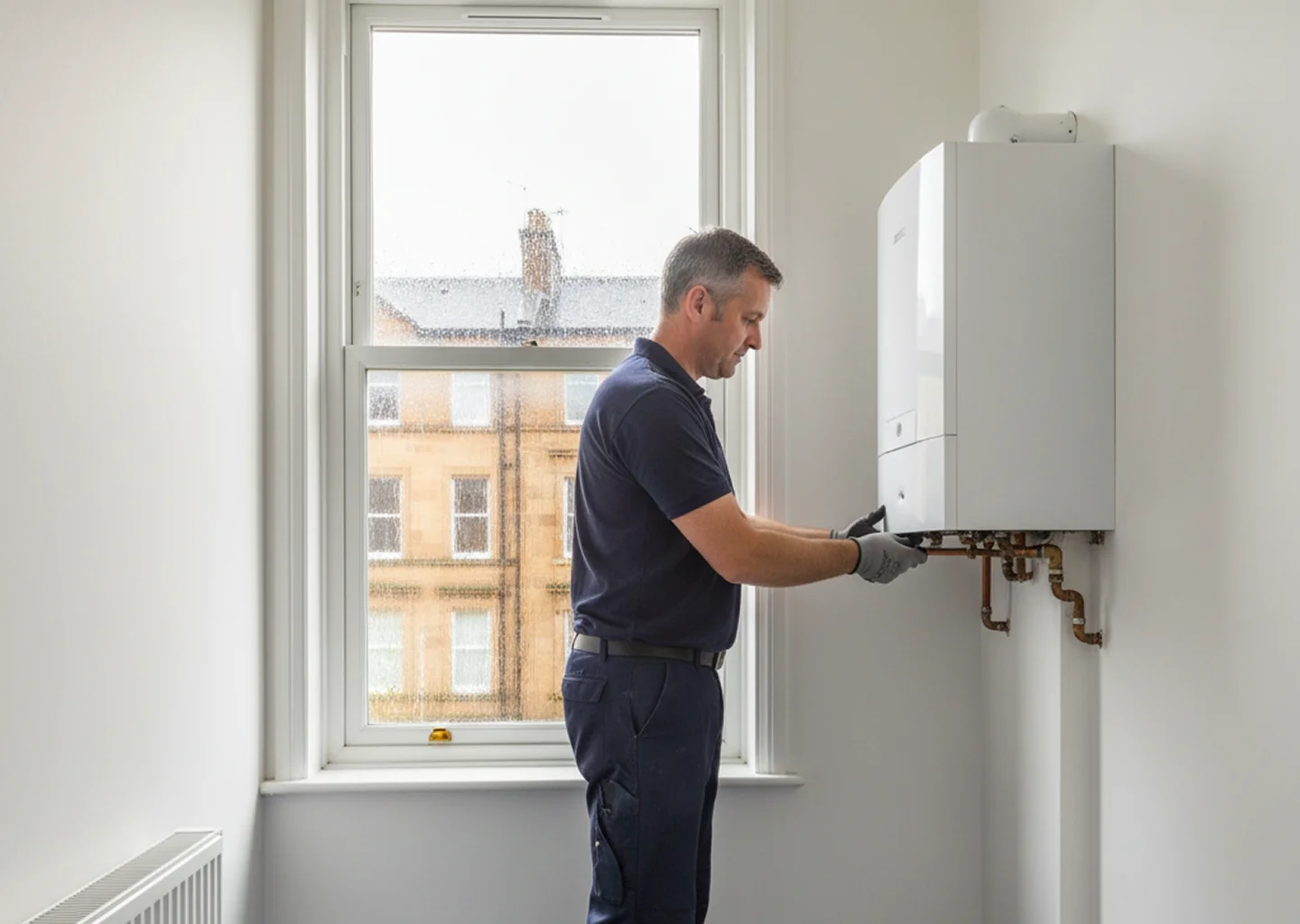
Replacing a gas boiler is more than swapping one appliance for another. The new system needs to be correctly specified, safely installed and suitable for the property’s heating and hot water requirements.

Why you can trust our content
We understand that the boiler industry can be confusing, with plenty of outdated or misleading information. That’s why we rely only on trusted, proven sources to guide our advice and installations:
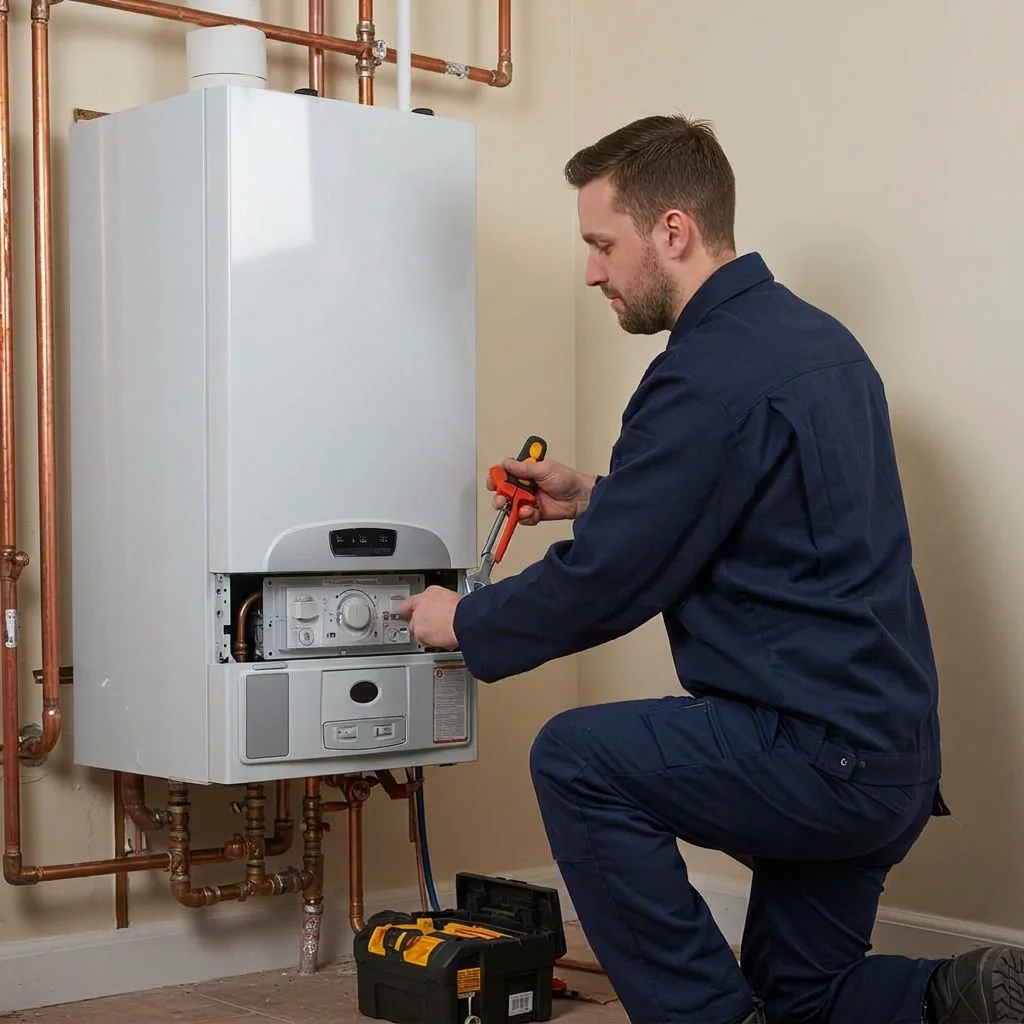
For homeowners, the challenge is often knowing what to consider before committing to an installation. Boiler output, location, flue arrangements, pipework and controls can all affect the final result, while the condition of the wider heating system can influence how well the new boiler performs.
Planning these details in advance can help you make a more informed decision and avoid treating the boiler itself as the only part of the project.
If your existing boiler is ageing or becoming unreliable, Origin GPH can assess the current system and provide practical guidance on suitable replacement options.
What Should You Check Before Installing a New Gas Boiler?
The first step should be an assessment of the property and existing heating system.
A qualified installer should consider:
- Property size and layout
- Number of occupants
- Heating requirements
- Hot water demand
- Existing boiler type
- Boiler location
- Gas supply
- Flue arrangements
- Pipework
- Heating controls
- Condensate drainage
These factors help determine what type and specification of boiler is appropriate.
A boiler should not simply be selected because it has a high output or because it is similar to the appliance being replaced. Correct sizing and system compatibility are essential for reliable operation.
Which fuel powers your boiler?
It just takes 2 minutes
And then you can book a free consultation
Why Does Professional Installation Matter?
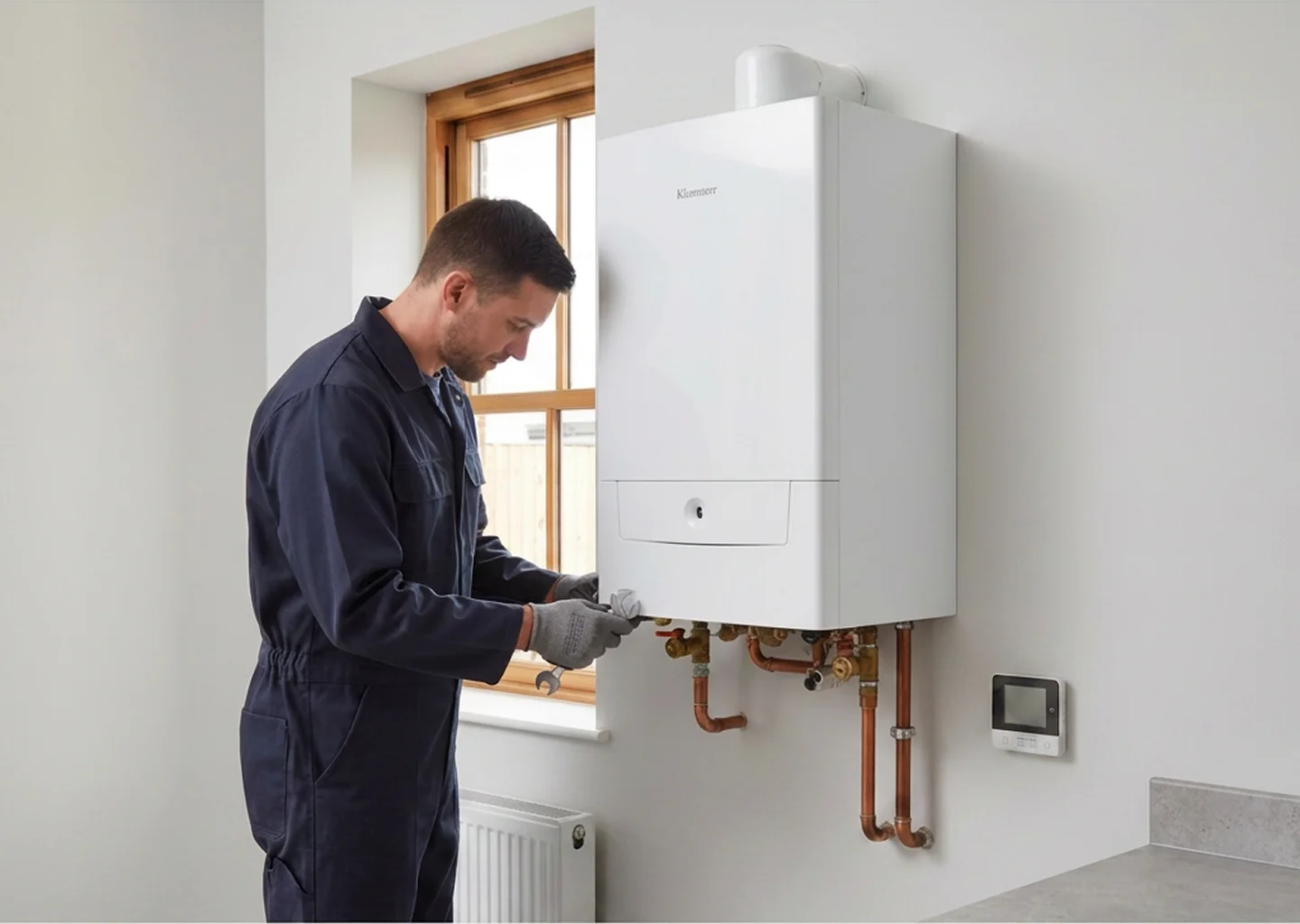
Gas appliances must be installed and checked in accordance with applicable safety requirements. Installation work should therefore be carried out by an appropriately qualified professional.
A professional installation involves more than connecting the boiler. The installer needs to ensure the appliance, flue, gas supply, controls and associated components are correctly configured.
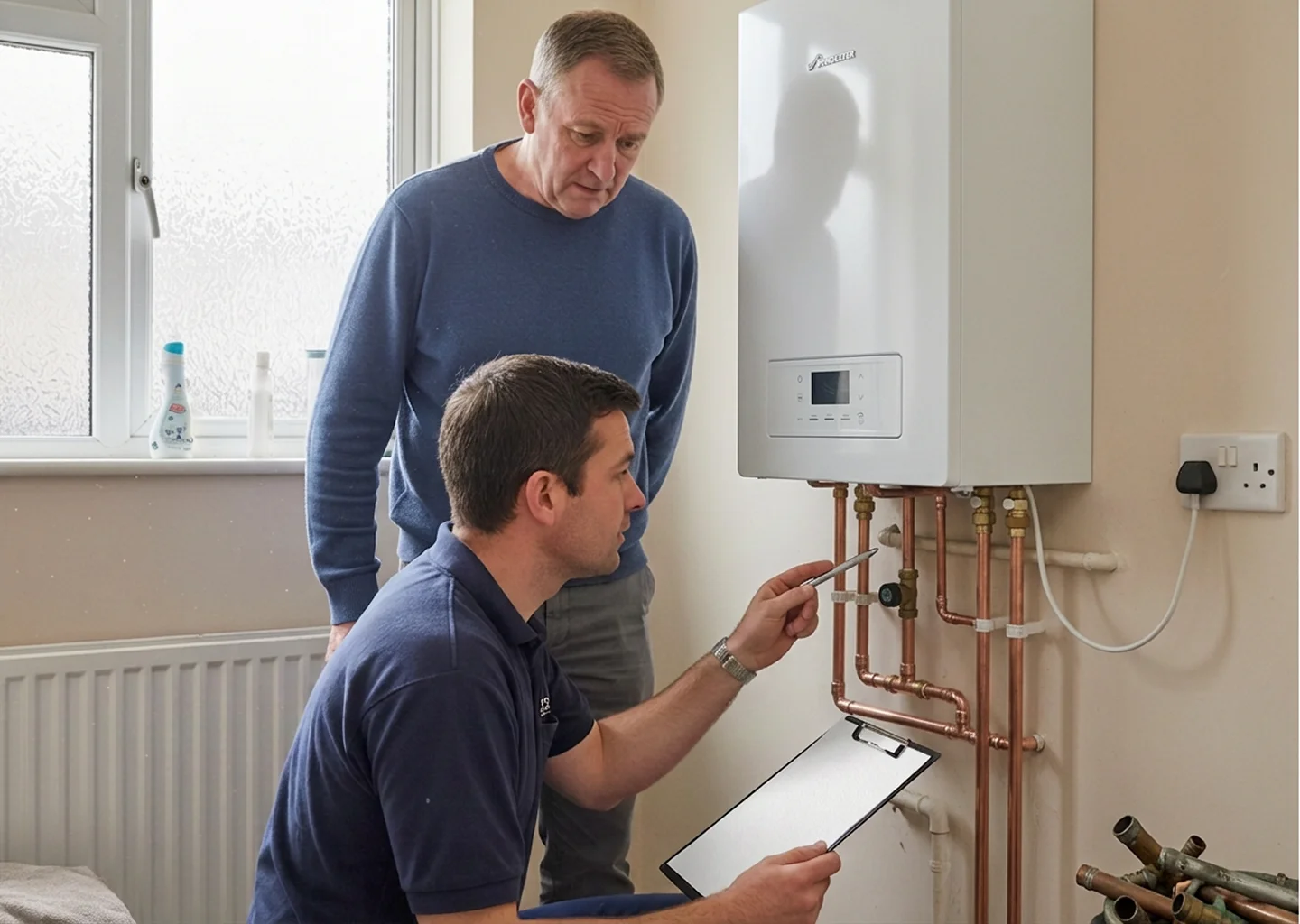
A reputable gas boiler installation company should also be able to explain the proposed work and identify any issues that could affect the installation before work begins.
This provides homeowners with greater confidence that the replacement has been designed around the property rather than treated as a standard one-size-fits-all job.
How Is the Right Boiler Size Determined?
Boiler sizing should reflect the actual requirements of the home.
An installer will consider factors such as the property’s size, insulation, number of rooms, heating demand and hot water requirements. For combi boilers, hot water demand and incoming mains water flow are also important.
Choosing an unnecessarily large boiler does not automatically improve performance. Equally, an undersized boiler may struggle to meet demand during colder periods.
The objective is to select a suitable specification that can provide dependable heating and hot water without being poorly matched to the property.
Does the Existing Heating System Need to Be Checked?
Yes. A new boiler is only one part of the heating system.
Radiators, valves, pipework, controls and other components can all affect performance. If the existing system has accumulated sludge, has poor circulation or contains ageing components, these issues may need to be addressed during the replacement process.
A new appliance cannot automatically correct every underlying system problem.
Before gas boiler installation Glasgow work begins, it is therefore sensible to establish whether the rest of the heating system is in suitable condition.
What Installation Factors Can Affect the Final Price?
The boiler itself is only one part of the overall project.
|
Installation factor |
Potential impact |
|
Boiler model |
Determines appliance cost and specification |
|
Boiler location |
Can affect access and installation work |
|
Flue arrangement |
May require specific installation considerations |
|
Pipework |
Alterations may be needed |
|
Controls |
Existing controls may be retained or upgraded |
|
Gas supply |
Needs to be appropriate for the appliance |
|
Condensate drainage |
Must be correctly arranged |
|
System condition |
Additional remedial work may sometimes be required |
|
Removal |
Existing appliance needs to be safely removed |
The exact requirements vary between properties. This is why an accurate quotation should follow an assessment rather than being based solely on a generic price.
If you want to understand what your boiler replacement is likely to involve, speak to Origin GPH. The team can assess the existing installation and explain the recommended work before you commit.
Should You Upgrade Your Heating Controls at the Same Time?
It can be worth considering.
Controls influence how the heating system operates and can make it easier to manage temperatures and heating schedules.
Depending on the existing setup, options may include improved programmers, room thermostats or other compatible controls.
The right choice depends on the property and household preferences. Controls should be selected as part of the overall system rather than added without considering compatibility.
What Does a Safe Boiler Installation Look Like?
Safety should be considered throughout the installation, not just when the boiler is switched on.
A properly planned installation should account for:
- Correct appliance positioning
- Appropriate flue installation
- Suitable gas connections
- Correct condensate arrangements
- Adequate access for servicing
- Proper commissioning
- Relevant safety checks
- Clear instructions for the homeowner
The installer should also explain how the system operates and what maintenance is recommended.
For homeowners comparing a gas boiler installation company, asking about qualifications, installation scope and aftercare can be more useful than choosing solely on the lowest quotation.
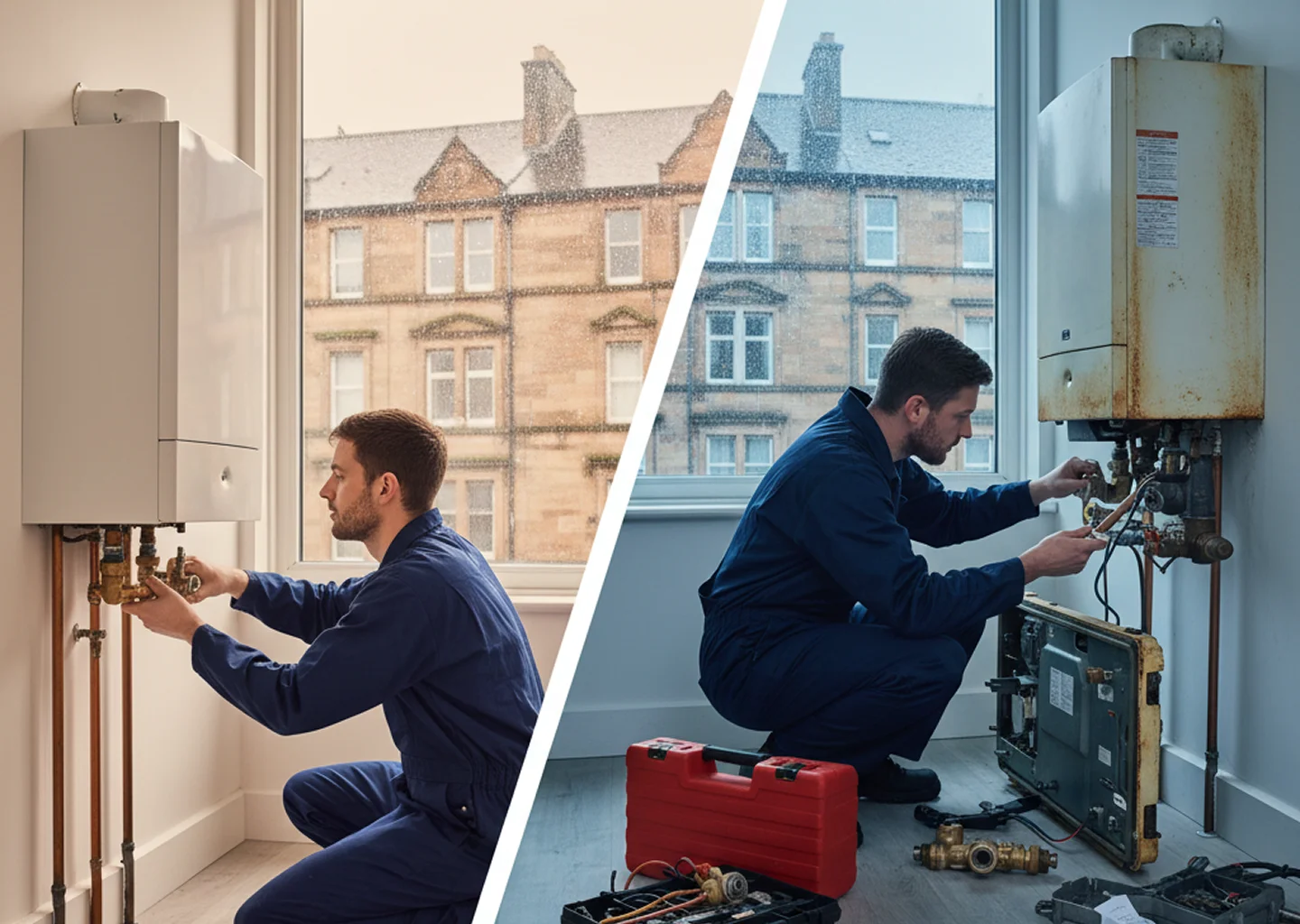
What About Older Properties?
Older homes can have different installation requirements from newer properties.
Traditional construction, existing pipework, boiler locations and previous heating modifications can all affect the replacement process.
This does not mean an older property cannot have a modern gas boiler. It simply means the installer should assess the existing setup carefully before recommending the replacement.
A survey can identify whether any changes are needed to accommodate the new appliance safely and effectively.
A Typical Replacement Scenario
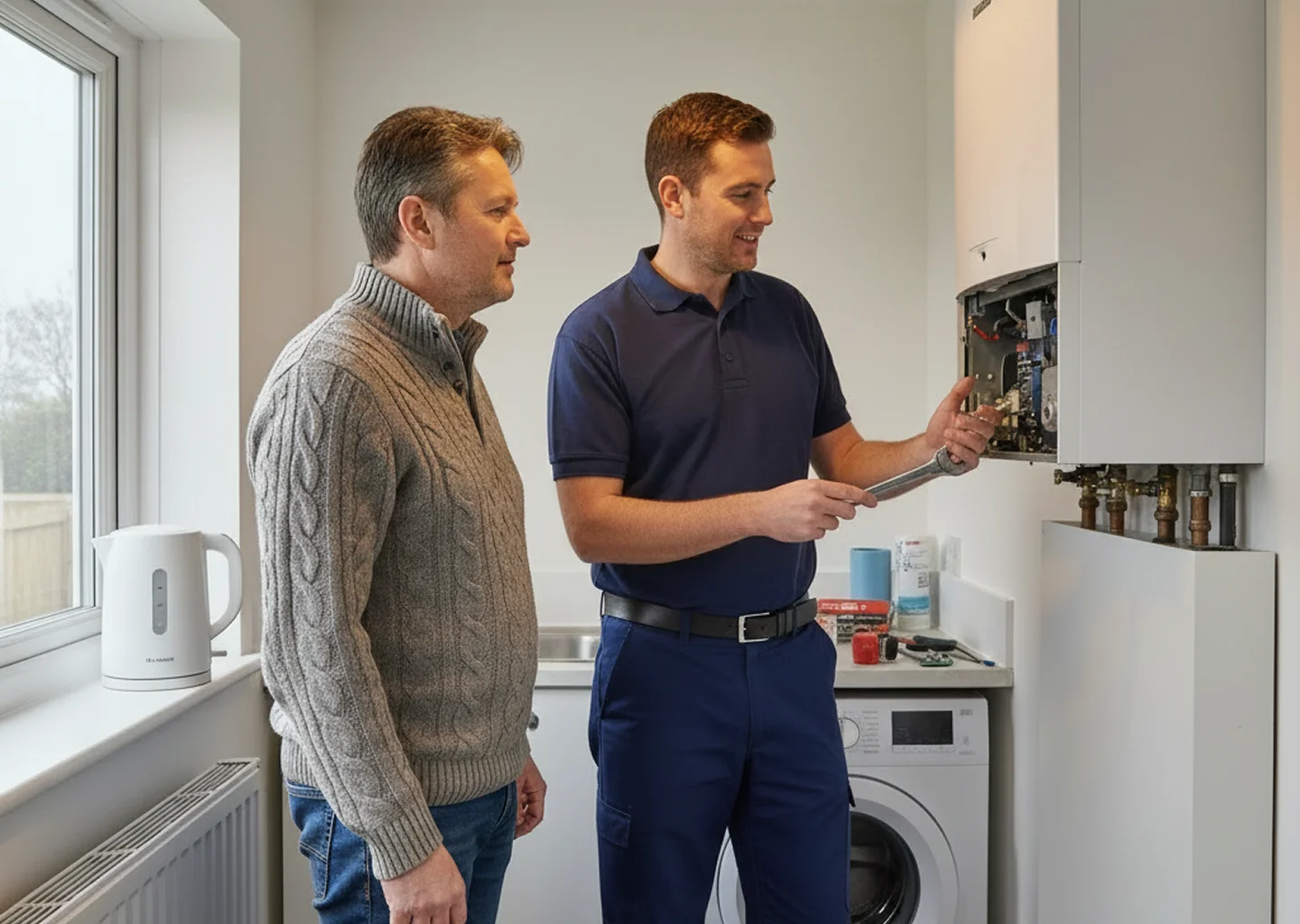
Consider a homeowner in a Glasgow property with an older gas boiler that has become increasingly unreliable. The boiler still provides heating, but it has required several repairs and the household is concerned about another failure.
During an assessment, the installer checks the boiler, heating controls, gas supply, flue arrangement, pipework and hot water requirements.
The homeowner is then given a clear explanation of the proposed replacement and any associated work. Rather than making a decision during an emergency, the installation can be planned around the household’s schedule.
How Should You Compare Gas Boiler Installation Quotes?
A quotation should provide enough detail for you to understand exactly what is being proposed.
Check whether it includes:
- Boiler make and model
- Boiler output
- Installation labour
- Removal of the existing boiler
- Controls
- Flue work
- Pipework alterations
- System preparation
- Warranty information
- Any exclusions or additional charges
Two quotations can appear similar while covering different levels of work. Comparing the complete scope makes it easier to understand the actual value being offered.
When Should You Arrange a Gas Boiler Upgrade?
The best time to investigate replacement is generally before the existing appliance becomes an emergency.
Warning signs such as repeated breakdowns, increasing repair requirements, poor performance or an ageing system can all justify an assessment.
For homeowners researching gas boiler installation Glasgow options, arranging a survey while the existing system is still functioning provides more time to consider the available choices.
Origin GPH can help you plan a safe and suitable boiler replacement based on your property’s requirements. Contact the team to discuss your existing heating system and request a bespoke quote.
Frequently Asked Questions
A gas boiler replacement should be viewed as a complete heating project rather than simply an appliance purchase. Correct sizing, professional installation, safe flue arrangements, suitable controls and a healthy wider system all contribute to dependable performance.
Taking time to assess these factors before installation can help prevent avoidable problems and make the final investment more worthwhile.
Origin GPH provides practical, professional guidance to help homeowners understand what their property requires and plan a safe heating upgrade with confidence.
Related articles
Which fuel powers your boiler?
At a glance
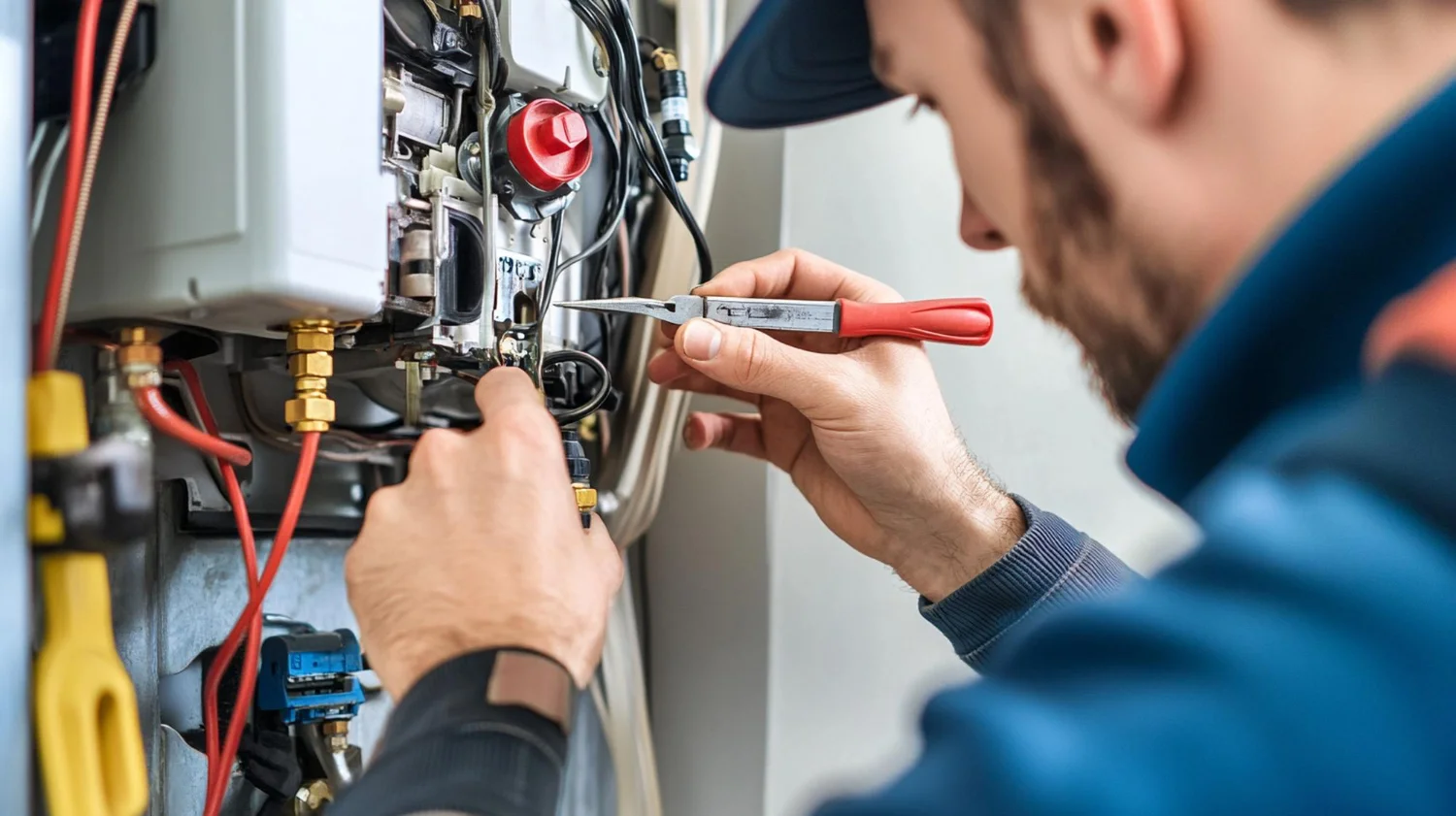
For homeowners, the challenge is often knowing what to consider before committing to an installation. Boiler output, location, flue arrangements, pipework and controls can all affect the final result, while the condition of the wider heating system can influence how well the new boiler performs.
Planning these details in advance can help you make a more informed decision and avoid treating the boiler itself as the only part of the project.
If your existing boiler is ageing or becoming unreliable, Origin GPH can assess the current system and provide practical guidance on suitable replacement options.
What Should You Check Before Installing a New Gas Boiler?
The first step should be an assessment of the property and existing heating system.
A qualified installer should consider:
- Property size and layout
- Number of occupants
- Heating requirements
- Hot water demand
- Existing boiler type
- Boiler location
- Gas supply
- Flue arrangements
- Pipework
- Heating controls
- Condensate drainage
These factors help determine what type and specification of boiler is appropriate.
A boiler should not simply be selected because it has a high output or because it is similar to the appliance being replaced. Correct sizing and system compatibility are essential for reliable operation.
Which fuel powers your boiler?
It just takes 2 minutes
And then you can book a free consultation
Why Does Professional Installation Matter?
Gas appliances must be installed and checked in accordance with applicable safety requirements. Installation work should therefore be carried out by an appropriately qualified professional.
A professional installation involves more than connecting the boiler. The installer needs to ensure the appliance, flue, gas supply, controls and associated components are correctly configured.
A reputable gas boiler installation company should also be able to explain the proposed work and identify any issues that could affect the installation before work begins.
This provides homeowners with greater confidence that the replacement has been designed around the property rather than treated as a standard one-size-fits-all job.
How Is the Right Boiler Size Determined?
Boiler sizing should reflect the actual requirements of the home.
An installer will consider factors such as the property’s size, insulation, number of rooms, heating demand and hot water requirements. For combi boilers, hot water demand and incoming mains water flow are also important.
Choosing an unnecessarily large boiler does not automatically improve performance. Equally, an undersized boiler may struggle to meet demand during colder periods.
The objective is to select a suitable specification that can provide dependable heating and hot water without being poorly matched to the property.
Does the Existing Heating System Need to Be Checked?
Yes. A new boiler is only one part of the heating system.
Radiators, valves, pipework, controls and other components can all affect performance. If the existing system has accumulated sludge, has poor circulation or contains ageing components, these issues may need to be addressed during the replacement process.
A new appliance cannot automatically correct every underlying system problem.
Before gas boiler installation Glasgow work begins, it is therefore sensible to establish whether the rest of the heating system is in suitable condition.
What Installation Factors Can Affect the Final Price?
The boiler itself is only one part of the overall project.
|
Installation factor |
Potential impact |
|
Boiler model |
Determines appliance cost and specification |
|
Boiler location |
Can affect access and installation work |
|
Flue arrangement |
May require specific installation considerations |
|
Pipework |
Alterations may be needed |
|
Controls |
Existing controls may be retained or upgraded |
|
Gas supply |
Needs to be appropriate for the appliance |
|
Condensate drainage |
Must be correctly arranged |
|
System condition |
Additional remedial work may sometimes be required |
|
Removal |
Existing appliance needs to be safely removed |
The exact requirements vary between properties. This is why an accurate quotation should follow an assessment rather than being based solely on a generic price.
If you want to understand what your boiler replacement is likely to involve, speak to Origin GPH. The team can assess the existing installation and explain the recommended work before you commit.
Should You Upgrade Your Heating Controls at the Same Time?
It can be worth considering.
Controls influence how the heating system operates and can make it easier to manage temperatures and heating schedules.
Depending on the existing setup, options may include improved programmers, room thermostats or other compatible controls.
The right choice depends on the property and household preferences. Controls should be selected as part of the overall system rather than added without considering compatibility.
What Does a Safe Boiler Installation Look Like?
Safety should be considered throughout the installation, not just when the boiler is switched on.
A properly planned installation should account for:
- Correct appliance positioning
- Appropriate flue installation
- Suitable gas connections
- Correct condensate arrangements
- Adequate access for servicing
- Proper commissioning
- Relevant safety checks
- Clear instructions for the homeowner
The installer should also explain how the system operates and what maintenance is recommended.
For homeowners comparing a gas boiler installation company, asking about qualifications, installation scope and aftercare can be more useful than choosing solely on the lowest quotation.
What About Older Properties?
Older homes can have different installation requirements from newer properties.
Traditional construction, existing pipework, boiler locations and previous heating modifications can all affect the replacement process.
This does not mean an older property cannot have a modern gas boiler. It simply means the installer should assess the existing setup carefully before recommending the replacement.
A survey can identify whether any changes are needed to accommodate the new appliance safely and effectively.
A Typical Replacement Scenario
Consider a homeowner in a Glasgow property with an older gas boiler that has become increasingly unreliable. The boiler still provides heating, but it has required several repairs and the household is concerned about another failure.
During an assessment, the installer checks the boiler, heating controls, gas supply, flue arrangement, pipework and hot water requirements.
The homeowner is then given a clear explanation of the proposed replacement and any associated work. Rather than making a decision during an emergency, the installation can be planned around the household’s schedule.
How Should You Compare Gas Boiler Installation Quotes?
A quotation should provide enough detail for you to understand exactly what is being proposed.
Check whether it includes:
- Boiler make and model
- Boiler output
- Installation labour
- Removal of the existing boiler
- Controls
- Flue work
- Pipework alterations
- System preparation
- Warranty information
- Any exclusions or additional charges
Two quotations can appear similar while covering different levels of work. Comparing the complete scope makes it easier to understand the actual value being offered.
When Should You Arrange a Gas Boiler Upgrade?
The best time to investigate replacement is generally before the existing appliance becomes an emergency.
Warning signs such as repeated breakdowns, increasing repair requirements, poor performance or an ageing system can all justify an assessment.
For homeowners researching gas boiler installation Glasgow options, arranging a survey while the existing system is still functioning provides more time to consider the available choices.
Origin GPH can help you plan a safe and suitable boiler replacement based on your property’s requirements. Contact the team to discuss your existing heating system and request a bespoke quote.
Frequently Asked Questions
A gas boiler replacement should be viewed as a complete heating project rather than simply an appliance purchase. Correct sizing, professional installation, safe flue arrangements, suitable controls and a healthy wider system all contribute to dependable performance.
Taking time to assess these factors before installation can help prevent avoidable problems and make the final investment more worthwhile.
Origin GPH provides practical, professional guidance to help homeowners understand what their property requires and plan a safe heating upgrade with confidence.