It is not a secret that our gas and energy bills have been rapidly increasing over the last few years, and many homeowners across the UK have had to struggle financially to keep up with the new energy prices implemented by the government. The price increase is due to a large rise in wholesale gas prices (the amount energy companies pay), which has climbed steeply since October 2021.
Due to the global economic downturn as well as the end of the lockdown, gas prices have reached the highest they have ever been, and may continue to rise in the upcoming years.
But not to worry, we are here to assist you. There are many rules and tips that can help make your life easier by lowering your heating bills. In this article, we will be looking at:
- Why Are Energy Costs Rising?
- Who is Ofgem?
- What Is The Average Household Energy Bill?
- How to Reduce Heating Costs
- Ground Source And Air Source Heat Pumps
- Government Schemes Which Offer Financial Support
Why Are Energy Costs Rising?
People are concerned about the cost of their energy bills following the energy crisis and the skyrocketing gas prices. According to UK Power, today’s gas prices are about four times higher than they were in 2020. Because of this, energy prices are expected to plummet, putting 22 million households across Britain at risk.
Many global factors have contributed to the rise in prices, including increasing demand after lockdown and other financial issues Britain has recently had to face within the last years.
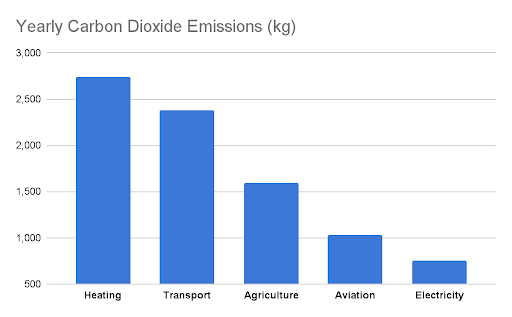
Did you know that the biggest contributor to UK household carbon emissions is household heating? They produce more carbon dioxide emissions than any other human source – even more than transport!
Who Is Ofgem?
Ofgem the Office of Gas and Electricity Markets, is the UK regulator responsible for protecting energy consumers and driving the transition to a fairer, greener energy system. One of its key tools is the energy price cap, which limits the amount energy suppliers can charge per kilowatt-hour (kWh) of gas and electricity.
Originally introduced in 2019 and adjusted regularly based on wholesale market conditions, the price cap continues to play a critical role in shielding households from volatile energy costs. As of 2025, the cap is reviewed quarterly to reflect changes in the global energy market, supply chain pressures, and inflation.
While a significant increase was implemented in April 2022—raising the average annual bill by nearly £700 for customers on standard variable tariffs—subsequent updates have adjusted the cap to align with market trends. The cap may rise or fall depending on shifts in wholesale prices, helping to balance affordability for consumers with financial stability for suppliers.
What Is The Average Household Energy Bill?
🔹 Current Energy Price Cap (April–June 2025)
- Annual cap: £1,849 for a typical dual-fuel household paying by Direct Debit.
- Change: This represents a 6.4% (£111) increase from the previous quarter’s cap of £1,738 .Reuters+9Ofgem+9The Guardian+9
Unit rates and standing charges:
- Electricity: 27.03p per kWh; standing charge: 53.80p/day.
- Gas: 6.99p per kWh; standing charge: 32.67p/day .The Guardian+2Ofgem+2Ofgem+2
🔹 Upcoming Cap Review
- Next announcement: By 27 May 2025, for the period 1 July to 30 September 2025.
- Forecast: Analysts anticipate a decrease in the cap to approximately £1,683, reflecting expected reductions in wholesale energy prices .OfgemThe Guardian+1Ofgem+1
🔹 Fixed Tariff Options
EDF has introduced a 12-month fixed tariff priced at £1,549, which is £300 below the current cap. This offer is available until Sunday and allows customers to switch later without exit fees. Other suppliers, such as Outfox the Market, are also offering competitive fixed deals .The Guardian+2The Guardian+2The Sun+2
🔹 Compliance and Consumer Protection
Ofgem has mandated that ten UK energy suppliers, including EDF, E.ON, and Octopus, pay a total of £7 million in compensation for overcharging more than 34,000 customers between January 2019 and September 2024. The overcharges were due to standing charges exceeding the price cap for customers with restricted meter infrastructure
At Origin, we are able to offer you the greatest deals that reflect what you will pay for energy more accurately every month, depending on the information given to us. For more information on our services, feel free to contact us..
How To Reduce Heating Costs
There are a number of ways in which you can reduce your energy costs, both gas and electricity. In order for you to live comfortably and be able to afford your energy bills each month, there will be times where you may have to invest – as it will benefit you in the long run. Here are some great ways to reduce your energy bills throughout the year:
1. Clean Your Radiator System
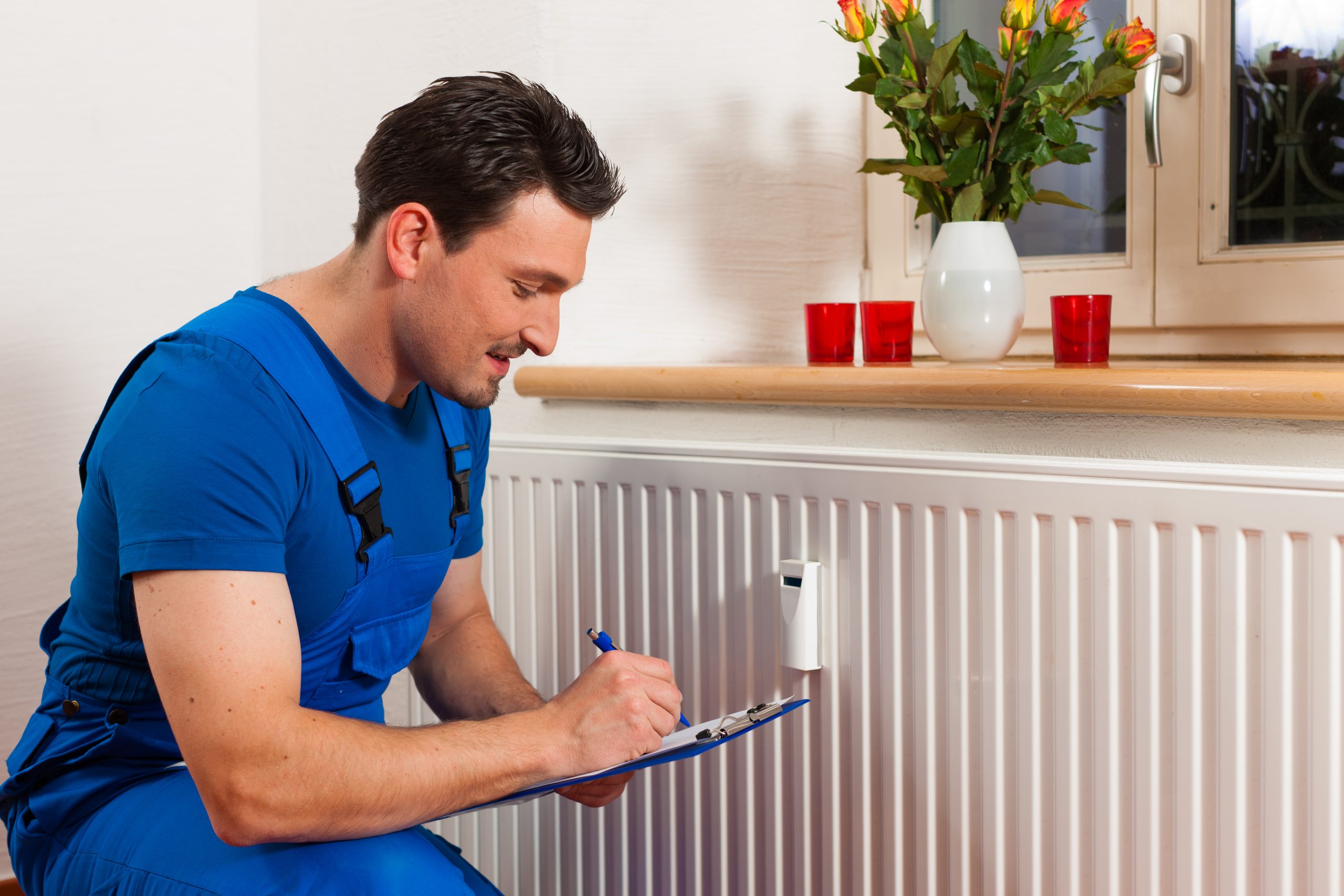
In order to maximize the efficiency of your heating system, ensure that the water in your system is clean and free of sludge. If some of your radiators take a long time to heat up, or if you have cold spots at the bottom of your radiators, this may be a sign that your system is overly sludgy.
How To Clean Your Radiator System
- Gravity Flush: In a gravity flush, the water in your radiator system is drained and replaced with clean water. If you’re a competent DIYer, you can do it yourself.
- Power flush: A power flush can remove sludge from your system more effectively, but it does require special equipment and can be costly.
- Chemical flush: Chemical flushes are less expensive than full power flushes since they don’t require high pressure equipment to clean the radiator. A chemical flush softens the muck and eases it out more gently.
2. Boiler & Heating Control Upgrade
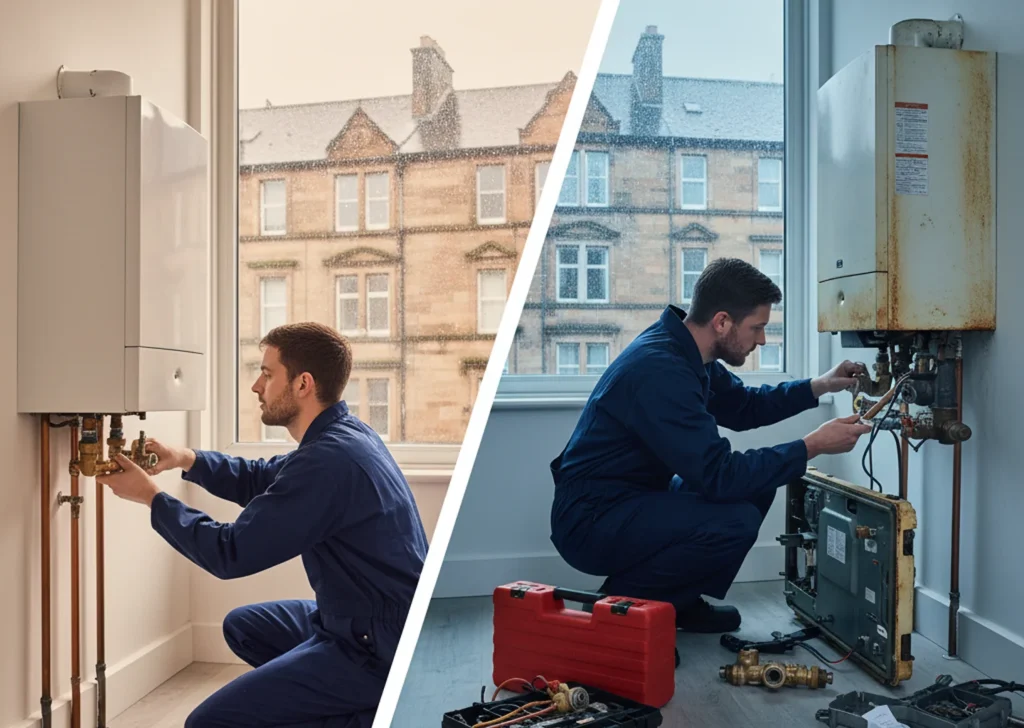
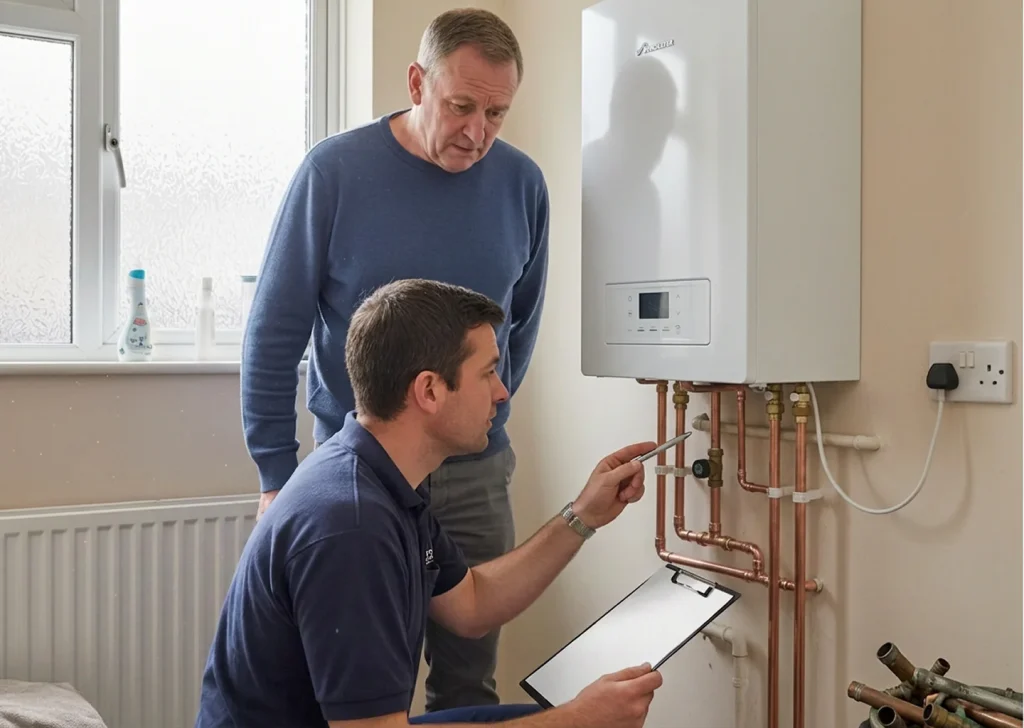
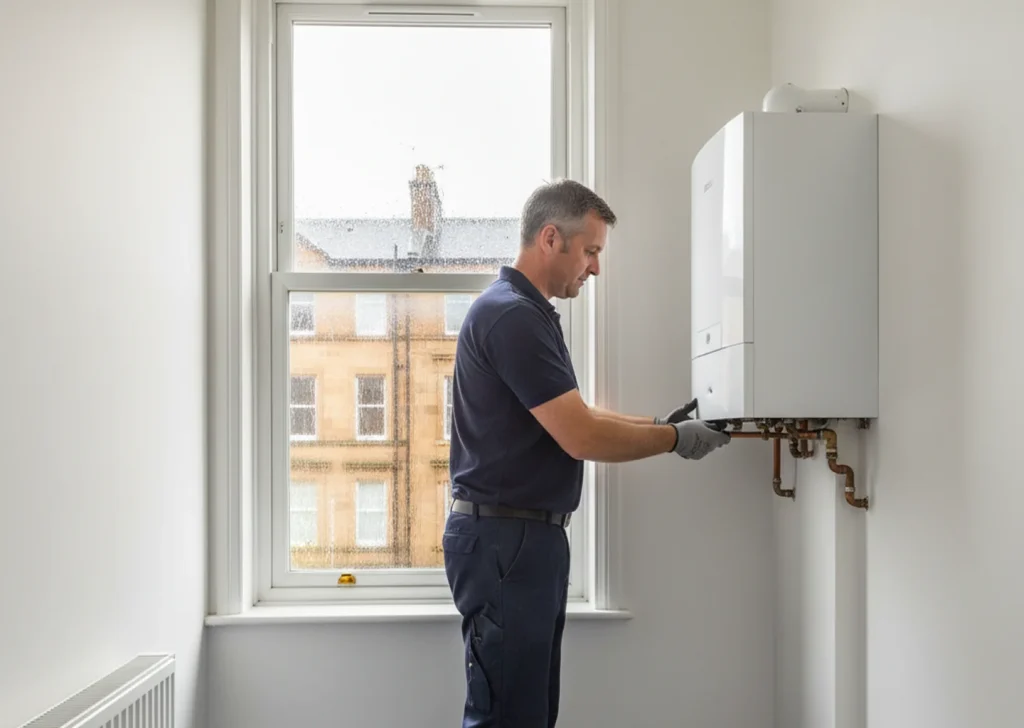
Boiler installations can be beneficial for those interested in reducing their energy bills, as an upgraded heating system can be more energy efficient than your old, traditional boiler and can also reduce your carbon footprint.
Replacing a boiler is one way to upgrade your heating system, however this can be quite an expensive alternative. It could cost you up to a minimum of £4,000 for a new boiler installation.
The simplest thing to do if you decide that replacing your boiler would be too costly but your heating controls are old is to replace them – newer heating controls are more accurate.
Depending on your type of boiler or heating system will determine what type of heating control measures you need for your household. Here are the main types available:
- Timer – turns your boiler on and off according to a set schedule.
- Programmer – Using the programmer, you can set different times and temperatures for different days of the week.
- Weather Compensation for Heating Controls – regulates boiler operation according to outside temperature.
- Load Compensating Thermostat – Adapts boiler operation depending on inside temperature based on a load compensating thermostat
- Room Thermostat – Temperature sensors in the room measure the temperature of your room and adjust the boiler operation accordingly (temperature sensors are load compensating thermostats).
- TRVs (thermostatic radiator valves) – allow you to control the temperature of individual radiators as well as turn them all off at the same time .
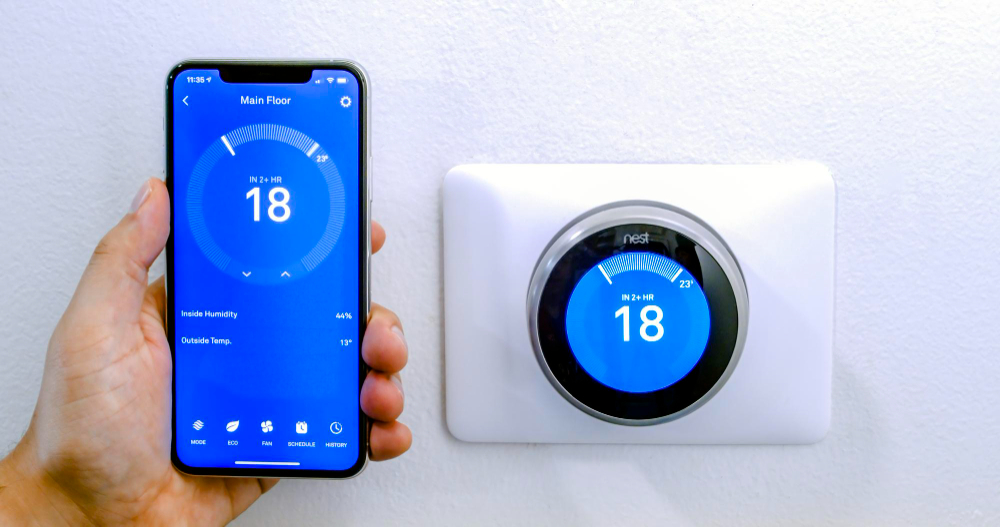
- Smart thermostat heating system – controls heating remotely via an app.
If you are looking for a boiler installation in Glasgow, we are here to help. We are also able to repair, maintain and service your traditional heating system. Feel free to contact us 7 days a week, 24 hours a day.
What Other Ways Can I Reduce My Energy Bills?
Keep on top of energy bills
According to Ofgem, the cap on out-of-contract energy tariffs has fluctuated significantly since the major 54% increase in April 2022. In 2025, the average household is still dealing with elevated energy costs due to ongoing volatility in global energy markets. To avoid overpaying, it’s essential to stay on top of your bills and monitor your energy usage closely. Small investments—such as installing a smart meter—can make a big difference. Smart meters allow you to track your real-time consumption, helping you identify patterns, reduce waste, and ultimately save money on your energy bills.
Insulation
As reported by Which.co.uk, by insulating a typical three-bedroom semi-detached house to 270mm, you could save £135 a year on energy bills, because less heat will escape through the roof, and by insulating cavity walls, a semi-detached house can save £155 a year. In the same type of house, solid-wall insulation would save you £210, but is more expensive to install.
| Semi-detached house | Detached House | Mid-terraced house | Bungalow | Mid-floor hat | |
|---|---|---|---|---|---|
| Cavity Wall Insulation | £155 | £255 | £95 | £105 | £75 |
| Loft Insulation (0-270mm) | £135 | £315 | £125 | £75 | N/A |
| Draught Proofing | £25 | £25 | £25 | £25 | £25 |
| Floor Insulation | £40 | £70 | £30 | £55 | N/A |
| Solid Wall Insulation | £210 | £350 | £130 | £140 | £105 |
This data is estimated by the Energy Saving Trust for England, Scotland and Wales and is based on the amount of costs it takes to insulate your home. It was last updated in September 2021.
Electric Heaters
For those who live in a one-bedroom house, a portable electric heating system may come in handy every now and then. If you work from home or live solely on your own, this could be a beneficial investment, helping you save costs on heating bills.
However, be mindful of the fact that electricity is far more pricier than gas per hour, so you must use the electrical heater efficiently so that your electricity bill does not increase each month.
Light Bulbs
By investing in the correct lightbulb, you could be saving a decent amount on energy bills each year. LED light bulbs are a great way to save money on our electricity bill, as they last longer than traditional light bulbs and cost cheaper to run. Over time, you could be saving up to £200 on your electricity bill.
Draught Proof Your Home
You could save up to £25 in a typical home by preventing heat from escaping through gaps around doors and windows, according to the Energy Saving Trust. If you really want to go the extra mile, by investing in professional draught-proofing, you could potentially save far more than £25 per year.
Here are some areas within your household which you are able to draught-proof:
- Doors
- Windows
- Lofts
- Floorboards & Skirting
- Chimney/Fireplace
Reduce Your Use Of Hot Water
Regardless of whether you only use your heating in the winter or year-round, water heats up with energy all year long. Using your water meter wisely will reduce your utility bills. You can also use your heating controls to turn your water heating on and off if you have a hot water tank (rather than a combi boiler).
A power shower can use more water in less than five minutes than a bath when it comes to high-volume water consumption. By replacing your old shower head with an echo, you’ll feel no difference in your shower’s power, but your water bill will go down.
There are a few other small things you can do which may help reduce your water bill and other energy costs, such as insulating your hot water pipes which allows your hot water to stay hotter for longer.
Ground Source And Air Source Heat Pumps
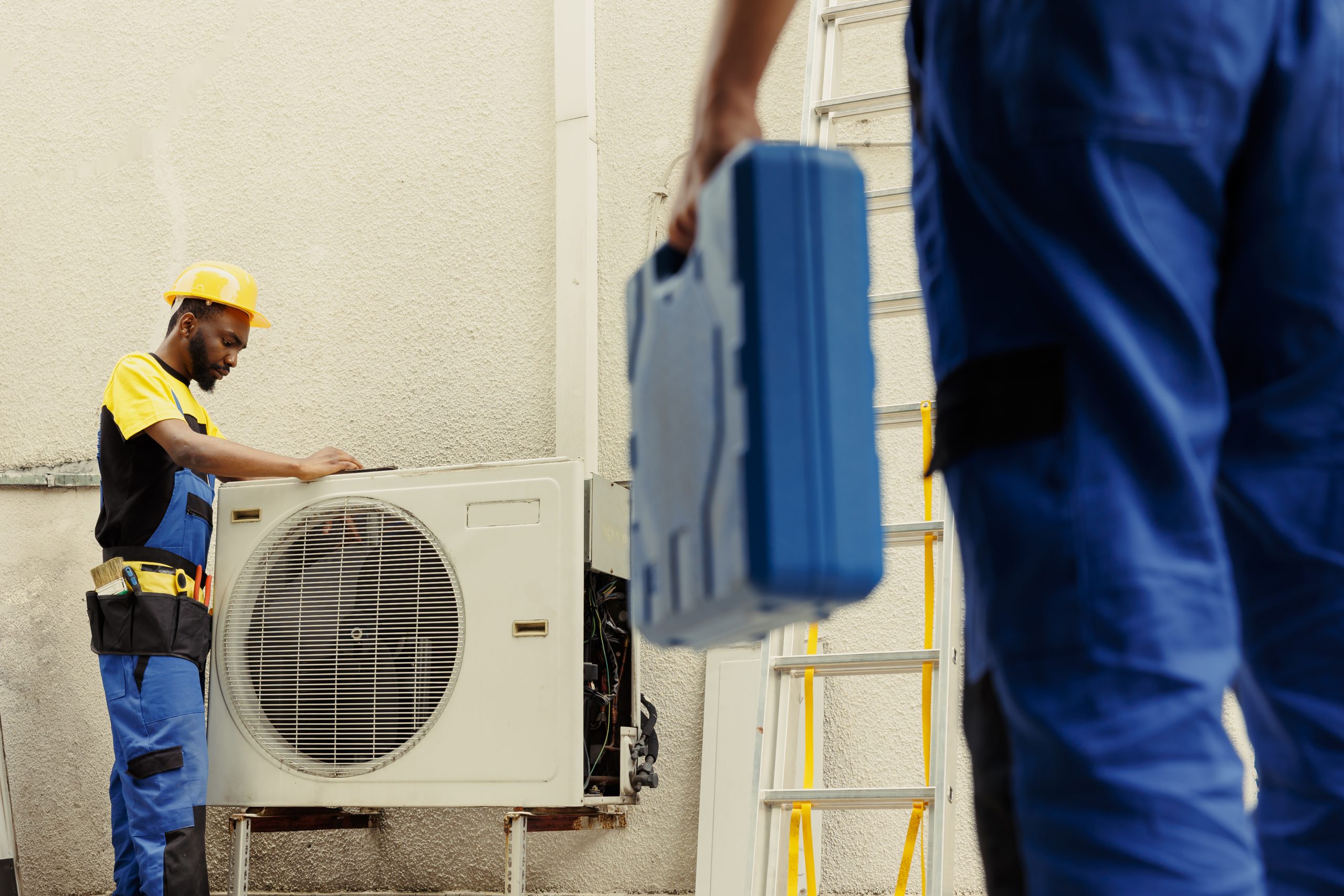
Heat Pumps are a greener, safer and a more efficient way to provide your home with renewable energy. In order to heat your home, heat pumps absorb heat and transfer it to a fluid, which is compressed to increase its temperature. They work by absorbing heat from the environment and transferring it to a fluid. The compressed fluid then transfers heat to the central heating system, which can heat as well as provide hot water.
One major difference between these two types of heat pumps is where they acquire heat: air source heat pumps (ASHPs) utilize the air for heat, while ground source heat pumps (GSHPs) utilize the ground for energy.
Advantages of Heat Pumps:
- Lower running costs
- Requires less maintenance
- Better Safety
- Reduces Carbon Emissions
- Provides Cooling
- Long life-span
- Eligible for RHI scheme
Disadvantages of Heat Pumps:
- High upfront cost
- Difficult to install
- Questionable Sustainability
- Requires significant work
- Issues in cold weather
- Not entirely carbon neutral
- Planning permissions required
Government Schemes Which Offer Financial Support
Struggling to provide your home with energy? There are a variety of energy schemes and grants which can help assist in paying your energy bills or supporting your renewable heating costs. You may be eligible for:
- Boiler Upgrade Scheme
- Government energy grants for your home
- Cold Weather Payment, Winter Fuel Payment and Fuel Direct
- Warm Home Discount
- Energy Company Obligation (ECO)
- Free insulation deals from energy suppliers
- The Green Deal
- Insulation Grants
We can prevent climate change by reducing energy consumption as we move towards a more sustainable net-zero future: it will save us money as well as help us reduce our carbon footprint. You can secure your financial future by knowing how many carbon emissions you produce each year.